
Auto Carrier Trucks For Sale
Auto carrier trucks explained: stinger-steer and high-mount car haulers, capacities, hydraulics, tie-downs, and spec tips for compliant, profitable routes.

Have auto carrier truck to sell? List it here to reach thousands of buyers.
Auto Carrier Trucks
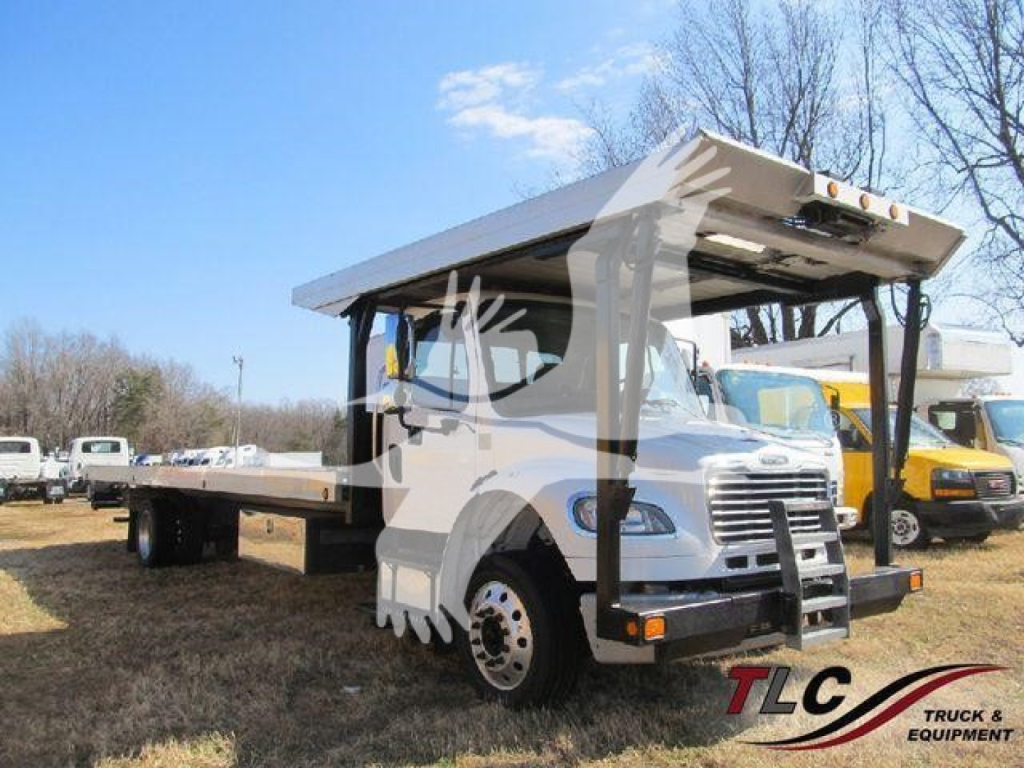
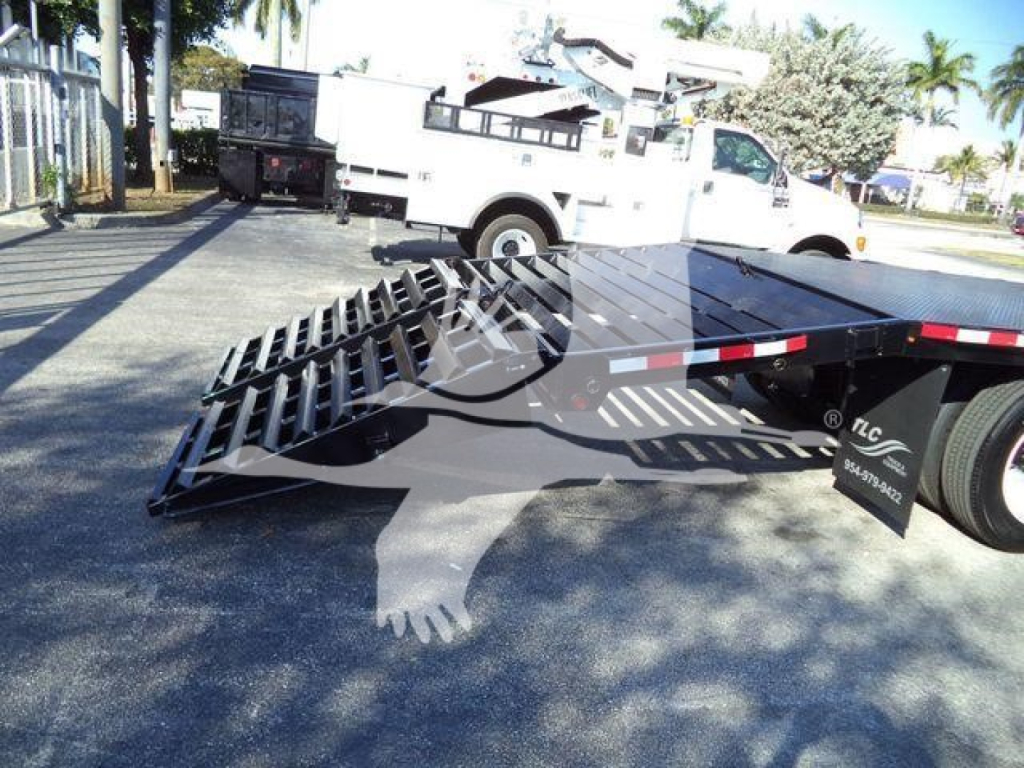
Straight-truck carriers fill a different role. A 2 to 4 car rollback or multicar body with a wheel lift is ideal for metro dealer swaps, auction shuttles, and salvage. Look at bed length, approach angle, winch capacity, and hydraulic flow if you load in tight alleys or handle inoperable vehicles. Electric-over-hydraulic packs keep things simple on lighter bodies; PTO-driven pumps on a diesel chassis deliver faster cycle times and better heat management for high duty cycles. Tie-down systems vary by builder. Many decks use perforated track for wheel straps, others use chain pockets with soft tie adapters. Make sure the trailer or body you pair with a tractor uses the tie-down method your customers expect, especially for high-value or low-clearance vehicles.
Weight and durability drive most spec trade-offs. Steel decks cost less and handle abuse but add weight that can cost you a unit of capacity on heavier lanes. Aluminum and galvanized components resist corrosion and help you stay legal with SUVs and pickups on the upper positions. Tandem rear axles are standard on long haul units; tri-axle trailers or lift axles help on dense loads and bridge compliance. Powertrain matters because hydraulics live off it. Verify transmission PTO provisions, pump size, and valve controls. Allison automatics pair well with hot urban cycles; manual transmissions with wet kits are common in long haul. Day cabs keep wheelbase short and turning tight. Mid-roof or low-roof sleepers fit under headracks and preserve deck clearance where a condo would interfere. Spec wheelbase, kingpin setting, and steer axle rating to distribute weight with a full mix of sedans, crossovers, and half-ton trucks.
Operations and compliance separate profitable carriers from problem units. Plan for legal height in your lanes and know the length allowances for automobile transporters in the states you run, since stinger-steer combinations often have different limits than high-mounts. Deck sequencing, approach angles, and overhangs determine what you can legally and safely load. Inspect used units closely. Check cylinders, hoses, pins, bushings, and scissor pivots for leaks and play. Verify deck locks and mechanical safety props work. Look for bent crossmembers, soft spots in decking, rail rub, and galvanic corrosion at fasteners. Test the remote pendant or wireless controller on every function and confirm hydraulic pressure builds quickly without cavitation. Lighting, ABS, and air lines should be tidy and protected. Many buyers add drip trays, race ramps, and extra wheel nets to reduce damage claims. Finally, confirm engine emissions compliance for your states, especially CARB rules for California, to avoid costly downtime after purchase.
Frequently Asked Questions about Auto Carrier Trucks
What is the difference between a stinger-steer and a high-mount car hauler?
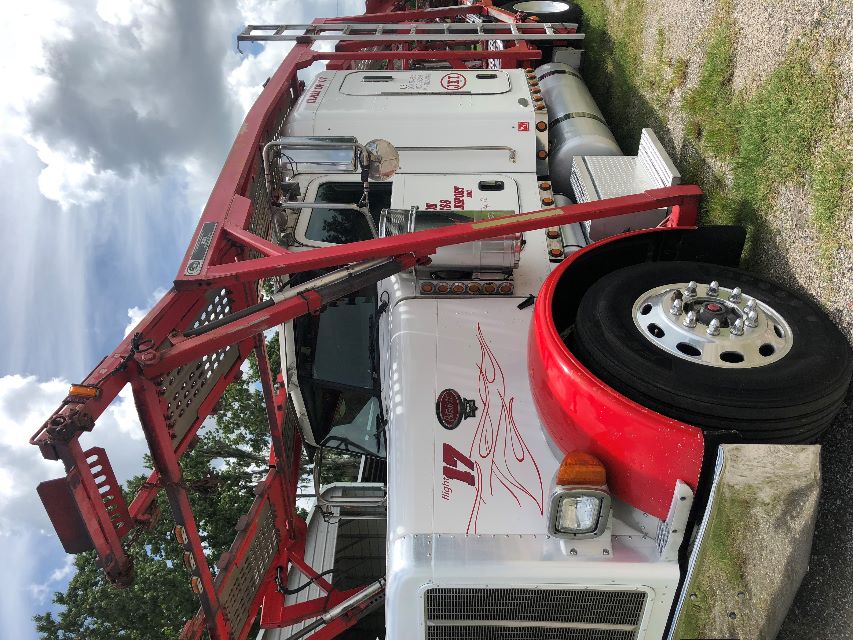
A high-mount uses a standard fifth wheel position and is typically shorter overall, favoring maneuverability and simplicity, often carrying 7 to 9 vehicles. A stinger-steer places the fifth wheel low and behind the drive axles. This improves deck angles for low cars and usually qualifies the combination for greater overall length on many highways, which helps fit 9 to 11 vehicles within legal height. Stinger rigs also tend to distribute weight more efficiently across the combination.
How many vehicles can an auto carrier truck haul and what limits capacity?
Capacity depends on configuration, deck geometry, and vehicle mix. Straight trucks commonly handle 2 to 4 vehicles. High-mount tractor trailer sets often carry 7 to 9, while stinger-steer sets can reach 9 to 11. Real-world capacity is limited by height, axle weights, wheelbase of the vehicles, roof accessories like racks, and the presence of larger SUVs and pickups. Aluminum or galvanized components can save weight and help keep a full load legal.
Which powertrain and hydraulic setup should I look for?
Match the duty cycle. For frequent loading and tight schedules, a diesel with a transmission that supports a PTO and a properly sized pump gives fast, repeatable cycle times. Allison automatics are popular for stop-and-go work; manuals are common on long haul tractors with wet kits. Verify the PTO provision on the transmission, pump flow and pressure, valve control type, and that the cooling package can handle sustained hydraulic use without heat soak.
What should I inspect on a used auto carrier before buying?
Cycle every deck and ramp under load if possible. Check hydraulic cylinders, hoses, hard lines, fittings, pins, and bushings for leaks and excessive play. Confirm deck locks and safety props engage. Inspect decking for bent members, cracked welds, and corrosion at seams. Look at chain pockets or track for deformation, and confirm you have the correct wheel straps or soft tie gear. Review alignment of the headrack, check frame rails and suspension components for cracks, verify lights and ABS function, and ensure emissions equipment meets the states you intend to run.
Are there special legal limits or securement rules for auto transporters?
Automobile transporters have unique overall length allowances that can differ for high-mount and stinger-steer combinations, and height limits vary by state. Plan routes for bridge and wire clearance and know your overhang allowances. For securement, follow FMCSA cargo securement rules for vehicles, typically using four wheel straps or equivalent rated tie-downs that prevent forward, rearward, and lateral movement. Always confirm state-specific variations that affect overall length, overhang, and night travel.