
Auto Carrier Trucks For Sale in Florida
Browse auto carrier trucks for sale in Florida. Compare car hauler specs, trailer setups, axle choices, deck capacity, and hauling applications.
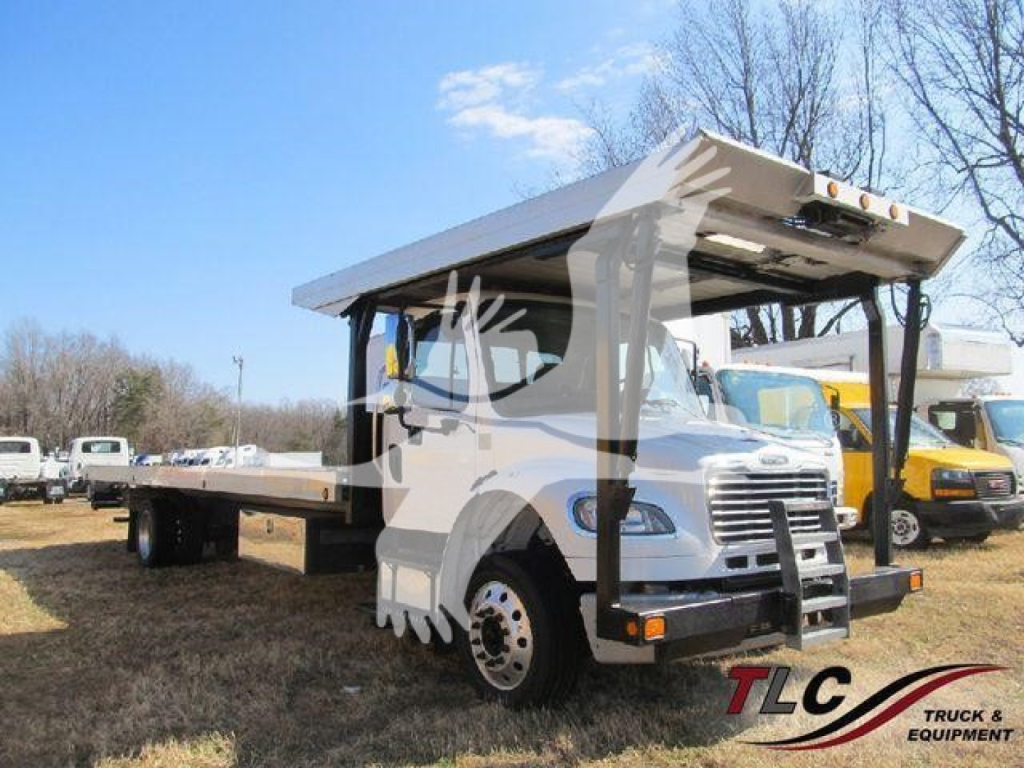
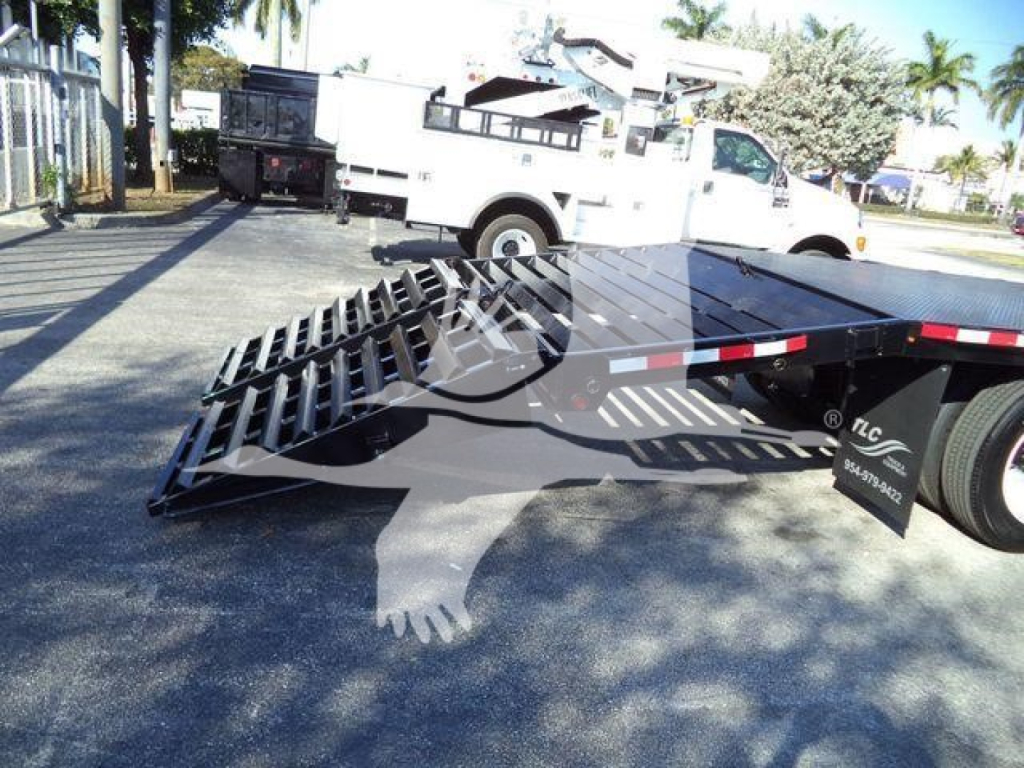
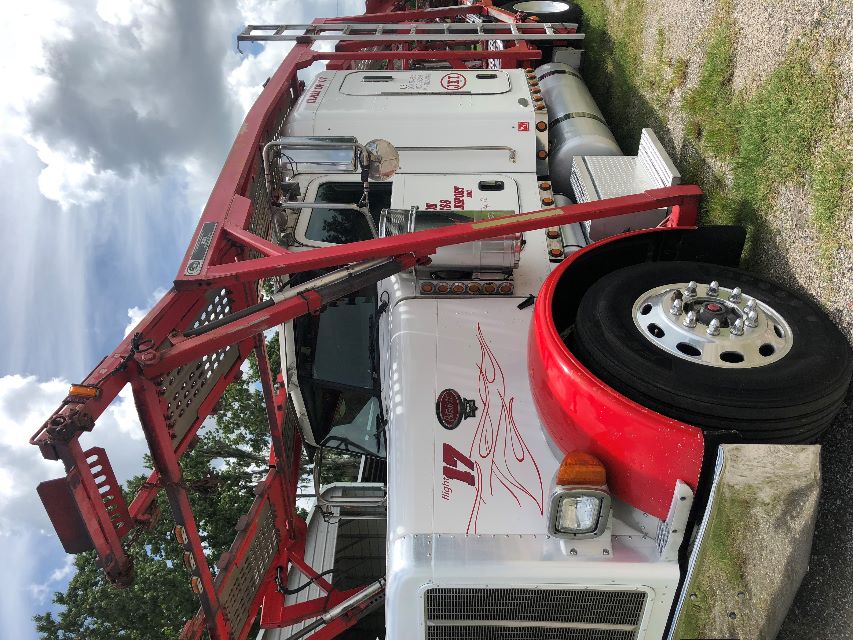
Have auto carrier truck to sell? List it here to reach thousands of buyers.
Auto Carrier Trucks in Florida
Most auto carrier trucks are spec'd as conventional road tractors paired with purpose-built stinger-steer or wedge-style trailers from manufacturers such as Cottrell, Boydstun, or Kaufman. Common decisions include sleeper versus day cab, tandem versus lift axle arrangements, and engine ratings that balance fuel economy with enough torque for ramps, overpasses, and loaded starts. Buyers should pay close attention to fifth wheel height, kingpin setting, deck cylinder condition, hydraulic leaks, chain and ratchet wear, and any stress around pivot points or upper deck structures. On older units, transmission replacement history, clutch life, cooling system work, and frame condition can tell you as much as the odometer.
Florida operators also need to think about corrosion, heat, and frequent stop-and-go loading conditions. Salt exposure is lower than in northern states, but coastal humidity can still affect wiring, hydraulic components, aluminum decks, and fasteners. If the truck will spend time around ports, auctions, or dealer lots, tight turning radius and fast deck cycle times become important. If it will run up the Southeast or nationwide, engine brake performance, sleeper comfort, fuel capacity, and serviceability carry more weight. A good auto carrier should load common sedans, SUVs, and light trucks without constant repositioning, while still giving the driver enough flexibility to handle low-clearance vehicles or mixed wheelbases.
The best buying approach is to match the truck and trailer combination to the vehicles you actually haul most often. Capacity on paper does not always equal practical capacity once height restrictions, wheelbase limits, and front overhang are factored in. Inspect deck controls, ramps, tie-down points, crossmembers, and tire condition on both tractor and trailer. Review axle ratings, bridge compliance, and how the setup scales with partial and full loads. A well-matched auto carrier truck can improve load flexibility, reduce damage risk, and keep turnaround times tight in a business where minutes on each stop add up fast.
Frequently Asked Questions about Auto Carrier Trucks in Florida
What should I look for first when buying an auto carrier truck?
Start with the full truck and trailer configuration, not just the tractor. The important factors are deck layout, legal capacity, overall height management, hydraulic condition, fifth wheel position, and how the unit handles the types of cars, SUVs, or pickups you haul most often. A carrier can look strong mechanically and still be a poor fit if the deck geometry limits loading flexibility or makes common vehicle mixes hard to scale legally.
What is the difference between a stinger-steer auto carrier and a wedge-style car hauler?
A stinger-steer carrier uses a low-mounted fifth wheel behind the rear axle and is designed to maximize vehicle count and deck articulation within legal length limits. It is the standard setup for higher-capacity commercial car hauling. A wedge-style hauler is typically simpler and can be a practical choice for smaller operations or specific regional work, but it usually offers less flexibility and lower overall capacity than a full commercial stinger system.
Are sleeper tractors common for auto carrier trucks?
Yes, sleeper tractors are common when the truck is used for longer regional or interstate runs because car hauling often involves overnight trips, auction schedules, and multi-stop delivery routes. A day cab may still make sense for local or short-haul work, especially where maneuverability is a priority. The right choice depends on lane length, driver scheduling, and how much time the truck spends away from base.
How important are hydraulics on a car hauler?
Hydraulics are critical because deck movement, loading angles, and vehicle placement all depend on smooth and reliable operation. Slow cycle times, leaking cylinders, damaged hoses, weak pumps, or uneven deck movement can reduce productivity and increase the risk of vehicle damage during loading. A buyer should inspect cylinders, hoses, valves, control stations, and deck pivot points carefully, because hydraulic repairs can become expensive quickly.
Does Florida use affect an auto carrier truck differently than other states?
Florida use often means less road salt exposure than northern markets, which can be a benefit for frame and underbody condition. However, heat, humidity, heavy rain, and coastal air can still affect wiring, hydraulic components, aluminum surfaces, and corrosion-prone hardware. For a Florida auto carrier, it is smart to inspect electrical connections, deck controls, fasteners, and any signs of moisture intrusion or oxidation.