
Used Auto Carrier Trucks For Sale
Browse used auto carrier trucks built for vehicle transport, with key details on trailer style, capacity, hydraulics, axle setup, and specs.

Have used auto carrier truck to sell? List it here to reach thousands of buyers.
Used Auto Carrier Trucks
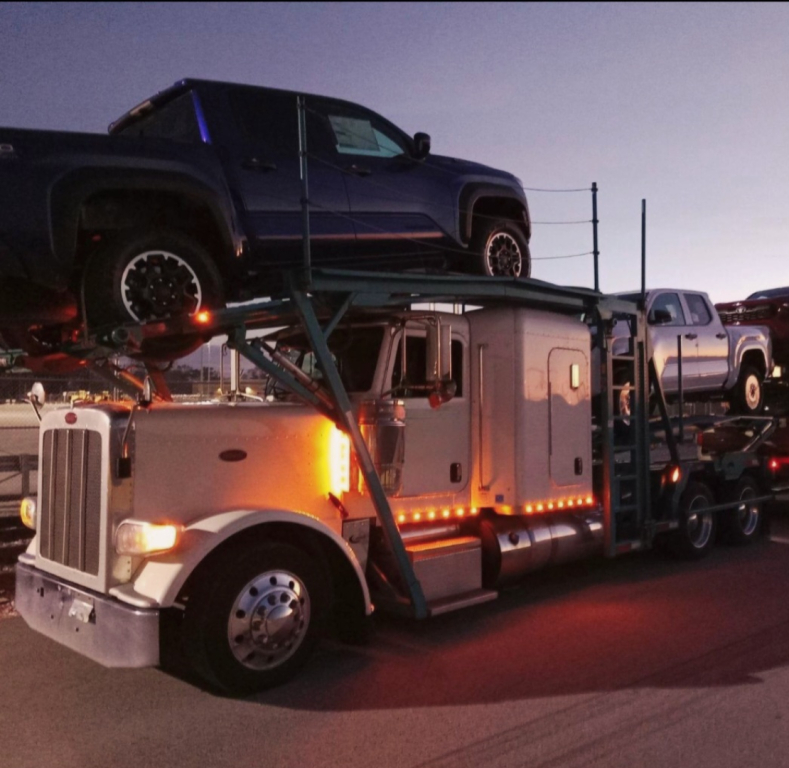
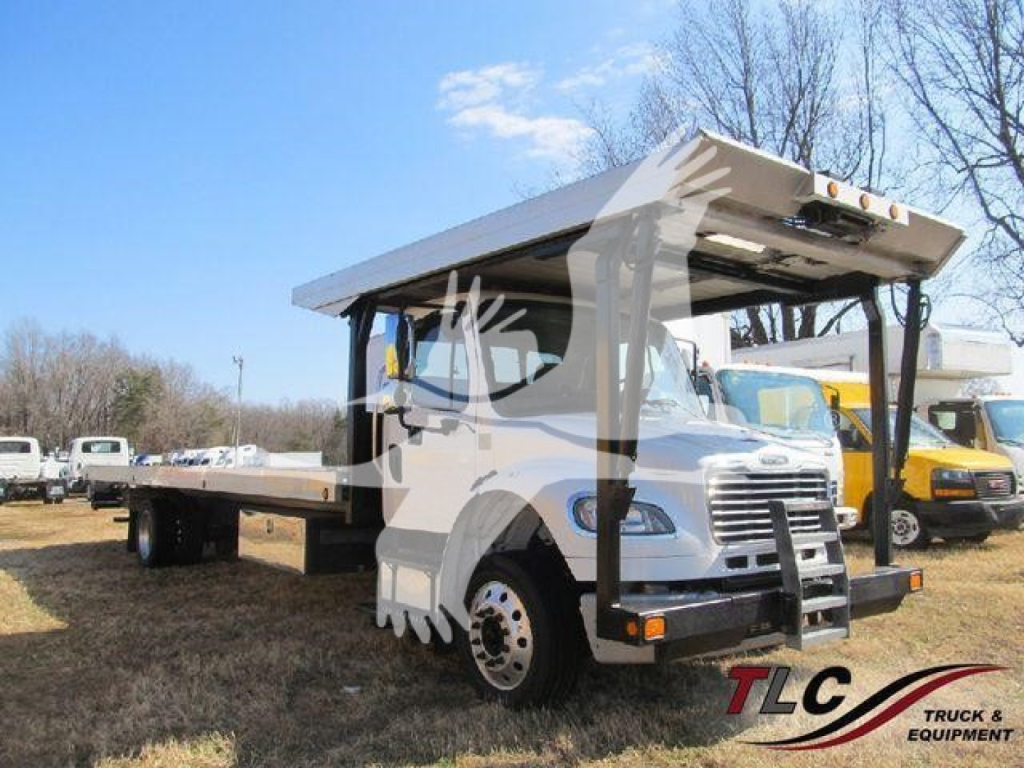
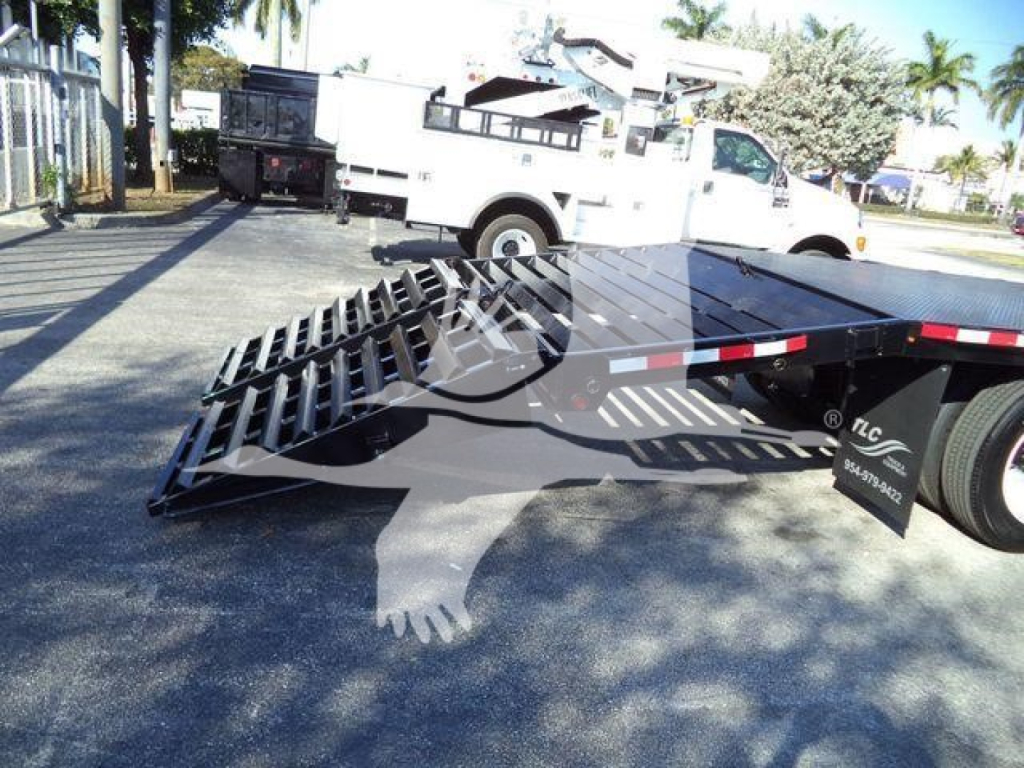
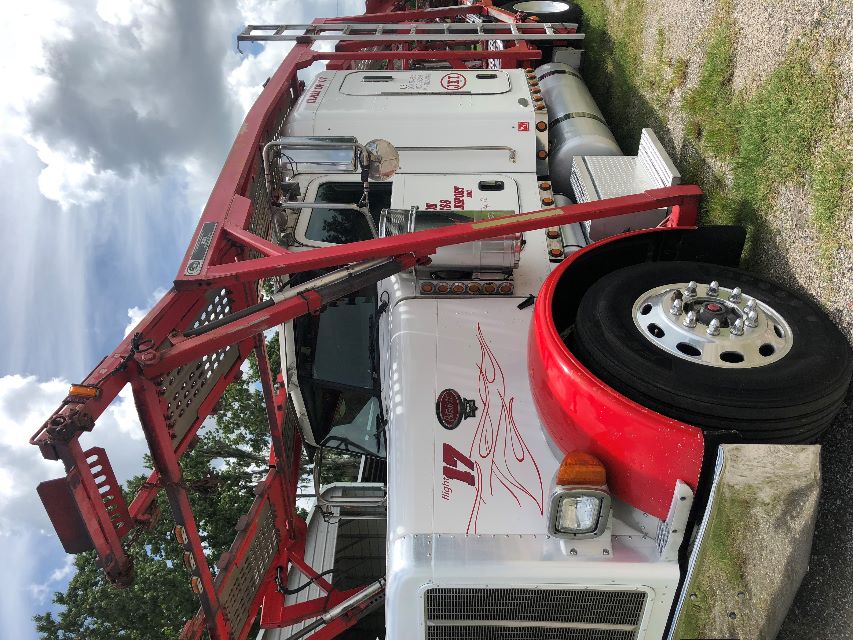
One of the first decisions is the type of freight you plan to haul. A 3-car headrack setup can fit certain regional or specialty applications, while larger high-mount and stinger-steered combinations are built for commercial volume and tighter loading efficiency. Buyers should pay close attention to trailer model, axle configuration, sliding kingpin setup, deck cylinders, ratchets, wheel straps, and ramp condition. Bent ramps, leaking hydraulics, worn pins and bushings, or damaged batwings can turn a seemingly solid unit into an expensive rebuild. On used auto carrier trucks, the trailer structure and loading equipment often tell you more about future operating cost than chrome or cab appearance.
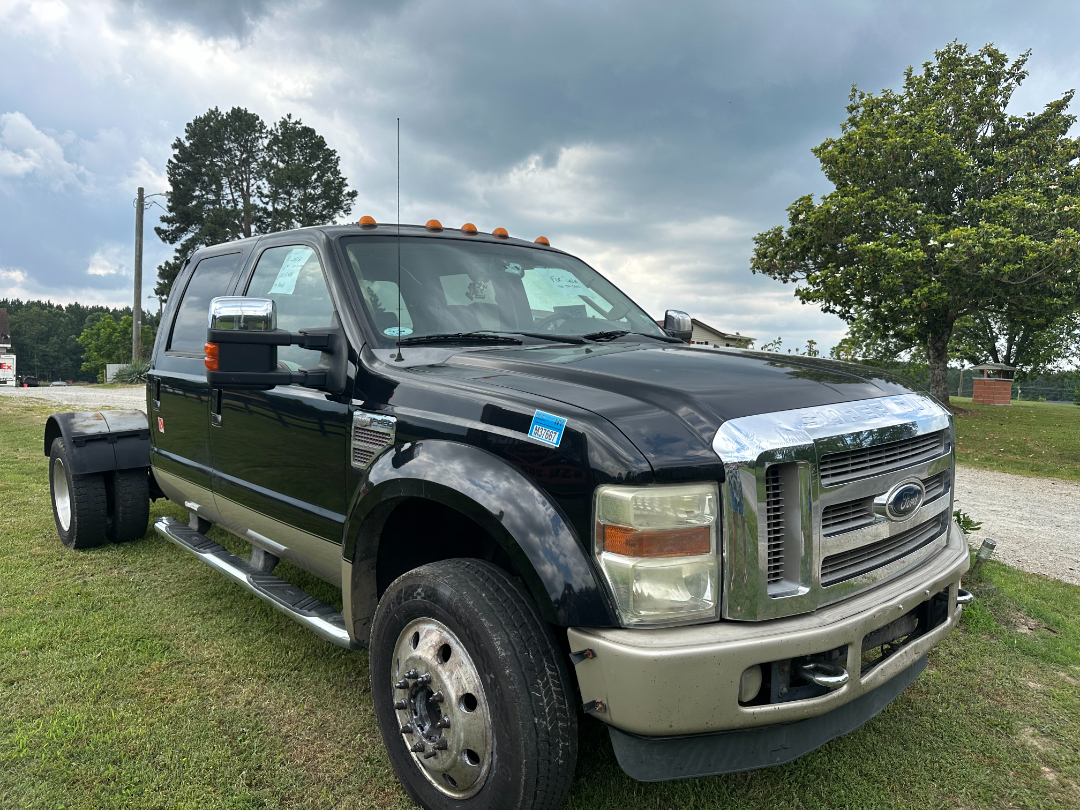
On the truck side, horsepower, transmission choice, and brake spec should match the terrain and the gross combined weight you expect to run. Many operators prefer big-bore diesel engines and manual transmissions for durability, grade control, and low-speed maneuvering during loading. Suspension condition, steer axle capacity, disc or drum brake condition, and tire wear across truck and trailer should all be inspected closely. If the truck has a sleeper, inverter, bunk heater, or larger fuel capacity, that can make a difference for long-haul vehicle transport where downtime and driver comfort directly affect productivity.
A good used auto carrier should be evaluated as a revenue tool with moving parts on every deck. Look for recent rebuild history, cylinder repacks, brake work, kingpin service, shock and airbag replacement, and evidence that lights, valves, and tie-down equipment are complete and functional. Auto carriers also need to meet practical loading demands, including low-clearance vehicles, mixed vehicle sizes, and route restrictions tied to height, bridge law, and state length rules. The best units in this category balance legal payload, loading flexibility, and serviceability, so a buyer can keep cars moving without constant shop time.
Frequently Asked Questions about Used Auto Carrier Trucks
What should I inspect first on a used auto carrier truck?
Start with the hauling equipment, not just the cab and engine. Inspect hydraulic cylinders, hoses, deck pivots, pins, bushings, ramps, ratchets, wheel straps, lights, brakes, airbags, and kingpin components. On an auto carrier, the trailer and loading system usually drive repair cost faster than the truck itself. A clean powertrain does not offset bent decks, leaking hydraulics, or incomplete securement equipment.
What is the difference between a 3-car setup and a full-size commercial auto carrier?
A 3-car setup is typically used for smaller-volume transport, regional work, or specialty loads and may be built around a headrack or smaller trailer combination. A full-size commercial auto carrier is designed for higher vehicle count, tighter stacking, and better revenue per trip, often using a stinger-steer or high-mount trailer configuration. The right choice depends on route density, vehicle mix, driver experience, and the clearance restrictions you expect to face.
Are manual transmissions common in used auto carrier trucks?
Yes. Many used auto carrier trucks are equipped with manual transmissions because car hauling involves frequent low-speed positioning, careful weight distribution, and operation in hilly terrain. Manual gearboxes are still valued by some fleets and owner-operators for control and durability. That said, the best transmission choice depends on driver preference, maintenance history, and the type of routes being run.
How important is trailer brand and model on an auto carrier?
Trailer brand and model are very important because they affect parts support, deck geometry, load flexibility, and resale value. Well-known manufacturers such as Cottrell are common in the market, and buyers often favor them because service knowledge and replacement parts are easier to source. Beyond the nameplate, buyers should verify deck function, structural condition, and whether the trailer configuration matches the vehicle types they plan to haul.
What operating issues matter most when buying a used car hauler?
Height management, legal length, axle weights, and loading flexibility are major concerns. An auto carrier must handle low cars, taller SUVs, and mixed loads without creating clearance problems or overweight axles. Buyers should also consider state route restrictions, turnaround time at dealerships or auctions, and how easily the unit can be serviced when cylinders, straps, lighting, or brake components need replacement.