
2025 Trucks For Sale in Colorado
Shop 2025 trucks in Colorado including dump trucks, day cabs, and sleepers. Compare specs, GVWR, axle ratings, engines, and drivetrains.
Learn more
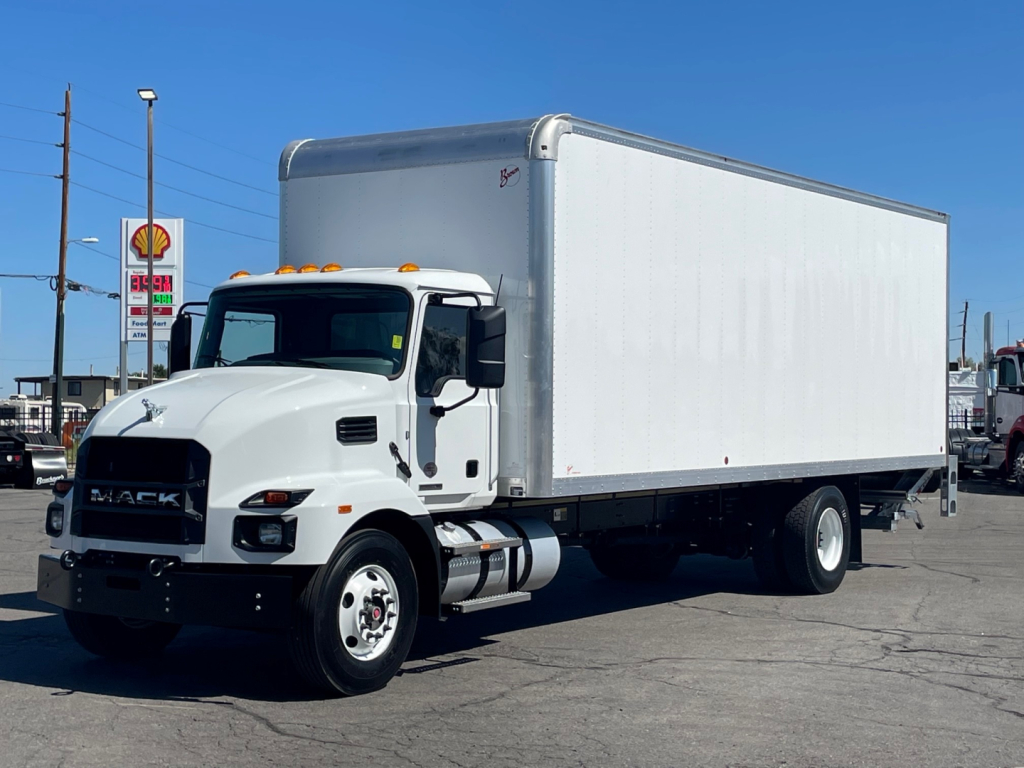
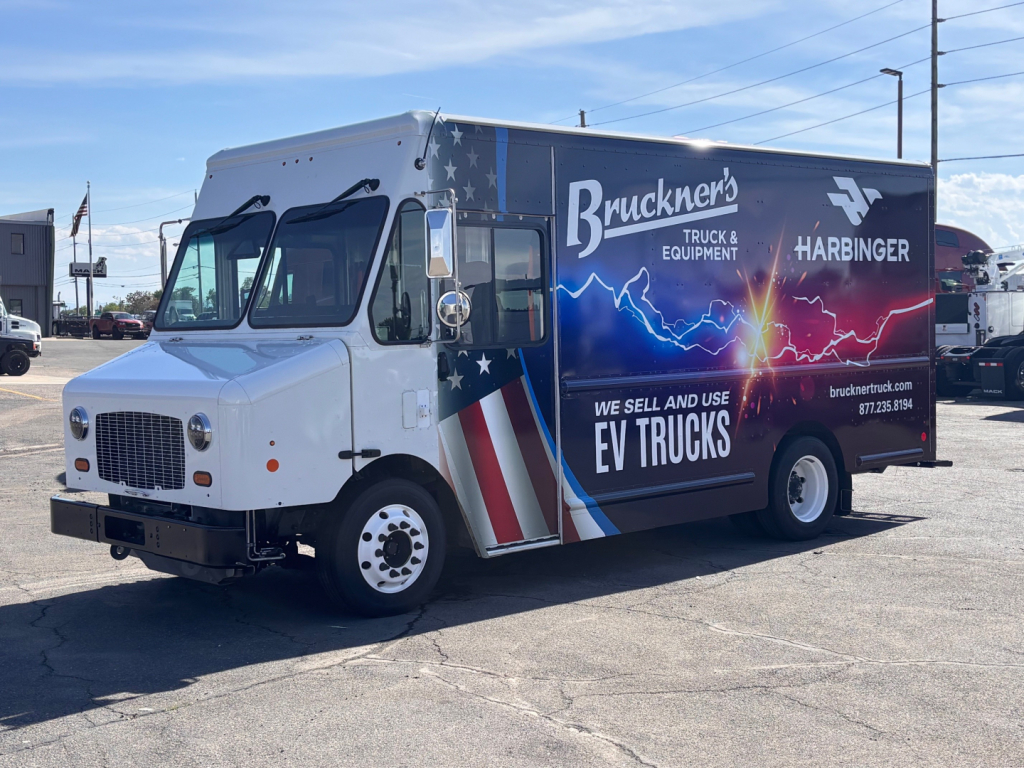
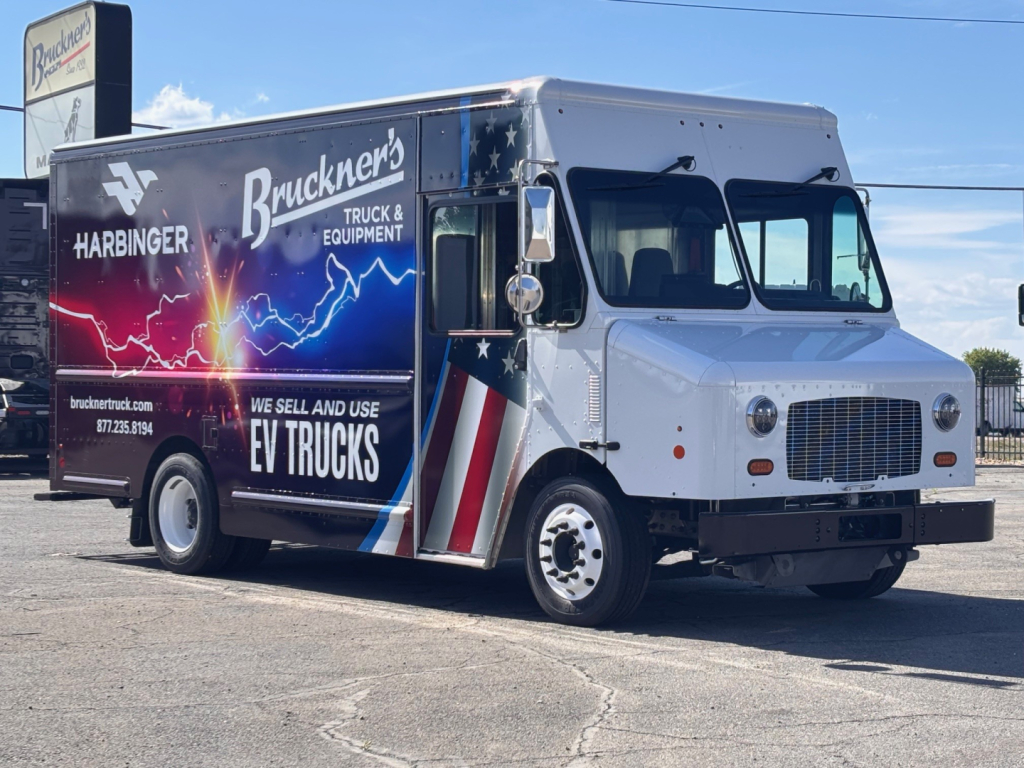
Showing 1 to 12 of 30 results
Have 2025 truck to sell? List it here to reach thousands of buyers.
About 2025 Trucks in Colorado
Colorado buyers usually pay close attention to powertrain specs because elevation changes performance. Diesel engines in the 6.7-liter range are common in medium-duty trucks, often paired with Allison automatic transmissions for stop-and-go work, PTO operation, and easier driver training. In heavy-duty tractors, 13-liter engines in the 405 to 455 horsepower range remain a common sweet spot, especially when matched to automated manual transmissions such as Mack mDrive, Volvo I-Shift, or similar 12-speed overdrive setups. Rear axle ratios like 2.64 or 3.08 can make a major difference in fuel economy, startability, and grade performance, so the right ratio depends on whether the truck will spend more time on interstate lanes or climbing loaded through higher elevations.
Body and chassis details matter just as much as engine make. On dump truck configurations, buyers should verify body length, hoist capacity, hitch setup, brake type, suspension design, and whether the truck is set up for snow and ice work, trailer towing, or material handling. On sleeper and day cab tractors, look closely at wheelbase, fuel capacity, suspension, fifth wheel type, fairings, and front axle rating. A 205-inch to 228-inch wheelbase is common on aerodynamic highway tractors, while shorter wheelbases may better suit local or regional routes with tighter maneuvering needs. Air ride suspension is typical for highway comfort and cargo protection, while multi-leaf suspension still has advantages in vocational service.
A 2025 model year truck also tends to appeal to buyers focused on emissions system life, warranty coverage, and newer safety technology. Depending on the build, that can include backup cameras, collision mitigation, lane departure warning, electronic stability systems, and improved driver interface controls. For Colorado operations, it also makes sense to review cooling capacity, cold-weather starting performance, tire spec, and brake configuration for mountain use. The strongest value usually comes from choosing a truck with a spec that fits the route, payload, and terrain rather than simply chasing the highest horsepower or newest badge.
Frequently Asked Questions
What types of 2025 trucks are common in Colorado?
The 2025 truck market in Colorado typically includes medium-duty vocational trucks such as dump trucks, along with heavy-duty day cabs and sleeper tractors. Dump trucks are often used for construction, municipal service, aggregate, and landscape supply work. Day cabs are common for local and regional freight, while sleeper trucks are better suited for over-the-road and multi-state operation. The right category depends on body style, axle setup, GVWR, and how the truck will be used across local routes, mountain grades, or interstate lanes.
What engine and transmission specs make sense for Colorado operation?
Colorado terrain rewards a well-matched powertrain more than a headline horsepower number. Medium-duty trucks often use engines around 260 hp with Allison automatic transmissions because they handle stop-and-go work, PTO applications, and urban driving well. Heavy-duty tractors commonly use 13-liter engines in the 400 to 450 hp range with automated manual transmissions such as 12-speed overdrive units. Buyers should also evaluate rear axle ratio, engine brake performance, and cooling package capacity because altitude, grades, and winter conditions can change how a truck performs under load.
How do I choose between a day cab and a sleeper truck?
A day cab is usually the better fit for local hauling, dedicated regional lanes, and operations where drivers return home daily. It offers lower empty weight, simpler packaging, and often easier maneuverability. A sleeper truck adds driver accommodations for overnight or long-haul work and is more practical when routes involve extended time on the road. The decision should be based on dispatch pattern, payload sensitivity, wheelbase requirements, and whether the operation needs long-range fuel capacity and cab storage.
What should I check on a 2025 dump truck?
On a 2025 dump truck, focus on the chassis and body as a complete package. Key items include GVWR, front and rear axle ratings, suspension type, body length, hoist design, brake system, hitch equipment, and tire spec. It is also important to confirm whether the truck is configured for snowplow use, trailer towing, or PTO-driven accessories. In Colorado, buyers often pay extra attention to gearing, traction, and brake setup because steep grades, unpaved job sites, and winter conditions place more demand on a vocational truck than flat-ground operation.
Why does rear axle ratio matter on 2025 trucks?
Rear axle ratio affects fuel economy, cruise rpm, launch feel, and gradeability. Lower numerical ratios such as 2.64 are common on aerodynamic highway tractors built for fuel-efficient interstate service. Ratios like 3.08 or deeper can provide stronger pulling performance and better response in hilly terrain or heavier vocational use. The best ratio depends on engine torque, transmission gearing, tire size, gross combination weight, and how often the truck runs loaded in mountain conditions versus flatter highway routes.