
2024 Commercial Trucks For Sale in Oklahoma
Browse 2024 trucks for sale in Oklahoma, including highway and vocational models with specs that fit regional freight, construction, and delivery work.
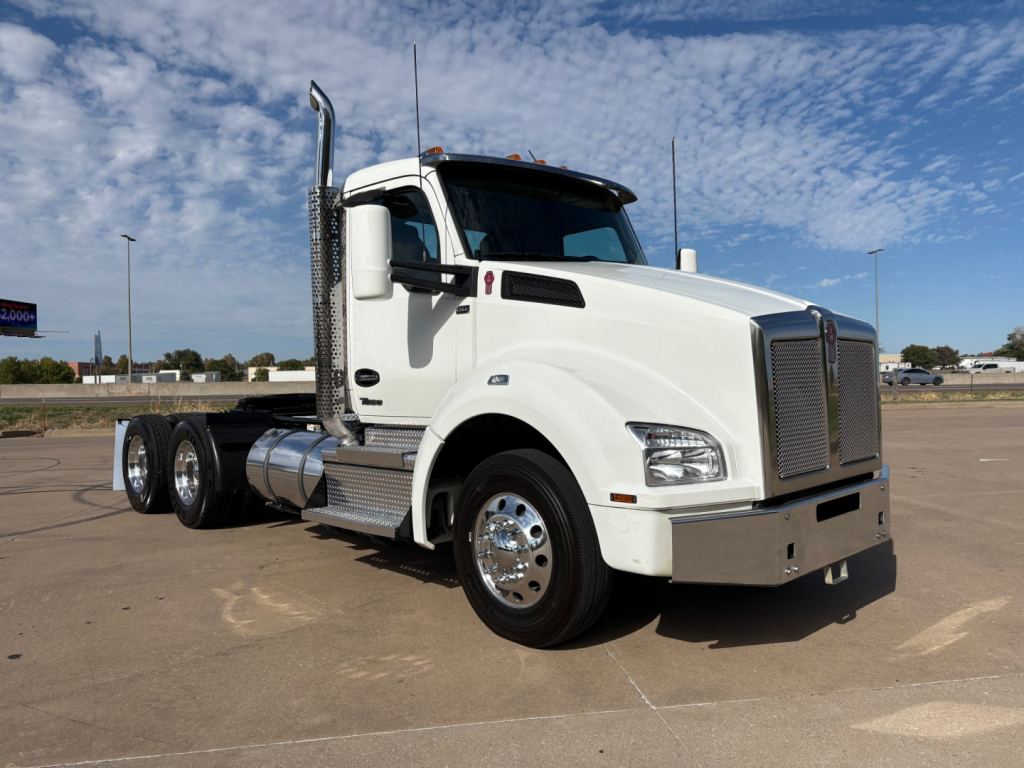
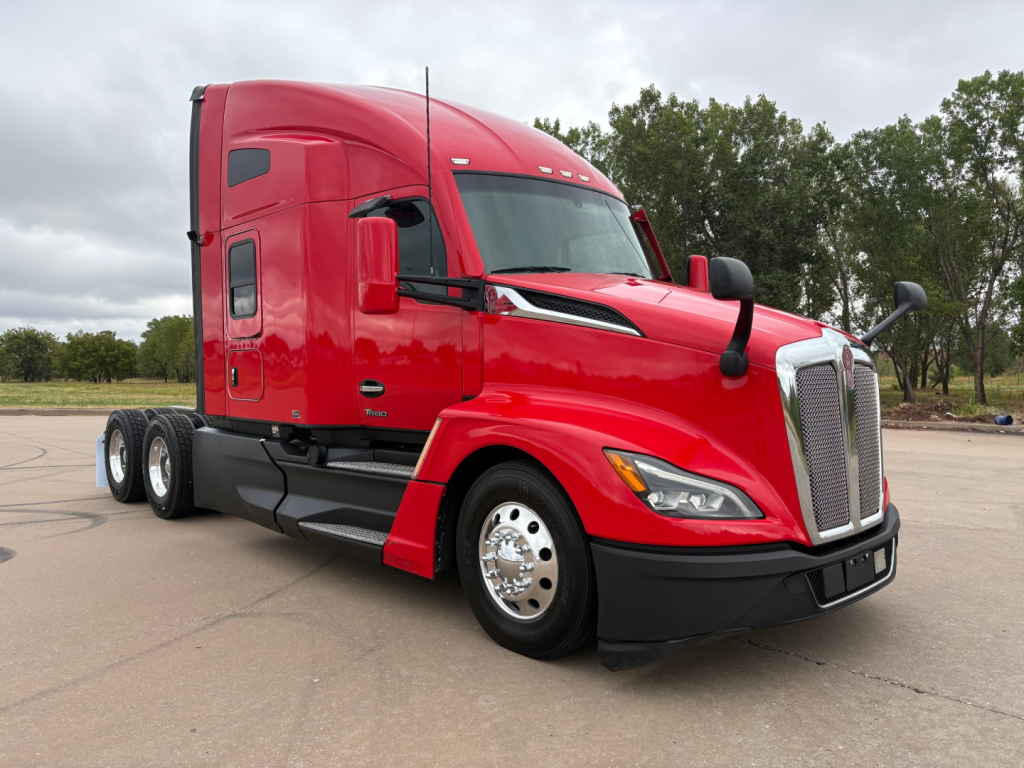
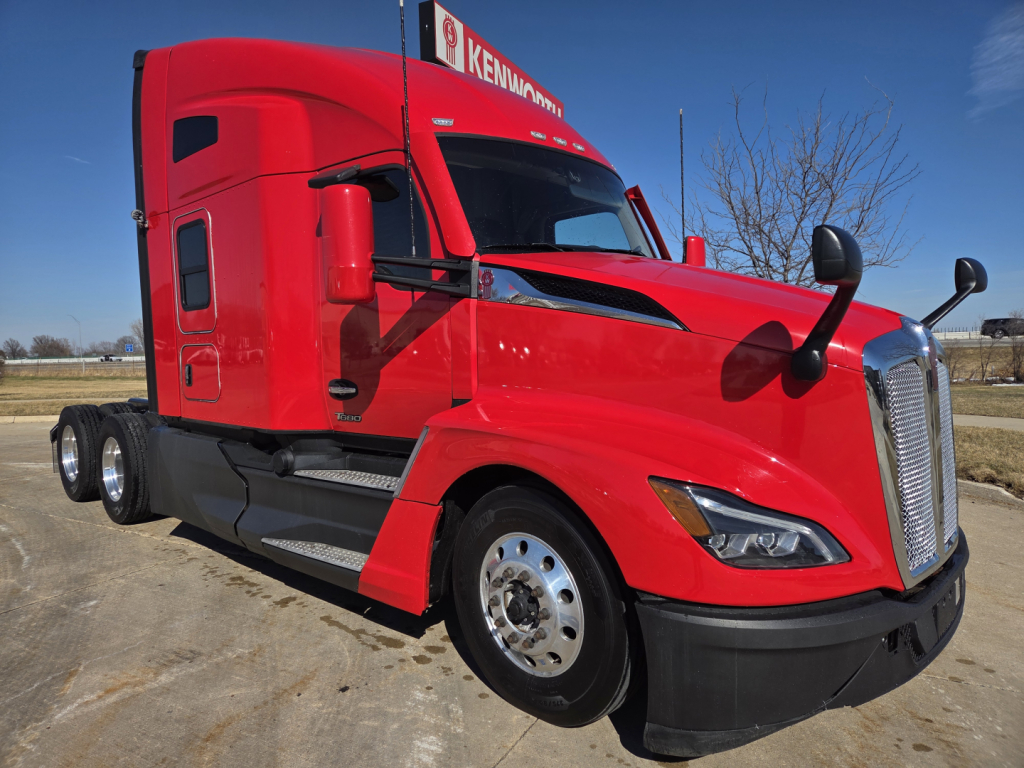
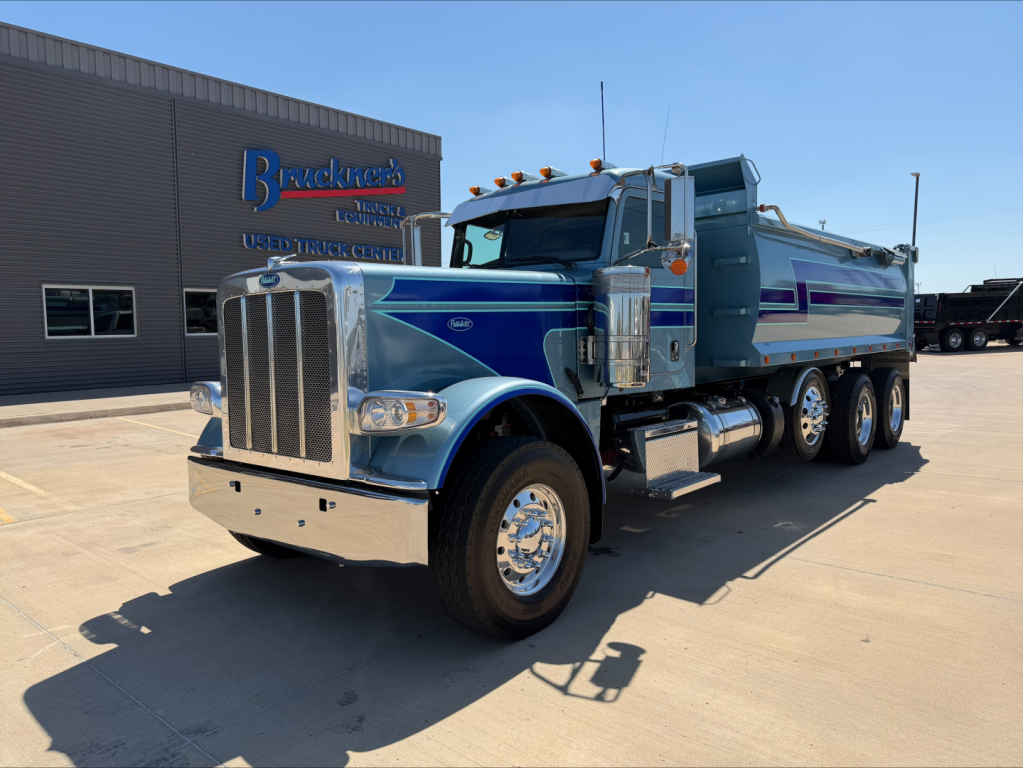

Selling a 2024 commercial truck? List your 2024 commercial truck for sale and reach thousands of commercial buyers.
2024 Commercial Trucks in Oklahoma
For over-the-road and regional buyers, common 2024 tractor specs include 13,000 to 12,000 lb front axles, 40,000 lb tandem rears, air ride suspension, automated manual transmissions, and diesel engines in the 400 to 515 horsepower range. Popular configurations include 4x2 and 6x4 setups, mid-roof and high-roof sleepers, and fuel capacity sized for long turns across Oklahoma, Texas, Kansas, and the wider Plains. Buyers should compare wheelbase, sleeper length, rear axle ratio, and engine torque curve as closely as brand and model. A truck with the right gearing and transmission calibration will do more for operating cost than a long options list. Features like collision mitigation, adaptive cruise, lane support, disc brakes, and telematics are increasingly common on 2024 models and can materially affect driver acceptance, insurance, and uptime planning.
Vocational 2024 trucks in Oklahoma are often spec'd around durability and body integration rather than pure highway efficiency. Dump trucks, box trucks, service trucks, and platform chassis may be built with heavier front axles, higher GVWRs, PTO provisions, double-frame sections, and shorter wheelbases for tighter sites and better body packaging. For dump applications, buyers should pay attention to frame rating, suspension type, axle spread, body length, hoist spec, and tire package. For box and delivery trucks, the important details are cab-to-axle dimension, door configuration, body height, liftgate compatibility, and whether the engine and transmission are matched for stop-and-go duty. In this year range, newer driver-assist systems and cleaner interior layouts are also a factor for fleets trying to reduce training time and improve retention.
Condition still matters on a 2024 truck, especially when comparing lightly used units with new ones. Review engine make and rating, transmission model, emissions warranty status, brake type, tire remaining, and any body or upfit details that affect turnaround time. A highway tractor with the correct sleeper, fuel capacity, and rear ratio will be a better buy than a newer truck with the wrong mission profile. The same goes for vocational equipment. A 2024 truck should be evaluated by how well its axle ratings, frame, cab configuration, and technology package fit the route, payload, and maintenance plan it will actually see in Oklahoma service.
Frequently Asked Questions about 2024 Commercial Trucks in Oklahoma
What should I look for first when buying a 2024 truck in Oklahoma?
Start with the job the truck will perform, then match the core chassis specs to that application. For highway use, focus on sleeper size, horsepower, torque, rear axle ratio, transmission type, fuel capacity, and wheelbase. For vocational work, prioritize GVWR, front and rear axle ratings, frame strength, PTO capability, suspension, and body compatibility. Oklahoma operators often run a mix of interstate miles, rural roads, and jobsite access, so a truck that is correctly spec'd for terrain and payload is usually more valuable than one with extra cosmetic options.
Are 2024 trucks typically equipped with automated transmissions?
Many 2024 trucks, especially highway tractors, are equipped with automated manual transmissions because they improve shift consistency, reduce driver fatigue, and help protect the driveline. They are now common in linehaul, regional haul, and many vocational applications. Manual transmissions still exist in some specialty or vocational specs, but buyers comparing 2024 models should expect to see a strong presence of automated options such as 12-speed overdrive and direct-drive configurations.
How important is axle ratio on a 2024 truck?
Axle ratio is one of the most important spec points because it directly affects startability, cruise RPM, grade performance, and fuel economy. A lower numerical ratio such as 2.47 or 2.64 is often chosen for highway fuel efficiency, while a deeper ratio may be better for heavier loads, frequent stops, or vocational service. The right ratio depends on tire size, engine torque, transmission gearing, average gross weight, and terrain. Buyers should evaluate axle ratio as part of the full driveline package, not as a standalone number.
What newer technology is common on 2024 trucks?
Many 2024 trucks include a stronger mix of safety and connectivity features than older equipment. Common examples include adaptive cruise control, collision mitigation, lane departure support, blind spot monitoring, electronic stability systems, integrated telematics, and remote diagnostic capability. These features can improve driver acceptance, support fleet maintenance planning, and in some cases help with insurance and compliance management. Their real value depends on how the truck will be operated and whether the fleet is set up to use the data.
Is a 2024 vocational truck different from a 2024 highway tractor in more than just the body style?
Yes. The difference is much deeper than body type. A vocational truck is usually built around heavier-duty frame rails, axle capacities, suspension components, PTO integration, and wheelbase dimensions that support specific work such as dumping, hauling aggregate, utility service, or local delivery. A highway tractor is generally optimized for aerodynamics, ride quality, sleeper comfort, and fuel efficiency over long distances. Buyers should compare the underlying chassis design and ratings, not just the cab appearance or installed body.