
2019 Trucks For Sale in Texas
Shop 2019 trucks for sale in Texas. Compare day cabs, sleepers, engines, wheelbases, axle ratings, and spec choices for regional or OTR use.
Learn more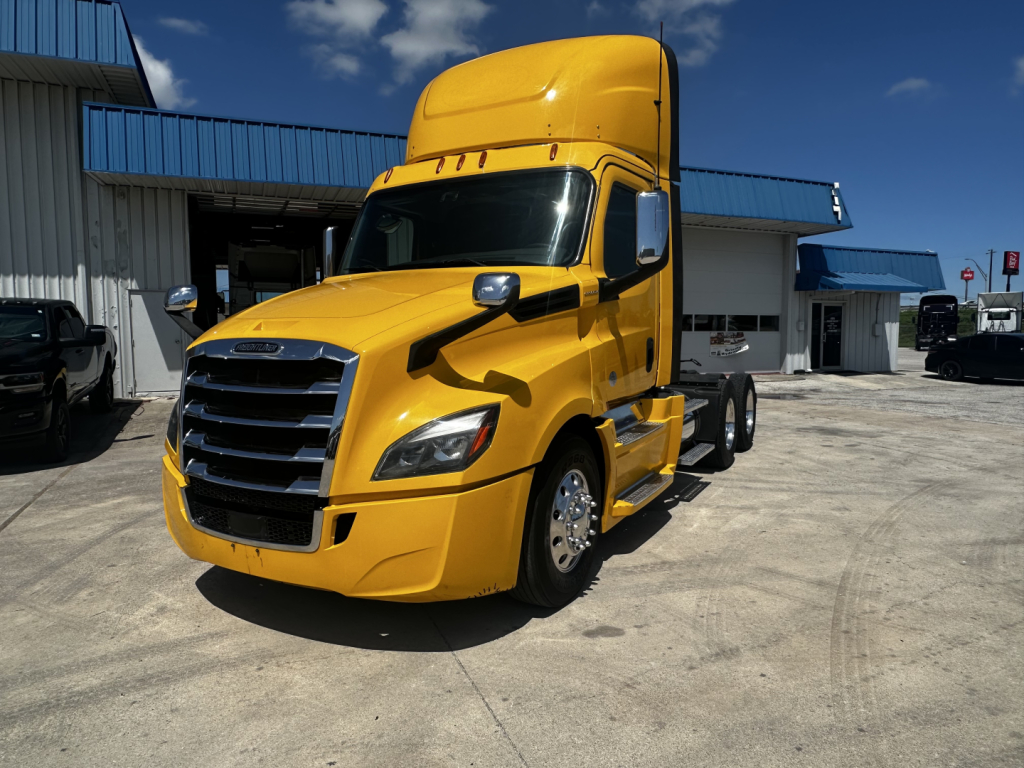
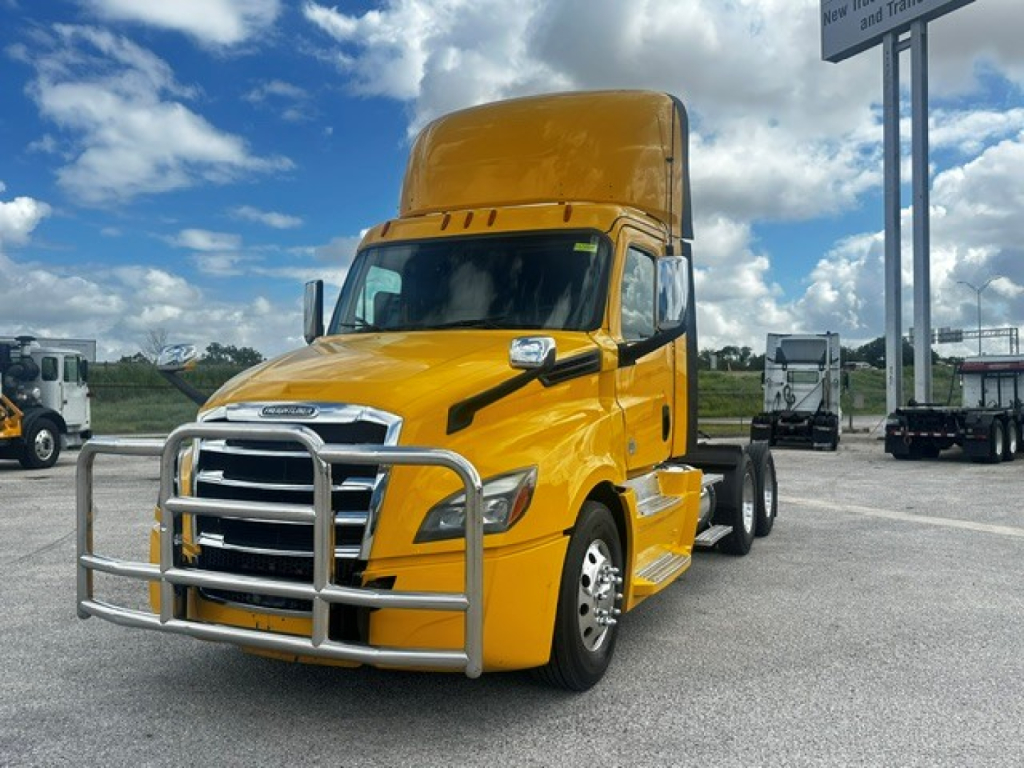

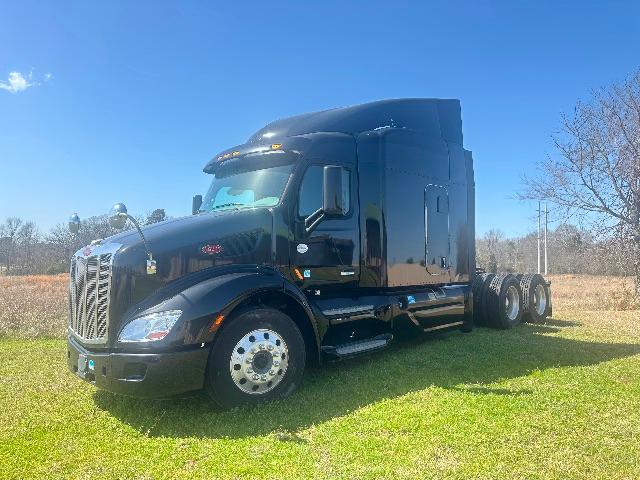
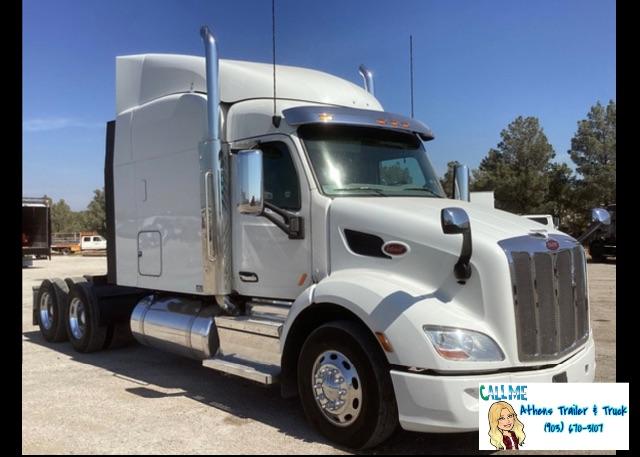
Showing 25 to 29 of 29 results
Have 2019 truck to sell? List it here to reach thousands of buyers.
About 2019 Trucks in Texas
On 2019 trucks, you will commonly see tandem axle setups with front axle ratings around 12,000 to 13,200 pounds and rears at 38,000 to 40,000 pounds. Horsepower is often in the 400 to 500 plus range depending on application, with popular engines including the Detroit DD15, Cummins X15, Volvo D13, PACCAR MX-13, and Mack MP series. Automated manual transmissions are very common in this year range, including DT12, I-Shift, and mDRIVE, although some buyers still target manual 10-speed or 13-speed specs for specialized work. Rear ratios such as 2.64, 2.85, and 3.08 are typical on highway tractors, and they matter. A taller ratio can improve fuel mileage on open interstate runs, while a deeper ratio may fit heavier vocational or mixed-route work better.
Texas buyers should pay close attention to cooling system condition, aftertreatment service history, and idle hours, especially on sleeper trucks that may have spent time in hot-weather freight cycles. Wheelbase is another major decision. A shorter wheelbase day cab is easier to place in urban docks, LTL yards, and local shuttle work, while a 230-inch plus wheelbase sleeper is more typical for over-the-road service with larger fuel capacity and better ride quality. If the truck has an adjustable fifth wheel, full fairing package, air ride suspension, and matching tire sizes, that usually points to a fleet highway spec. Buyers hauling dense freight or running Texas-to-West Coast lanes may also want to compare fuel tank capacity, engine brake performance, and sleeper size, commonly ranging from mid-roof to 72-inch raised-roof layouts.
The best 2019 truck is the one with a spec that matches the freight, not just the badge on the hood. For a regional fleet, a day cab with a 12-speed automated transmission and 3.08 ratio may be the practical choice. For long-haul use, a sleeper with a 450 to 505 horsepower engine, air slide fifth wheel, and aerodynamic package is more in line with the job. Review maintenance records closely for emissions components, transmission calibration history, suspension wear, and tire pattern consistency. On a 2019 model, those details usually tell you more about remaining service life than mileage alone.
Frequently Asked Questions
What should I look for first when buying a 2019 truck in Texas?
Start with the truck's intended application, then confirm the core spec matches it. Cab style, wheelbase, axle ratings, engine, transmission, and rear ratio should line up with the freight and route profile. In Texas, heat and long highway runs make cooling system condition, A/C performance, aftertreatment history, and tire condition especially important. Service records for DPF cleaning, DEF system repairs, transmission work, and regular PM intervals are often more valuable than the odometer by itself.
Is a 2019 day cab or sleeper better for most buyers?
A 2019 day cab is usually the better fit for local delivery, port work, terminal-to-terminal moves, and regional freight where overnight accommodations are not needed. A 2019 sleeper is better suited for over-the-road operation, multi-day runs, and fleets that need larger fuel capacity and improved driver comfort. The right choice comes down to route length, customer dwell time, and how much maneuverability you need in tight yards or city docks.
Are automated transmissions common on 2019 trucks?
Yes. Automated manual transmissions are standard on many 2019 highway trucks, especially fleet-spec units. Systems such as Detroit DT12, Volvo I-Shift, Mack mDRIVE, and PACCAR automated transmissions are widely used because they help with fuel economy, driver onboarding, and consistency across a fleet. Buyers should still confirm clutch actuator service history, calibration records, and overall driveline behavior during a road test.
What engine and horsepower range is typical for a 2019 truck?
Most 2019 highway tractors fall in the 400 to 500 horsepower range, with 455 horsepower being a very common sweet spot for general freight. Popular engines include the Detroit DD15, Cummins X15, Volvo D13, PACCAR MX-13, and Mack MP8 or MP13 depending on the chassis. The right horsepower depends on gross weight, terrain, cruise speed expectations, and whether the truck will spend most of its time in regional service or long-haul operation.
How important is rear axle ratio on a 2019 truck?
Rear axle ratio is one of the most important spec items because it affects launch feel, cruising RPM, fuel economy, and gradeability. Ratios like 2.64 or 2.85 are common on fuel-conscious highway setups, while 3.08 or deeper may be preferred for heavier loads, mixed terrain, or more stop-and-go operation. A truck can look right on paper but still be a poor fit if the rear ratio does not match the transmission gearing and the intended route.