
2018 Trucks For Sale in North Carolina
Shop 2018 used trucks in North Carolina, including day cabs, vocational and specialty units with specs that fit regional freight and jobsite work.
Learn more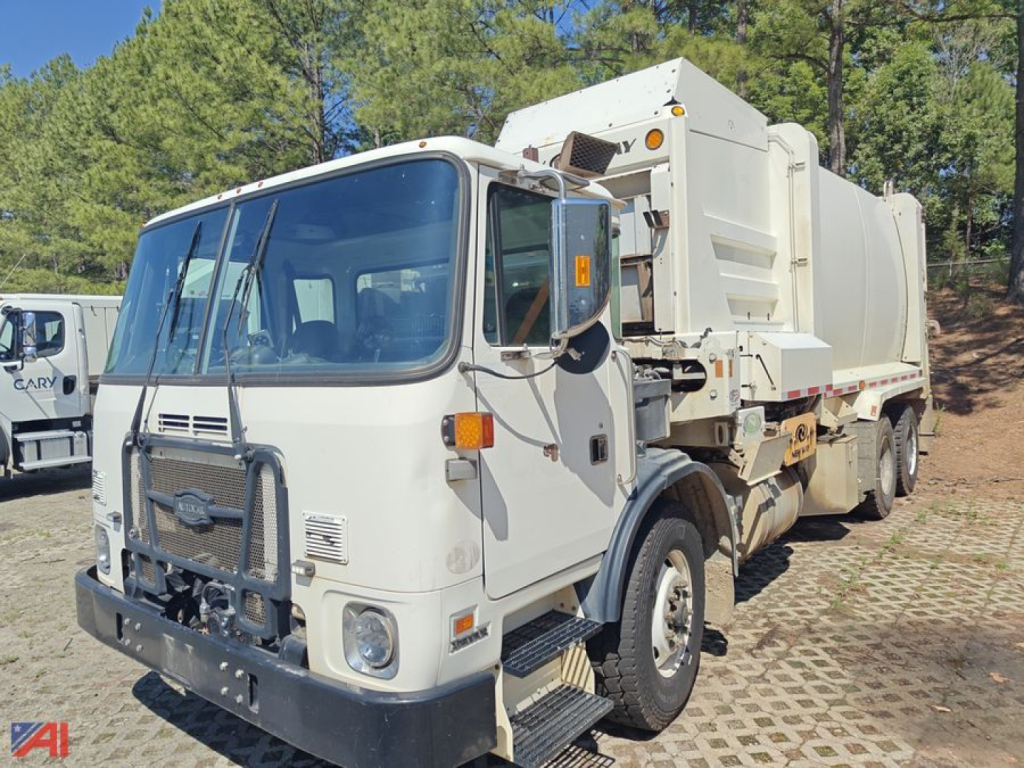
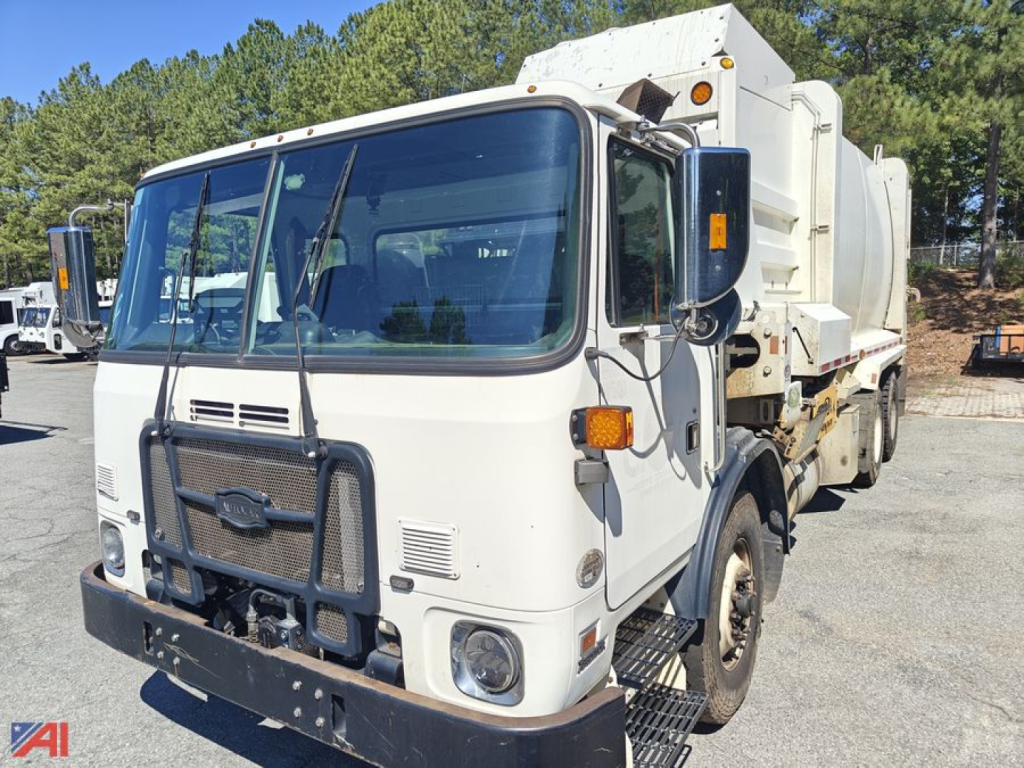
2018 Autocar Xpeditor Packer Truck

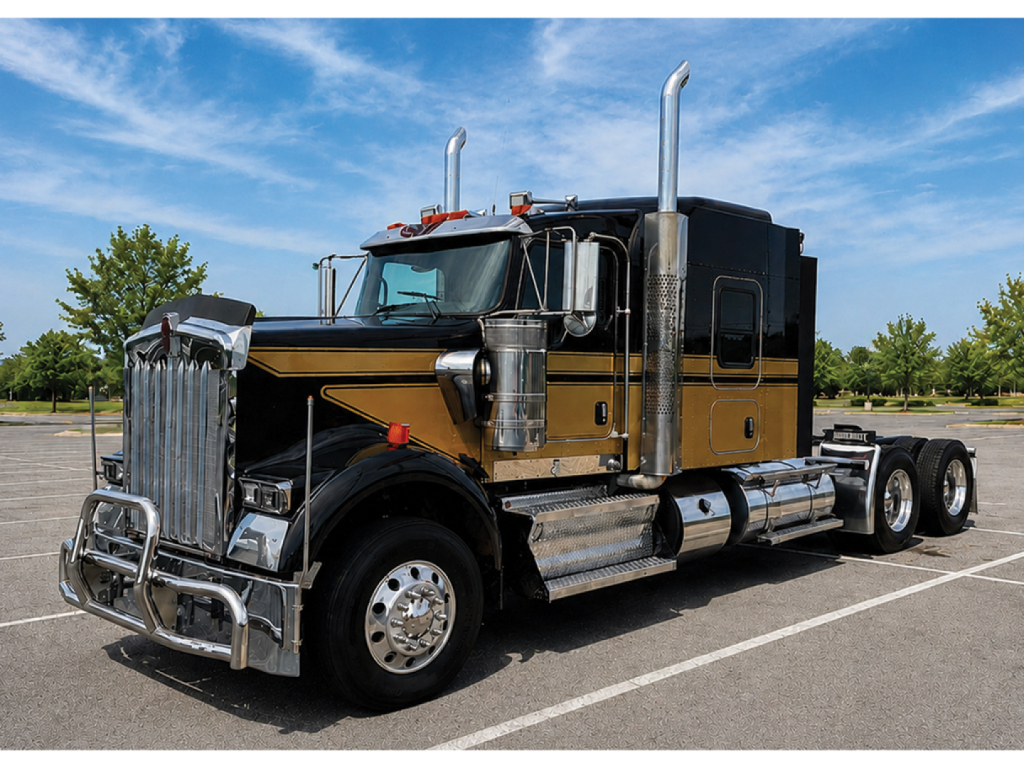
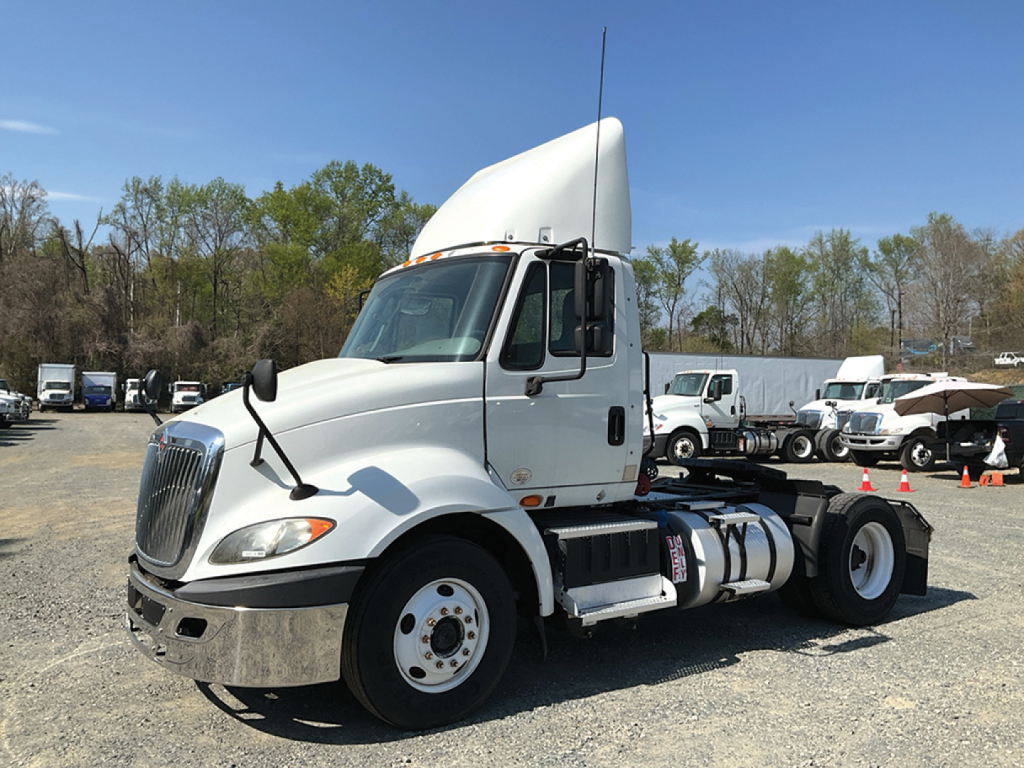
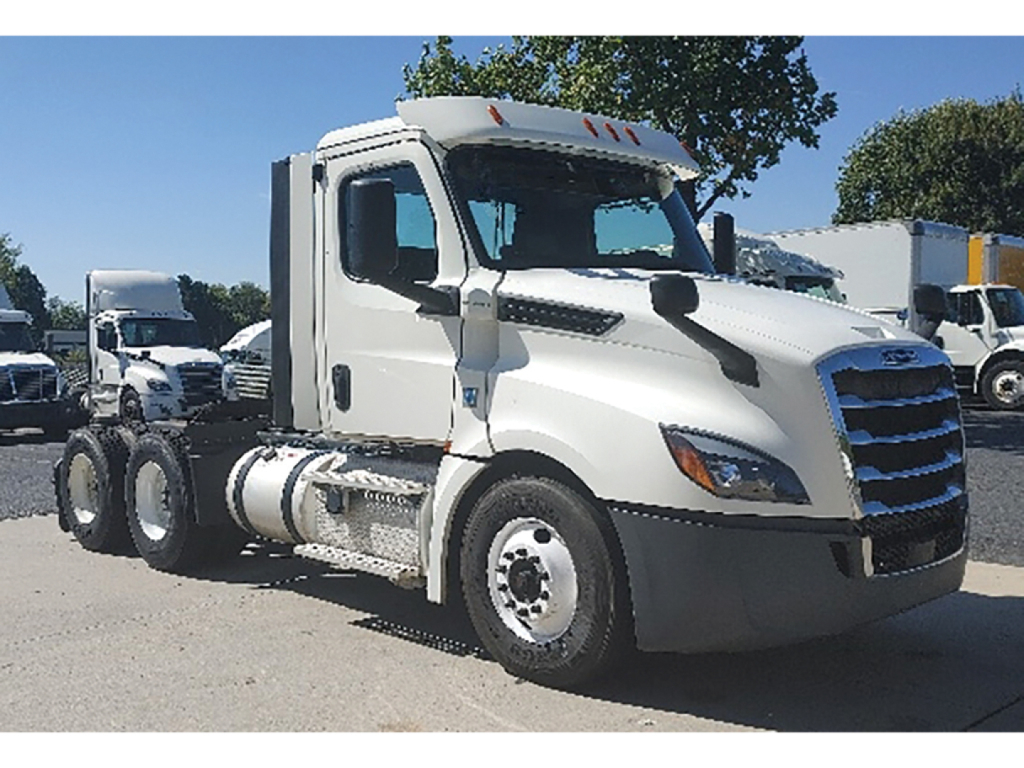
Showing 1 to 12 of 16 results
Have 2018 truck to sell? List it here to reach thousands of buyers.
About 2018 Trucks in North Carolina
The first buying decision is application, because a 2018 truck can mean very different specs depending on the job. For regional and local freight, a day cab tractor usually centers around wheelbase, rear axle rating, fifth wheel setup, transmission type, and horsepower in the 350 to 505 HP range. Common engines in this age group include Detroit DD13 and DD15, Cummins X15 and L9, PACCAR MX series, and Mack MP engines. Automated manuals such as the DT12 are common in fleet-spec tractors, while Allison automatics and manual transmissions still show up often in vocational trucks. Buyers comparing North Carolina units should pay close attention to axle configuration, ratio, suspension type, PTO provisions, and brake spec, because those details determine whether the truck is right for dump work, tanker service, municipal use, container hauling, or general regional freight.
For a 2018 used truck, condition matters as much as the badge on the hood. Review engine hours along with miles, especially on vocational trucks that spend time idling or powering auxiliary equipment. Check aftertreatment service history, including DPF cleaning intervals, DEF system repairs, sensors, and any SCR-related fault history. On vocational models, inspect body mounting points, hoists, pumps, wet kits, frame condition, steering components, and signs of rust around crossmembers or tool circuits. On road tractors, look at clutch life on manuals, calibration and shift quality on automated transmissions, kingpin and fifth wheel wear, air ride condition, and tire wear patterns that can point to alignment or suspension issues. A 2018 truck can still deliver strong service life if the maintenance record is clean and the original spec matches the intended route and payload.
North Carolina buyers often balance highway efficiency with regional durability, so it helps to think through terrain, stop-and-go frequency, and permit or bridge considerations before narrowing down listings. Higher horsepower and deeper ratios may make sense in heavy haul, aggregate, or mountain routes, while a lighter single-axle day cab with an efficient automated transmission may be the better fit for short regional turns. Cab comfort features, visibility, power take-off capability, steer axle capacity, and wheelbase all affect daily productivity. If the truck will work in construction, municipal, or utility service, confirm body compatibility and front axle set-back or set-forward configuration. If it will stay in freight service, focus on drivetrain spec, fuel capacity, and maintenance trend lines. The right 2018 truck is the one whose chassis, axle ratings, and service history line up with the work, not just the one with the lowest price.
Frequently Asked Questions
What should I look for first when buying a 2018 used truck?
Start with the truck’s intended application and the original chassis spec. A 2018 day cab for regional freight should be evaluated differently than a 2018 dump or vacuum truck. Key items include axle ratings, wheelbase, engine horsepower, transmission type, PTO capability, suspension, brake spec, and body compatibility. Once the spec matches the job, review miles, engine hours, maintenance records, aftertreatment history, and signs of frame or suspension wear.
Are 2018 trucks a good balance between price and modern features?
For many buyers, yes. A 2018 truck often offers a lower acquisition cost than newer models while still providing modern powertrains, automated manual transmission options, improved cabs, and current emissions systems. That makes the model year attractive for fleets and owner-operators who want a later-model truck without stepping into top-of-market pricing. The value depends on maintenance history, duty cycle, and whether the original spec fits the work.
Which engine and transmission combinations are common in 2018 trucks?
Common 2018 truck powertrains include Detroit DD13 and DD15 engines, Cummins X15 and L9 engines, PACCAR MX engines, and Mack MP series diesels. On-highway tractors often use automated manuals such as the DT12 or Eaton Endurant, while vocational trucks frequently use Allison automatics or traditional manuals depending on the body and operating environment. The best combination depends on payload, terrain, driver preference, and PTO or vocational requirements.
What maintenance concerns are most important on a 2018 diesel truck?
The most important concerns are emissions-system service history, engine hours, cooling system condition, and transmission performance. On a 2018 diesel, buyers should verify DPF service intervals, DEF and SCR repairs, sensor replacement history, and any repeated fault codes. Also inspect for oil or coolant leaks, check steering and suspension wear, and review tire patterns for alignment issues. On vocational trucks, hydraulic systems, pumps, hoists, and frame integrity are just as important as the engine.
Does a North Carolina truck need any special buying considerations?
Yes. North Carolina trucks can come from regional freight, port drayage, municipal fleets, utility work, or construction service, so usage history matters. Coastal and municipal units may show more corrosion exposure, while mountain or heavy vocational service can mean increased drivetrain and brake wear. Buyers should also match the truck to local operating conditions, including stop-and-go routes, steep grades, legal weight needs, and body or PTO requirements tied to the intended work.