
2018 Conventional Sleeper Trucks For Sale in North Carolina
Browse 2018 conventional sleeper trucks with common long-haul specs, sleeper sizes, drivetrain options, and buyer tips for North Carolina fleets.
Learn more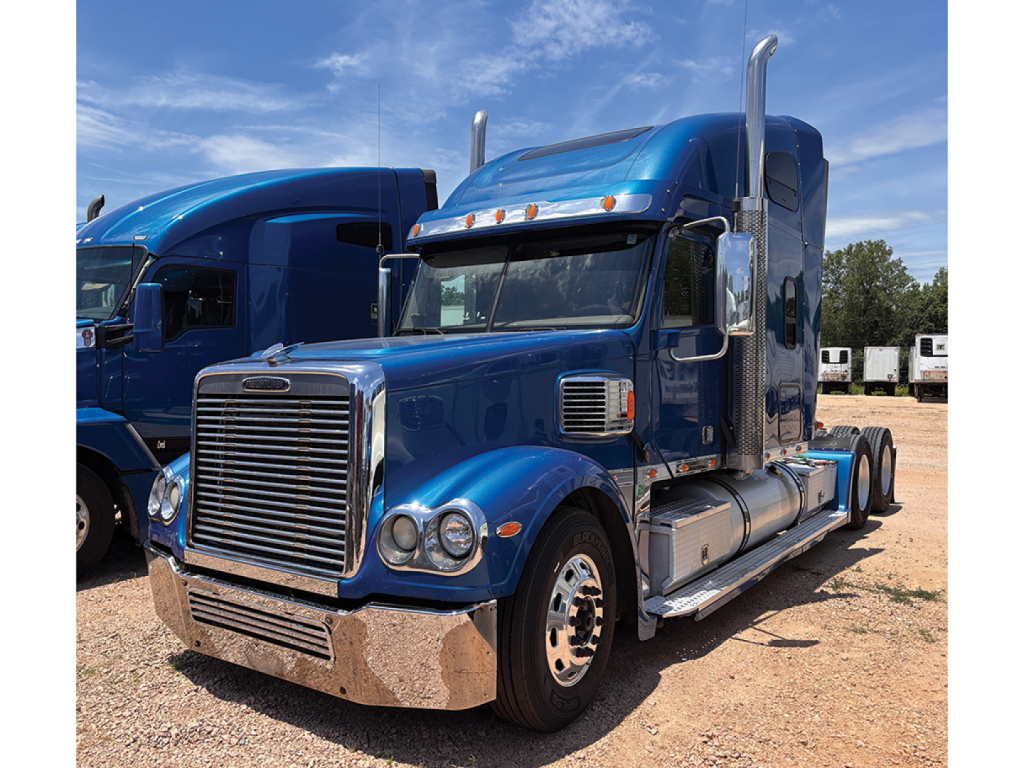
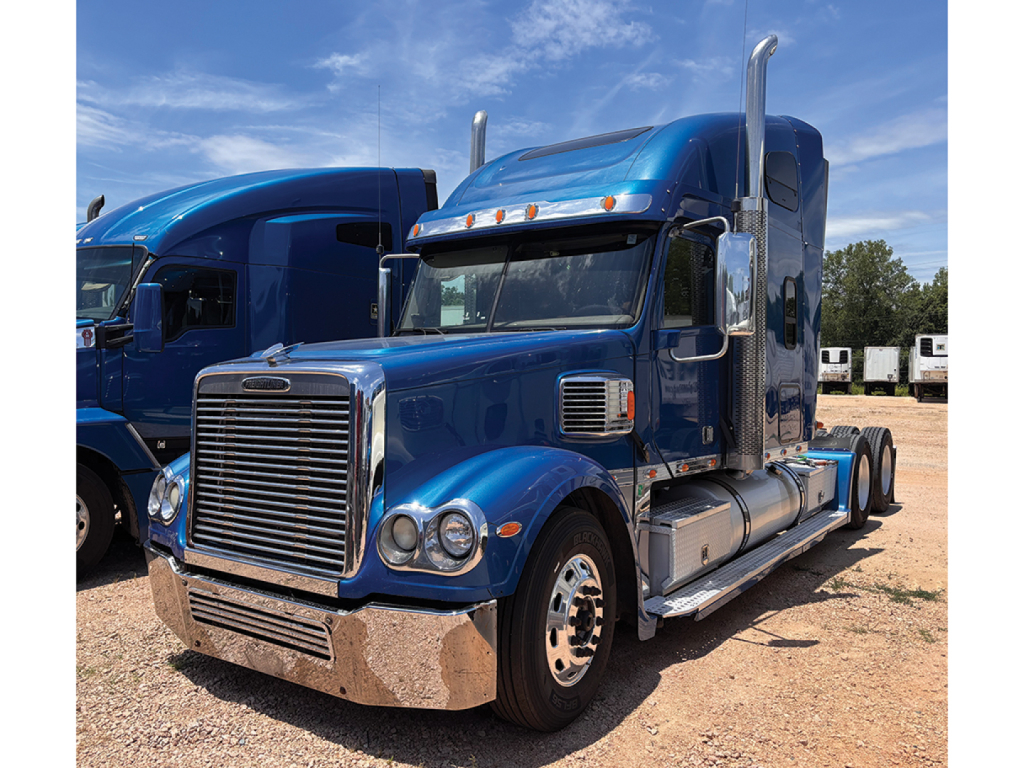

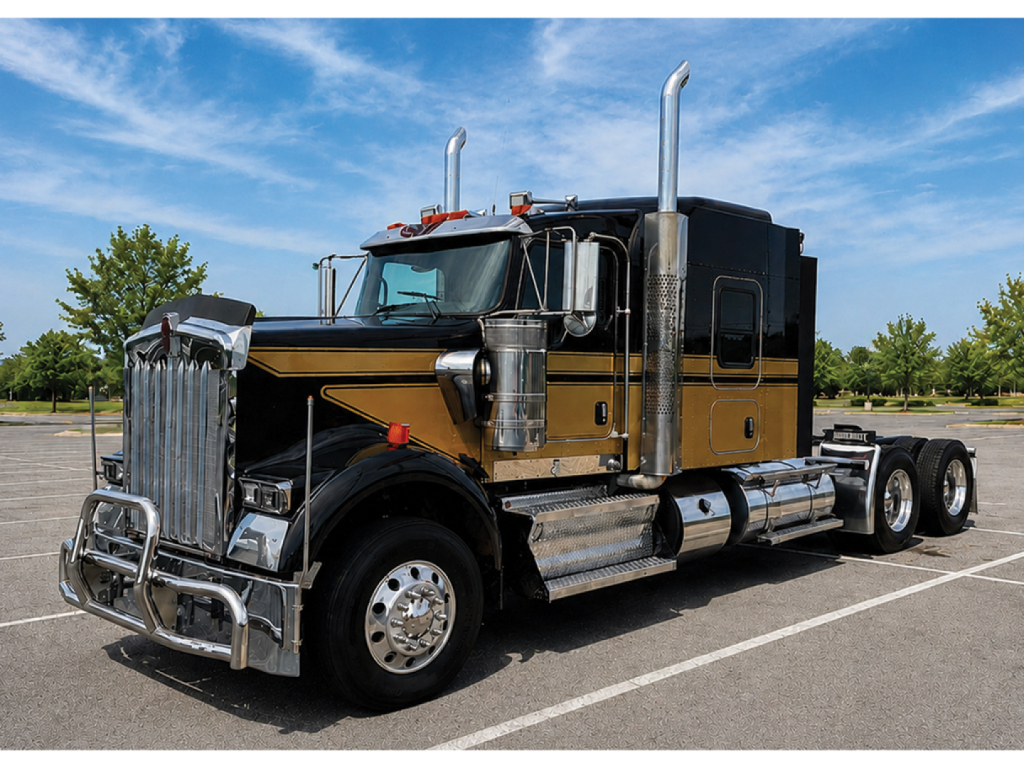
Have 2018 conventional sleeper truck to sell? List it here to reach thousands of buyers.
About 2018 Conventional Sleeper Trucks in North Carolina
Powertrain choice is usually the first big decision. A 2018 conventional sleeper may be equipped with engines such as the PACCAR MX-13, Detroit DD13 or DD15, Cummins X15, Mack MP8, or similar 13-liter to 15-liter platforms, typically rated from the low 400s up to around 500 horsepower. Transmissions in this year range often include automated manuals alongside 10-speed, 13-speed, and 18-speed manuals, depending on whether the truck was ordered for fuel economy, general van freight, heavy haul support, or vocational crossover work. Rear axle ratios like 2.64, 2.79, 3.08, or 3.55 change how the truck performs at highway speed and under load, so buyers should match gearing to their freight and terrain instead of looking at horsepower alone. Wheelbase, fifth wheel travel, engine brake spec, and suspension type also tell you a lot about whether a truck was built for dry van, reefer, flatbed, tanker, or a wet kit application.
Sleeper layout and chassis spec deserve as much attention as the engine badge. A 62-inch sleeper may suit short hotel runs or regional overnight work, while a 70-inch to 76-inch stand-up sleeper is better for teams or longer dispatch cycles. Dual fuel tanks, fairings, cab extenders, and low-profile tires usually point toward a fuel-conscious highway tractor, while features such as dual stacks, stainless trim, larger wheelbase, PTO, or a hydraulic wetline kit may indicate a truck set up for specialized trailer work. Buyers should also review front axle and rear axle ratings, especially on trucks with 40,000 lb rears, and confirm tire size, wheel material, brake type, and any air slide fifth wheel setup. Interior condition matters too, because seat wear, bunk usage, HVAC performance, and dash electronics can say a lot about how the truck was operated.
On a used 2018 sleeper, the best value usually comes from matching the truck’s original spec to your intended lane. An aerodynamic 6x4 tractor with an automated transmission and tall gearing is typically the right fit for van and reefer freight, while a long-wheelbase manual truck with deeper gearing may be better suited for heavier loads or specialty trailers. Service history is critical on emissions components, clutch and transmission calibration, aftertreatment performance, suspension wear, and steer axle tire wear. If the truck will run hard across the Southeast, pay close attention to cooling system condition, bunk HVAC operation, and the availability of dealer support for the engine and transmission brand. A well-spec'd 2018 conventional sleeper can still be a productive long-haul tractor when the drivetrain, sleeper size, and axle configuration are aligned with the job.
Frequently Asked Questions
What should I look for first on a 2018 conventional sleeper truck?
Start with the powertrain and chassis spec, because those determine how well the truck will match your freight. Engine make, horsepower, transmission type, rear axle ratio, wheelbase, and suspension setup matter more than appearance. After that, review sleeper size, fifth wheel configuration, fuel capacity, and service records for emissions and driveline work. A truck spec'd for fuel-efficient van freight can be very different from one built for flatbed, tanker, or wet kit use.
Are 2018 conventional sleeper trucks good for long-haul freight?
Yes, many 2018 conventional sleeper trucks are well suited for over-the-road use. This model year commonly offers modern aerodynamic designs, integrated sleepers, automated manual transmission options, and 13-liter engines that balance fuel economy with highway performance. The key is choosing the right sleeper height, bunk layout, and axle ratio for your routes. For sustained interstate work, a stand-up sleeper, dual tanks, engine brake, and highway gearing are usually the most practical combination.
What sleeper size is best on a conventional sleeper tractor?
The best sleeper size depends on run length and driver requirements. A 60-inch to 62-inch sleeper is often enough for regional overnight work and can help keep wheelbase shorter. A 70-inch to 76-inch sleeper offers more storage and living space, making it the better fit for long-haul or team operations. Raised-roof and mid-roof designs also affect interior room, aerodynamics, and resale appeal, so buyers should weigh comfort against weight and fuel economy.
Is an automatic or manual transmission better in a 2018 sleeper truck?
Neither is automatically better in every application. Automated manuals are common in 2018 highway tractors because they support fuel economy, reduce driver fatigue, and simplify fleet operation. Manual transmissions still appeal to buyers who want more direct control, especially in specialty hauling or trucks with owner-operator style specs. The better choice depends on driver preference, maintenance history, intended loads, and how the rear axle ratio works with the transmission.
Why does rear axle ratio matter on a conventional sleeper truck?
Rear axle ratio has a major effect on cruising RPM, startability, grade performance, and fuel burn. A tall ratio such as 2.64 or 2.79 is often chosen for highway fuel economy with lighter general freight. A deeper ratio such as 3.36 or 3.55 can improve pulling power and drivability under heavier loads or in more demanding terrain. Buyers should evaluate ratio together with transmission, tire size, horsepower, and the type of trailer the truck will pull.