
2018 Commercial Trucks For Sale in Nevada
Browse 2018 trucks for sale in Nevada, including day cabs, sleepers, vocational, medium-duty, and heavy-duty models with buyer-focused spec guidance.
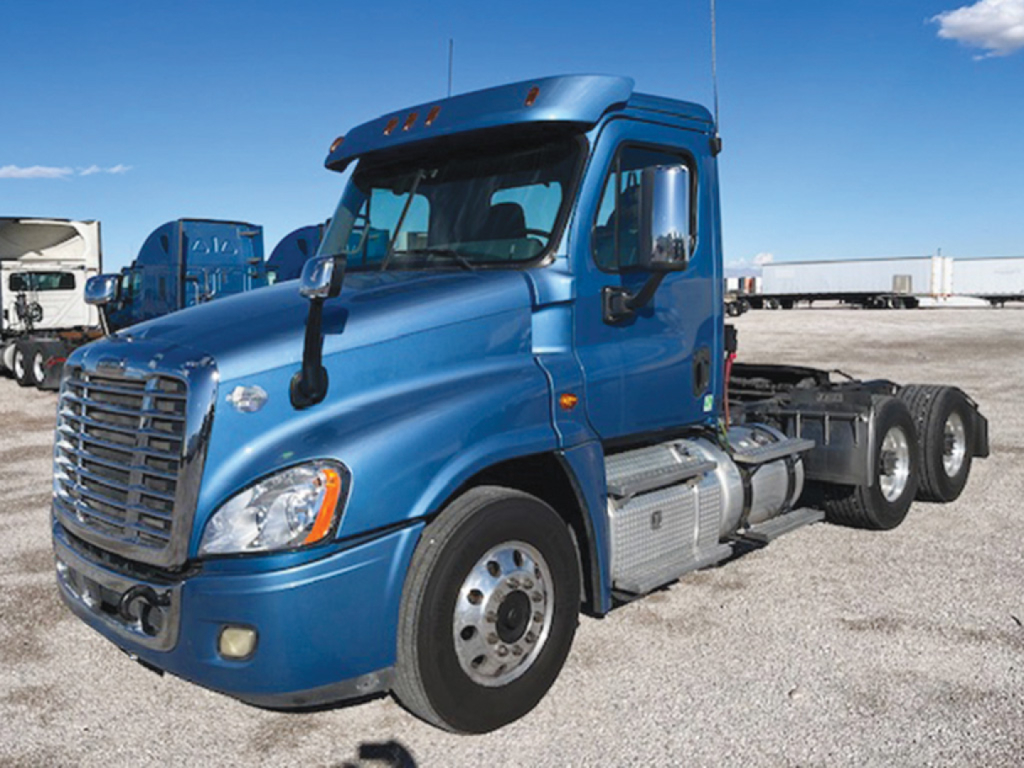
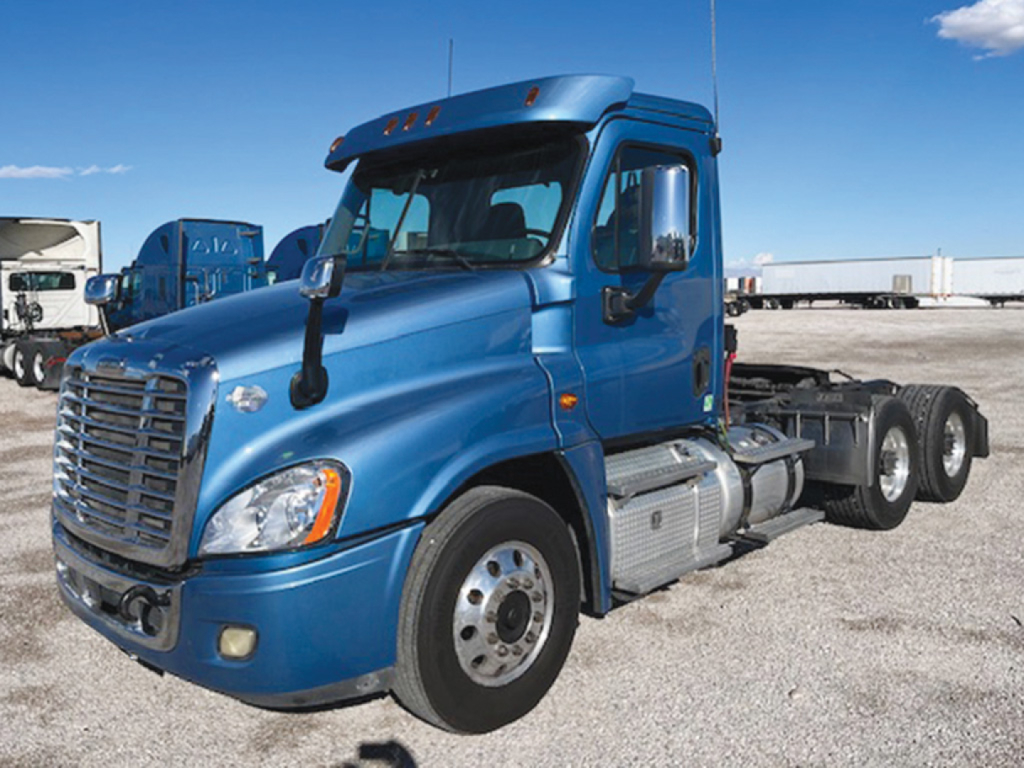
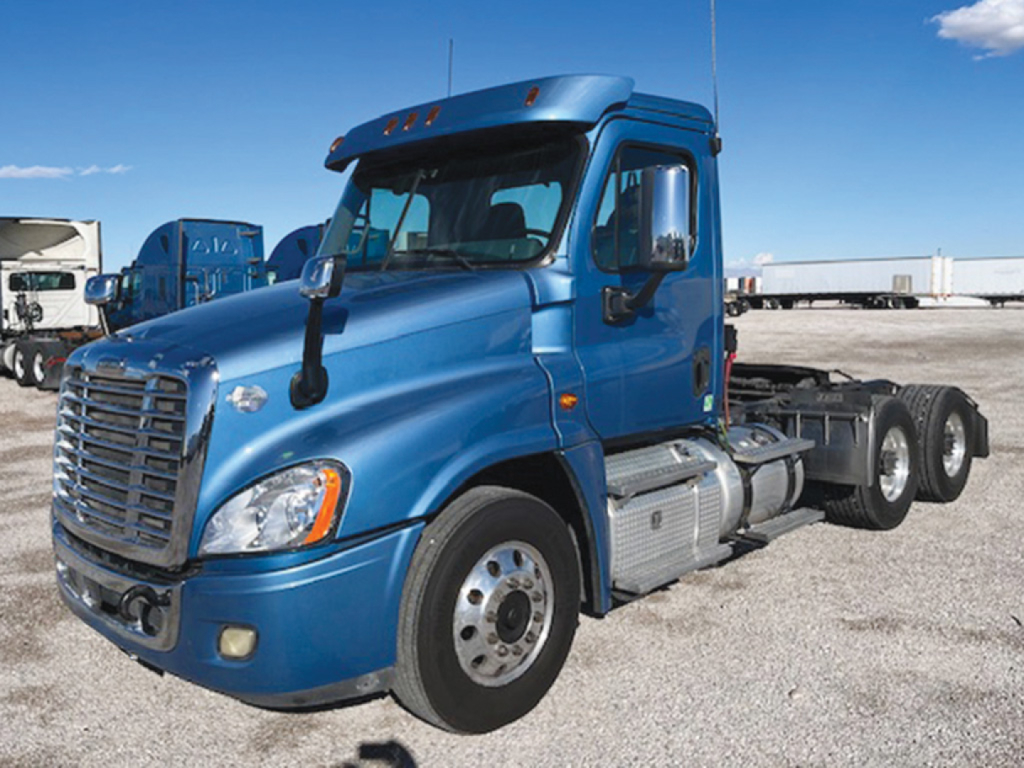
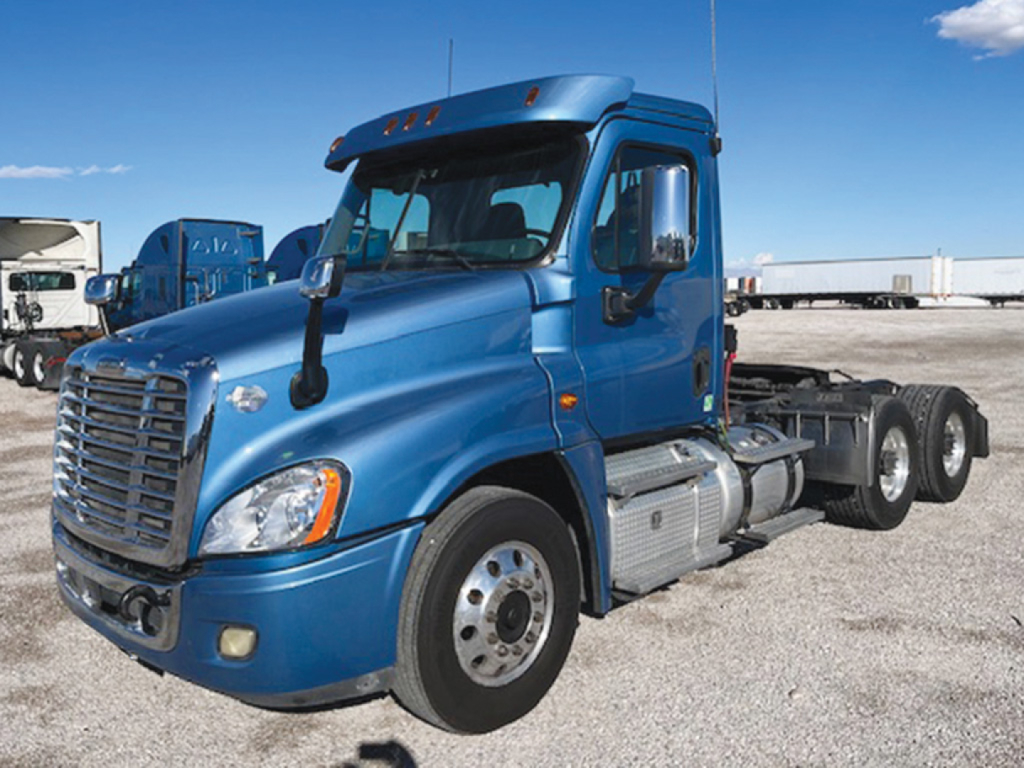
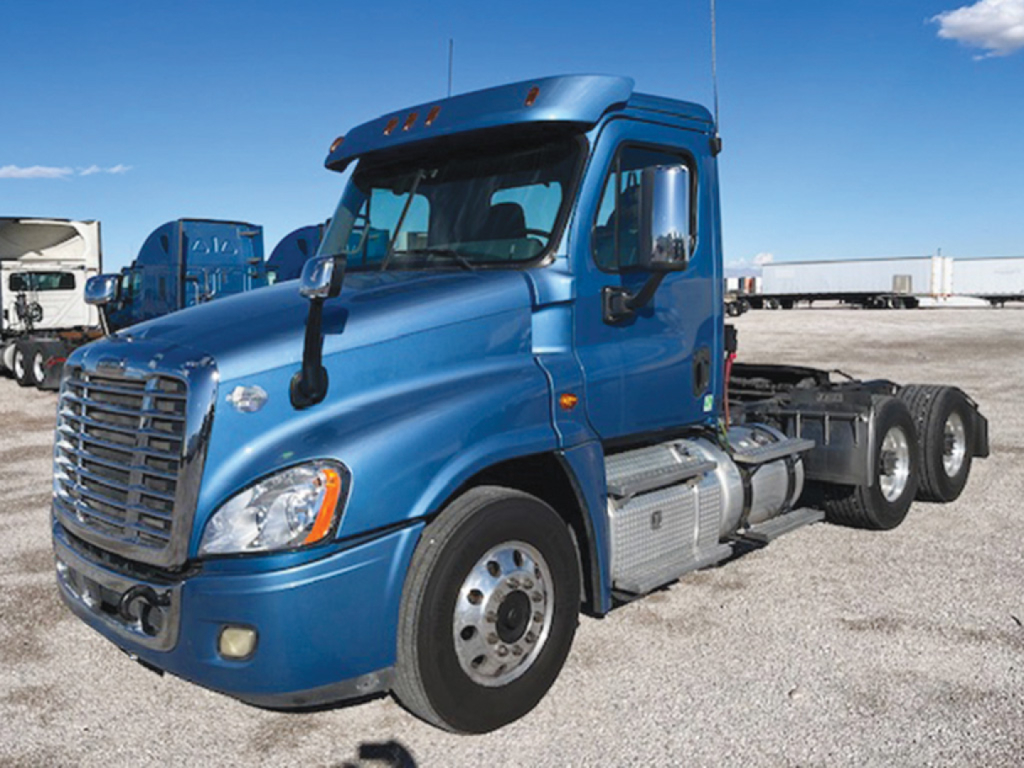
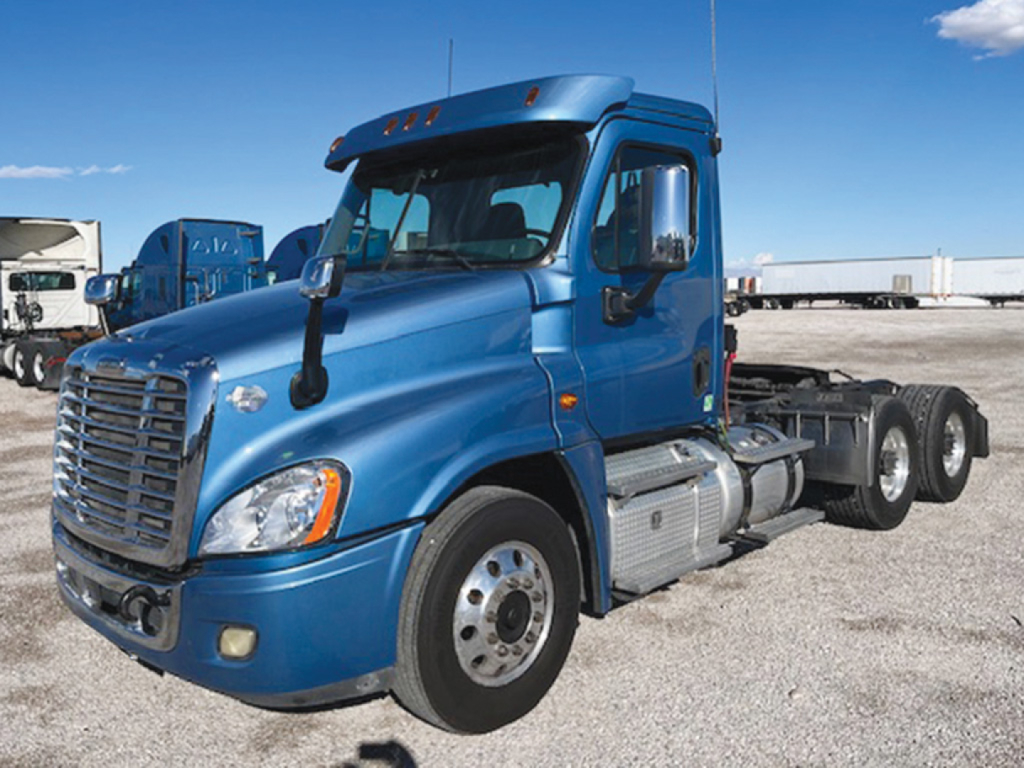
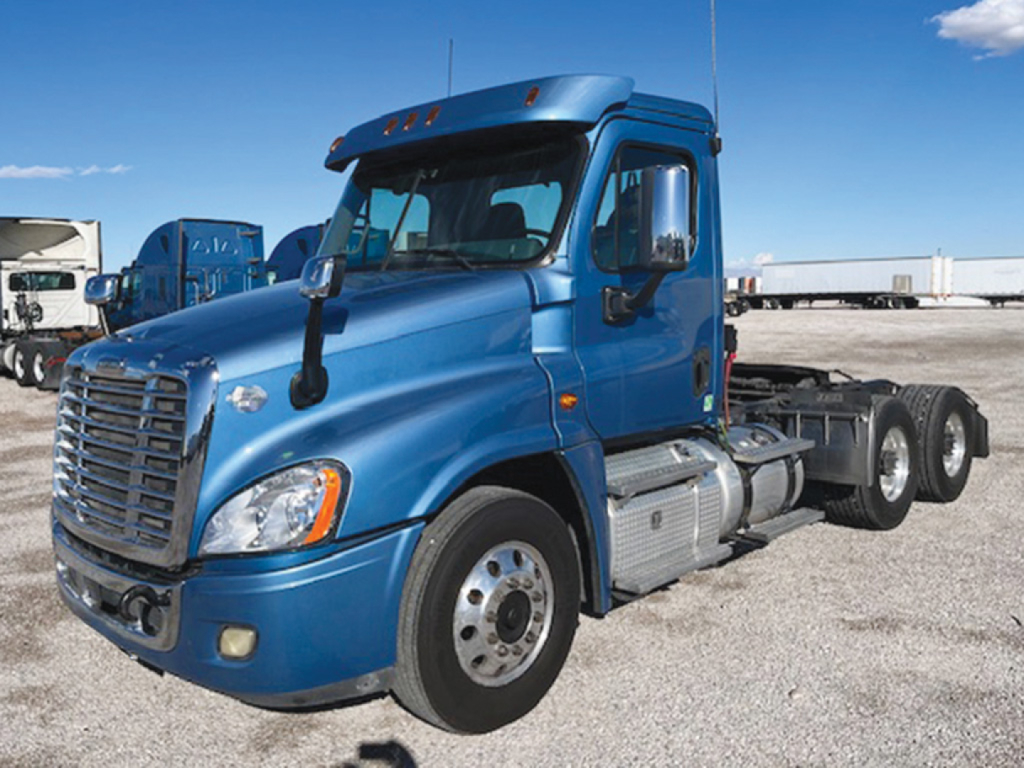
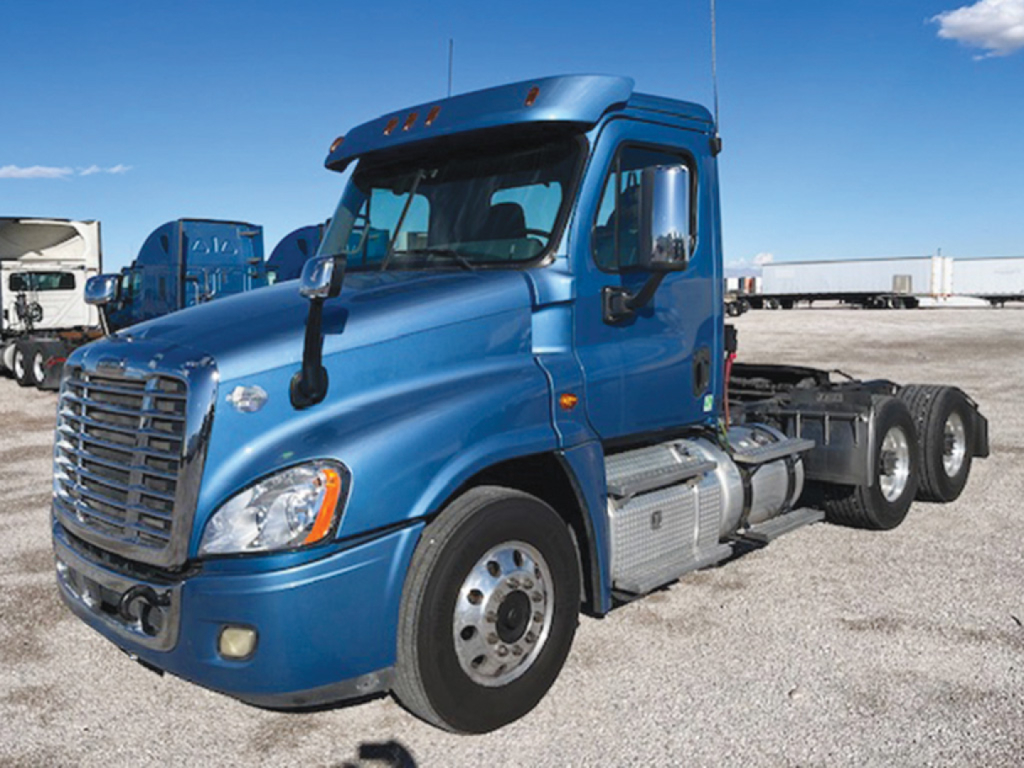
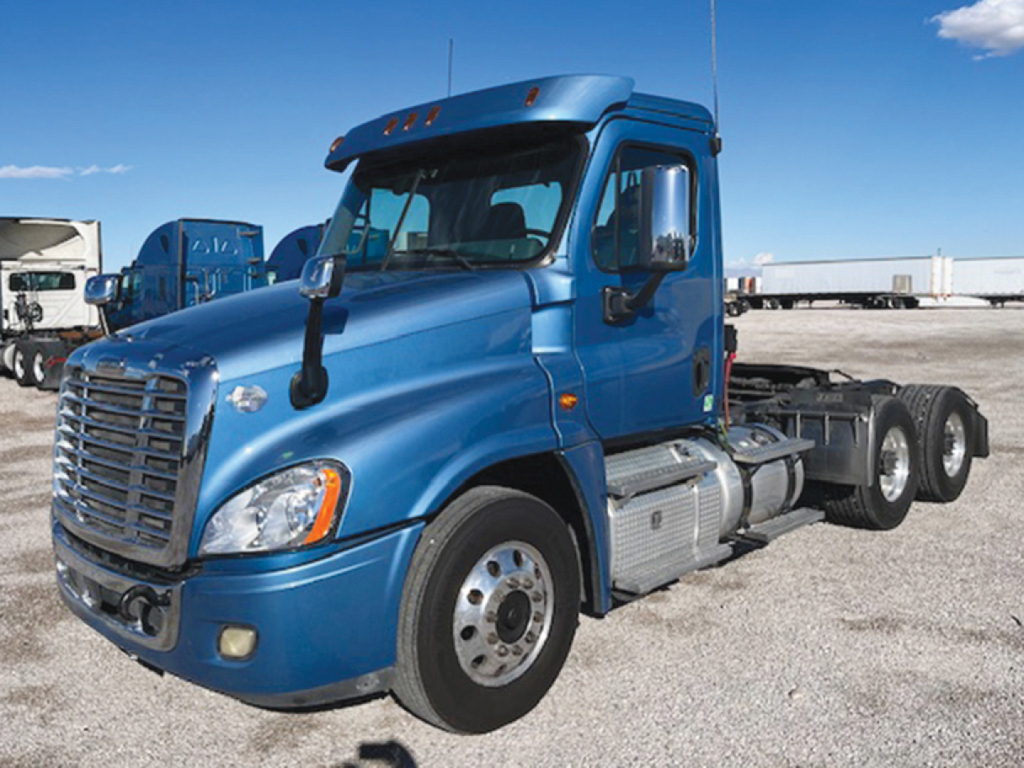
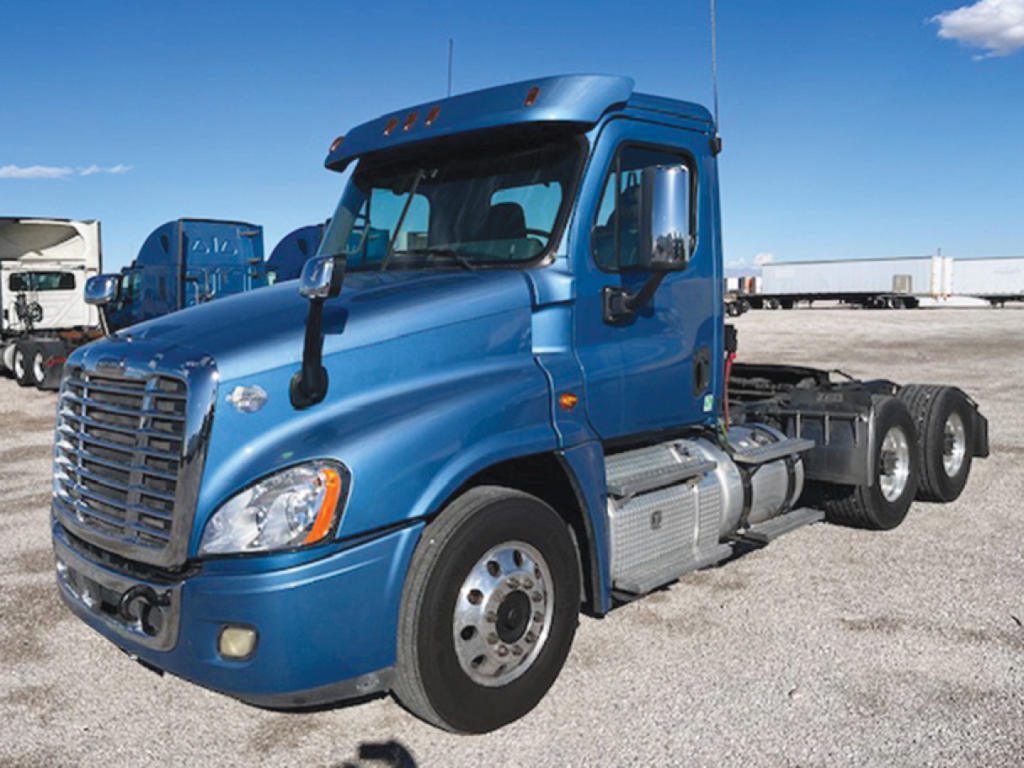
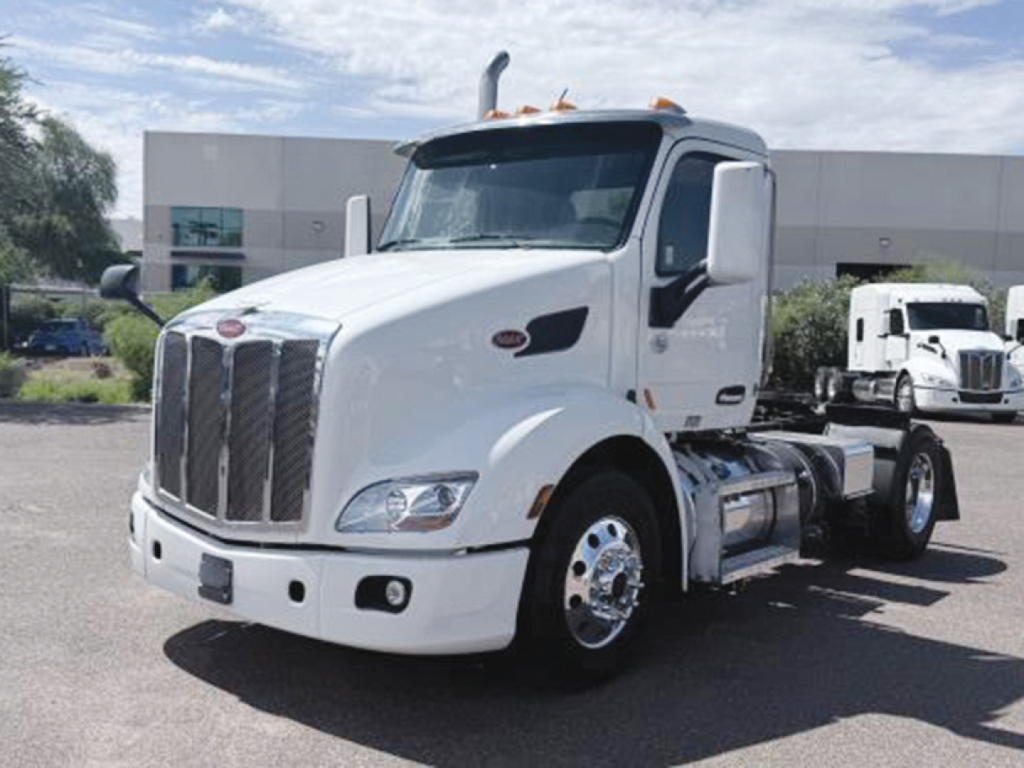
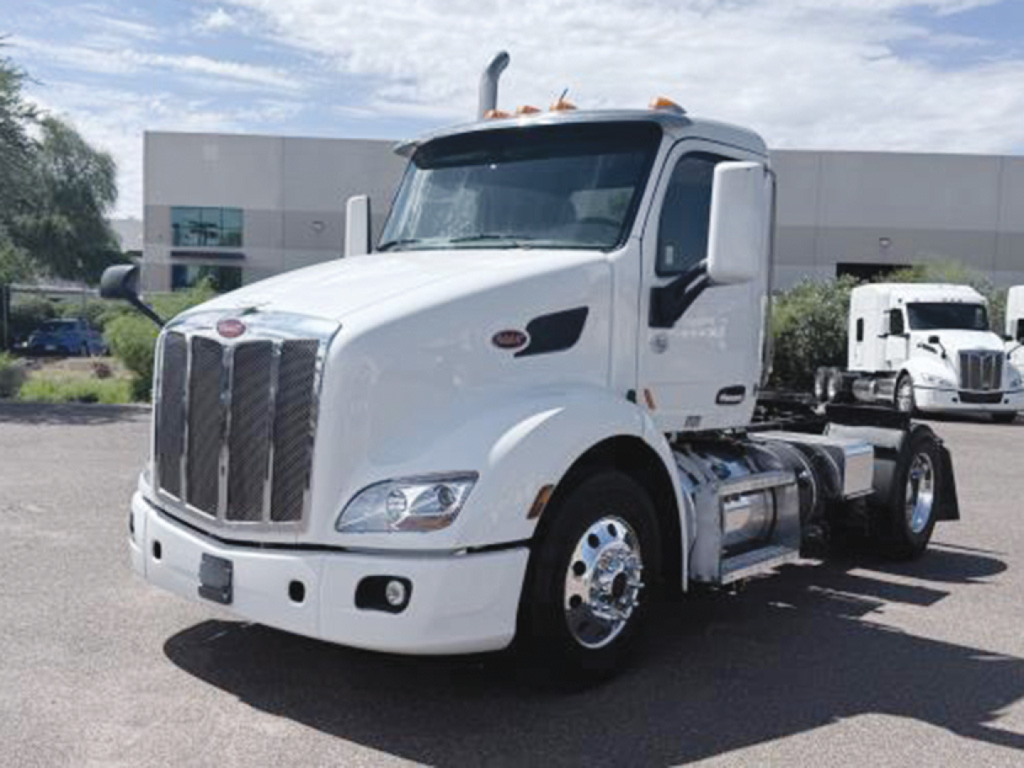
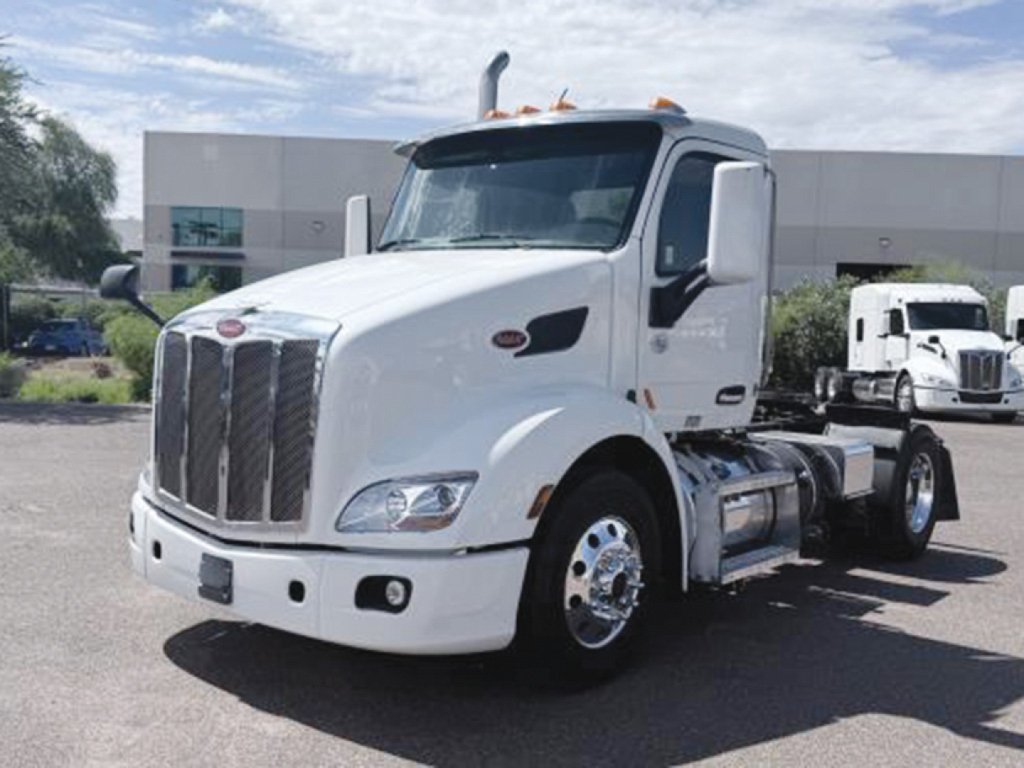
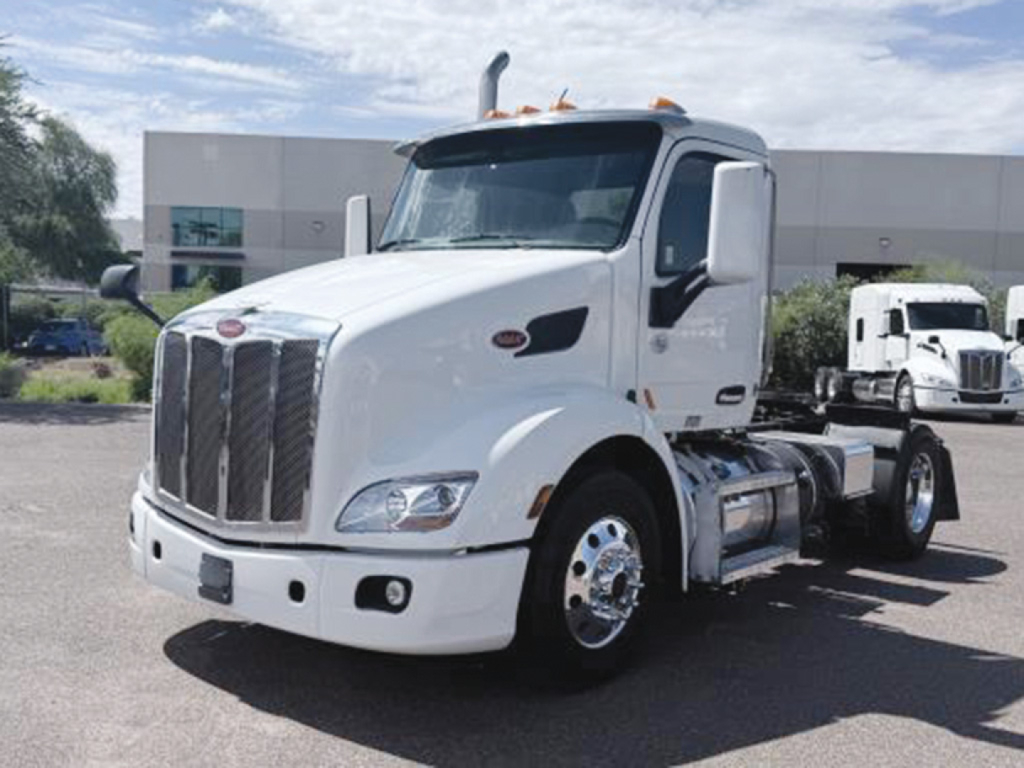
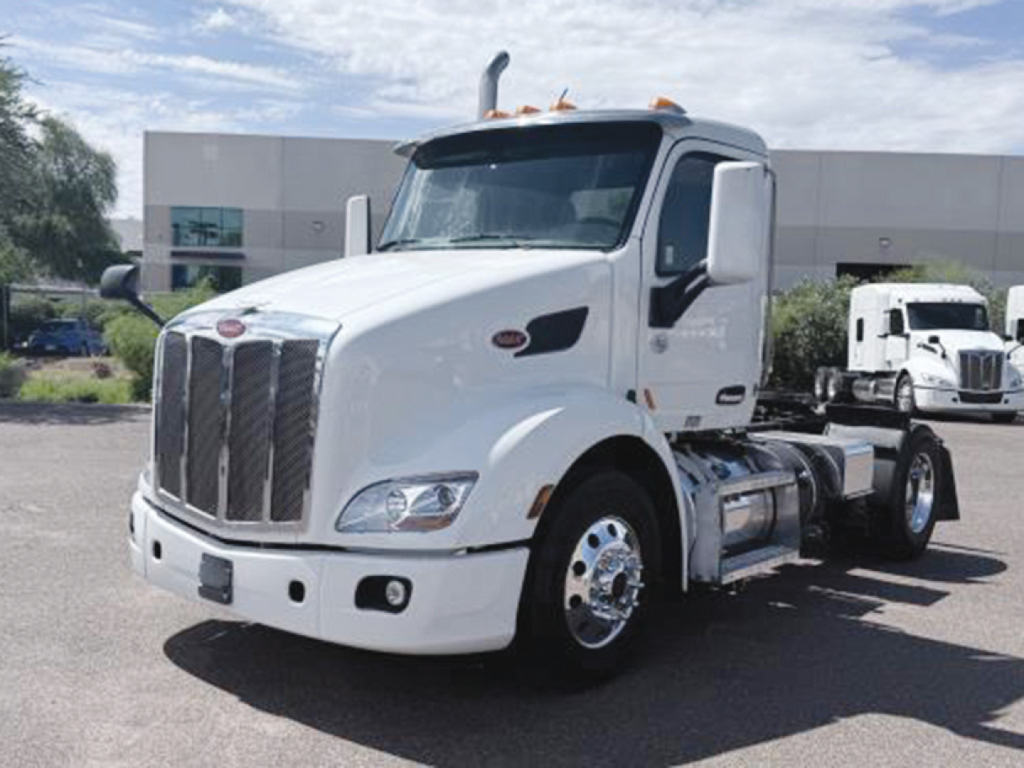
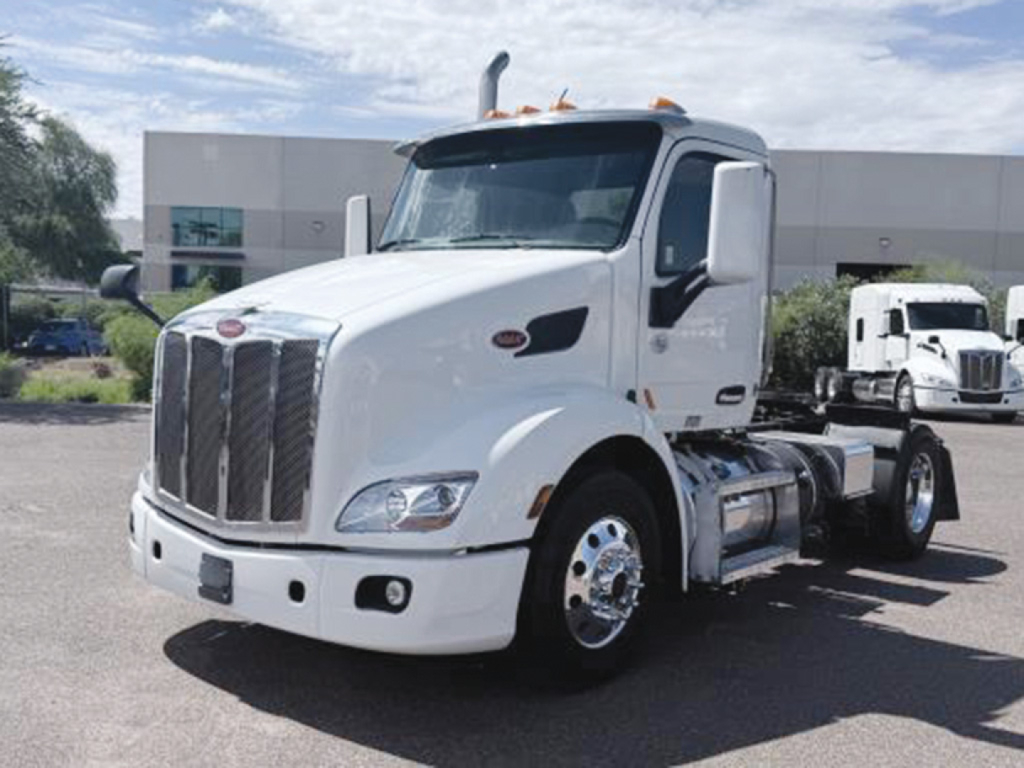

Selling a 2018 commercial truck? List your 2018 commercial truck for sale and reach thousands of commercial buyers.
2018 Commercial Trucks in Nevada
Spec matching is where a 2018 truck either pencils out or becomes expensive to own. For highway tractors, the key decisions are sleeper versus day cab, engine rating, transmission type, wheelbase, rear axle ratio, and suspension. Common heavy-duty specs in this model year include automated manuals, 40,000 lb tandem rears, air ride suspension, and aerodynamic packages with fairings and cab extenders. Buyers running Nevada corridors or western interstate freight often prefer efficient downsped combinations, while mountain and vocational work may call for shorter gearing, higher horsepower, full locking rears, or heavier front axle ratings. On medium-duty and vocational trucks, focus on GVWR, body compatibility, PTO provisions, frame rail condition, and how the truck was upfitted for dump, van body, rollback, service body, or utility work.
A 2018 model year also sits in a practical technology window. Many trucks from this year can include collision mitigation, adaptive cruise, disc brakes, telematics capability, idle reduction systems, and improved interior layouts. Those features can improve driver retention and reduce fatigue, but they also add components that should be inspected for calibration, fault codes, and repair history. For diesel trucks, it is smart to review engine hours versus odometer miles, confirm regen behavior, inspect DEF system records, and check for signs of repeated aftertreatment downtime. Transmission service intervals, kingpin and bushing wear, driveline vibration, tire wear patterns, and brake life are just as important as engine make when comparing listings.
Nevada buyers should pay special attention to corrosion level, sun exposure, and route history. A truck that spent most of its life in dry western service may show cleaner frames and hardware than a similar unit from harsher winter regions, but desert use can still be hard on paint, seals, interiors, wiring, and cooling components. If the truck is intended for a trailer application, verify fifth wheel type, sliding versus fixed position, wheelbase, and axle spacing so the setup matches bridge law, kingpin settings, and loading patterns. The best 2018 truck is the one with a documented maintenance file, the right axle and cab configuration for the job, and a spec that supports fuel economy, payload, and uptime in your lane.
Frequently Asked Questions about 2018 Commercial Trucks in Nevada
What should I check first on a used 2018 truck?
Start with application fit and maintenance history. Confirm the truck’s axle ratings, wheelbase, cab style, engine, transmission, and gearing match the work you plan to do. Then review service records for the engine, transmission, aftertreatment system, brakes, suspension, and cooling system. A 2018 truck can still have strong life left, but deferred maintenance on emissions components, A/C systems, tires, and driveline parts can quickly change the real cost of ownership.
Are 2018 trucks a good balance between price and features?
For many buyers, yes. The 2018 model year often offers a useful middle ground between older pre-aero or pre-safety trucks and much higher-priced late-model units. Many 2018 trucks have automated manual transmissions, better cab insulation, integrated safety systems, improved sleeper layouts, and more efficient powertrains. The value depends on mileage, engine hours, vocational use, and how well the truck was maintained rather than the year alone.
How important is emissions system history on a 2018 diesel truck?
It is critical. By 2018, diesel trucks rely on DPF, SCR, DEF dosing, and related sensors to stay compliant and perform correctly. Buyers should ask for records showing regen history, DPF cleaning or replacement, NOx sensor work, DEF system repairs, and any check engine or aftertreatment fault history. A truck with documented emissions maintenance is usually a safer buy than one with a lower asking price but no service trail.
What truck specs matter most for Nevada operations?
Cooling capacity, A/C performance, axle ratio, horsepower, and suspension setup matter a lot in Nevada. Long interstate runs favor aerodynamic specs, efficient rear ratios, and fuel capacity, while mountain grades and vocational work may need higher horsepower, stronger engine braking, and heavier axle ratings. Heat also makes radiator condition, charge air cooler integrity, fan clutch operation, and overall cooling system service especially important.
Should I choose a sleeper, day cab, or vocational 2018 truck?
That depends on revenue use, route length, and body or trailer requirements. A sleeper is common for over-the-road and multi-day regional freight. A day cab fits local and regional operations where lower weight, easier maneuverability, and simpler maintenance are priorities. Vocational trucks should be chosen by body type, PTO needs, frame strength, and axle capacity first, because those factors determine whether the truck can actually perform the intended job safely and profitably.