
2018 Commercial Trucks For Sale in Mississippi
Shop 2018 trucks for sale in Mississippi, including day cabs, sleepers, cabovers, and straight trucks for regional, local, and over-the-road work.
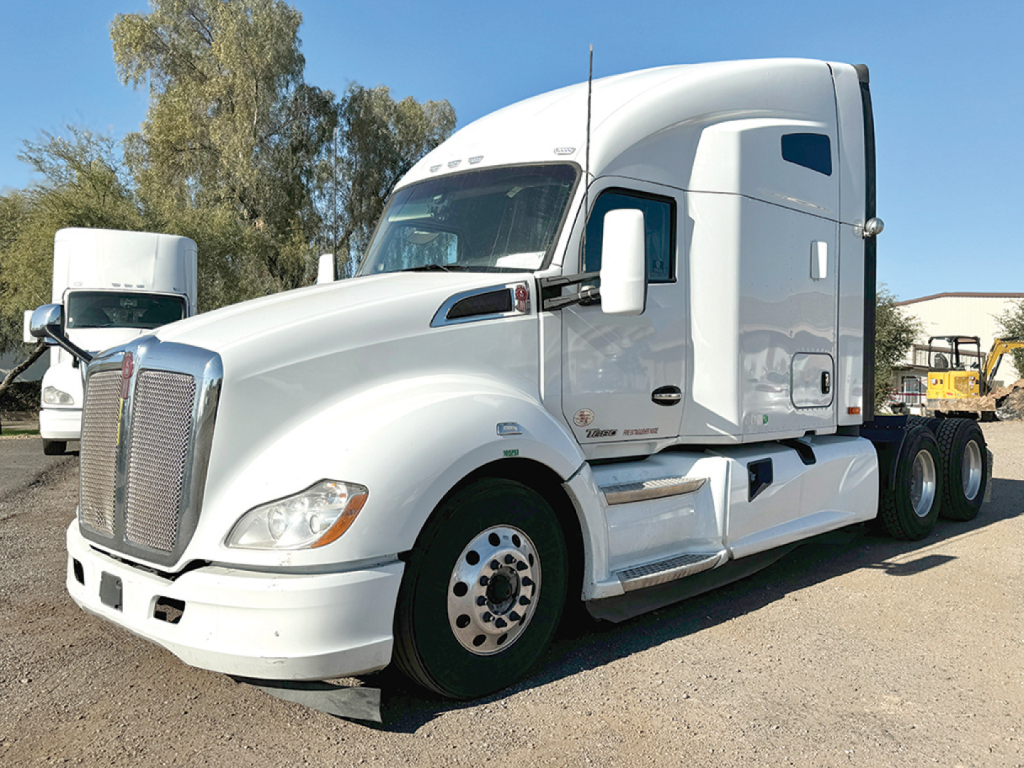
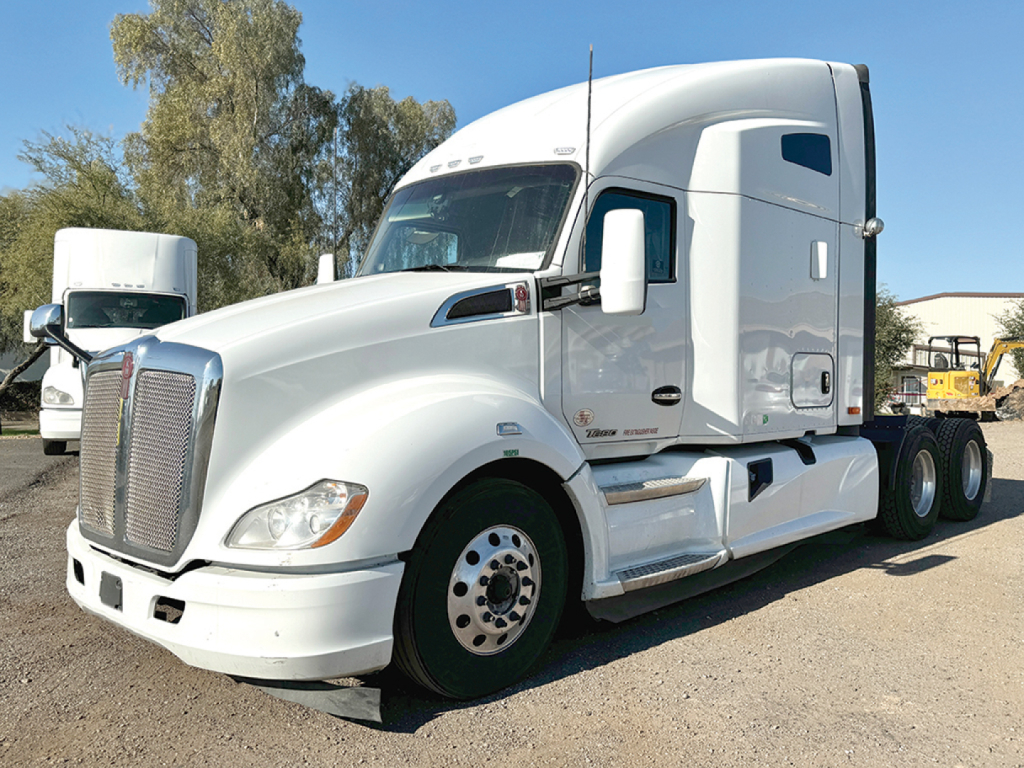
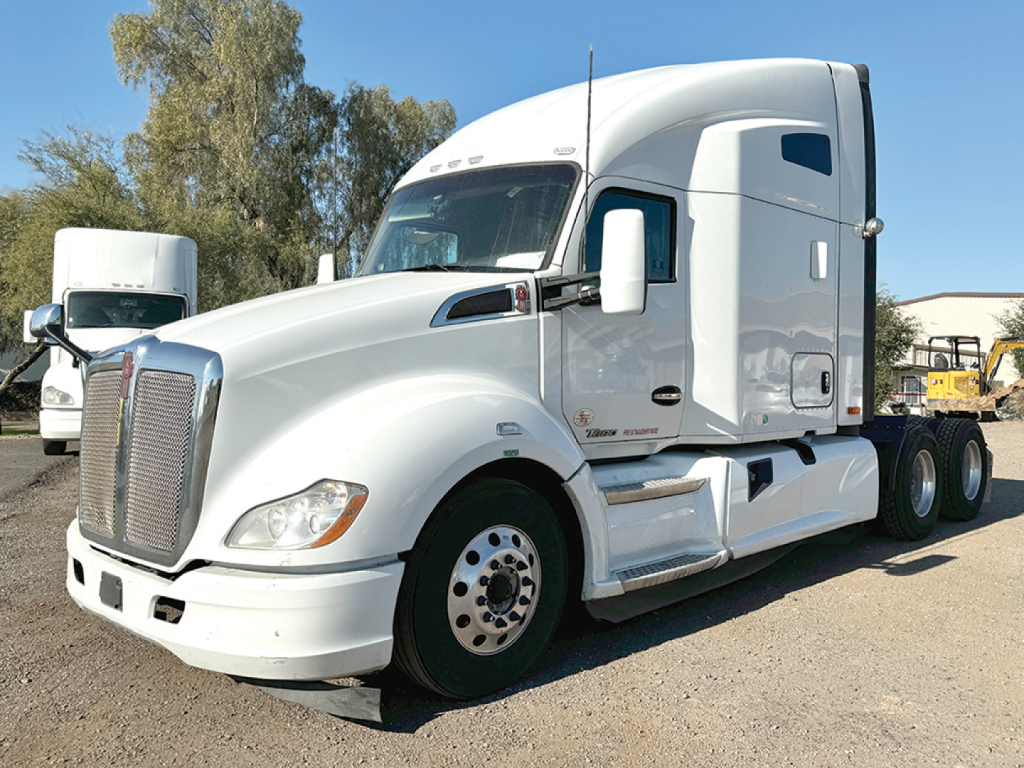
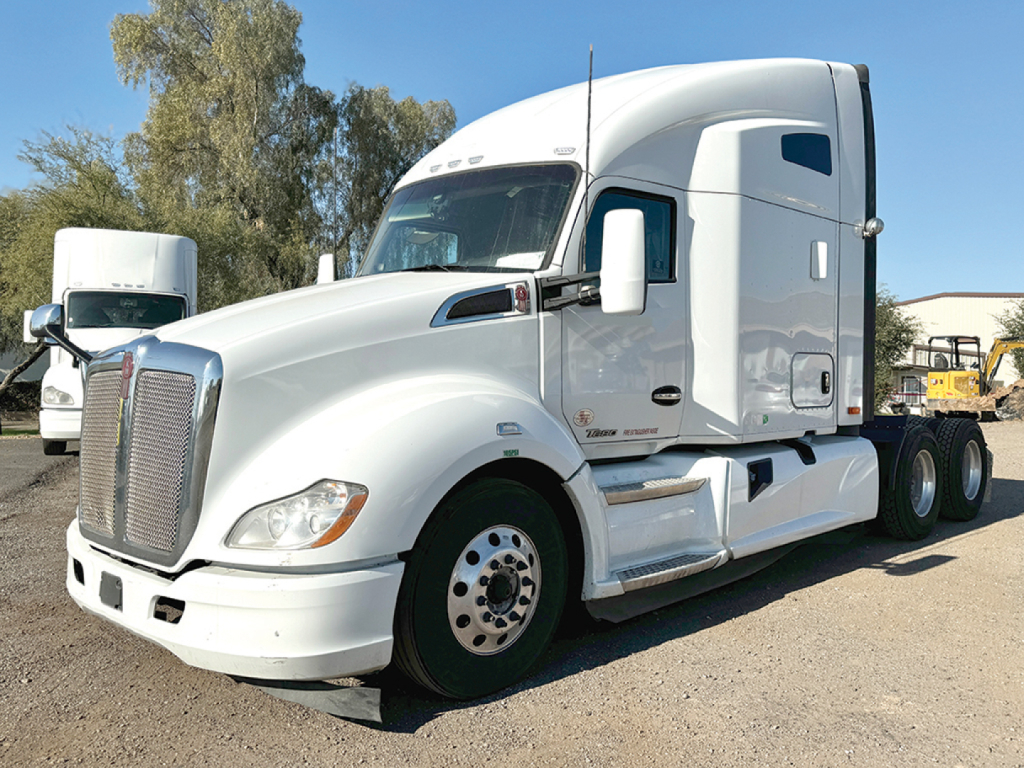
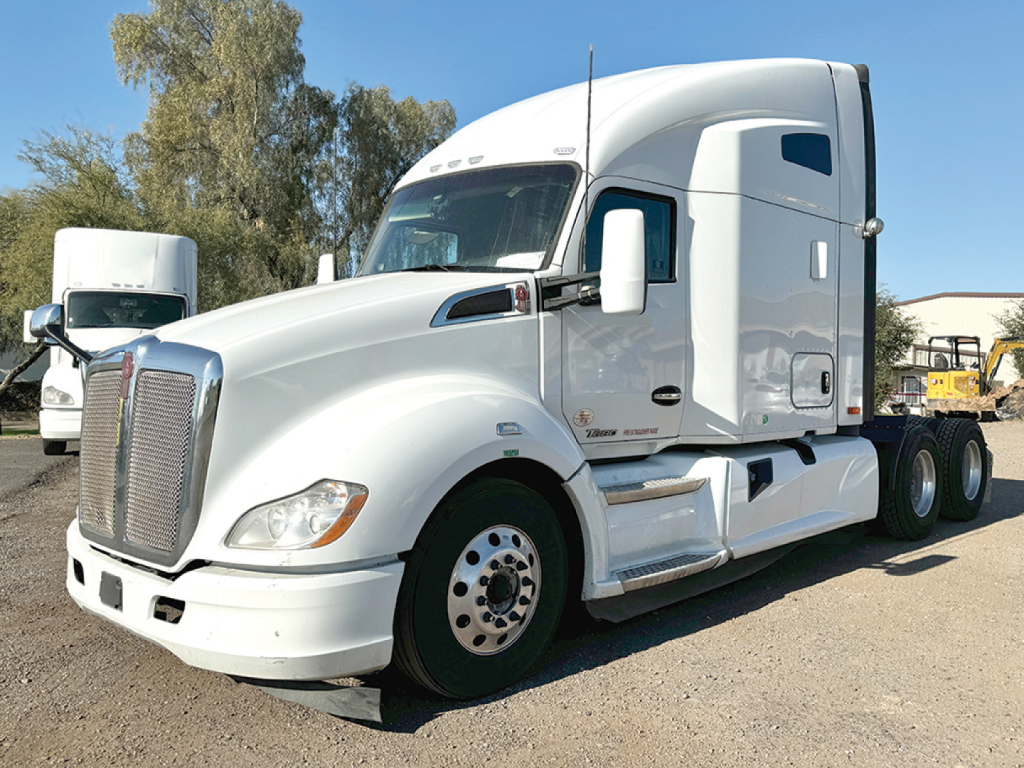
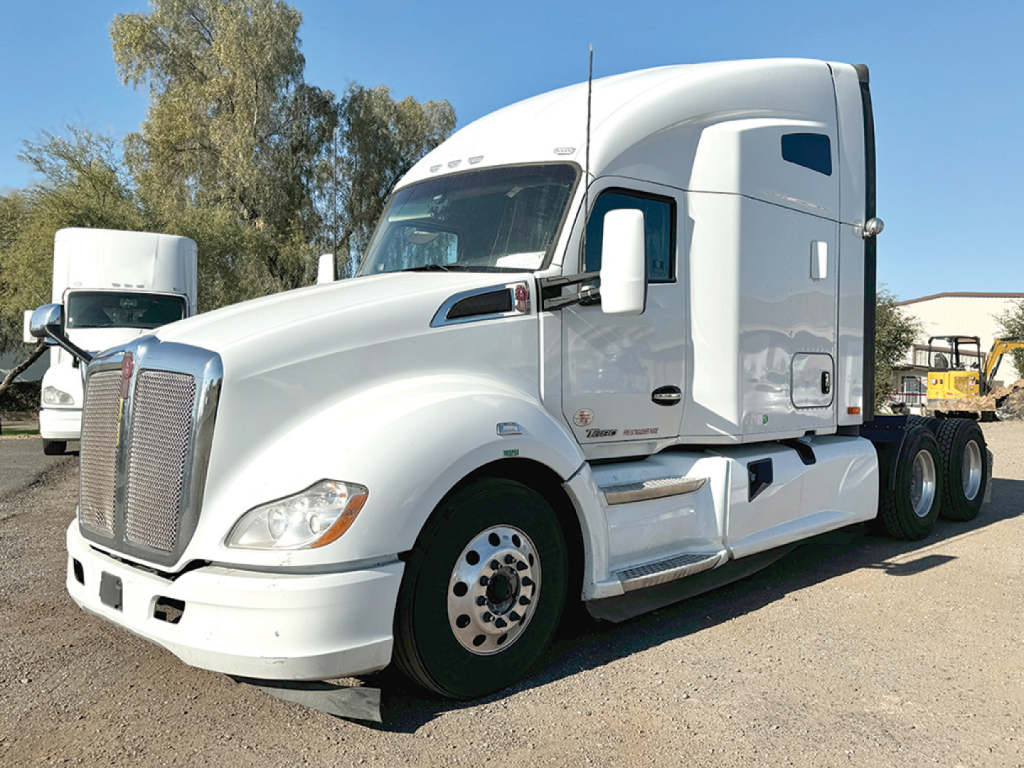
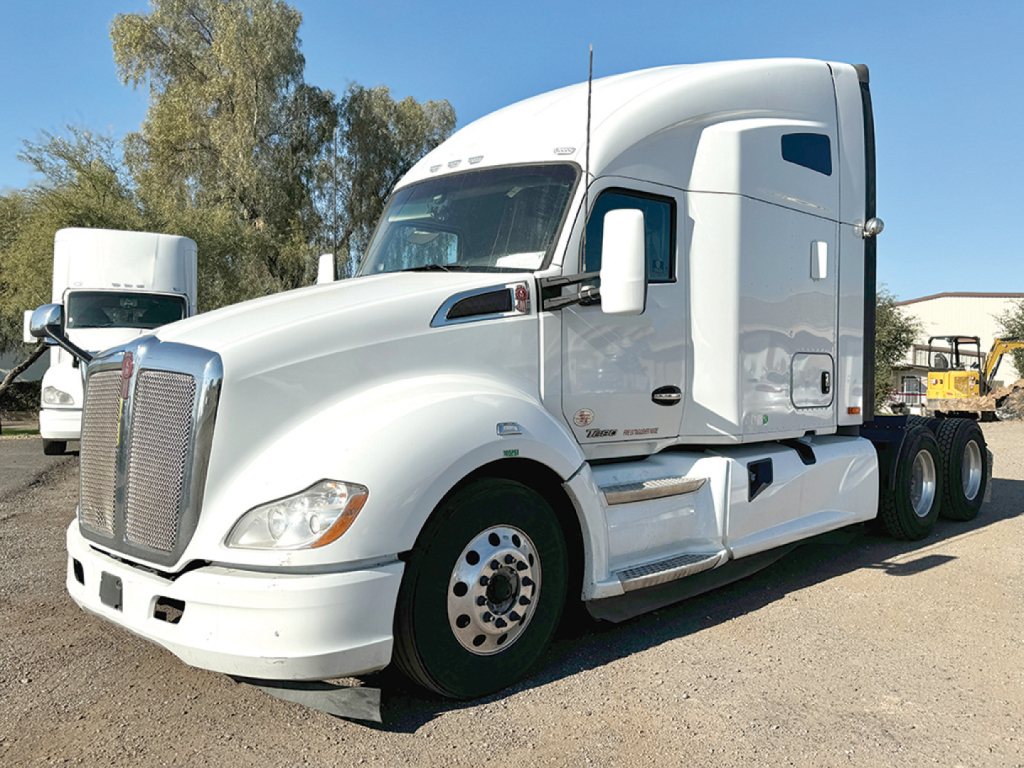
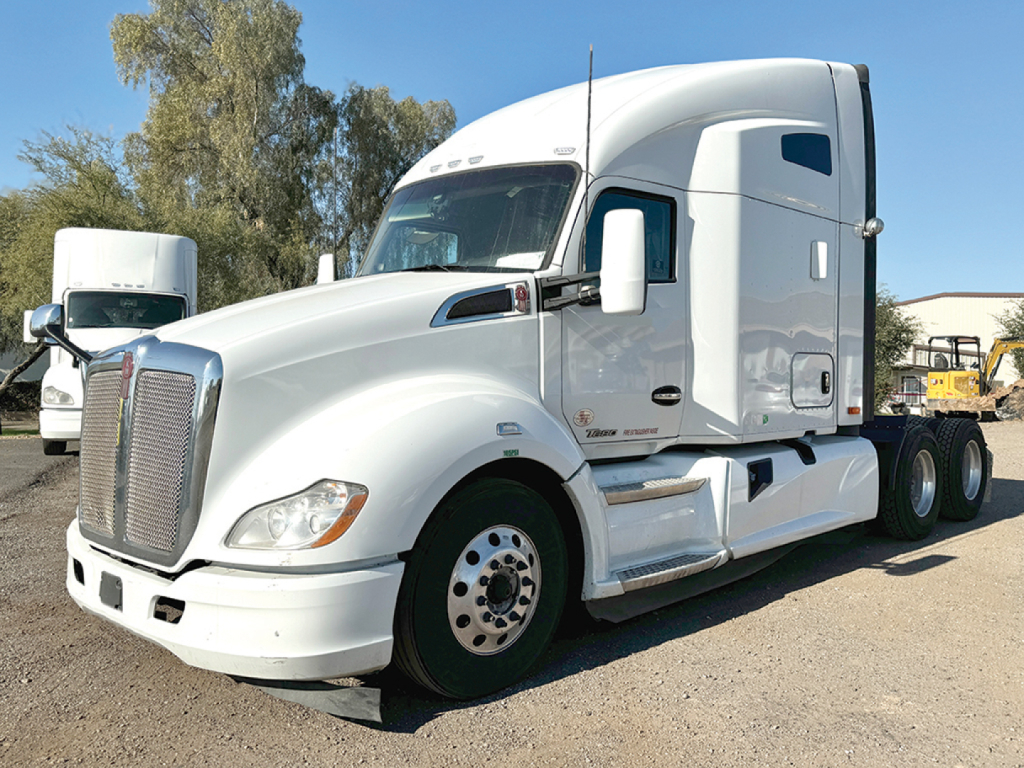
Selling a 2018 commercial truck? List your 2018 commercial truck for sale and reach thousands of commercial buyers.
2018 Commercial Trucks in Mississippi
For highway tractors from this model year, common engine platforms include the Cummins X15 or ISX family, PACCAR MX series, Detroit DD13 and DD15, and Volvo D11 or D13, typically in the 400 to 500 horsepower range. Many 2018 trucks are equipped with automated manuals, though manual 10-speed and 13-speed transmissions are still present in the used market. Pay close attention to rear axle rating, suspension type, wheelbase, and ratio. A 2.64 or 2.80 ratio may suit fuel-conscious linehaul work, while a 3.08 or deeper ratio can better support heavier loads, mixed terrain, or vocational service. Buyers should also review brake configuration, 5th wheel style, and any active safety equipment such as collision mitigation, lane departure warning, or adaptive cruise, since 2018 was a period when these systems became more common on fleet-spec trucks.
If the truck is a straight truck or cabover, body specification matters as much as the chassis. Box length, door type, floor material, scuff liners, E-track, roof construction, and GVWR all affect daily usability and payload. Mississippi operators running urban delivery, route work, or service applications often prefer shorter overall length, tight turning radius, and easier cab access. For tractors and straight trucks alike, buyers should inspect the emissions history closely on a 2018 unit, including DPF service records, DEF system repairs, regen frequency, and fault history. This year range can offer dependable service life, but condition and maintenance discipline matter more than badge alone.
A good 2018 truck purchase usually comes down to total operating fit, not just price or odometer. Look at idle hours, maintenance documentation, tire condition, brake wear, suspension wear points, and signs of frame or body corrosion, especially on equipment that has seen mixed regional service. In Mississippi, cooling performance, A/C condition, and overall cab integrity deserve extra attention because heat, humidity, and long seasonal use can expose weak components quickly. A well-matched 2018 truck can still deliver strong productivity if the drivetrain, axle spec, and body configuration line up with the work you expect it to do.
Frequently Asked Questions about 2018 Commercial Trucks in Mississippi
What should I look for first when buying a 2018 used truck in Mississippi?
Start with application fit. Confirm the truck category, axle configuration, wheelbase, horsepower, transmission type, and rear axle ratio match the work. After that, review maintenance records, engine hours, emissions service history, brake and tire condition, and any signs of hard use. In Mississippi, A/C performance, cooling system condition, and corrosion around cab mounts, wiring, and body hardware are especially important because of heat and humidity.
Are 2018 trucks a good balance between price and features?
For many buyers, yes. A 2018 truck is new enough to offer modern powertrains, better aerodynamics, and more commonly available safety systems, but old enough to cost less than late-model equipment. The tradeoff is that emissions components, aftertreatment maintenance, and wear items become more important at this age. A lower-priced truck with poor service history can cost more in downtime than a cleaner, better-documented unit.
What engine and transmission setups are common in 2018 trucks?
On highway tractors, 2018 model year trucks commonly use Cummins, PACCAR, Volvo, or Detroit diesel engines paired with automated manual transmissions such as Eaton Fuller AMT, Volvo I-Shift, or Detroit DT12. Manual transmissions are still available in some fleet and owner-operator specs. Power ratings often fall between 400 and 500 horsepower on tractors, while cabovers and medium-duty straight trucks usually run lower horsepower engines suited to stop-and-go service and lower GVWR applications.
How important is rear axle ratio on a 2018 truck?
Rear axle ratio has a direct effect on launch, cruise RPM, gradeability, and fuel economy. Numerically lower ratios such as 2.64 or 2.80 are common on linehaul tractors built for interstate speed and fuel savings. Numerically higher ratios such as 3.08 or deeper can improve pulling performance in heavier or more demanding service. The best ratio depends on load weight, terrain, transmission gearing, tire size, and average road speed.
What matters most on a 2018 straight truck or cabover?
Body and chassis spec are equally important. Buyers should confirm box length, payload rating, door configuration, floor condition, scuff protection, tie-down setup, and suspension type. For route delivery and city work, visibility, turning radius, step-in height, and service access can matter more than raw horsepower. A 2018 cabover or straight truck with the right body layout and clean maintenance history can be much more productive than a newer truck with the wrong spec.