
2017 Trucks For Sale in Florida
2017 trucks in Florida, guidance on floor strength, thermal integrity, tare weight, and corrosion resistance for payload, fuel economy, and uptime.
Learn more
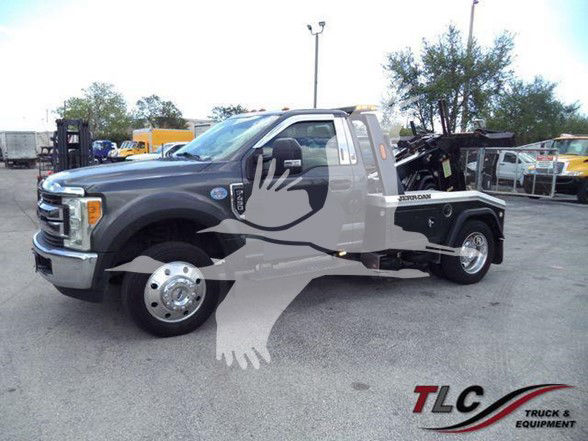
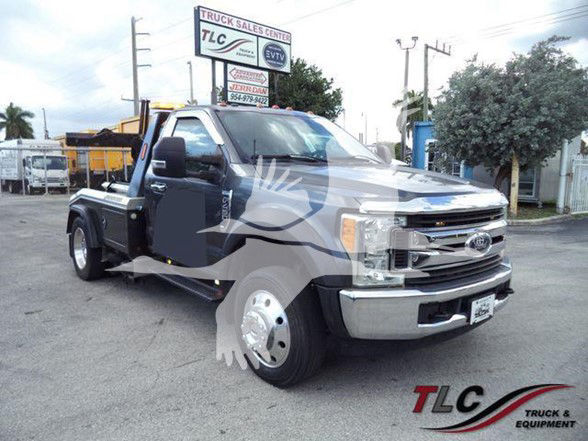
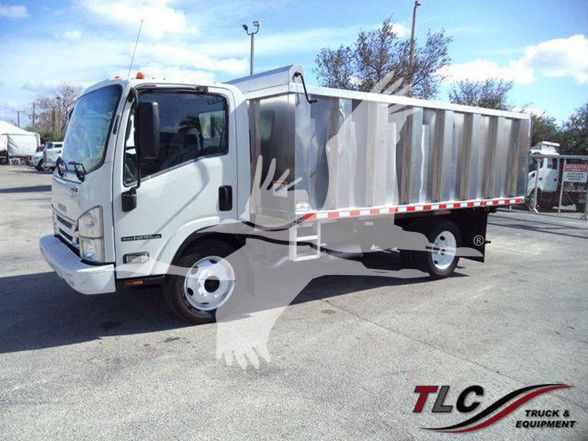
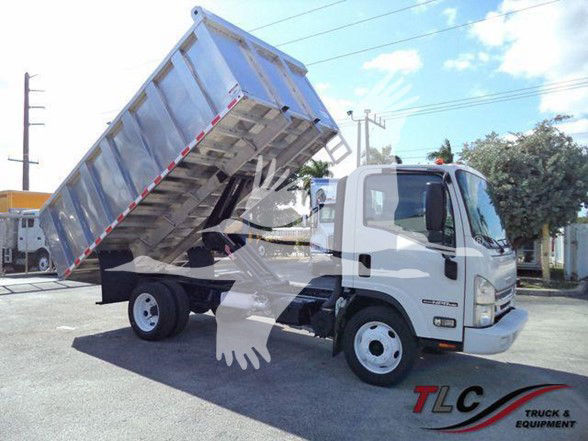
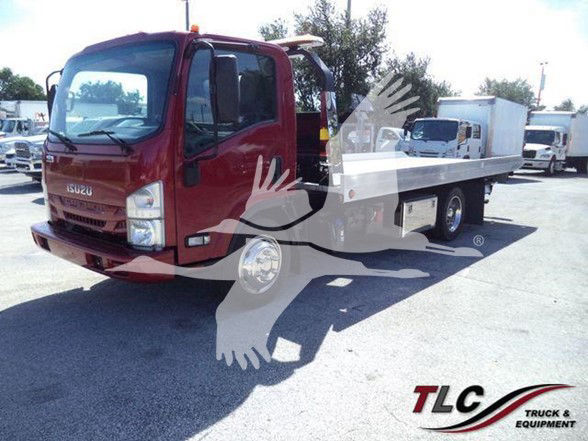
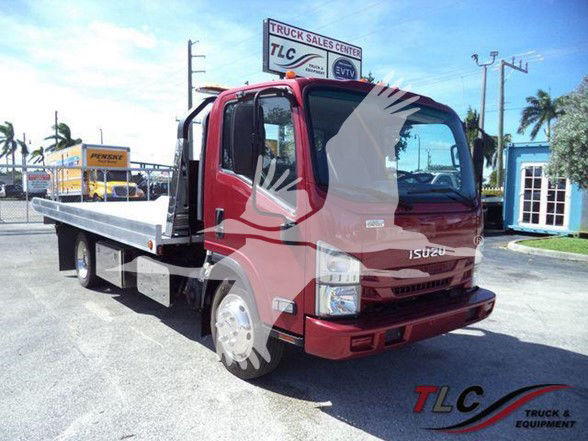
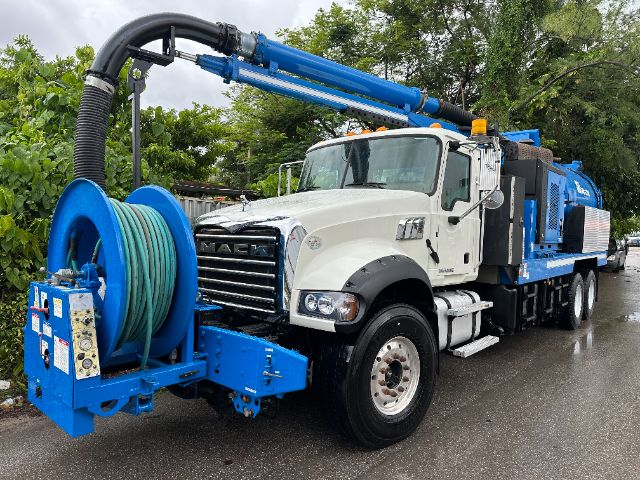
Showing 1 to 12 of 16 results
Have 2017 truck to sell? List it here to reach thousands of buyers.
About 2017 Trucks in Florida
Payload efficiency in a 2017 chassis starts with tare weight. Aluminum wheels, wide base singles where appropriate, lightweight fifth wheels, and single fuel tank configurations cut several hundred pounds, which improves payload and fuel economy. Air ride drive suspensions from Hendrickson, Meritor, or Volvo offer ride quality and protect cargo, spring suspensions add durability in vocational service but add weight. Automated manual transmissions reduce driver fatigue and often return better fuel economy than traditional manuals, but ensure calibration matches your rear axle ratio and tire size. Tire pressure monitoring and automatic inflation add ons keep rolling resistance low and tire life high, a useful spec for Florida heat.
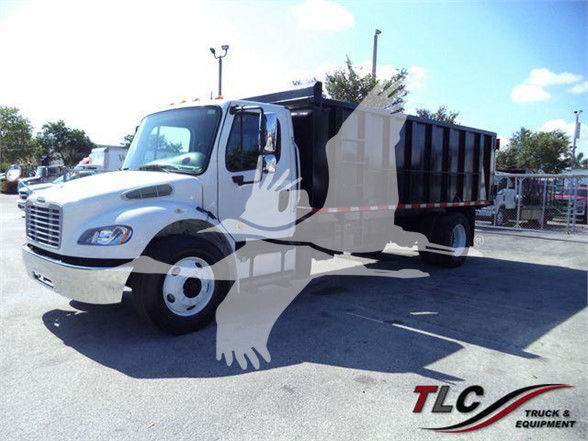
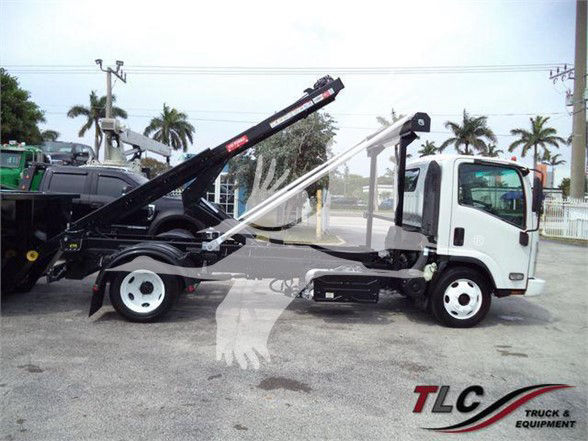
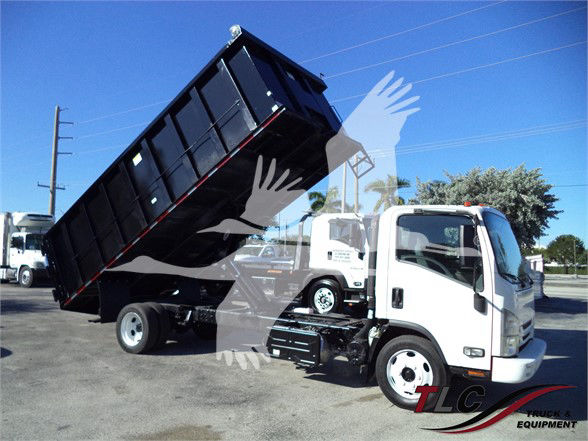
Floor strength is critical on 2017 straight trucks with dry van or refrigerated bodies, and on vocational platforms with dumps and hooklifts. Look for laminated hardwood floors at 1.25 inch with 12 inch crossmember spacing when frequent forklift loading is expected, aluminum plank floors save weight and clean easily, but verify the forklift rating per wheel. High wear areas benefit from full width threshold plates, 12 to 24 inch scuff liners in HDPE or aluminum, and recessed logistics tracks that do not compromise deck integrity. On dump bodies, abrasion resistant steel such as AR400 or Hardox in the floor and tailgate improves dent resistance, crossmember design and long sills determine how well the body carries concentrated loads.
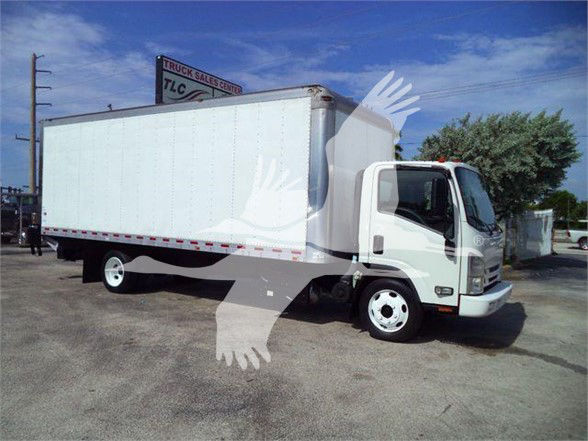
Thermal integrity matters in Florida heat and humidity. On 2017 reefer bodies, inspect foam in place insulation for voids, verify door seals and vapor barriers are intact, and check return air chutes and bulkheads for tears that create hot spots. Review refrigeration unit hours and service logs on Carrier or Thermo King units, condenser fin condition and fan operation are key for pull down in summer conditions. Corrosion resistance should be evaluated even without road salt exposure, coastal air accelerates oxidation. Favor aluminum cabs, composite hoods, e coated frames, stainless fasteners, sealed electrical connectors, and properly isolated aluminum to steel interfaces. Inspect frame flanges, cab mounts, suspension hangers, aftertreatment clamps and brackets, battery boxes, and HVAC condensers for early signs of rust or galvanic activity, timely mitigation preserves residual value.
Frequently Asked Questions
Which engines and transmissions are common on 2017 trucks, and what are the trade offs?
Typical 2017 powertrains include Cummins X15, PACCAR MX-13, Detroit DD13 and DD15, and Volvo D13. These engines pair well with Eaton Fuller automated manuals, Detroit DT12, Volvo I Shift, or Allison 3000 and 4000 series automatics. Automated manuals offer strong fuel economy and reduced driver fatigue, but performance depends on correct rear axle ratio and software calibration. Allison automatics excel in start stop and heavy vocational work, they add weight and can consume more fuel in high speed linehaul. By 2017 most platforms had refined SCR and DPF strategies, so focus on documented aftertreatment service, doser and NOx sensor history, and forced regen frequency to gauge reliability.
How do I evaluate floor strength on a 2017 dry van or reefer straight truck?
Start with the floor material and crossmember spacing. Laminated hardwood floors around 1.25 inch with 12 inch crossmember spacing are suited to frequent forklift use, aluminum plank floors save weight and resist moisture, but confirm the forklift rating per wheel and verify properly supported rear thresholds. Inspect scuff liners, ideally 12 to 24 inch high in HDPE or aluminum, and look for recessed e track or logistics posts that do not cut into structural members. Check for fastener looseness, cracked welds at the wheel wells, and deflection at the rear sill, then confirm the door threshold plate is flat and secure so pallet jacks do not catch.
What tare weight should I expect from 2017 tractors and straight trucks, and how can I reduce it?
A typical Class 8 6x4 day cab tractor with aluminum wheels and fairings often scales around 17,000 to 19,000 pounds, sleepers commonly run 18,500 to 20,500 pounds depending on bunk size and wheelbase. Class 7 to 8 straight trucks vary widely with body length and liftgates, expect roughly 18,000 to 26,000 pounds. Weight reduction comes from aluminum wheels, wide base singles where duty cycle and traction allow, lightweight fifth wheels, smaller or single fuel tanks matched to route length, aluminum air tanks and crossmembers, and careful body spec such as aluminum plank floors and lighter scuff systems. Each change has trade offs in traction, range, durability, and cost, so align the spec to the lane and load pattern.
How does Florida’s climate affect corrosion on 2017 trucks, and which specs help most?
Coastal humidity and salt laden air can accelerate corrosion on frames, fasteners, electrical connectors, and aftertreatment hardware even without winter road salt. Favor aluminum cabs and wheels, composite hoods, e coated or powder coated frames, stainless or zinc nickel fasteners, sealed harness connectors, and proper isolation between aluminum and steel to limit galvanic activity. Inspect frame flanges and crossmembers near the rear axles, cab and sleeper mounts, battery boxes, suspension hangers, aftertreatment clamps and brackets, and condenser or charge air cooler frames for early rust. Regular fresh water rinsing, dielectric grease on connectors, and timely paint touch ups extend service life and preserve resale.
How can I assess thermal integrity on a 2017 refrigerated straight truck in Florida heat?
Verify insulation quality by checking for soft spots or water intrusion in walls and roof, inspect door seals and sweeps, and ensure the vapor barrier is intact at penetrations. Look at return air chutes and bulkheads for rips that cause short cycling, confirm drain lines are clear, and examine floor channels for clean airflow. Review Carrier or Thermo King unit hours, maintenance records, condenser fin cleanliness, and fan operation, then compare box size and insulation package to the temperature setpoints you run. Good thermal integrity lowers run time, protects cargo, and reduces fuel burn and engine hours on the refrigeration unit in high humidity conditions.