
2016 Trucks For Sale in New York
Browse 2016 trucks for sale in New York, including day cabs, box trucks, utility bodies, and vocational chassis for regional and local work.
Learn more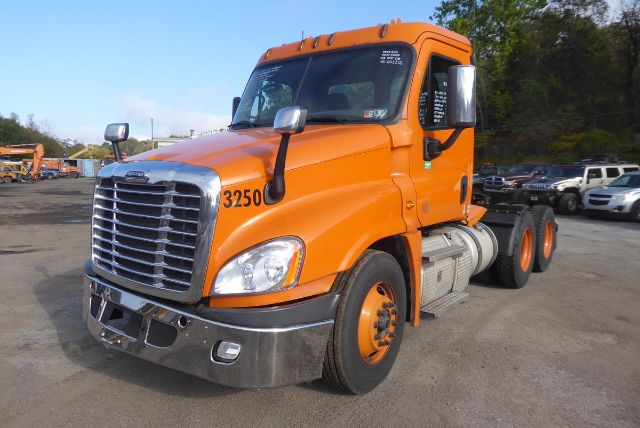
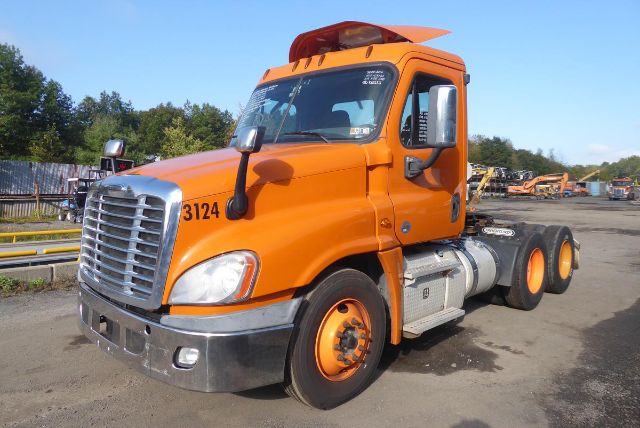
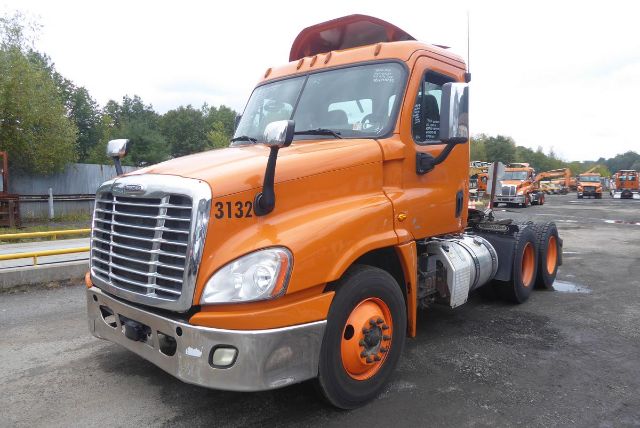
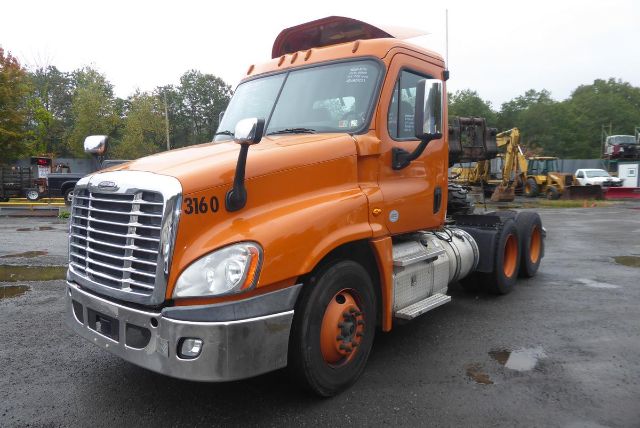
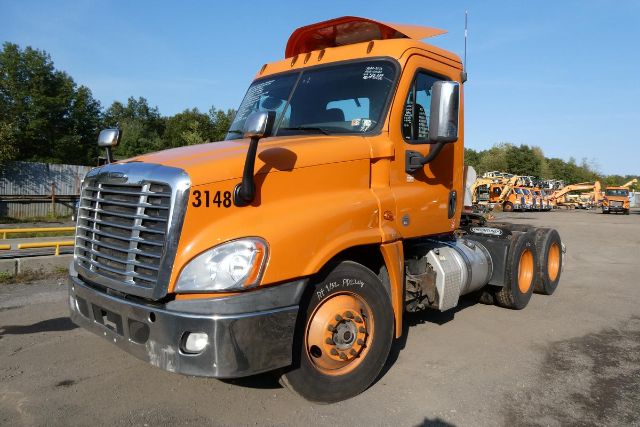
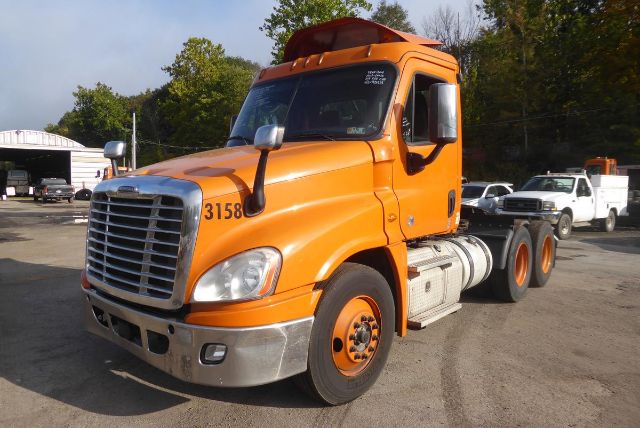
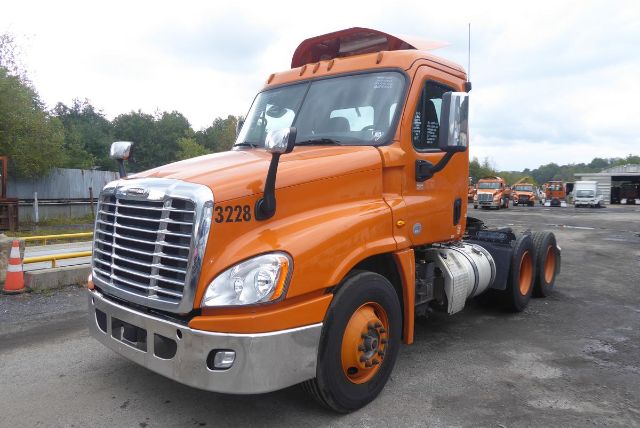
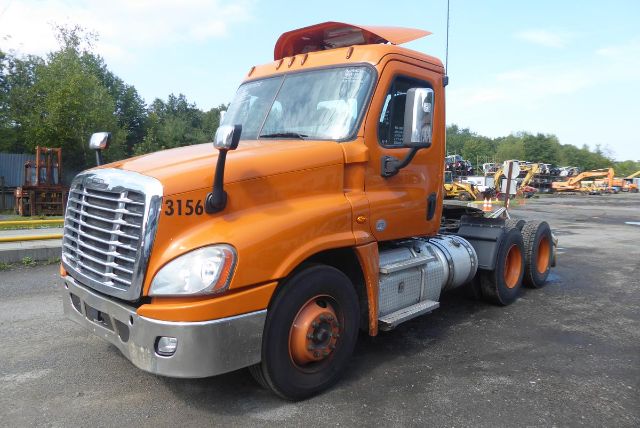
Showing 25 to 33 of 33 results
Have 2016 truck to sell? List it here to reach thousands of buyers.
About 2016 Trucks in New York
Common 2016 truck configurations include Class 6 through Class 8 chassis, with GVWRs ranging from medium-duty delivery units around 25,999 pounds up to tandem-axle tractors and severe-duty trucks well above 50,000 pounds GVW or GCWR depending on spec. Engines in this year commonly include Cummins ISB, ISC, ISL, or ISX platforms, Detroit DD13 or DD15, Paccar MX series, and medium-duty diesel options from International and Mercedes-era applications still seen in older body swaps. Buyers should pay close attention to horsepower and torque ratings, rear axle ratio, wheelbase, suspension type, and brake configuration. Those specs tell you more about how the truck will perform than model year alone. A 4x2 day cab with a short wheelbase and 3.36 to 3.73 gearing suits regional hauling and tight urban work, while a medium-duty box truck may benefit more from higher numerical ratios, spring suspension, and liftgate-ready frame layout.
For New York use, corrosion and cab or frame condition deserve extra scrutiny. Road salt, municipal use, and stop-and-go duty cycles can accelerate wear on brake components, wiring, body mounts, crossmembers, and air system hardware. On a 2016 diesel truck, inspect the DPF, SCR, DEF tank and lines, sensors, and regen history before treating mileage as the main value indicator. Engine hours can be just as important, especially on former fleet, utility, or city trucks with heavy PTO or idle time. If the truck has a body or special equipment, verify body manufacturer support, hoist or hydraulic condition, PTO setup, and cab-to-axle measurement so the chassis actually fits your intended body length or replacement body.
A well-matched 2016 truck can still be a productive, financeable platform for regional freight, local delivery, construction support, utility service, landscaping, and municipal work. The better buys are usually the ones with a clear operating profile and specs that line up with your lanes, payload, and maintenance capacity. Check tire size and wheel type for replacement cost, axle ratings for legal payload, and transmission choice for driver availability and route type. If you are comparing multiple listings, focus on wheelbase, axle configuration, engine family, emissions service history, and body or fifth-wheel setup first. Those are the details that determine real-world usefulness and long-term operating cost.
Frequently Asked Questions
What should I look for first when buying a 2016 used truck?
Start with the truck’s intended job, then verify that the core specs support it. GVWR or GCWR, axle configuration, wheelbase, engine rating, transmission type, rear axle ratio, and suspension setup should all match the load, terrain, and route profile. On a 2016 truck, emissions-system condition is a major part of value, so review DPF and SCR service history, check for active fault codes, and compare odometer miles with engine hours to understand true duty cycle.
Are 2016 diesel trucks a good balance between price and technology?
Yes, for many buyers a 2016 truck is a practical middle ground. Trucks from this model year typically offer modern engine electronics, DEF-based emissions systems, better drivability, and broader parts support than much older units, while still pricing below late-model equipment. The tradeoff is that aftertreatment components, sensors, wiring, and idle-related wear can become cost drivers if maintenance has been deferred, so condition and records matter more than age alone.
How important is wheelbase on a 2016 truck?
Wheelbase is one of the most important fitment and handling specs on any used truck. A shorter wheelbase improves maneuverability for city delivery, terminal work, and tight job sites, while a longer wheelbase supports larger bodies, better bridge law spacing in some applications, and improved ride in certain configurations. On body-ready chassis, cab-to-axle and cab-to-end measurements are just as important because they determine whether the truck can accept the body length or equipment package you need.
What issues are common on used trucks operated in New York?
New York trucks often show more corrosion-related wear than equipment from drier regions. Buyers should inspect frame rails, brake lines, fuel and DEF tank mounts, battery boxes, cab steps, doors, crossmembers, suspension hangers, and electrical connectors for rust or salt damage. Snowplow, municipal, utility, and stop-and-go service can also mean higher idle hours, more PTO use, and heavier front-end wear even when the mileage looks moderate.
Should I choose a 2016 day cab, box truck, or vocational chassis?
That depends on the work cycle and body requirements. A 2016 day cab is best for local or regional tractor work, container hauling, and short-haul freight where a sleeper is unnecessary. A box truck is better for delivery, route sales, moving, and freight requiring enclosed cargo space, often with a liftgate. A vocational chassis is the better choice when you need a dump body, utility equipment, bucket, flatbed, hooklift, or another specialized upfit, and those buyers should pay close attention to PTO provisions, frame height, axle ratings, and cab-to-axle dimensions.