
2016 Box Trucks For Sale in New York
Browse 2016 box trucks for sale in New York. Compare GVWR, box length, liftgates, diesel engines, and delivery-ready specs.
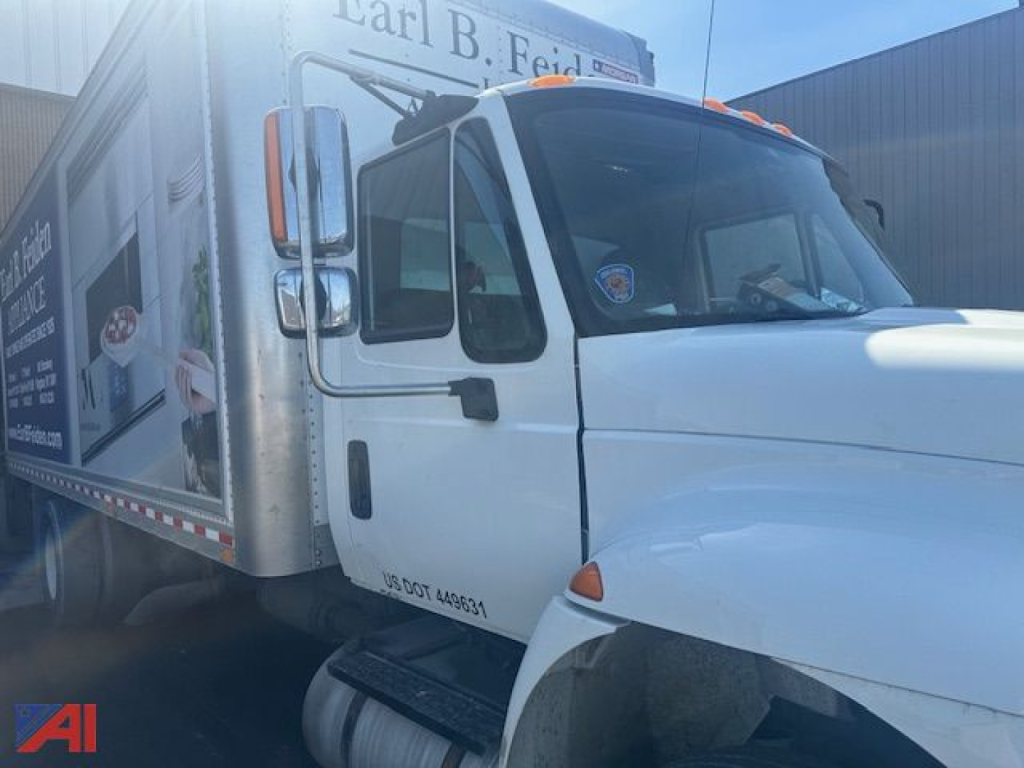
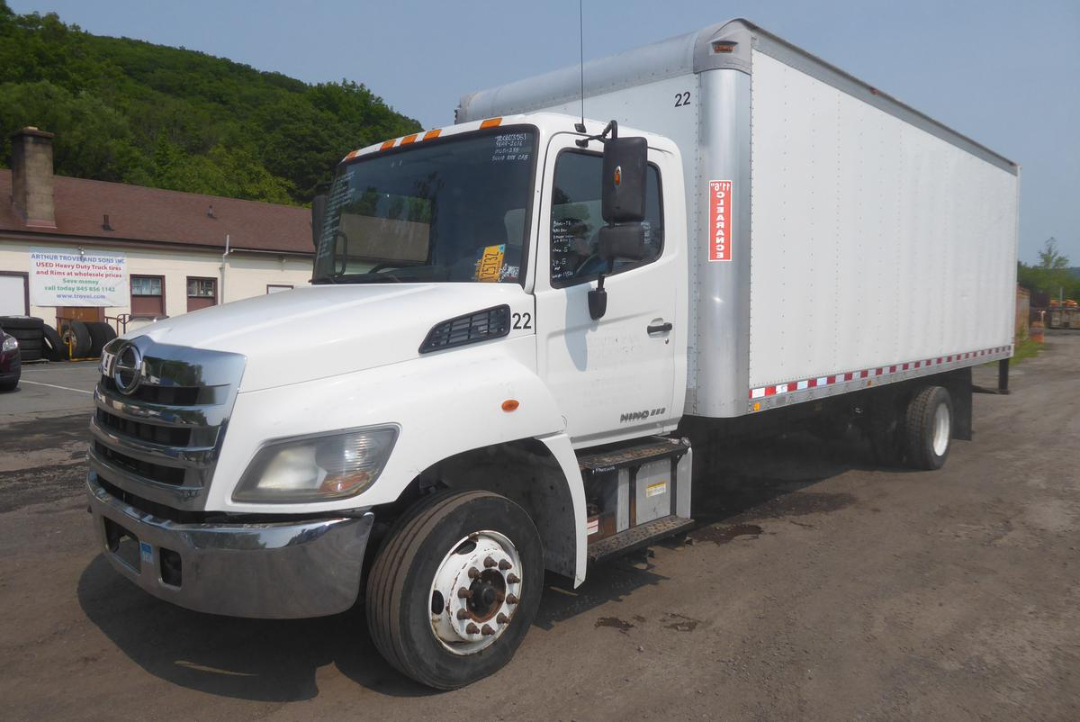
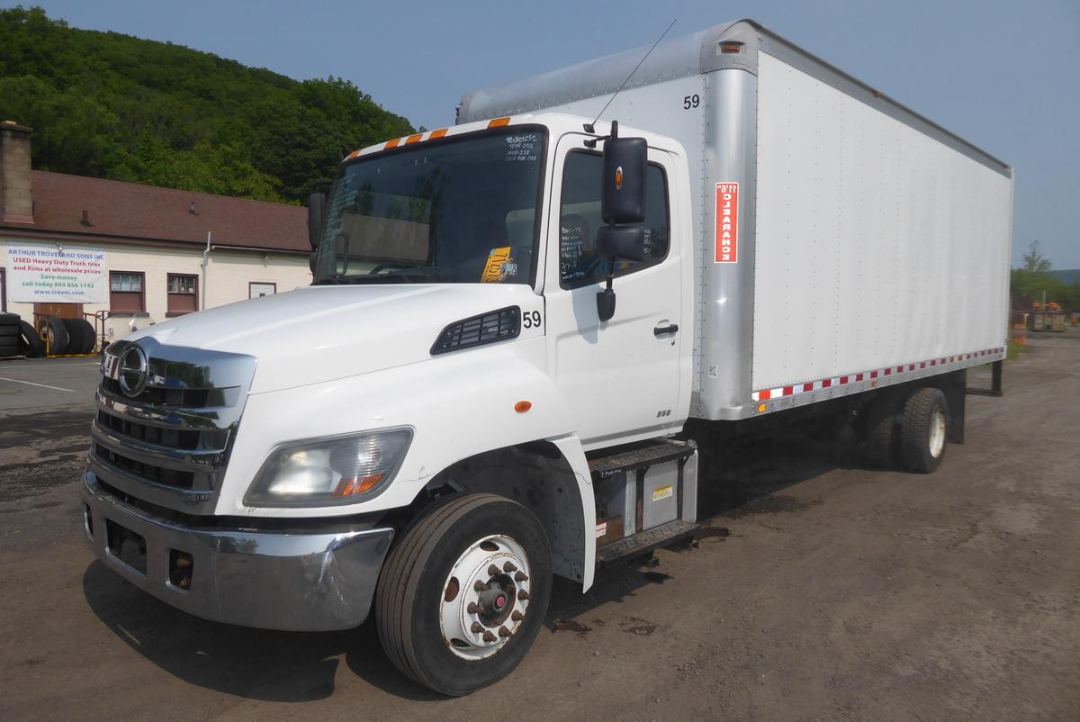
Selling a 2016 box truck? List your 2016 box truck for sale and reach thousands of commercial buyers.
2016 Box Trucks in New York
The first buying decision is usually size and weight class. A 2016 box truck may be built on a cabover chassis such as an Isuzu or similar low-cab-forward platform, or on a conventional chassis such as a Freightliner M2. Common GVWR ranges run from about 17,950 pounds in lighter Class 5 units up to 25,500 or 26,000 pounds in heavier non-CDL or near-CDL configurations, depending on spec. Box lengths often fall between 14 feet and 26 feet, with 16-foot, 20-foot, 22-foot, and 26-foot bodies being the most common. Buyers should look closely at wheelbase, cab-to-axle measurement, inside body height, rear door opening, and floor material because these details determine pallet count, dock compatibility, and turning radius far more than the model badge alone.
Body equipment can matter as much as the truck itself. Many 2016 box trucks are equipped with roll-up rear doors, curb-side access doors, translucent roofs, E-track or wood slat lining, and aluminum or hardwood floors. A liftgate can be a major value point for city delivery, especially for routes without dock access. Tommy Gate, Waltco, and Maxon are common names, and capacity ratings around 1,500 to 3,000 pounds are typical depending on the application. Buyers hauling carts, appliances, or beverages should also pay attention to scuff liners, interior tie-down points, and floor condition. In New York service, corrosion, frame condition, and rear door wear deserve extra attention, particularly on trucks that have spent years in winter road salt and tight urban loading environments.
On the powertrain side, 2016 box trucks commonly use medium-duty diesel engines paired with automatic transmissions, with hydraulic brakes on lighter units and air brakes on heavier specs. Fuel economy, service access, and emissions history should all be reviewed carefully. For dense metro work, cabover trucks are attractive because of their maneuverability and shorter overall length. For higher GVWR, longer wheelbase stability, or more highway time, a conventional chassis may be the better fit. A smart buyer compares not just mileage, but engine hours, idle time, rear axle ratio, suspension type, tire size, and documented maintenance. The right 2016 box truck is the one whose body size, payload, brake system, and loading setup match the route it will run every day.
Frequently Asked Questions about 2016 Box Trucks in New York
What GVWR is most common for a 2016 box truck?
A 2016 box truck is commonly found in GVWR ranges from about 17,950 pounds up to 26,000 pounds. Lighter Class 5 and Class 6 units are common for city delivery because they balance payload with maneuverability, while heavier specs are better for larger bodies and denser freight. The right GVWR depends on cargo weight, body length, liftgate weight, and whether the truck needs to stay under CDL thresholds.
What box length should I look for on a 2016 box truck?
Common box lengths on a 2016 box truck include 14, 16, 20, 22, and 26 feet. A 16-foot body works well for tighter urban routes and service deliveries, while 20-foot to 26-foot bodies are more common for furniture, appliances, moving, and higher cube freight. Buyers should verify usable interior dimensions, rear door opening height, and cab-to-axle measurement because advertised box length alone does not tell the full cargo story.
Is a liftgate worth it on a used 2016 box truck?
A liftgate is often worth the added cost if the truck will make deliveries to locations without dock access. It improves route flexibility and reduces manual handling for palletized freight, equipment, and heavy consumer goods. On a used 2016 box truck, the buyer should inspect liftgate capacity, platform condition, hydraulic function, wiring, and signs of leakage or structural fatigue, because replacement and repair costs can be significant.
Are cabover or conventional 2016 box trucks better for New York operation?
Cabover box trucks are often preferred in New York because they offer a tighter turning radius, shorter bumper-to-body length, and better maneuverability in dense city traffic and alleys. Conventional chassis trucks usually provide a more familiar service layout, improved highway ride, and stronger fit for larger GVWR applications. The better choice depends on route density, parking conditions, bridge and street constraints, and how much of the truck's duty cycle is urban versus regional.
What should I inspect first on a 2016 used box truck?
Start with rust and structural condition, especially on the frame, body mounts, crossmembers, door frame, and liftgate area. Then review engine hours, maintenance records, tire wear, brake type and condition, transmission operation, and any emissions-system history. On the cargo body, check the roof, floor, sidewalls, rear door, and seals because body repairs on a working delivery truck can quickly add up and affect uptime.