
2013 Trucks For Sale in New York
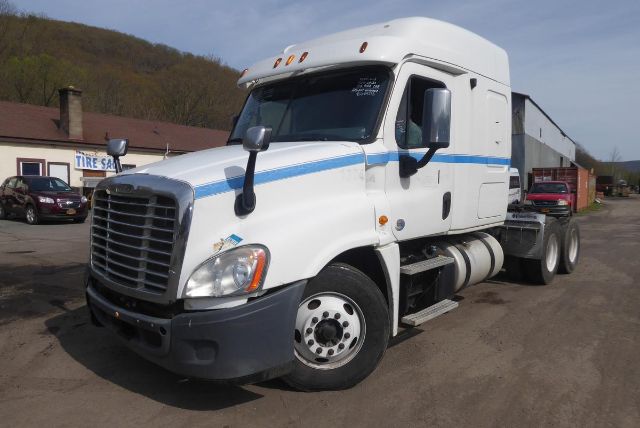
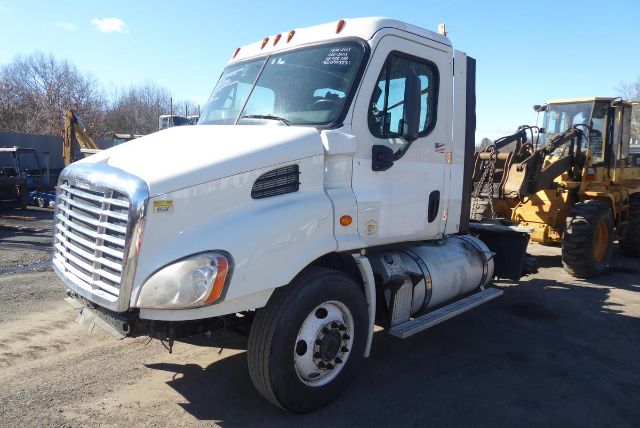
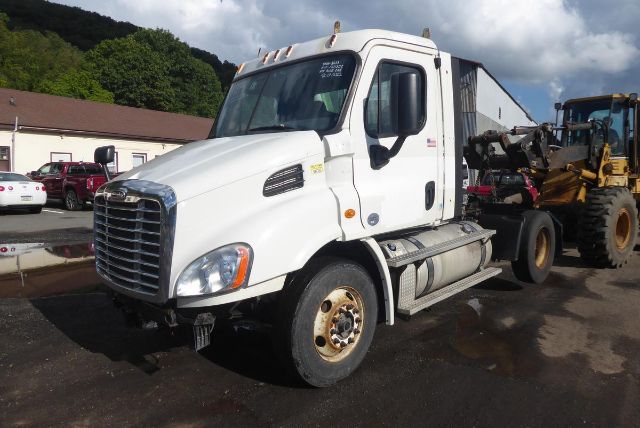
Browse 2013 trucks for sale in New York, including day cabs, box trucks, dump trucks, and cab & chassis units for regional or vocational work.
Learn more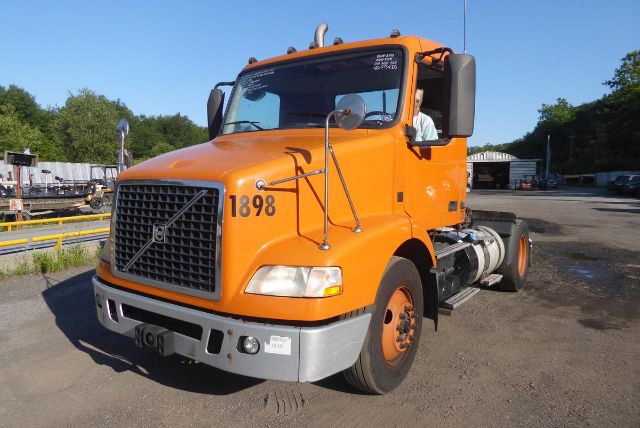
Showing 25 to 28 of 28 results
Have 2013 truck to sell? List it here to reach thousands of buyers.
About 2013 Trucks in New York
For highway and regional hauling, many 2013 trucks on the market are tandem axle road tractors or day cabs with 6x4 configurations, air ride suspensions, and automated or manual transmissions. Common engine families in this age range include Detroit DD13 and DD15, Cummins ISX, Volvo D13, Mack MP-series, and Paccar MX platforms, with horsepower often landing in the 350 to 500 hp range depending on intended use. Buyers should pay close attention to rear axle ratios, suspension type, brake spec, and wheelbase because those details directly affect fuel economy, maneuverability, and trailer compatibility. A lower numeric ratio like 3.08 generally favors fuel-conscious highway work, while a deeper ratio is more useful in heavier vocational service or tighter route conditions.
For vocational buyers, 2013 trucks are often found as dump trucks, straight trucks, and cab and chassis units ready for bodies such as dump, flatbed, van body, hooklift, or utility equipment. In these applications, the important checkpoints are frame condition, PTO setup, wetline presence, front axle rating, rear suspension design, and whether the chassis has a single or double frame. A severe-service truck in New York also deserves close inspection for rust around cab mounts, spring hangers, crossmembers, air tanks, electrical connections, and body hoist components. If the truck has emissions equipment such as DEF and aftertreatment systems, verify that it is functioning correctly and not operating in a derate condition, since repairs can quickly change the real cost of ownership.
A smart 2013 truck purchase is less about the badge on the hood and more about matching spec to route, payload, and maintenance budget. Look at engine hours alongside odometer miles, confirm transmission operation under load, and inspect tires, brakes, suspension bushings, and driveline components for deferred maintenance. For box trucks, check body dimensions, floor condition, door operation, and roof integrity. For tractors, confirm fifth wheel type, frame layout, and axle ratings. For dump and chassis units, verify hydraulic function and body compatibility. A well-matched 2013 truck can still be a productive, dependable asset for local delivery, municipal work, construction support, regional freight, and fleet replacement planning.
Frequently Asked Questions
What should I look for first when buying a 2013 used truck in New York?
Start with frame and cab condition, especially rust and corrosion, because New York road salt can affect structural components, cab mounts, brake lines, air tanks, wiring, and suspension hardware. After that, verify engine hours, odometer reading, emissions system status, and whether the truck has any active fault codes or derate issues. The best first-pass evaluation is to confirm that the truck’s axle ratings, wheelbase, transmission, and body setup actually match the work you need it to do.
Are 2013 diesel trucks expensive to maintain because of emissions equipment?
They can be, depending on service history and current condition. Many 2013 diesel trucks use DEF, diesel particulate filters, and other aftertreatment components that must be operating correctly to avoid downtime and power derates. A well-maintained truck from this model year can still be a solid value, but a neglected emissions system can lead to costly repairs, so buyers should inspect service records, scan for fault codes, and confirm normal regen and DEF operation before purchase.
Is a 2013 day cab a good choice for regional or local hauling?
Yes, a 2013 day cab can be a strong fit for regional freight, port work, dedicated lanes, and local trailer moves if the truck is spec'd correctly. Look for a wheelbase that suits your turning needs, a rear axle ratio that fits your average speed and load, and a transmission that your drivers and routes support. Tandem axle 6x4 units with air ride suspension and a 40,000 lb rear are common for this kind of work and remain practical for many fleets.
What matters most on a 2013 box truck or straight truck?
Body condition is just as important as chassis condition. Buyers should check body length, inside height, floor wear, roll-up or swing door operation, roof leaks, front wall condition, and any signs of damage around the subframe mounting points. On the chassis side, confirm GVWR, front and rear axle ratings, brake type, suspension design, and whether the powertrain is appropriate for city delivery, moving work, or heavier payload applications.
How do I know if a 2013 cab and chassis or dump truck is properly spec'd for vocational work?
Check the truck’s frame, axle ratings, suspension, transmission, PTO provision, and hydraulic setup against the body or equipment you plan to run. Vocational trucks often need higher front axle capacity, deeper rear ratios, heavier suspensions, and double-frame construction depending on the application. If the truck already has a wetline or hydraulic PTO, verify that it functions properly and that the wheelbase and cab-to-axle dimensions are suitable for the body length or vocational equipment you intend to install.