
1988 Commercial Trucks For Sale in New York
Browse 1988 trucks for sale in New York, including vocational and highway models with classic mechanical drivetrains and serviceable components.
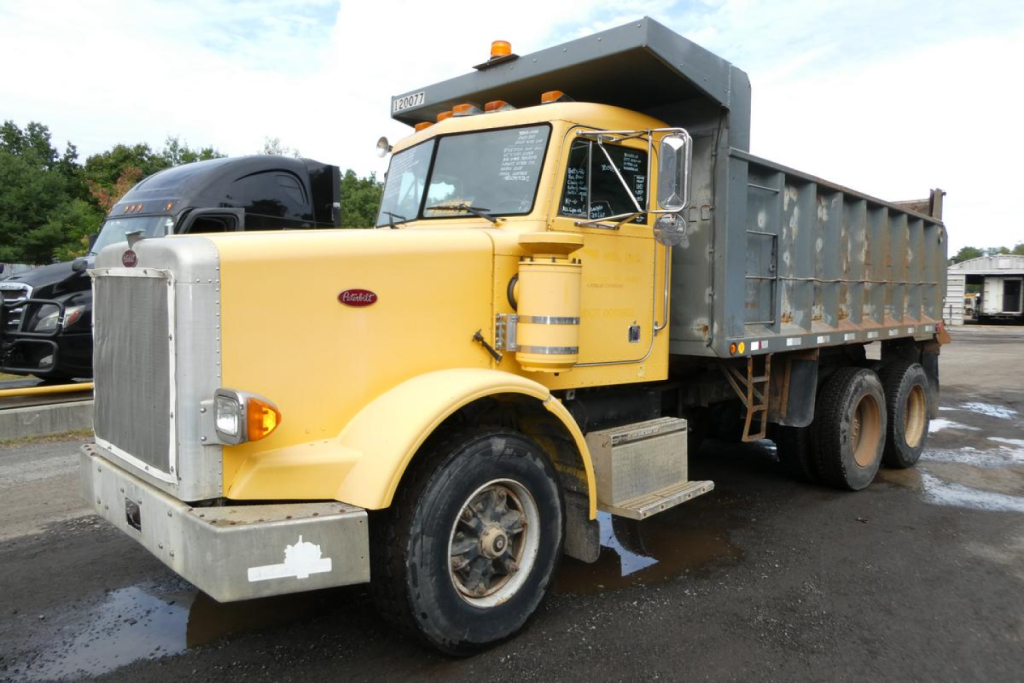
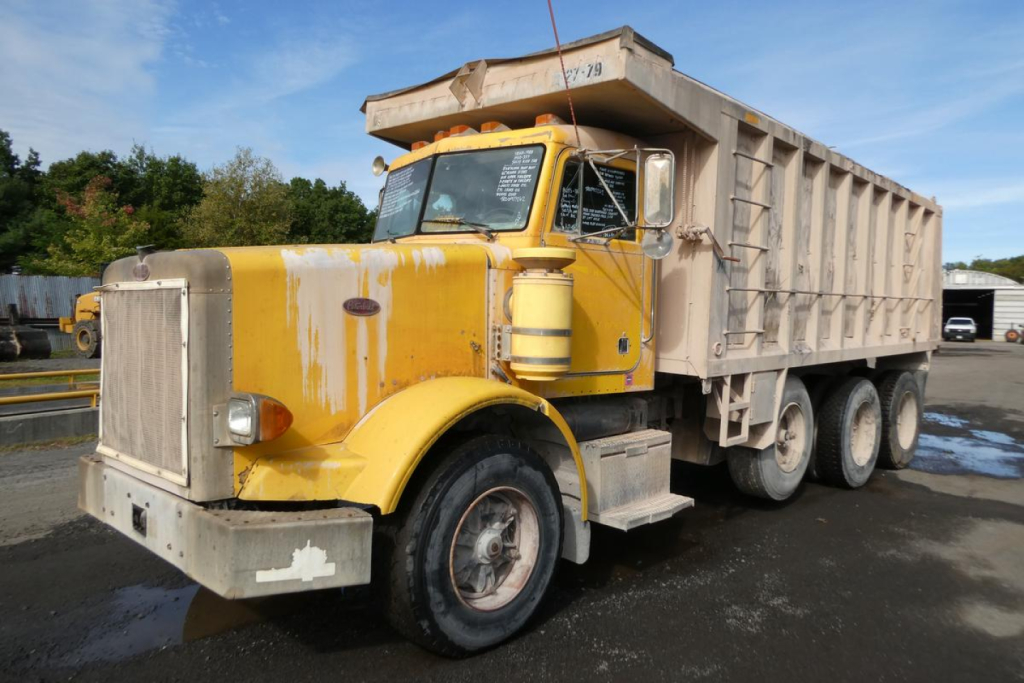
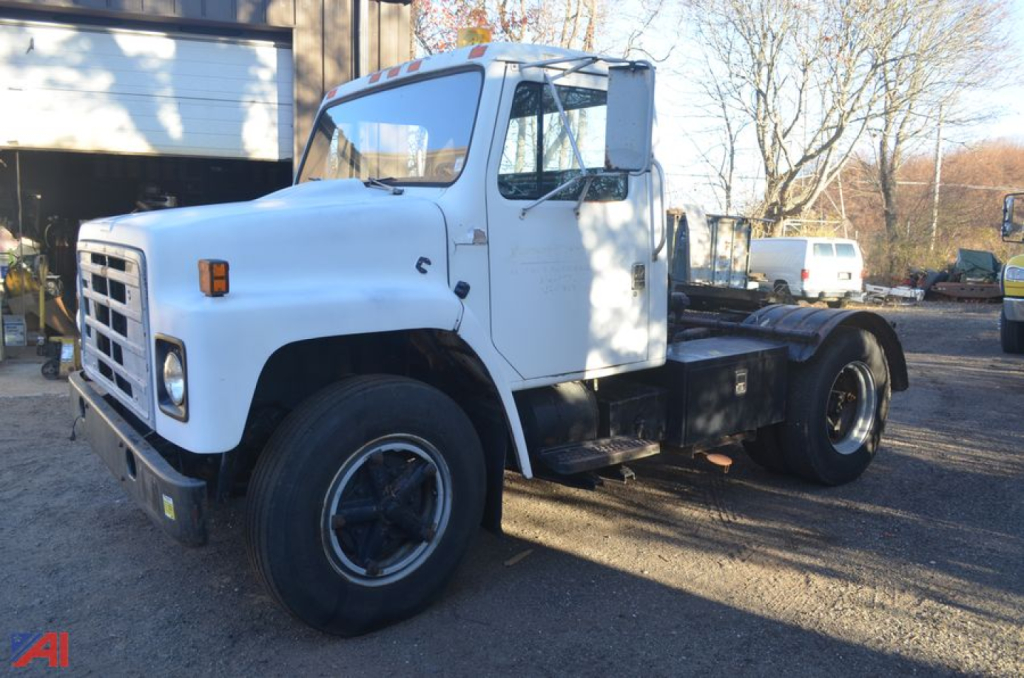
Selling a 1988 commercial truck? List your 1988 commercial truck for sale and reach thousands of commercial buyers.
1988 Commercial Trucks in New York
The big buying decision on a 1988 truck is usually the drivetrain and the frame, not the paint or interior. Many trucks from this era use mechanical diesel engines or early electronic platforms paired with manual transmissions, Fuller roadrangers, Allison automatics, and durable tandem rears. Axle ratings, suspension type, and wheelbase matter more than model year alone. A buyer should pay close attention to frame corrosion, spring hangers, crossmembers, steering play, brake system condition, and signs of hard municipal or winter-service use, especially in New York where road salt can shorten the life of cabs, wiring, air lines, and underbody components. On vocational trucks, also inspect PTO operation, hoists, wet kits, hydraulic lines, and body mounting points.
1988 trucks can still make sense when the application is clear. A single-axle dump for local material handling, an older tandem for yard spotting or off-road work, or a cab and chassis for a niche body install can be cost-effective if parts support remains strong. Common engines from the period may include Detroit Diesel, Caterpillar, Cummins, Mack, and International platforms, and many still have broad aftermarket parts availability. Buyers should confirm transmission model, rear axle ratio, brake type, tire size, and whether the truck uses air ride or spring suspension. If the truck will see public-road use, registration class, brake compliance, lighting, and local inspection requirements should be verified early in the process.
For many buyers, the value of a 1988 truck is in its straightforward design. These trucks are often easier to diagnose, easier to repower or rebuild, and less expensive to own when used in lower-mileage duty cycles. The tradeoff is that cab comfort, turning radius, noise control, and parts interchange can vary widely by make and model. A careful inspection should include cold start behavior, blow-by, clutch engagement, driveline vibration, axle seals, hydraulic function if equipped, and evidence of previous frame repairs. When the truck's intended job matches its spec, an older unit from this era can still be a practical work truck.
Frequently Asked Questions about 1988 Commercial Trucks in New York
Are 1988 trucks good candidates for work use today?
They can be, but only when the application matches the truck. A 1988 truck is often best suited for seasonal work, farm use, private property operation, municipal backup duty, export, or lower-mileage vocational service. Their main advantage is mechanical simplicity and the absence of modern emissions equipment. Their main risk is age-related wear in the frame, wiring, brake system, and hydraulics. A strong inspection matters more than the model year badge.
What should I inspect first on a 1988 used truck in New York?
Start with rust and structural condition. In New York, frame rails, crossmembers, cab mounts, spring hangers, floors, brake lines, fuel tanks, and electrical connections can all suffer from corrosion due to winter road treatment. After that, inspect engine starting, smoke, coolant condition, transmission operation, steering looseness, suspension wear, and PTO or body equipment if the truck is vocational. Rust repair and electrical repair can quickly outweigh the purchase price on an older truck.
Do 1988 trucks usually have emissions equipment like DEF or DPF systems?
No. Trucks from 1988 were built well before DEF and diesel particulate filter systems became standard in the heavy-duty market. That is one reason buyers still seek them out for certain uses. Simpler emissions configurations can reduce maintenance complexity, but buyers still need to confirm local operating rules, registration requirements, and any restrictions tied to on-road use, fleet compliance, or municipal contracts.
What types of 1988 trucks are most common on the used market?
Many 1988 trucks that remain in service are vocational units rather than over-the-road sleepers. Common examples include dump trucks, tank trucks, cab and chassis units, municipal plow trucks, utility trucks, and older daycabs. These trucks were often built with heavier frames, PTO capability, and durable mechanical drivetrains, which is why they tend to survive in secondary and specialty markets longer than general highway tractors.
Is parts availability a problem for a 1988 truck?
It depends on the make, engine, and component brands. Wear items such as brakes, suspension parts, seals, bearings, driveline components, and many transmission parts are often still obtainable through aftermarket channels. Engine support is generally better when the truck has a widely used Cummins, Detroit Diesel, Caterpillar, Mack, or International platform. Cab trim, body hardware, and model-specific electrical parts can be harder to source, so component identification is important before purchase.