
1988 Commercial Trucks For Sale
Explore 1988 trucks: pre-emissions power, mechanical drivetrains, key inspections, compliance and upgrade tips for semi, dump and vocational units.
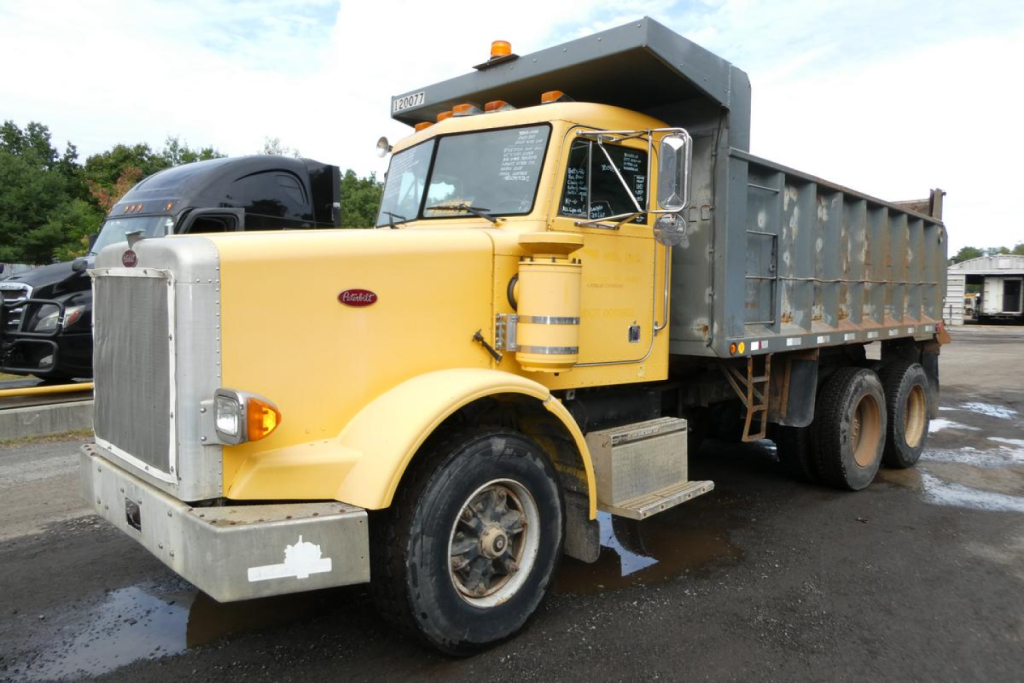
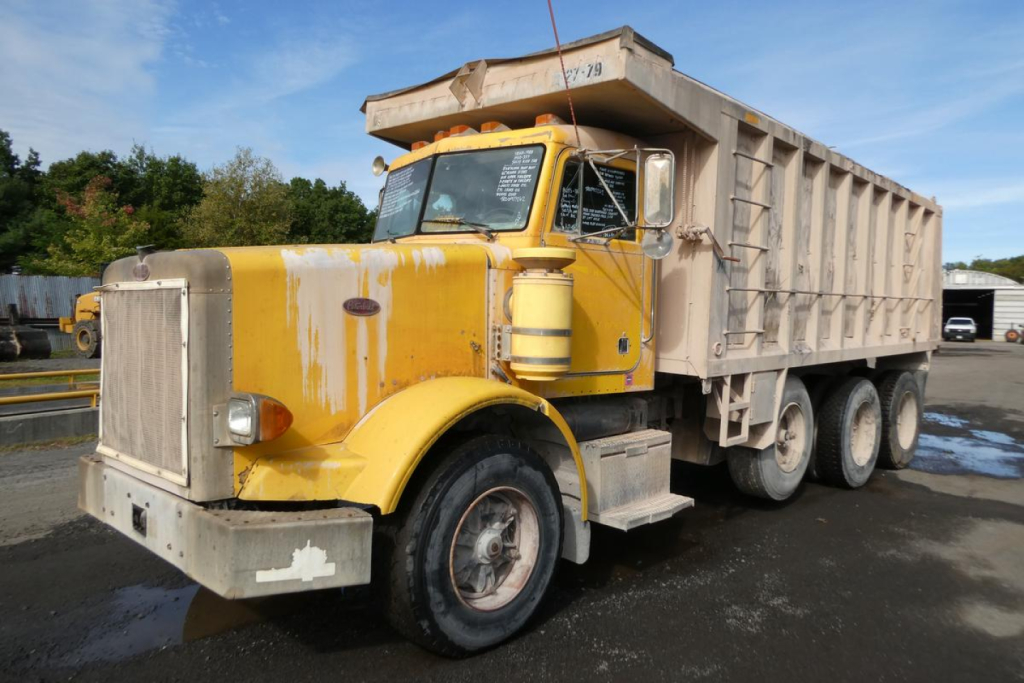
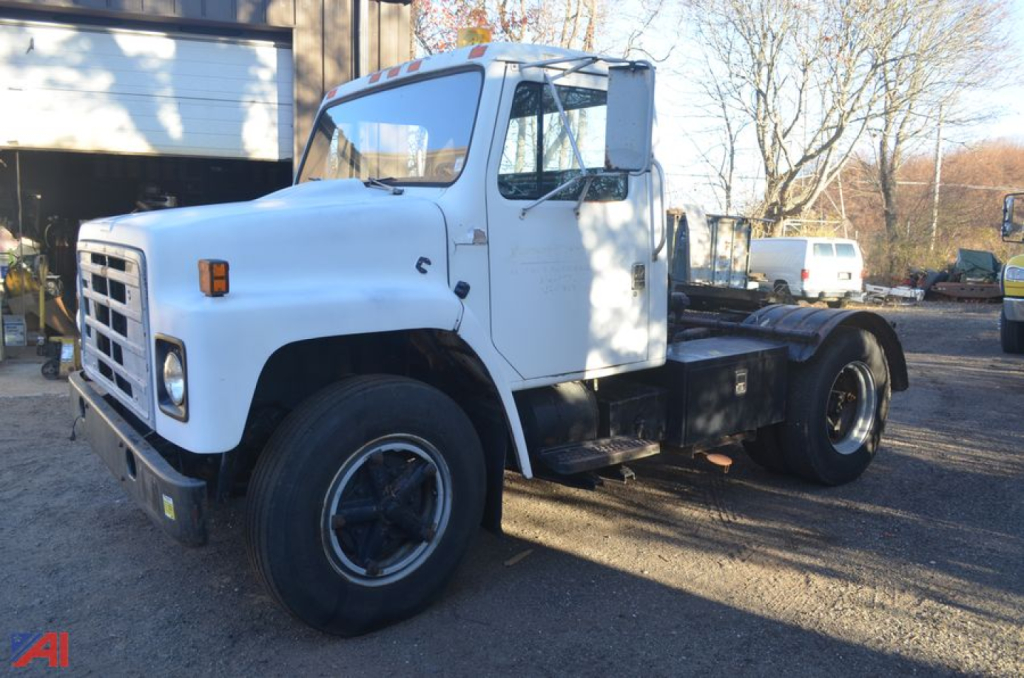
Selling a 1988 commercial truck? List your 1988 commercial truck for sale and reach thousands of commercial buyers.
1988 Commercial Trucks
Drivetrain specs from this era center on Fuller Roadranger 9, 10, 13 and 15 speed boxes, often paired with 3.36 to 4.33 rear ratios. Gearing choice matters for today’s highway speeds and grades. Air ride tandems improve ride and protect freight, while Hendrickson walking beam or Mack Camelback deliver durability for off-road work at the cost of comfort. Brakes are almost always S-cam drums, sometimes wedge on certain makes, with many units built before automatic slack adjusters and before ABS requirements. Wheel and tire setups may be 22.5 or 24.5, and many older trucks use stud-piloted Budd wheels. Converting to hub-piloted wheels can simplify tire service and improve parts availability.
Applications tend to be vocational and regional. 1988 semi trucks still pull van, flatbed or tanker with modest annual miles, and 1988 dump trucks, mixers and loggers remain common where durability matters more than aero. Day cabs and older sleepers range from compact 36 inch bunks to larger double bunks, but HVAC and insulation trail modern standards. Electrical systems, R12 air conditioning, radiators and wiring harnesses are age sensitive. Cabovers from this era are attractive for tight urban or port work and for collectors, but cab structure, rust and unobtainable trim pieces deserve extra scrutiny.
Ownership comes down to compliance, parts support and condition. California and certain regions restrict pre-2010 engines for commercial operation, and opacity tests or registration class limits may apply. Parts for popular platforms are still strong through aftermarket and salvage, but cosmetic trim and interior plastics can be scarce. A thorough pre-purchase inspection should include cold start, blowby check, oil sample, dyno or road pull, frame rail and crossmember inspection for rust jacking, kingpins and bushings, fifth wheel locks, brake measurements and air system leak-down. Verify documented in-frame or head work with receipts, confirm axle ratings and gear ratio tags, and plan for R134a conversion if the A/C is original. Expect lower acquisition cost with higher hands-on maintenance, which suits farm fleets, specialty contractors, export buyers and show truck projects.
Frequently Asked Questions about 1988 Commercial Trucks
Are 1988 trucks legal to operate on public roads today?
Yes, but legality depends on where you run and how you register the truck. Many states allow commercial operation if the vehicle passes annual safety inspections and any required emissions or opacity tests. California and some air districts restrict pre-2010 diesel engines for most commercial use, which effectively sidelines many 1988 units from intrastate work. Hobby, farm or antique registrations may be permitted for limited use. Always verify state and local rules before committing to a route or contract.
What engines and transmissions are common on 1988 trucks and how do they affect maintenance?
Common engines include Caterpillar 3406B, Cummins Big Cam and Detroit 8V92, with some early Detroit Series 60 in the mix. Most are mechanical injection designs with simple electronics, which makes diagnostics and field repairs straightforward and often less expensive. Fuller Roadranger 9, 10, 13 and 15 speed transmissions dominate, with clutch condition and shift quality being key. Expect regular valve and injector set checks, attention to fuel leaks, and age related sealing work. Parts availability is generally good for major components on popular models.
What should I inspect on a 1988 chassis before purchase?
Start with the frame rails, crossmembers and suspension hangers for rust jacking and cracks. Check kingpins, tie rods, spring pins and torque rods for play. Measure brake linings, inspect drums for heat checking and confirm slack adjuster type and function. Perform a cold start to assess smoke and blowby, then road test for power, shift quality and vibrations. Pressure test the cooling system, inspect wiring looms for brittle insulation, confirm VIN tags and axle ratio tags, and verify any in-frame or head work with dated receipts. An oil sample and dyno pull provide valuable risk reduction.
Can an older 1988 truck be upgraded for modern use?
Many owners retrofit safety and serviceability items. Common upgrades include LED lighting, improved seats, modern mirrors, automatic slack adjusters, hub-piloted wheels, air-ride cab kits, wet kits for vocational work and R134a A/C conversion. Some owners regear differentials to match target cruise speeds or add a Jacobs brake if not equipped. Upgrades improve usability and uptime, but budget for wiring repairs and bracketry since accessory mounting points and harness capacity may be limited compared to newer cabs.
What fuel economy can I expect from a 1988 semi and how does gearing impact it?
Most 1988 highway tractors return roughly 5 to 6.5 mpg depending on engine, aero, load, terrain and speed. Long hood conventionals and older trailers increase drag, and two-stroke Detroits tend to consume more fuel under heavy load. Taller gearing like 3.36 to 3.70 paired with a direct or double overdrive transmission supports lower cruise RPM and better mpg at 60 to 65 mph, while deep gears like 4.11 to 4.33 help in off-road and hilly work at the cost of fuel economy. Tire type, alignment and wheel choice also influence results.