
1986 Commercial Trucks For Sale in New York
Buyer’s guide to 1986 trucks in New York, covering frame corrosion, floor strength, thermal integrity, tare weight, driveline and compliance.
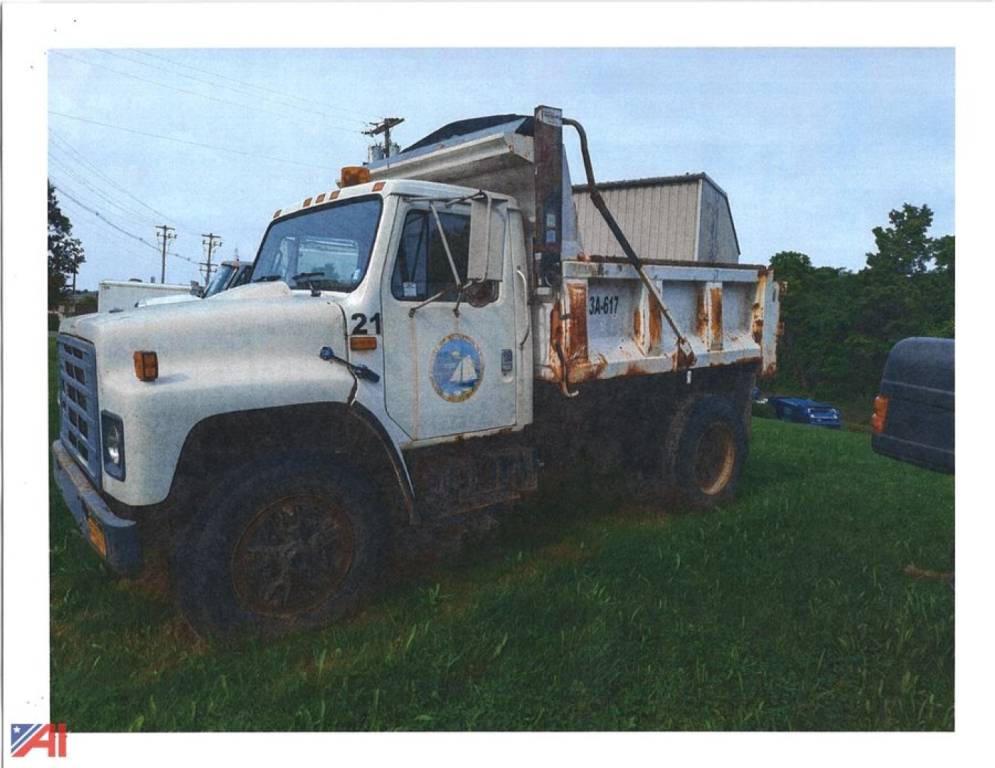
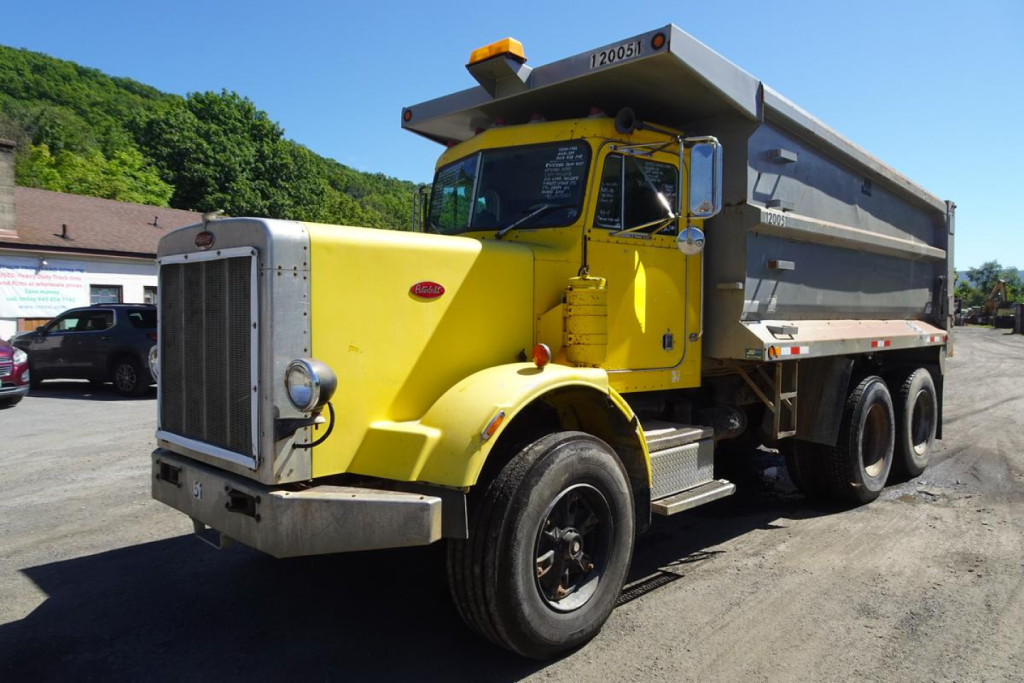
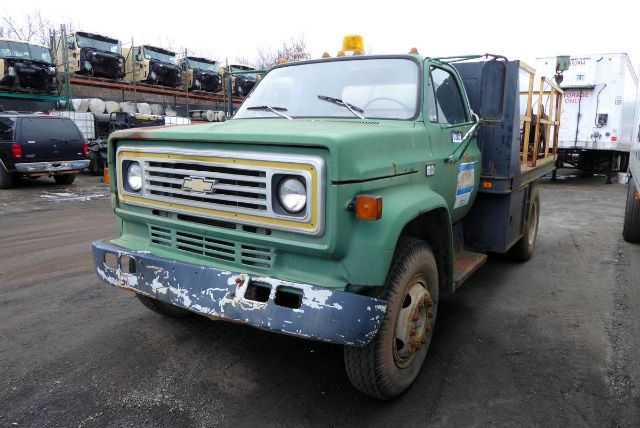
Selling a 1986 commercial truck? List your 1986 commercial truck for sale and reach thousands of commercial buyers.
1986 Commercial Trucks in New York
Structural condition drives long‑term value in this model year. Frames should be gauged for section loss from salt exposure, focus on inner rails, crossmembers, spring hangers, cab mounts, and fifth‑wheel brackets; scaling, delamination, and pitting reduce capacity and complicate alignment. Corrosion resistance varies by spec, aluminum cabs and wheels reduce rust risk, but watch for galvanic activity around steel fasteners and battery boxes. Floor strength matters across bodies, on dry vans and straight trucks look for hardwood plank thickness of roughly 1.25 to 1.5 inches, tight fasteners, and 12 to 16 inch crossmember spacing that has not sagged; on flatbeds check deck thickness, outer rail straightness, and stake pocket integrity; on dumps measure floor plate thickness and look for waves or patches that signal heavy impact cycles.
Thermal integrity is critical if the truck carries an insulated or refrigerated body. Foam panels should be intact with no water intrusion, door seals even and pliable, and no wall delamination at rivets; compromised vapor barriers add fuel burn and shorten hold times. Older reefer units can be reliable if serviced, verify compressor output, condenser cleanliness, and that the box can pull down and hold near setpoint relative to ambient for a timed period. Scuff liners, dock plates, and pallet jack wear points often hide cold‑bridging damage; replace cracked liners to protect insulation and extend asset life.
Tare weight on 1986 builds tends to be higher when bodies and frames are all steel, which directly reduces legal payload and can push axle weights near limits on short wheelbases; aluminum bodies, wheels, and fuel tanks trim weight and improve corrosion resistance. Confirm GVWR, axle ratings, and wheelbase against New York bridge and roadway limits, then calculate payload with full fuel, driver, and mounted equipment. Transmission type and rear ratio set cruise rpm, fuel burn, and gradeability; many non‑synchro boxes are durable but demand a clutch in top condition. For New York usage, prioritize clean wiring, reliable lighting, intact air lines, and underbody coatings; a sound chassis and preserved floor system are worth more than cosmetics on an asset of this vintage.
Frequently Asked Questions about 1986 Commercial Trucks in New York
What frame and corrosion checkpoints matter most on a 1986 truck in New York?
Inspect inner and outer frame rails for section loss, crossmembers for cracking near rivets, spring hangers and torque rod brackets for rust jacking, and cab mounts for crushed bushings. Look under the battery box, around fuel tank straps, and at brake line clamps for localized corrosion. Fresh undercoating over scale is a red flag, you want clean metal, uniform coatings, and straight rails with proper flange thickness.
How do I evaluate floor strength on a 1986 box truck, flatbed, or dump?
For van bodies, measure hardwood or composite deck thickness, confirm tight fasteners, and check crossmember spacing and straightness. For flatbeds, verify deck plate or plank thickness, outer rail straightness, winch track condition, and stake pocket integrity. For dumps, measure floor and tailgate plate thickness, look for waves, patches, or heat‑affected zones near prior repairs, and confirm hoist geometry raises the body smoothly under load.
How can I judge thermal integrity on an older reefer or insulated body?
Check for door seal compression, hinge alignment, and latch tension, then look for wall or ceiling delamination, wet spots, or blistered rivet lines that suggest vapor barrier failure. Run the unit to confirm pull‑down time and hold time relative to ambient, inspect scuff liners and threshold plates for punctures that create cold bridges, and confirm drain tubes are clear so water does not saturate insulation.
What tare weight and payload trade‑offs should I expect on a 1986 truck?
Steel bodies and steel wheels add durability but increase tare weight, which reduces legal payload and can bias axle loads on short wheelbases. Aluminum bodies, wheels, and tanks trim weight and resist corrosion, but may require more attentive fastener maintenance. Always verify GVWR, axle ratings, and wheelbase, then compute payload with full fuel, driver, tools, and any mounted equipment to avoid overweight fines.
Are parts and service still practical for 1986 pre‑emissions diesels and drivetrains?
Yes in most cases. Common engines like CAT 3406B, Cummins Big Cam, Detroit 71 or 92 Series, and medium‑duty platforms like DT466 have solid aftermarket support. Wear items for S‑cam brakes, clutches, u‑joints, and leaf springs are widely available. Electrical harnesses and vintage cab components can be the bottleneck, so factor wiring refresh, lighting upgrades, and gauge repairs into your budget.