
1986 Commercial Trucks For Sale
Explore 1986 trucks for sale, from day cabs to dumps. Pre-emissions diesels, verify frame, floors, tare weight, and corrosion to match your payload.
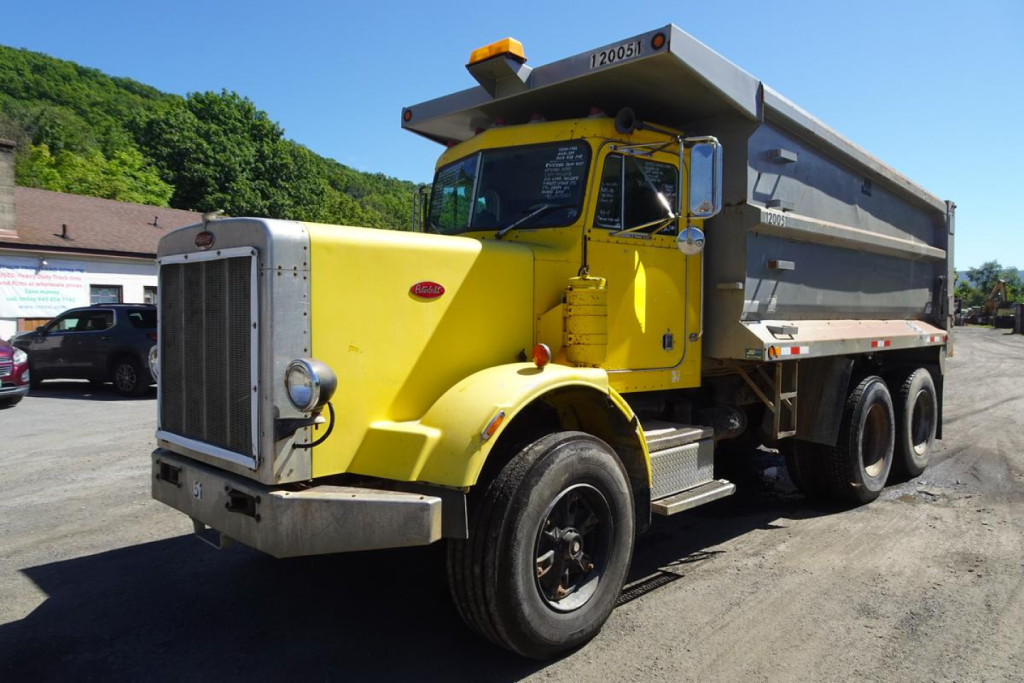
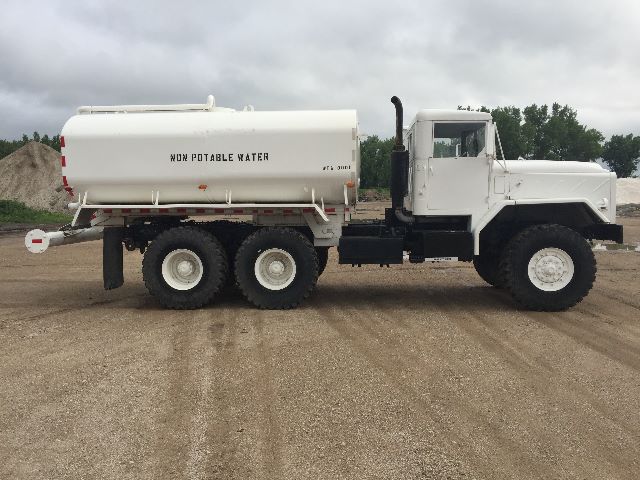
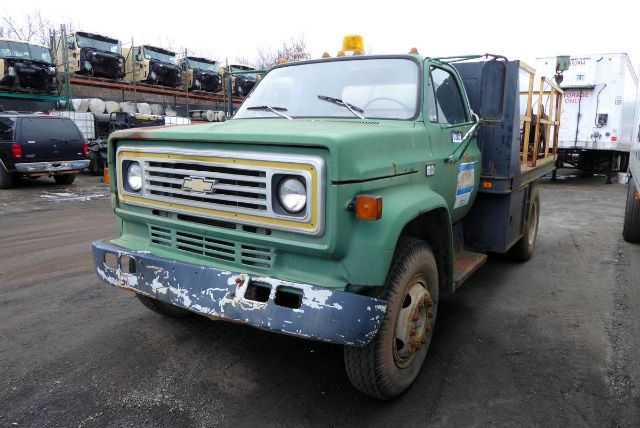
Selling a 1986 commercial truck? List your 1986 commercial truck for sale and reach thousands of commercial buyers.
1986 Commercial Trucks
Start with the structure. Inspect frame rails for scaling, flaking, and prior drill holes, check crossmembers, spring hangers, cab mounts, and fifth wheel plates for cracks or elongation. Aluminum cabs and tanks resist rust, but look for galvanic corrosion at mixed-metal joints and evidence of previous repairs. Floor strength matters on vocational bodies, hardwood or aluminum van floors with 12 inch crossmember spacing carry forklifts better than 16 inch spacing, scuff liners, threshold plates, and rear door frames should be tight and free of rot. On flatbeds check deck thickness, stake pockets, and rub rails, on dumps check floor plating, sidewall bowing, and hoist mount integrity.
Tare weight drives payload and fuel spend. Older steel frames, spring suspensions, and steel wheels are heavier, lightweight specs like aluminum wheels, aluminum cabs, air ride, and smaller fuel tanks can trim hundreds of pounds. Typical 1986 powertrains include Cummins Big Cam variants, Caterpillar 3406B, and Detroit Diesel 6V or 8V two strokes, usually paired with Fuller 9, 10, or 13 speed manuals. Verify cold start quality, oil pressure at hot idle, blow-by at the breather, clutch life, driveline U-joints, and rear axle ratio to ensure the truck will pull your grade at your target cruise RPM without overspeeding. For tractors, wheelbase and fifth wheel position must keep axle weights legal with your trailer, for straight trucks, confirm body length and axle spacing support the intended payload.
Thermal integrity matters if a reefer body is involved, aged polyurethane foam can lose R-value and wet insulation adds weight. Check for delamination, vapor barrier breaches at sidewall seams, and door gasket compression, a modern reefer unit retrofit can stabilize box temperatures and reduce fuel burn. Across all 1986 trucks, evaluate brake foundation hardware, many have manual slack adjusters and S-cam drums, air system dryer's condition, and wiring harness repairs. Corrosion resistance is highly usage dependent, salt exposure accelerates frame and cab rot, look for pitting around fasteners and at the rear frame kick-up. Pre-emissions trucks simplify maintenance, but confirm local rules for low emission zones and port access, then balance structural soundness, floor strength, tare weight, and corrosion history against your route and payload.
Frequently Asked Questions about 1986 Commercial Trucks
Which engines and transmissions are common on 1986 trucks, and what should I check before purchase?
Common engines include Cummins Big Cam series, Caterpillar 3406B, and Detroit Diesel 6V92 or 8V92 two strokes, typically paired with Fuller Roadranger 9, 10, or 13 speed manuals. Check cold start behavior, hot idle oil pressure, turbo shaft play, fuel leaks, and crankcase blow-by. Road test for clean shifts, clutch engagement near mid travel, no vibration under load, and verify axle ratio and tire size align with your target cruise speed.
How do I evaluate frame condition and corrosion on a 1986 truck?
Measure frame rail thickness where possible and look for scaling, flaking, and swelling around rivets or bolt holes. Inspect crossmembers, spring hangers, torque rod brackets, fifth wheel mounts, and cab mounts for cracks or elongation. Pay close attention to the rear frame kick-up and under battery boxes, and note any heat-affected zones from past welding. Aluminum components resist rust, but check for galvanic corrosion at steel to aluminum interfaces.
What indicates adequate floor strength on older van, flatbed, or dump bodies?
For van and reefer bodies, tighter crossmember spacing like 12 inch typically supports forklift traffic better than 16 inch, and intact hardwood or aluminum floors with solid threshold plates and scuff liners reduce punctures and edge damage. On flatbeds, look for minimal deck deflection, sound tie-down pockets, and straight rub rails. On dumps, examine floor plating for thinning or patches, sidewall bowing, hoist pivot wear, and the subframe attachment to the chassis.
How does tare weight on a 1986 truck affect operations, and can it be reduced?
Higher tare weight reduces legal payload and can increase fuel burn and brake wear. Older steel frames, spring suspensions, and steel wheels are heavier, while aluminum wheels, aluminum cabs, air ride suspensions, and right-sized fuel tanks can remove several hundred pounds. Verify actual scale tickets, not estimates, and balance any weight savings against durability needs for your route and commodity.
How should I assess thermal integrity on a 1986 refrigerated box?
Expect some R-value loss over time as foam insulation ages. Look for delamination, water intrusion at seams, stained liner panels, and crushed door gaskets. Weigh the truck to detect hidden water weight in saturated insulation. A tight vapor barrier, straight door frames, and functioning drain paths matter, and a modern reefer unit retrofit can improve pull-down times and fuel efficiency if the box structure is still sound.