
1983 Commercial Trucks For Sale
Shop 1983 trucks for sale. Classic semi tractors, cabovers, and dumps with mechanical diesels like Cummins Big Cam and CAT 3406. Specs, uses, buyer tips.
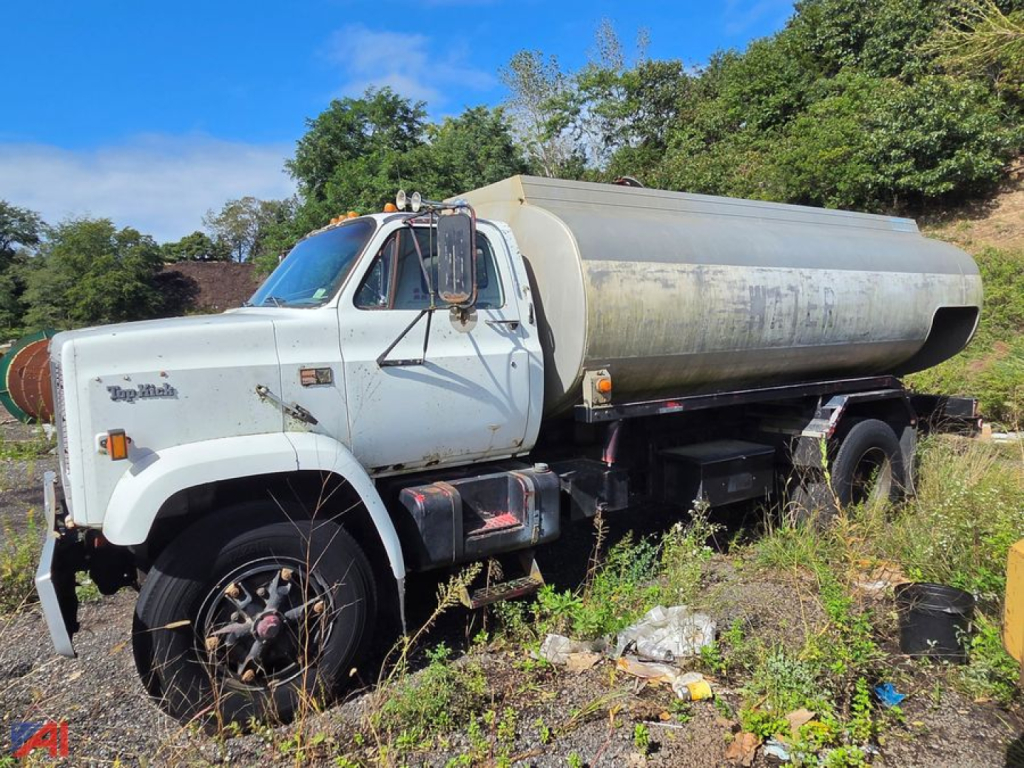
Selling a 1983 commercial truck? List your 1983 commercial truck for sale and reach thousands of commercial buyers.
1983 Commercial Trucks
Use case drives value. For farm haul, oilfield support, site work or export, a 1983 mechanical engine is easy to keep running and tolerant of low‑sulfur fuel quality. For interstate freight it can still work, but be mindful of emissions and state rules, especially CARB restrictions in California that limit older diesel operation except under specific exemptions like low‑use or historic registration. Comfort and safety differ from modern iron, with no ABS, no collision mitigation and minimal aerodynamics. Fuel economy typically trails newer aero tractors, yet rebuildable drivetrains and simple wiring offset that with low tech risk.
Inspection matters more than model year. Check frame rails and crossmembers for rust jacking, spring hangers and torque rods for play, and kingpins for wear. On tractors, verify fifth wheel height relative to your trailer and confirm slider operation and lock integrity. Many 1983 trucks use stud‑piloted Budd wheels with left‑hand threads on the driver’s side, so plan for wheel and stud service if converting to hub‑piloted rims. Electrical is 12‑volt with standard J560 7‑way and red‑blue gladhands, so trailer connections are straightforward. Brakes are S‑cam with standard‑stroke chambers, so verify pushrod travel and drum condition, and expect longer stopping distances than modern ABS‑equipped units.
Parts support is better than many expect. Major engine components, in‑frame kits, injectors and turbos for Big Cam, 3406 and 92‑series Detroits remain widely available. Fuller manual transmissions and Eaton and Rockwell axle parts are easy to source. Cab and trim pieces can be the hard part, along with HVAC conversions from R12 to R134a and aged wiring looms. Many owners add air‑ride seats, upgrade alternators, install modern tires and LED lighting, and re‑gear or swap transmissions to tailor road speed and drivability. A well‑sorted 1983 can be a reliable, low‑overhead tool or a strong base for a restoration or show build.
Frequently Asked Questions about 1983 Commercial Trucks
Can I run a 1983 truck for commercial freight today?
Yes, but requirements vary by state and application. Federally, the truck must pass annual DOT inspection and meet lighting, brake and load securement rules. Emissions rules are set at the state level. California’s Truck and Bus Regulation heavily restricts older diesel trucks, with limited exemptions for low‑use, agricultural or historic plates. Many other states allow operation with no model year limit. Always confirm rules where you run.
What engines and transmissions are most common on 1983 trucks?
Typical power includes Cummins NTC Big Cam, CAT 3406A‑B, Detroit Diesel 6V92 and 8V92, and Mack E6. Most are fully mechanical fuel systems with no ECU. Transmissions are usually Fuller Roadranger 9, 10, 13 or 15 speed manuals, plus some Mack boxes and Spicer options. These drivetrains are known for durability and rebuild support.
Are parts still available for a 1983 truck?
Core service parts are widely available. Engine in‑frame kits, water and oil pumps, injectors, clutches, brake shoes, S‑cams, bearings and suspension bushings are common stock at heavy‑duty suppliers. Fuller transmission and Eaton or Rockwell axle parts are easy to source. Cosmetic and cab pieces can take more hunting, and some body panels may require used or aftermarket reproductions.
What should I look for during inspection on an older truck?
Focus on structural and drivetrain health. Check frame rails and crossmembers for corrosion and cracks, spring hangers and torque rods for play, driveline angles and U‑joints, and steering box lash. Cold‑start quality, blow‑by and oil analysis tell you a lot about engine life. Verify brake pushrod travel, air system leak‑down, and tire date codes. On tractors, confirm fifth wheel height and slider function and look for wet kit integrity on dumps and mixers. Expect that odometers may have rolled and there is no ECM mileage on most engines from this era.
Will a 1983 tractor work with modern trailers?
Yes, the electrical and air connections are standard, and kingpin heights are generally compatible. Two items to verify are fifth wheel height, which can be taller on trucks with 24.5 tires, and wheel type. Many 1983 units use stud‑piloted Budd wheels that are not compatible with hub‑piloted rims without hardware changes. Trailer ABS will function on its own circuit even though the tractor has no ABS.