
1979 Commercial Trucks For Sale
1979 trucks for sale: classic semi tractors and vintage commercial trucks. Learn engines, gearing, compliance, compatibility, and key inspection tips.
Selling a 1979 commercial truck? List your 1979 commercial truck for sale and reach thousands of commercial buyers.
1979 Commercial Trucks
Powertrains from this period are mechanical and very serviceable. Common engines include Cummins NTC Big Cam 250 to 400 hp, Caterpillar 3406A in the 300 to 425 hp range, and Detroit Diesel 8V71 or 8V92 two-strokes. They start and run without electronics and accept field repairs, but they are louder, may smoke under load, and typically return 4 to 6 mpg depending on gearing and duty. Jacobs engine brakes are a valuable upgrade on mountain routes. Transmissions are mostly Fuller Roadranger 9, 10, or 13 speed constant-mesh boxes. Clutch condition, input shaft wear, and synchronizer status on auxiliary boxes should be verified with a loaded road test. Cooling systems, charge air plumbing on turbo engines, and mechanical injection timing are worth a close look.
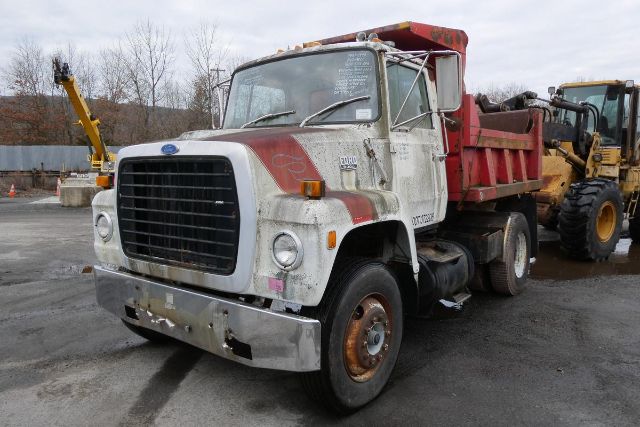
Chassis and cab specs reflect the pre-1982 overall length rules, so cabovers are common alongside long-hood conventionals. You will see Kenworth K100 and Peterbilt 352 cabovers, plus Peterbilt 359, Kenworth W900A, Mack R Model, International Transtar 4300, and Ford Louisville conventionals. Frames may be single or double-frame on vocational builds. Hendrickson walking beam, Mack Camelback, and Reyco spring suspensions dominate for durability, with early air ride options offering better ride but more plumbing to maintain. Expect incandescent sealed-beam lighting, minimal cab insulation, and R-12 HVAC systems that may have been converted to R-134a. Interior trim, dash panels, and cab glass can be hard to source on some models, so factor availability into restoration plans. Inspect for frame rail cracks at suspension hangers, double-frame delamination, crossmember rust, steering box play, and cab mount wear.
Compliance and use case matter with 1979 semi trucks. Engines from this era qualify for the ELD exemption by engine model year pre-2000, but state or local emissions rules can restrict operation. California’s Truck and Bus Regulation, certain port drayage rules, and local opacity standards may limit where a vintage commercial truck can run. For agricultural, logging, oilfield support, show truck, and regional limited-mileage work they can be cost effective. They couple to modern trailers using the standard SAE J560 7-way plug and gladhands, but verify fifth wheel height, kingpin setting, and that the tractor’s service and emergency air lines are clean and dry. If you need to power a dump or lowboy, confirm the transmission PTO and wet kit specs match the trailer. Pre-1981 VIN formats vary by manufacturer, so double-check title records and serial plates before purchase.
Frequently Asked Questions about 1979 Commercial Trucks
Are 1979 semi trucks legal for interstate operation and do they need an ELD?
Yes, a 1979 truck can operate interstate if it meets registration, insurance, and safety requirements. Because the engine model year is pre-2000, it qualifies for the federal ELD exemption, so paper logs are permitted. Separate from HOS, state and local emissions rules may restrict where it can run. California’s Truck and Bus Regulation and port drayage rules generally prohibit older engines, so verify destination-state compliance before committing.
Can a 1979 tractor pull modern trailers and use today’s connectors?
In most cases, yes. The SAE J560 7-way plug and standard gladhands have been around for decades, so electrical and air connections are typically compatible. Confirm fifth wheel height around 47 to 49 inches, kingpin setting, and clearance on tight turns. Make sure service and emergency lines hold pressure, that the tractor’s brake balance is correct, and consider upgrading to automatic slack adjusters for more consistent braking performance.
Which engines and components from 1979 have the best parts support?
Cummins NTC Big Cam, Caterpillar 3406A, and Detroit Diesel 8V71 or 8V92 families still enjoy strong aftermarket support for core mechanicals. Brake components, wheel ends, and driveline parts are generally available. Body, cab trim, dash panels, and some cabover glass can be harder to source. Suspension parts for Hendrickson walking beam, Mack Camelback, and common Reyco leaf setups are typically obtainable, but verify casting and bushing numbers before ordering.
What should I inspect before buying a 1979 truck?
Start with a loaded road test, hot idle oil pressure, blow-by at the breather, and a boost and pyrometer check under pull if equipped. Inspect frame rails for cracks and rust jacking, spring and torque rod bushings, steering gear play, and crossmembers. Check for coolant and oil cross-contamination, radiator core condition, and fan clutch operation. Evaluate brake lining thickness, drum wear, air compressor cut-in and recovery time, and slack adjuster travel. Review title and pre-1981 VIN documentation carefully to avoid registration issues.
What performance and fuel economy should I expect, and can gearing be improved?
Most 1979 trucks produce 250 to 400 hp and will return roughly 4 to 6 mpg depending on weight, terrain, and rear ratios. Many were spec’d for 55 mph with direct-drive transmissions and deep rears, which limits cruise speed and efficiency today. Upgrades include swapping to an overdrive Roadranger, changing to 3.55 to 3.90 rears for highway use, and installing a modern high-back air seat for comfort. Budget for driveline length changes and recalibrating the speedometer after gearing work.