
Used 2020 XL Specialized Trailers For Sale
Browse used 2020 XL Specialized trailers, including lowboy and double drop configurations built for heavy haul, construction, and oversize loads.
Selling a used 2020 xl specialized trailer? List your used 2020 xl specialized trailer for sale and reach thousands of commercial buyers.
Used 2020 XL Specialized Trailers
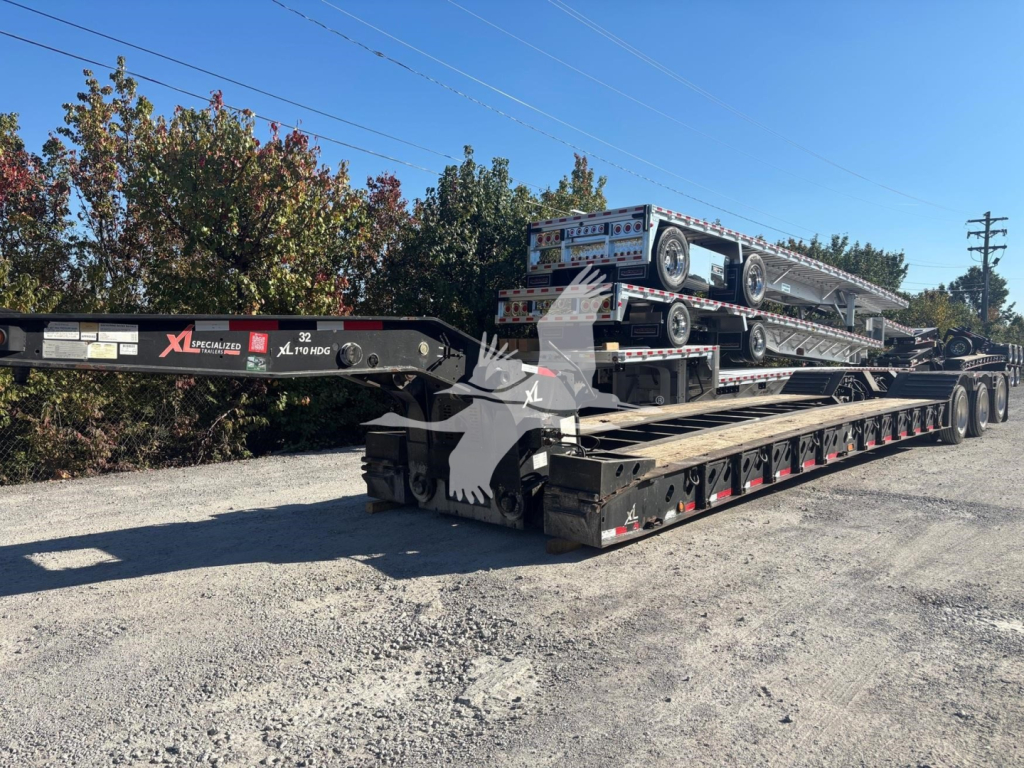
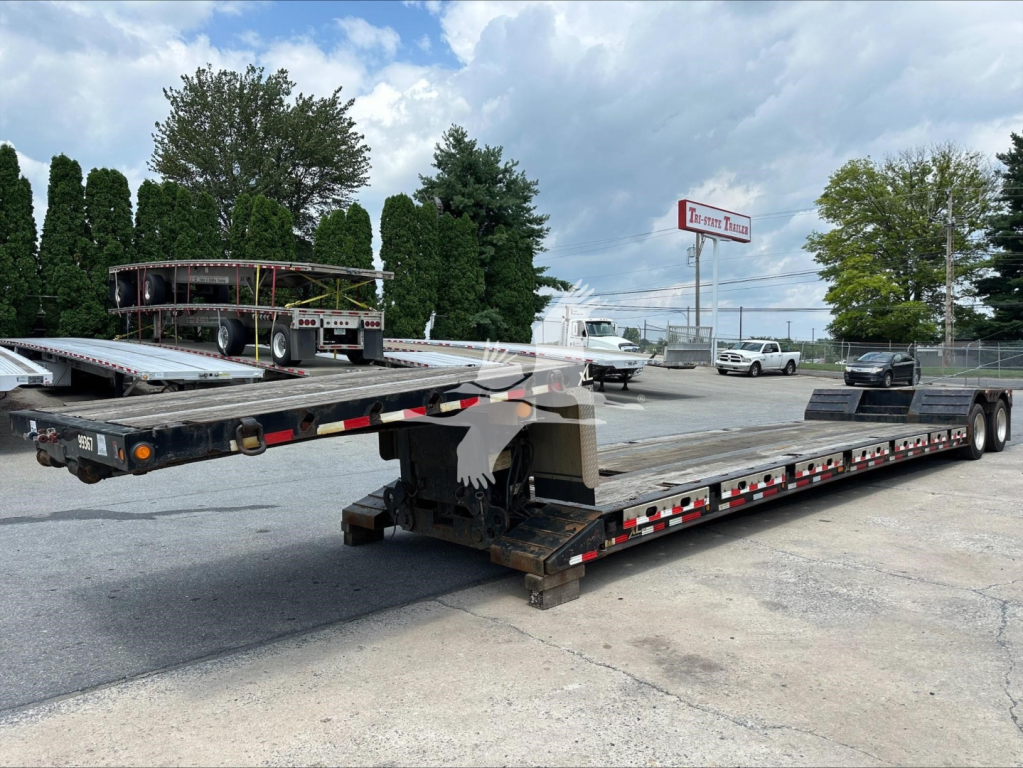
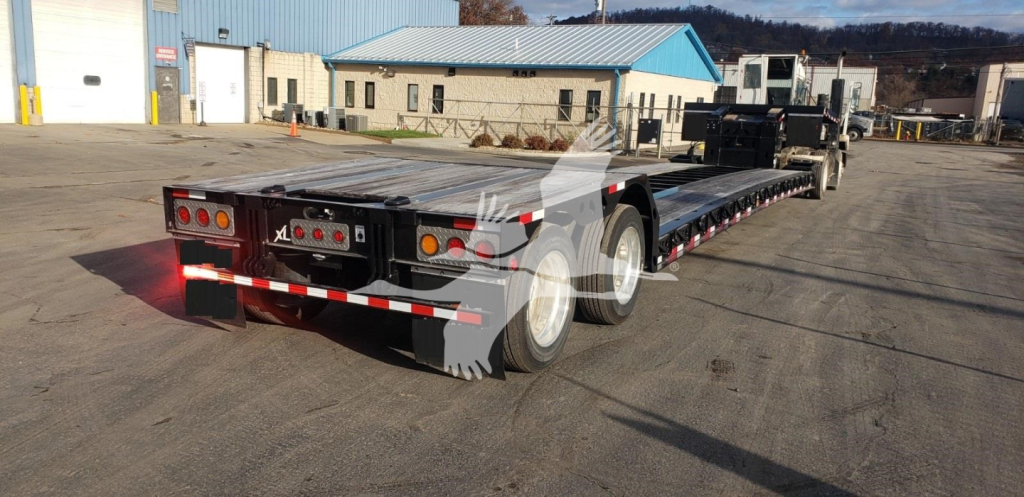
The first buying decision is usually configuration. A lowboy gives you a low loaded deck height and straightforward equipment hauling for excavators, dozers, loaders, and similar machines. A double drop or mini deck can make more sense when legal height is tight and the load needs a deeper well. Common XL Specialized specs include 102-inch width, air ride suspension, 54-inch axle spacing, 22.5 low-profile tires, apitong flooring, steel perimeter frames, and kingpin settings around 16 inches. Detachable goosenecks are a major value point in this category, and buyers should pay attention to whether the trailer is mechanical detachable, hydraulic detachable, ground-bearing, or non-ground-bearing, since that directly affects loading method, tractor compatibility, and field convenience.
Capacity and deck layout are where one 2020 trailer can differ sharply from another. In this class, you may see 40-ton and 80,000-pound distributed ratings, along with focused ratings over a specified section of deck. Main deck length, top deck length, rear deck length, loaded fifth-wheel height, and ride height positions all affect what the trailer can legally and practically haul. Swing-out outriggers, chain slots, D-rings, flip axle connections, extension stops, and rear support for wide load signage are not minor details on a specialized trailer. They influence securement flexibility, permit compliance, and the ability to adapt the trailer for changing freight. If a unit is set up for a flip axle or neck extension, that can expand payload options and help with bridge law or axle spread requirements.
Condition evaluation on a used 2020 XL Specialized trailer should focus on structural integrity and running gear before anything else. Look closely at the neck area, main beam flanges, crossmembers, suspension components, axle alignment, brake condition, deck wear, and signs of concentrated load damage. On hydraulic detachable models, inspect the pony motor, hydraulic system, cylinders, hoses, and ride height controls. Tire matching, wheel material, scuffing around chain drops, and wear at ramp pivots or rear approach points can tell you a lot about the trailer’s service history. A properly spec'd XL Specialized trailer can stay productive for years, but the right choice depends on matching deck geometry, capacity rating, detach style, and axle setup to the exact equipment you move every week.
Frequently Asked Questions about Used 2020 XL Specialized Trailers
What are the most common types of used 2020 XL Specialized trailers?
The most common used 2020 XL Specialized trailers are lowboy trailers, hydraulic detachable lowboys, mechanical detachable lowboys, and mini deck or double drop designs. Lowboys are typically used for hauling construction and heavy equipment with lower deck heights than a standard flatbed. Mini deck and double drop configurations are often chosen when buyers need additional well depth, lower loaded height, or compatibility with taller machinery.
How do I choose between a mechanical detachable and a hydraulic detachable XL Specialized trailer?
A mechanical detachable trailer is generally simpler and can be attractive for buyers who want fewer hydraulic components to maintain. A hydraulic detachable trailer offers faster, more controlled loading and unloading, especially in frequent-use heavy haul applications. The right choice depends on your loading environment, the type of equipment being moved, operator preference, and how important field efficiency is to your operation.
What specs matter most on a used 2020 XL Specialized lowboy or mini deck?
The most important specs are capacity rating, deck length, loaded deck height, neck style, axle count, suspension type, and whether the trailer is set up for a flip axle or neck extension. Buyers should also review kingpin setting, rear deck length, tire size, crossmember spacing, flooring material, and securement features such as D-rings, chain slots, and swing-out outriggers. These details affect legal hauling, ease of loading, and how well the trailer fits your regular freight.
Are XL Specialized trailers a good fit for heavy equipment hauling?
XL Specialized trailers are widely regarded as a strong fit for heavy equipment hauling because they are designed around concentrated loads, low deck heights, and specialized loading requirements. They are commonly used to haul excavators, dozers, loaders, compactors, paving equipment, and other oversize machinery. The brand is especially recognized in markets where detachable necks, heavy-duty frames, and flexible axle configurations are important.
What should I inspect first on a used 2020 XL Specialized trailer?
Start with the structural areas that carry the load. Inspect the gooseneck connection points, frame rails, beam flanges, crossmembers, deck condition, suspension, axles, brakes, and tires. On hydraulic detachable models, inspect the pony motor, hydraulic lines, cylinders, and controls for leaks or inconsistent operation. Evidence of hard loading, uneven tire wear, cracked welds, and worn deck sections can indicate repair needs or a trailer that has seen severe service.