
Used Wabash Trailers For Sale in Pennsylvania
Shop used Wabash trailers in Pennsylvania, including dry vans and flatbeds with common specs, suspension options, and fleet-ready features.
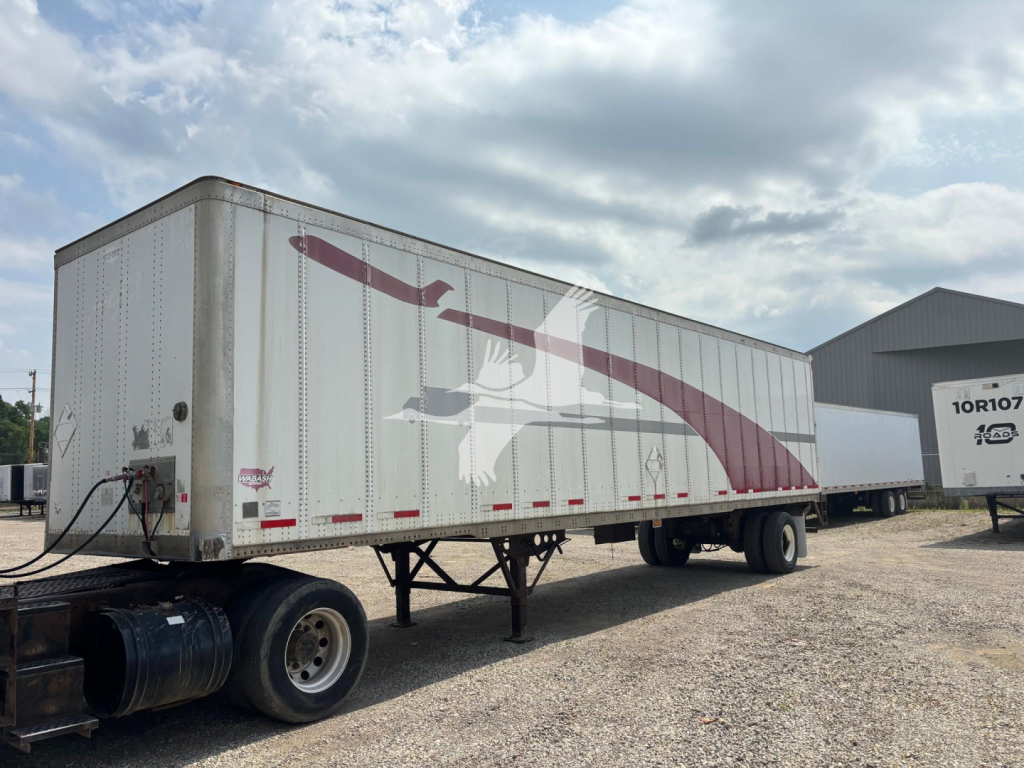
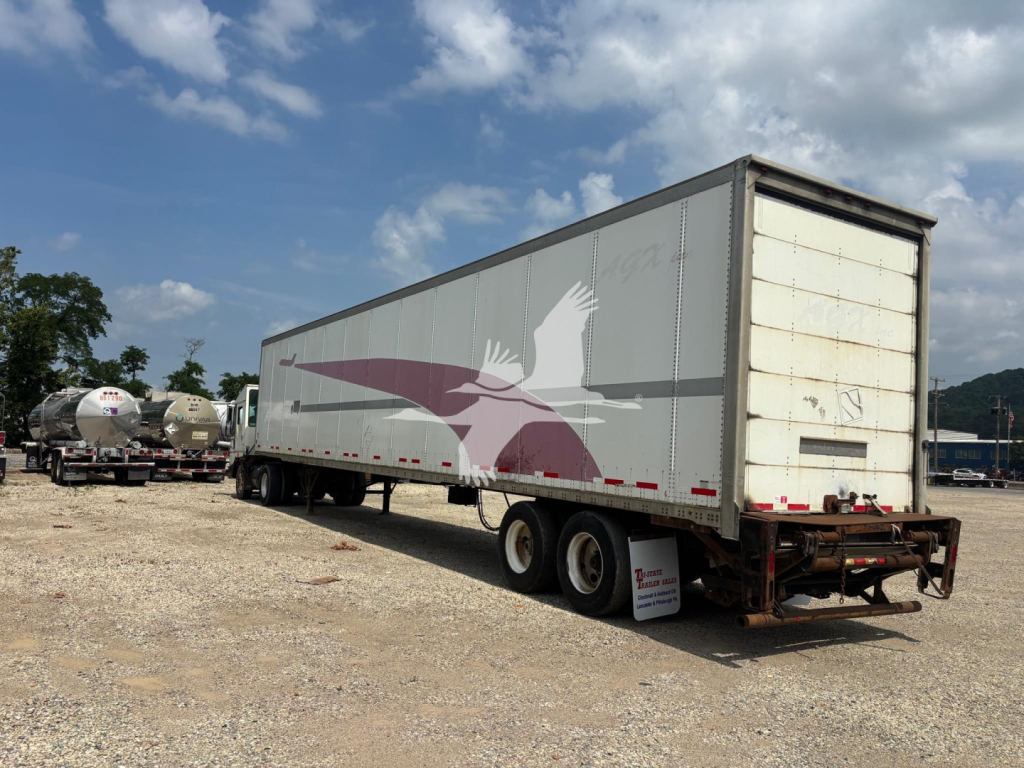
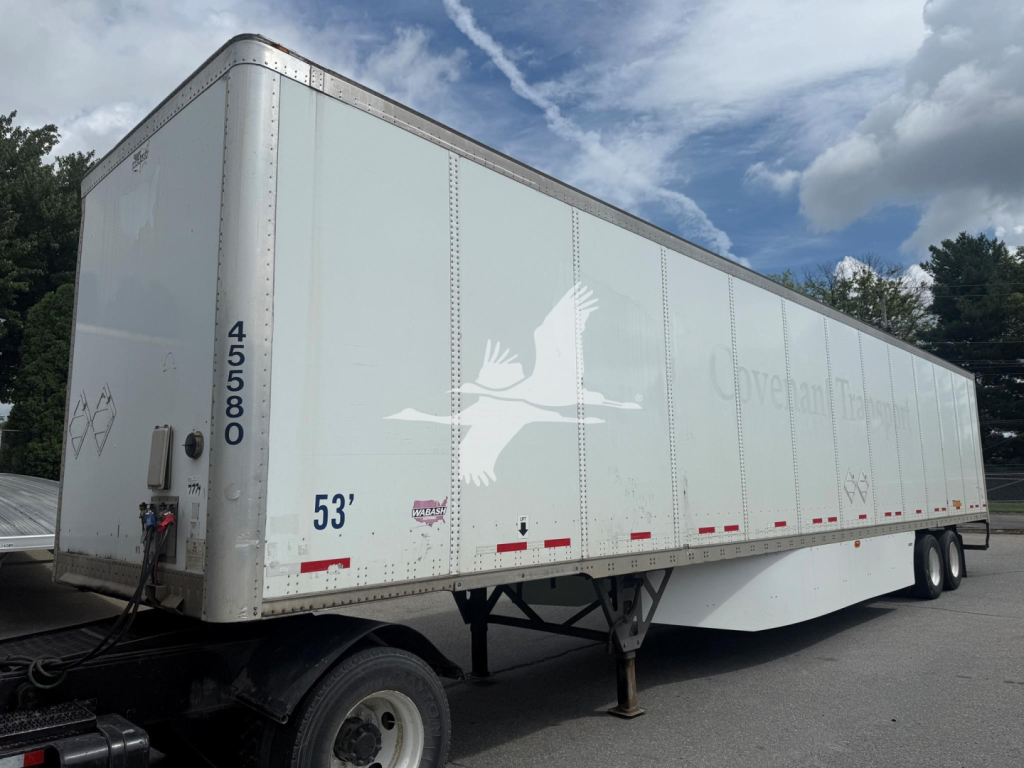
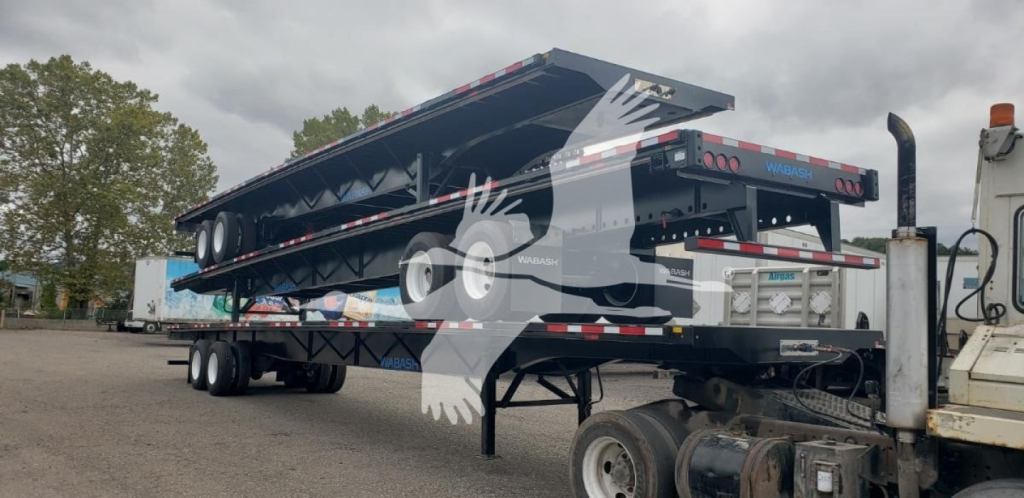
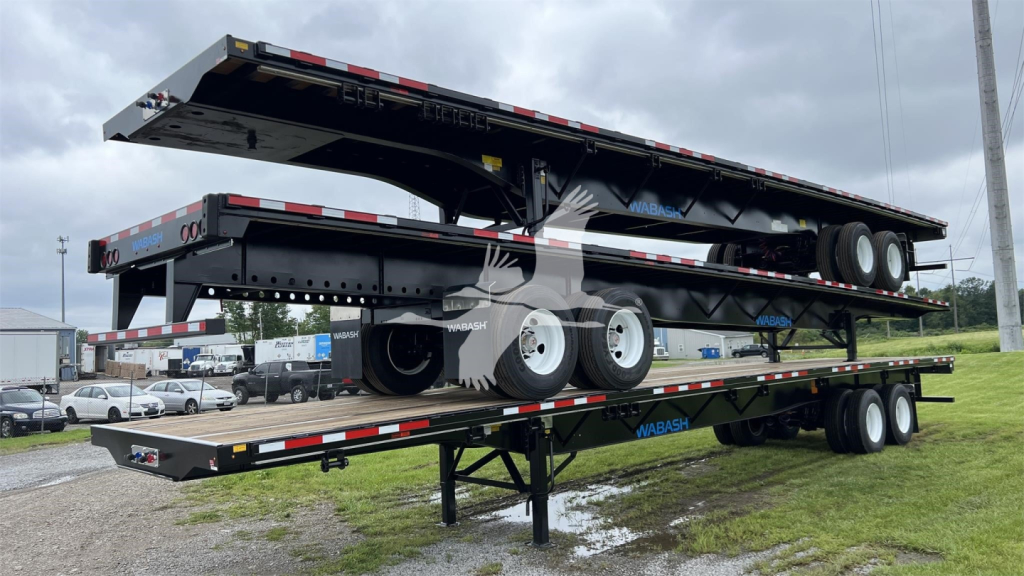
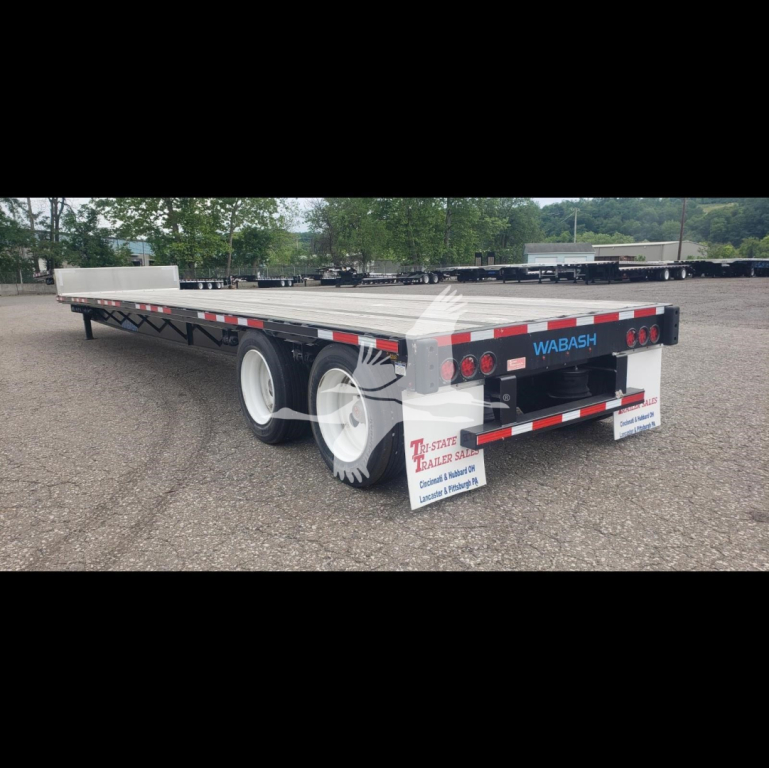
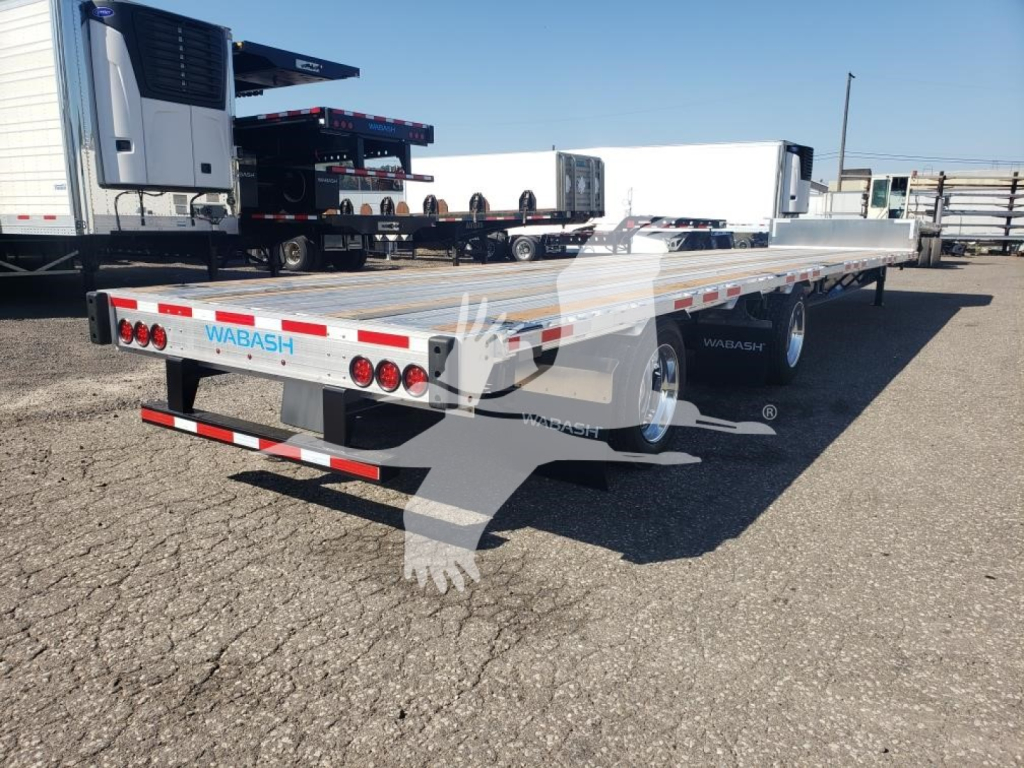
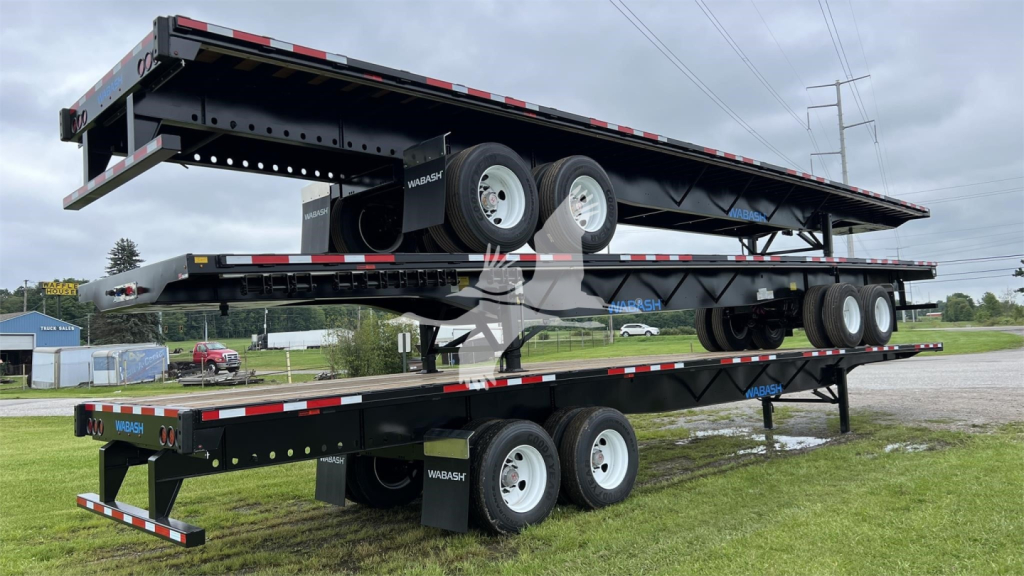
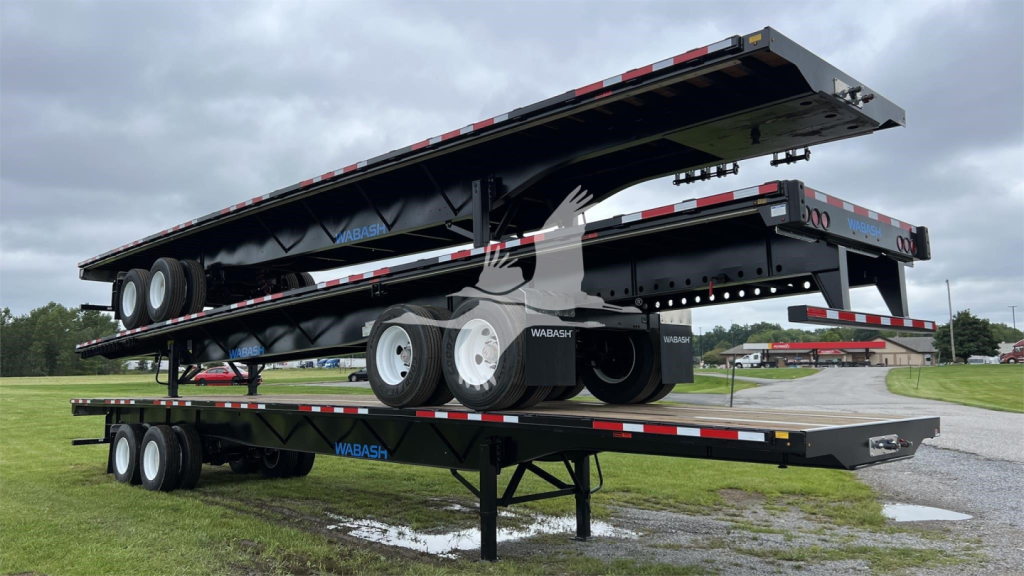
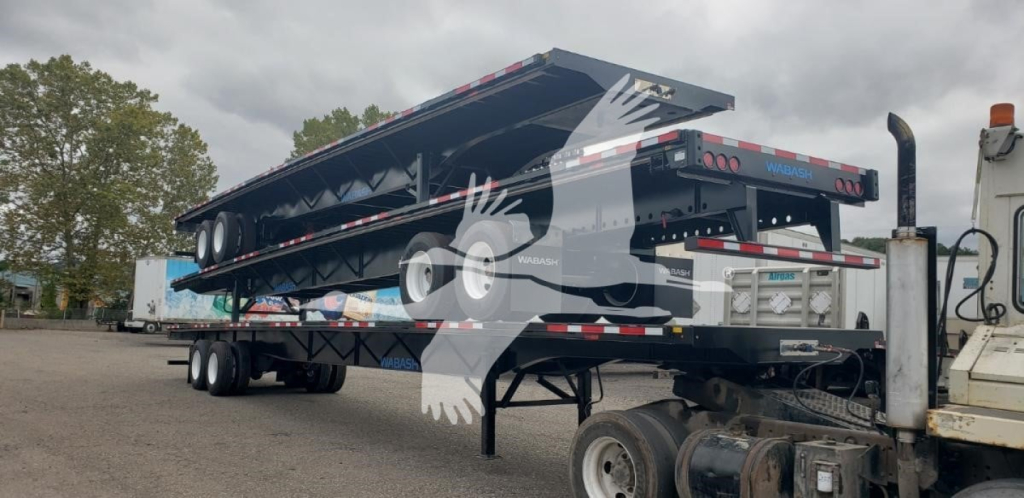

Showing 1 to 28 of 38 results
Have used wabash trailer to sell? List it here to reach thousands of buyers.
Used Wabash Trailers in Pennsylvania
Frequently Asked Questions about Used Wabash Trailers in Pennsylvania
What should I check first on a used Wabash dry van trailer?
Start with the structure and running gear. Inspect the roof, front wall, rear frame, door seals, floor condition, tandem slide rails, suspension, brakes, and wheel ends. On Wabash DuraPlate vans, pay close attention to sidewall condition, interior scuff damage, and any signs of panel separation or major repairs. A van with a sound floor, straight rear frame, and clean tandem area will usually save more money long term than a lower-priced trailer needing structural work.
Are used Wabash flatbeds a good fit for general freight?
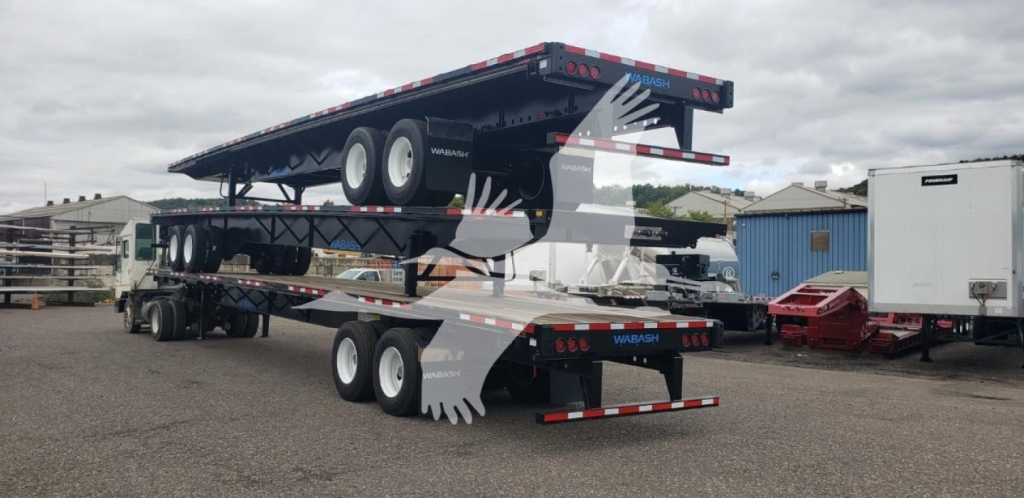
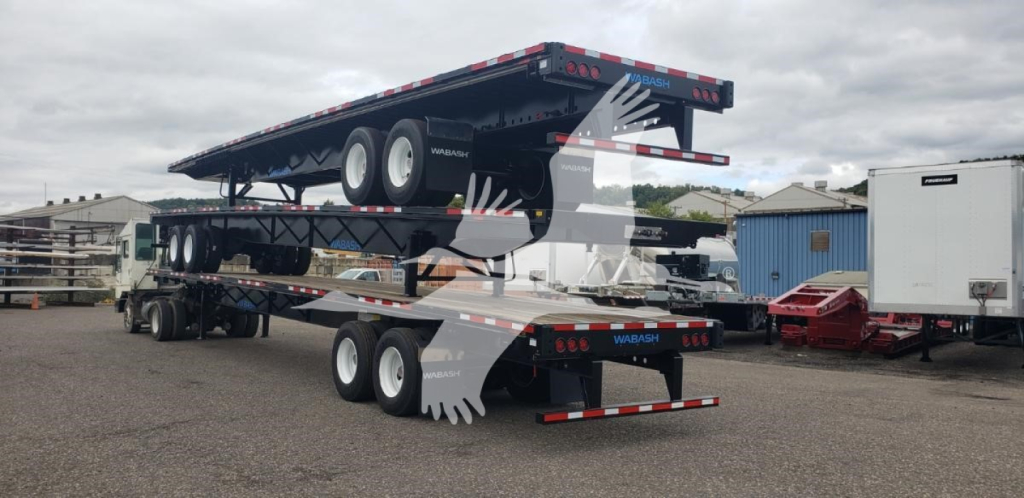
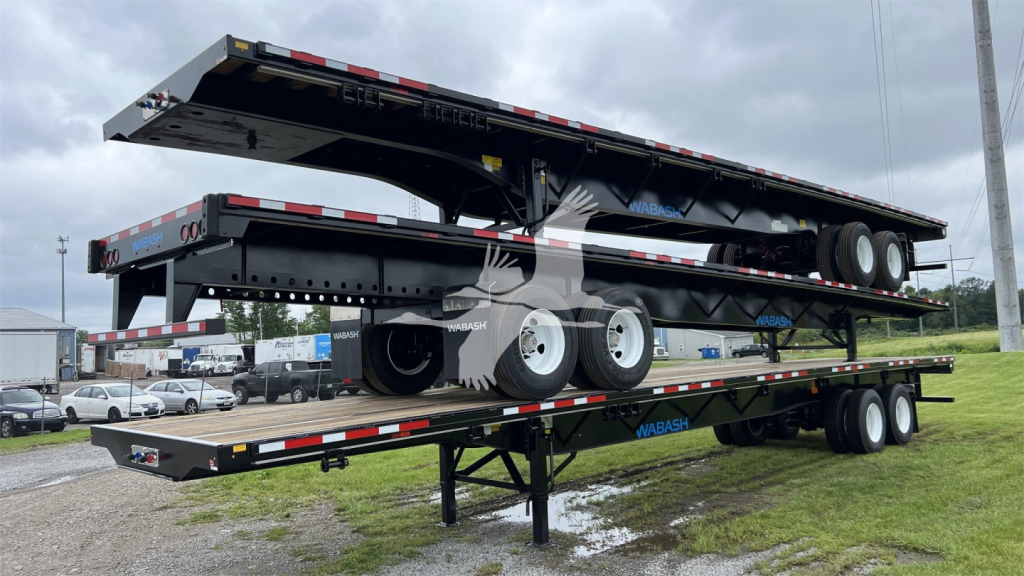
Yes. Wabash flatbeds are commonly spec'd for broad freight applications including steel, building products, machinery, and palletized loads that need open-deck access. Many used units are equipped with steel side rails, double pipe spools, roadside winch tracks, sliding winches, and Apitong floors, which makes them practical for carriers hauling mixed commodity freight. Beam rating, crossmember spacing, and axle spread should match the weight profile and securement requirements of the loads you intend to haul.
What suspension and axle setups are common on used Wabash trailers?
Dry vans are commonly found with sliding tandem suspensions in either spring ride or air ride form. Flatbeds often show up with air ride suspensions and 49-inch spread slider configurations, frequently using Hendrickson running gear. In Pennsylvania and surrounding Northeast lanes, slider flexibility matters because bridge law, dock approach, and state-by-state weight distribution can all affect day-to-day usability. Buyers should confirm axle spacing, slider travel, suspension model, and current brake and tire condition before purchase.
Why do many buyers look for Wabash DuraPlate vans specifically?
Wabash DuraPlate vans have a strong market presence because they are widely used in fleet service and are known for durable sidewall construction and good cargo cube. They are common in logistics, retail freight, and route-based operations where interior condition, wall integrity, and door reliability matter. A used DuraPlate van with logistics posts, scuff liners, a solid floor, and a straight rear opening is typically easier to place into regular van service than a trailer with visible cargo impact damage or patched structural areas.
What matters most when comparing used Wabash trailers in Pennsylvania?
Regional service history matters almost as much as trailer spec. Buyers in Pennsylvania should look closely for corrosion on crossmembers, rear impact areas, landing gear mounts, and slider assemblies, especially on trailers exposed to road salt and winter freight cycles. It also helps to compare door style, tire size, wheel type, suspension, floor material, and kingpin setting based on the lanes and commodities you run. The best trailer is the one whose spec fits your freight without creating avoidable maintenance expense.