
Used Wabash Van Trailers For Sale in Pennsylvania
Shop used Wabash van trailers in Pennsylvania. Compare 53' dry van specs, suspension, door style, floor condition, and trailer setup.
Have used wabash van trailer to sell? List it here to reach thousands of buyers.
Used Wabash Van Trailers in Pennsylvania
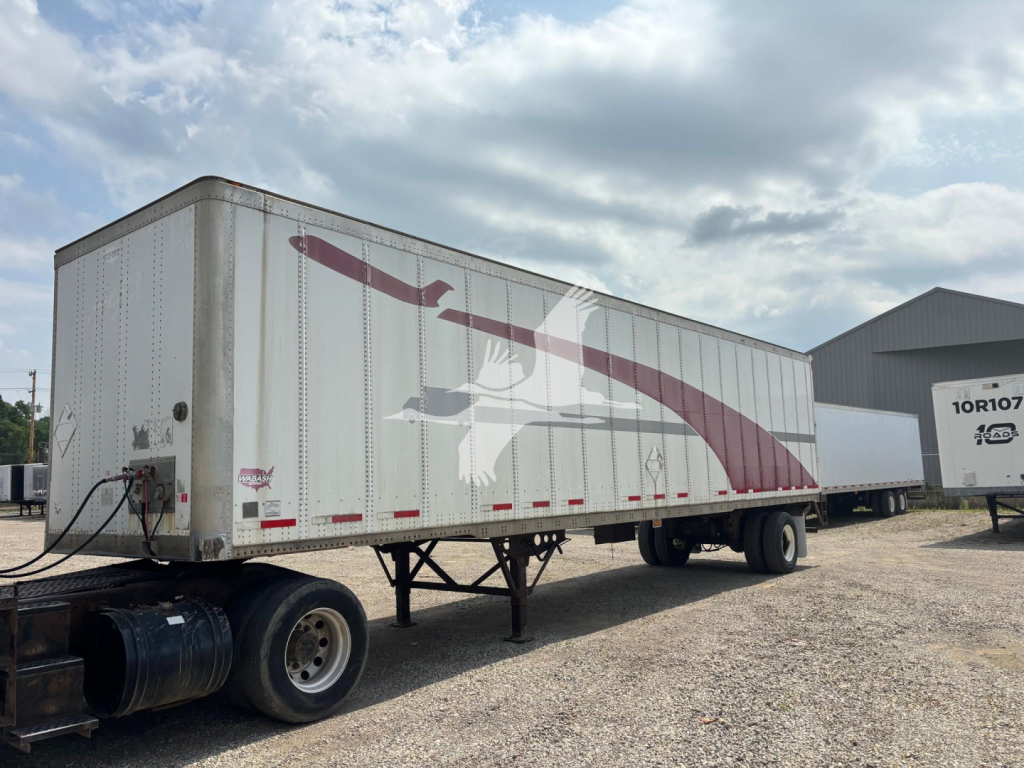
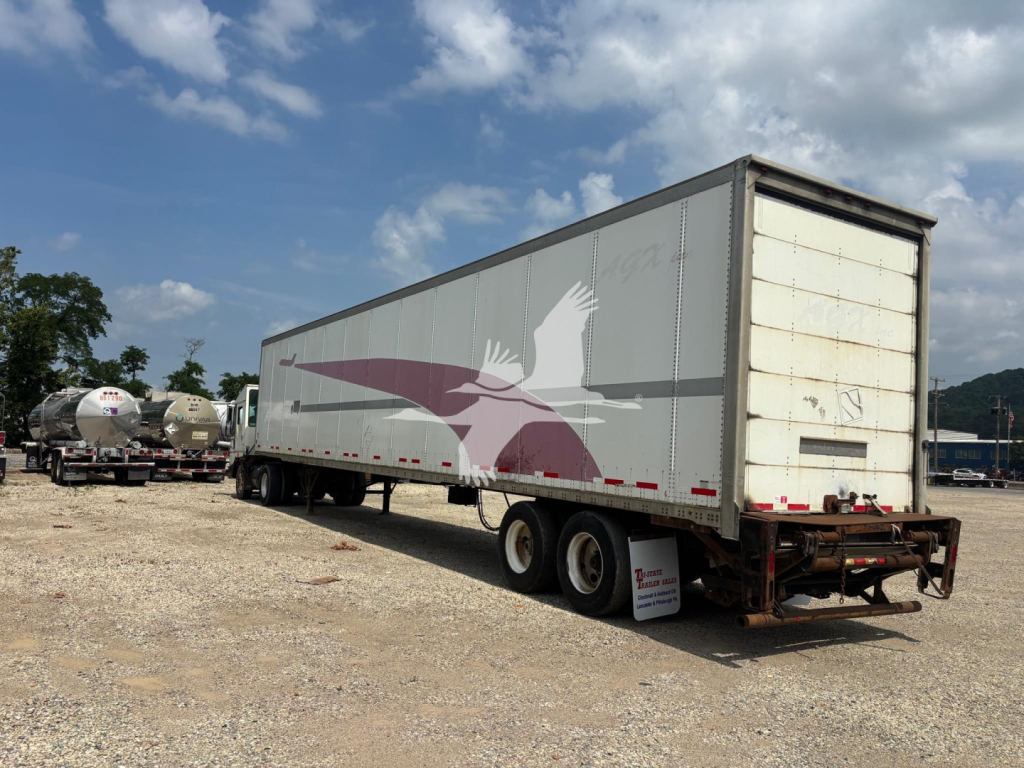
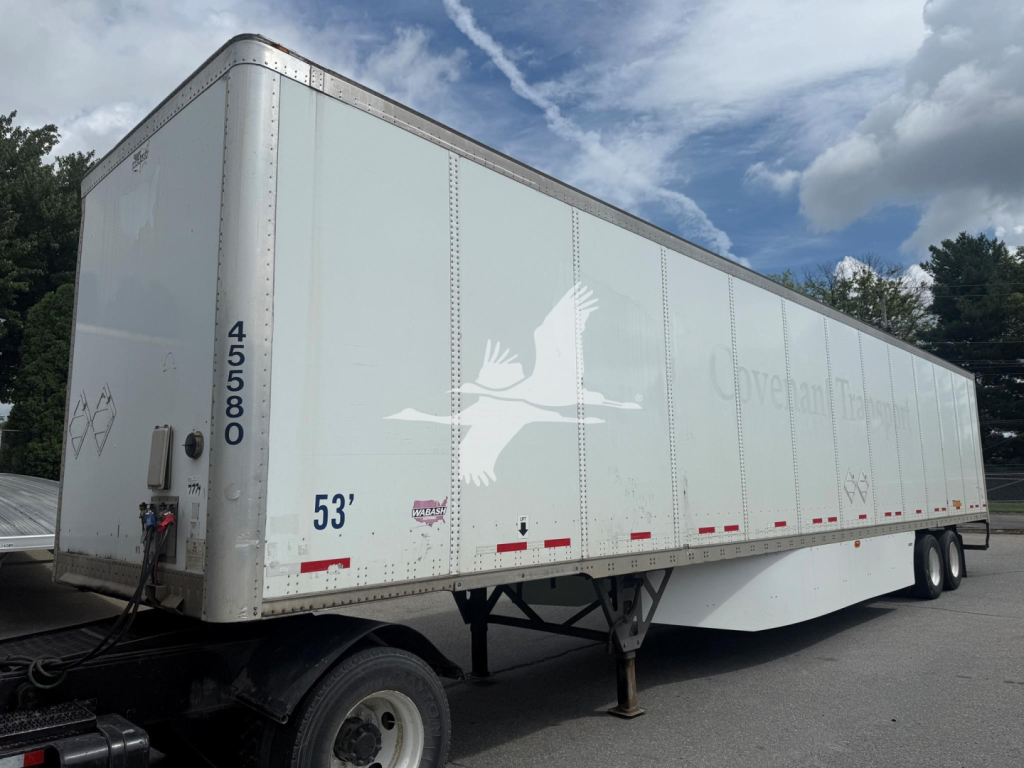
A buyer comparing used Wabash vans should start with the basic structure. Plate trailers are built for high-cube freight and full dock compatibility, but condition is more important than age alone. Check roof bows, front wall integrity, side panels, rear frame, and crossmember condition, especially on trailers that have spent years in dense freight lanes or winter road service. In Pennsylvania, corrosion around the rear sill, landing gear mounts, and tandem slider rails deserves a close look. Floor type and floor wear are also critical. A dry van with heavy forklift traffic can show soft spots, patched boards, or fastener pull-through long before the exterior suggests major wear.
Suspension and running gear should match the work. Air-ride is usually preferred for higher-value or damage-sensitive freight because it helps reduce cargo shock and generally improves ride quality. Spring ride can still be a practical choice for tougher freight and lower acquisition cost. Slider tandems remain common on Wabash van trailers because they give carriers flexibility on axle spacing, dock positioning, and state bridge requirements. Tire condition, wheel-end service history, brake type, ABS function, and ICC bumper condition are all worth confirming on a used trailer, along with door seal condition and the operation of hinges, cams, and locking hardware.
Wabash van trailers are also known as dry vans or plate vans, depending on spec and regional terminology. Many buyers also pay attention to interior features such as scuff liners, logistics posts, translucent roofs, and duct floors if the trailer will handle mixed freight or frequent multi-stop work. The right used Wabash van is usually the one with a sound floor, solid rear frame, clean suspension and slider operation, and a cube and door configuration that fits the freight, not simply the newest model year. For fleets running Northeast lanes, a well-maintained Wabash dry van can remain productive for years if the structure, undercarriage, and cargo area have been properly cared for.
Frequently Asked Questions about Used Wabash Van Trailers in Pennsylvania
What should I inspect first on a used Wabash van trailer?
Start with the floor, rear frame, roof, and tandem slider area. Those are high-wear points on a dry van and they often tell you more than the paint or model year. Look for soft or patched floor sections, corrosion around the rear sill and crossmembers, damage at the front wall, and worn or seized slider components. Door hardware, seals, brakes, tires, and wheel ends should also be checked because those items directly affect road readiness and daily operating cost.
Is air-ride better than spring ride on a used Wabash dry van?
Air-ride is usually the preferred suspension for general freight because it helps reduce cargo vibration and can provide a smoother ride for palletized or damage-sensitive loads. Spring ride can still make sense for tougher commodities or buyers prioritizing lower purchase cost and simpler suspension design. The best choice depends on freight profile, customer expectations, and how important ride quality is in your operation.
Why are slider tandems important on a 53-foot van trailer?
Slider tandems give a 53-foot van more flexibility for axle placement, bridge law compliance, and weight distribution. They also help with loading dock positioning and can be important in states and freight lanes where axle settings affect legal operation. On a used trailer, make sure the slider pins engage correctly, the rail area is not excessively worn, and the suspension tracks straight under load.
What does plate van mean on a Wabash trailer?
Plate van generally refers to a standard dry van built to common over-the-road dimensions, typically 53 feet long and 102 inches wide, with full-height dock-compatible body construction. In everyday use, buyers often use plate van and dry van interchangeably. The term usually signals a general freight trailer rather than a specialized insulated or refrigerated unit.
Are older used Wabash van trailers still a good buy?
They can be, if the structure and running gear have been maintained properly. An older Wabash van with a solid floor, sound crossmembers, good suspension condition, and functional doors can still perform well in regional or dedicated freight service. Age matters less than frame corrosion, floor life, brake and wheel-end condition, and evidence of repeated forklift or dock damage.