
Used Wabash Trailers For Sale in Georgia
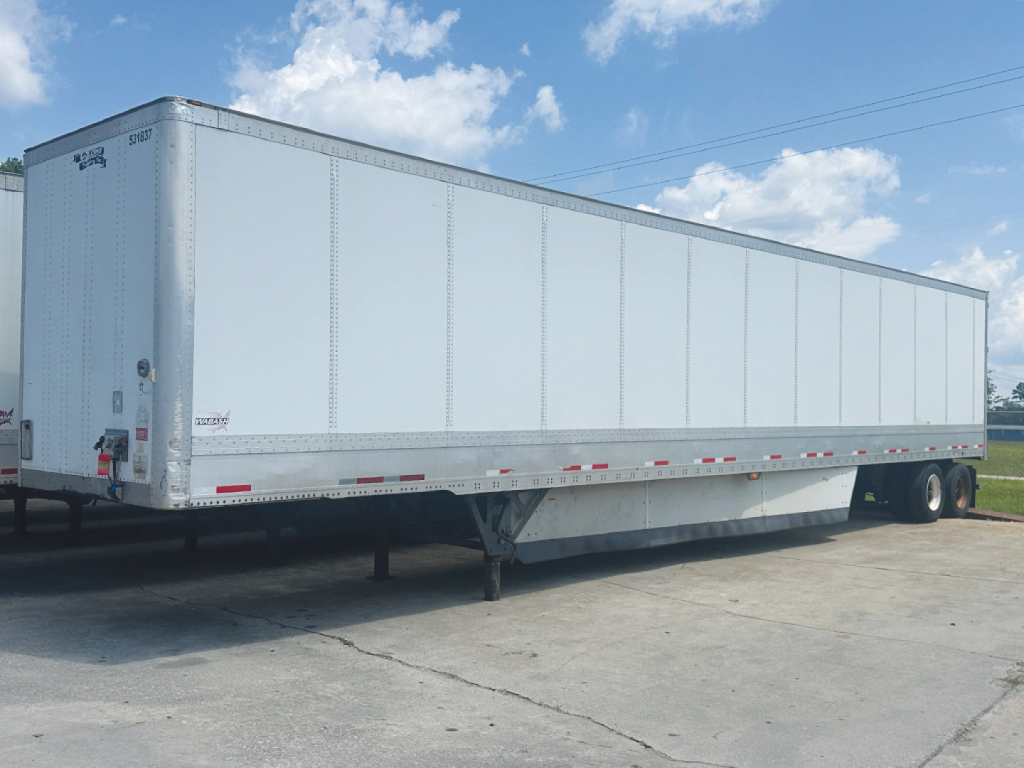
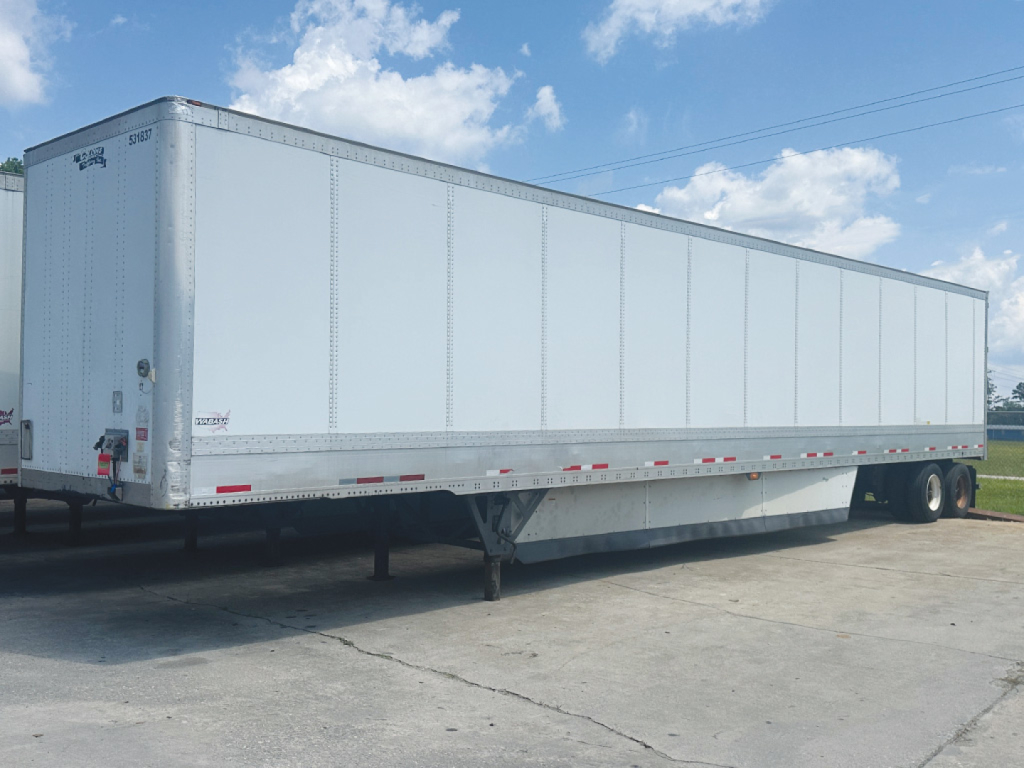
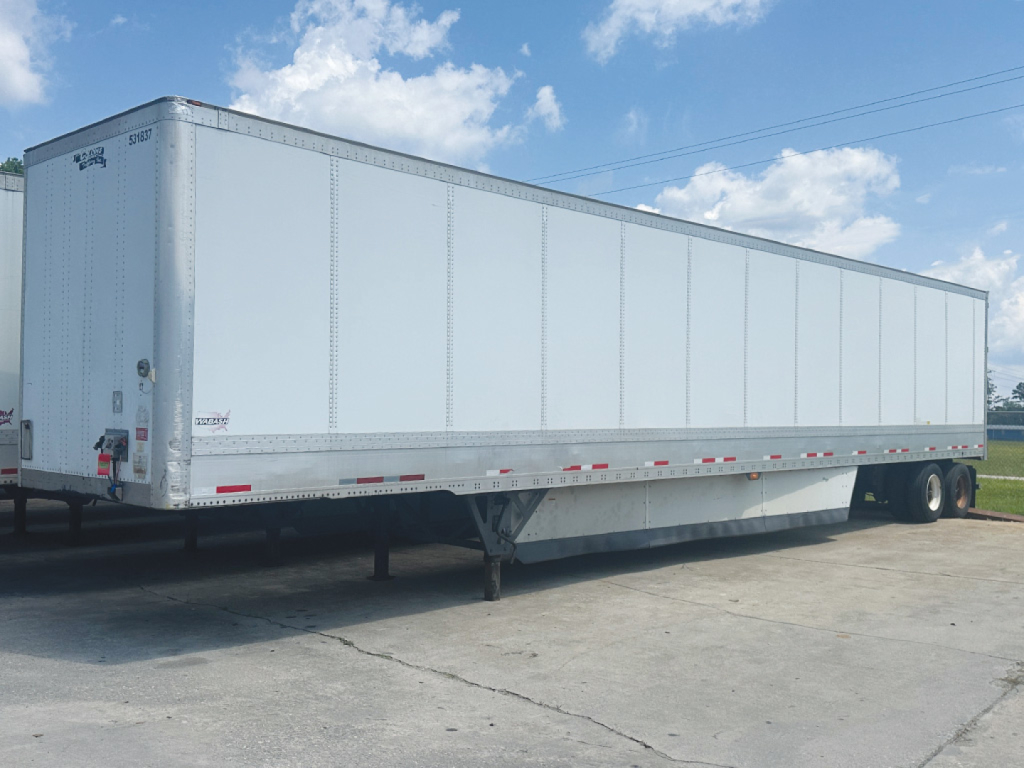
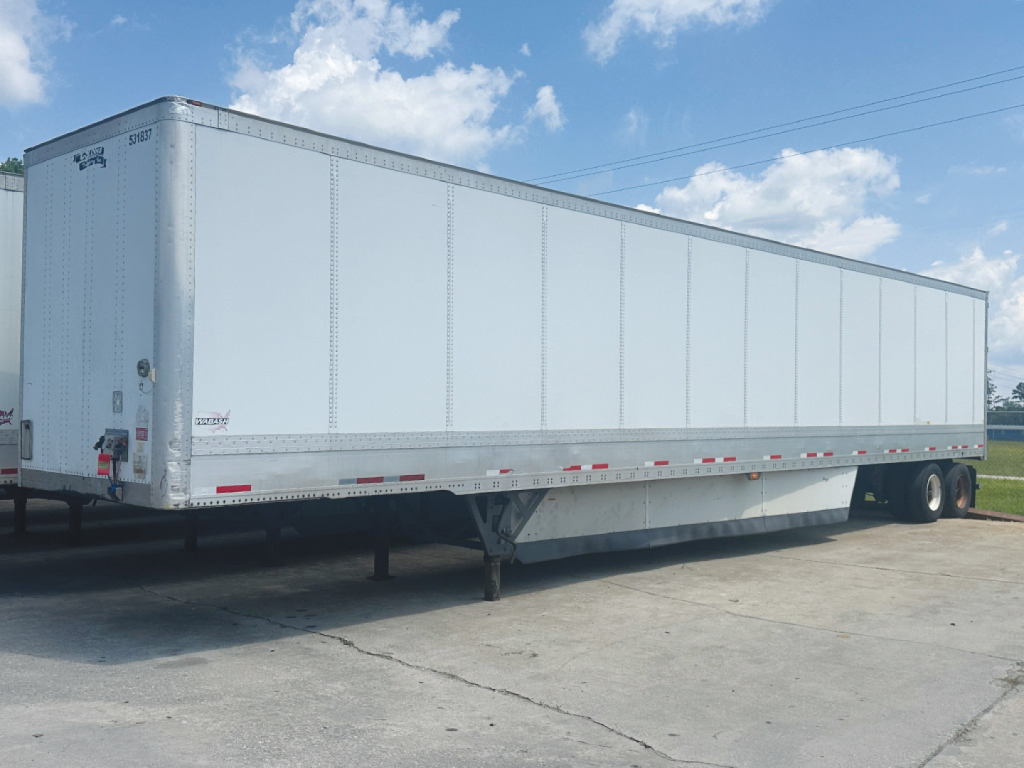
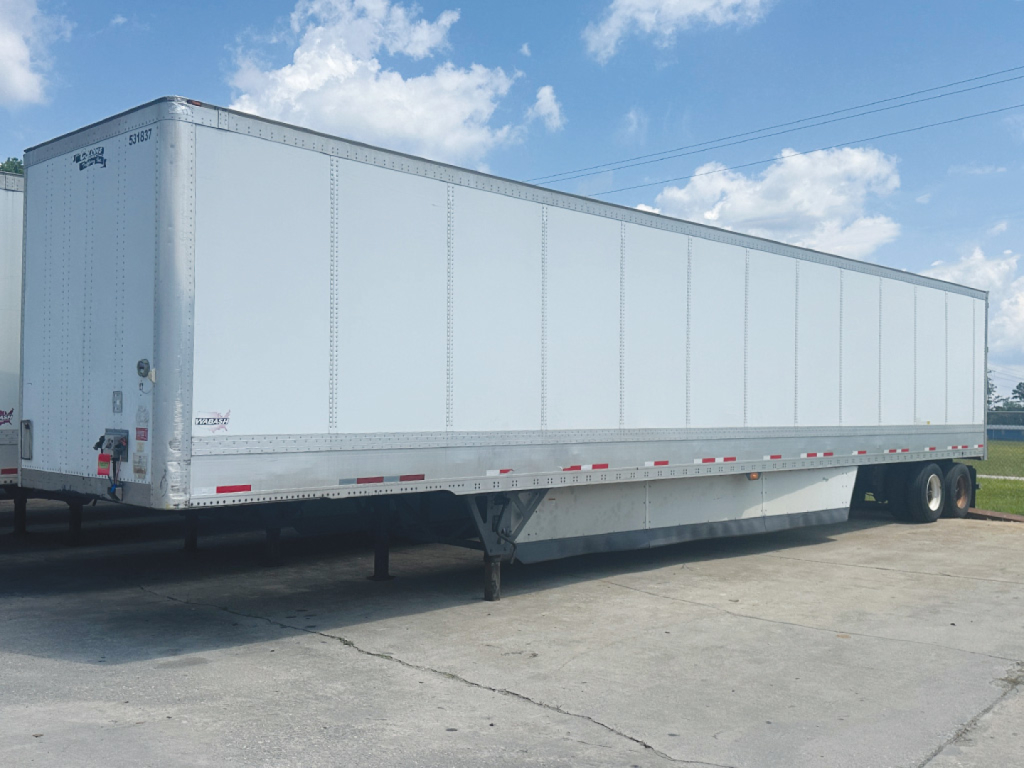
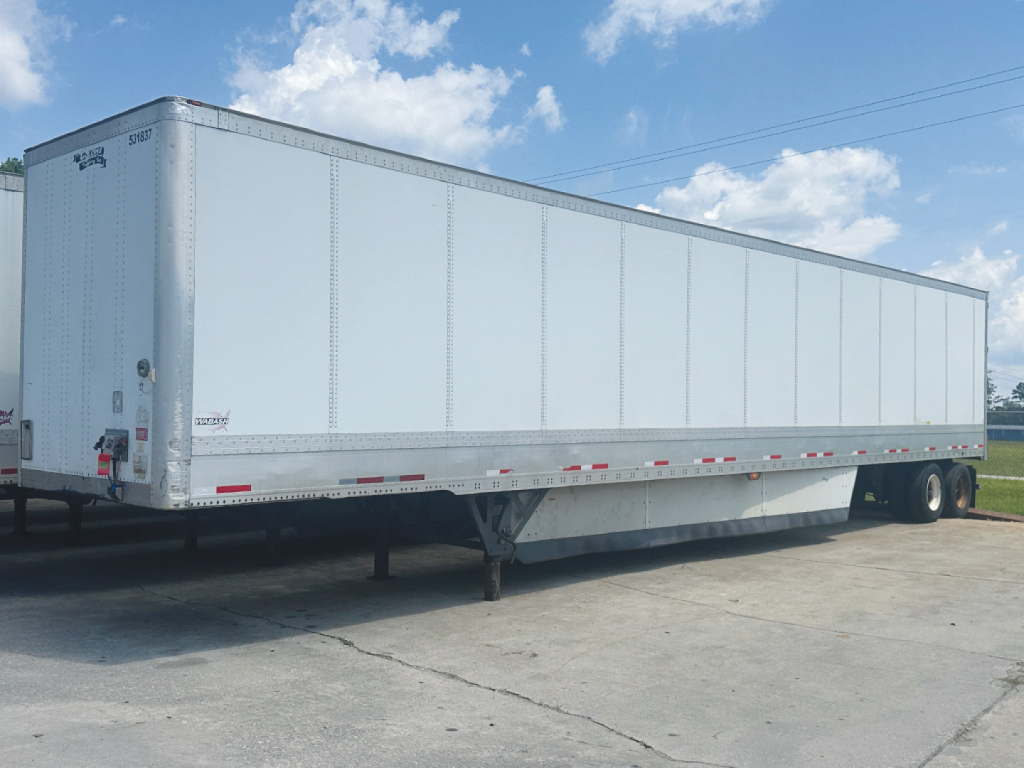
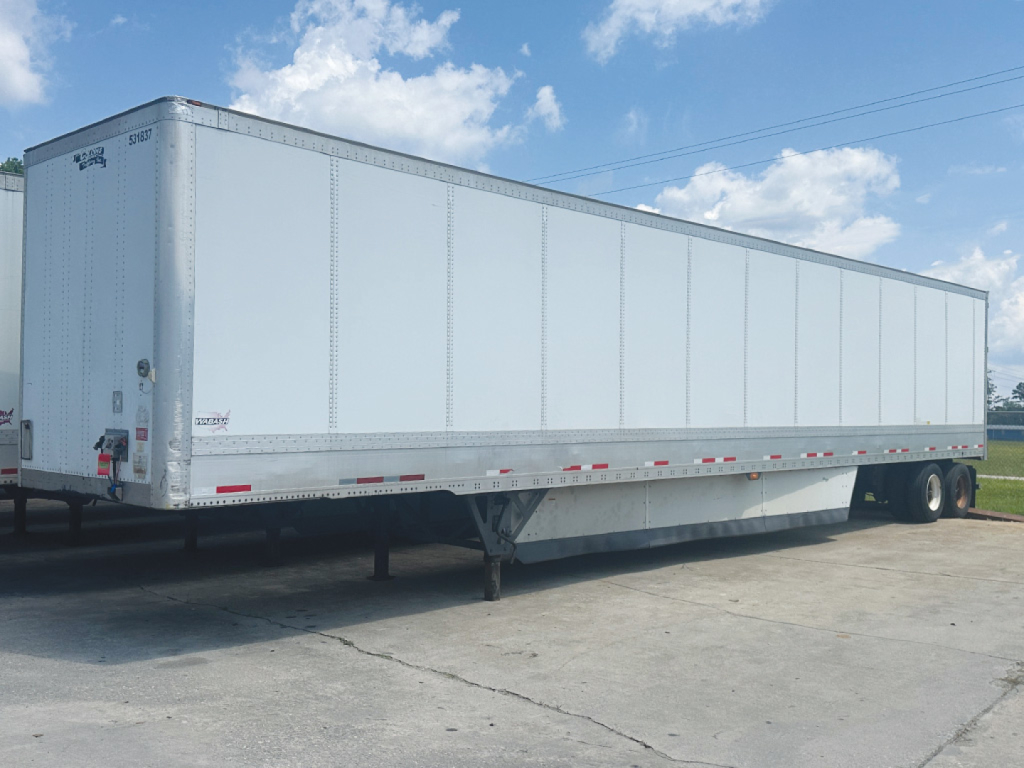
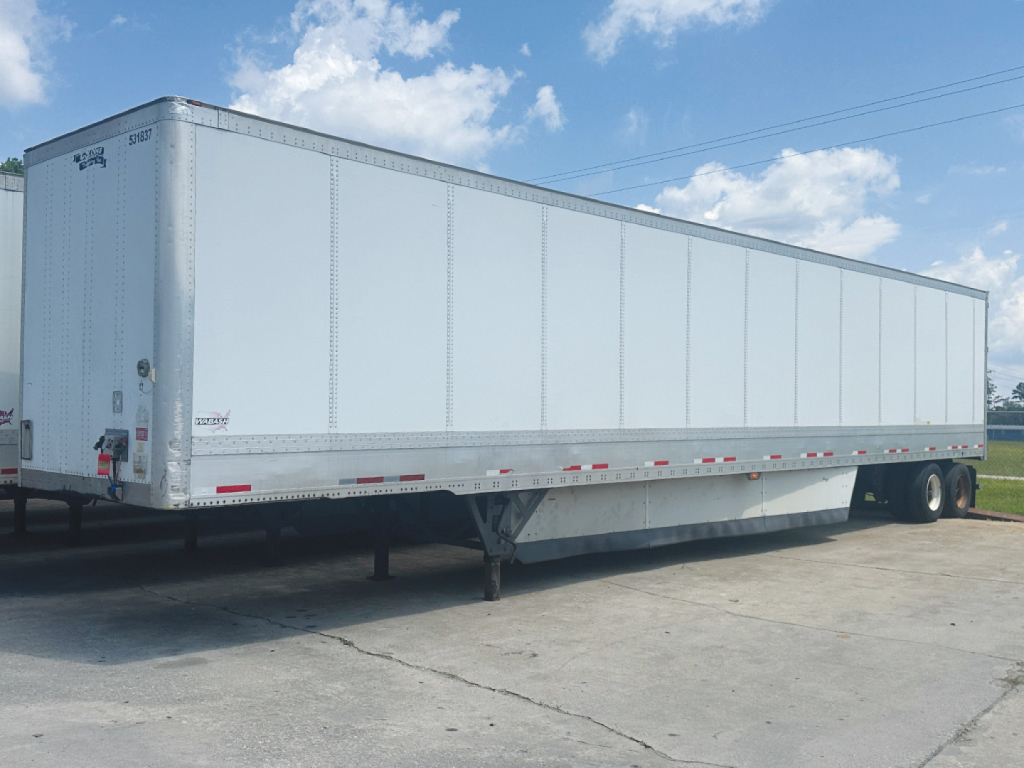

Showing 25 to 48 of 55 results
Have used wabash trailer to sell? List it here to reach thousands of buyers.
Used Wabash Trailers in Georgia
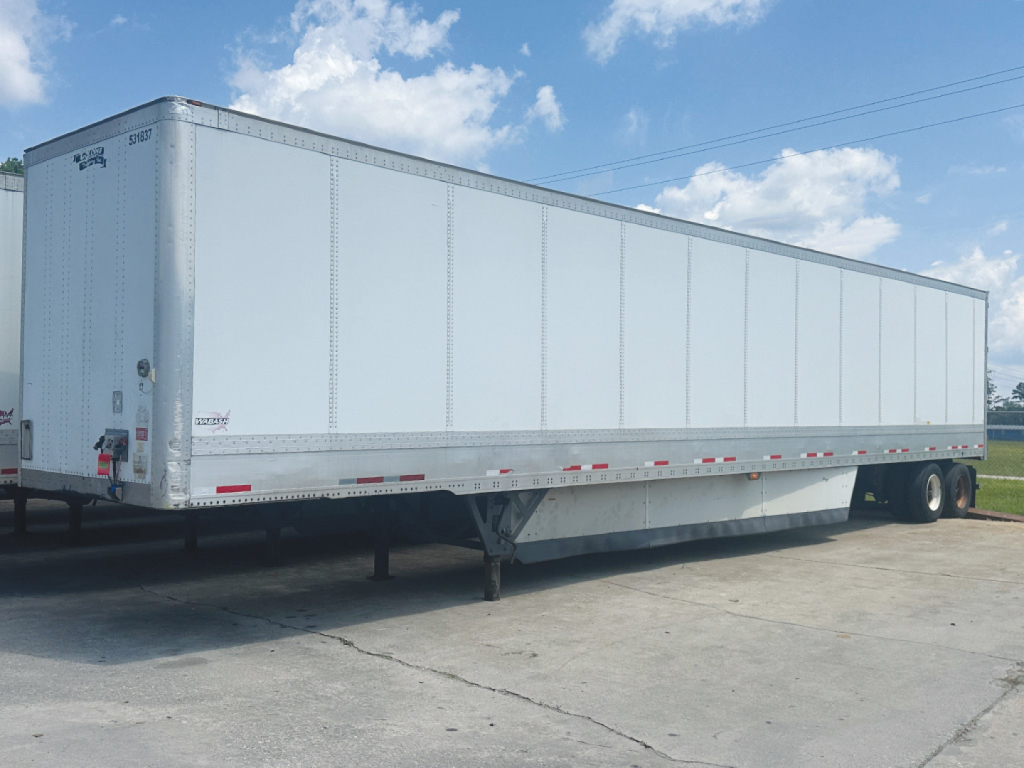
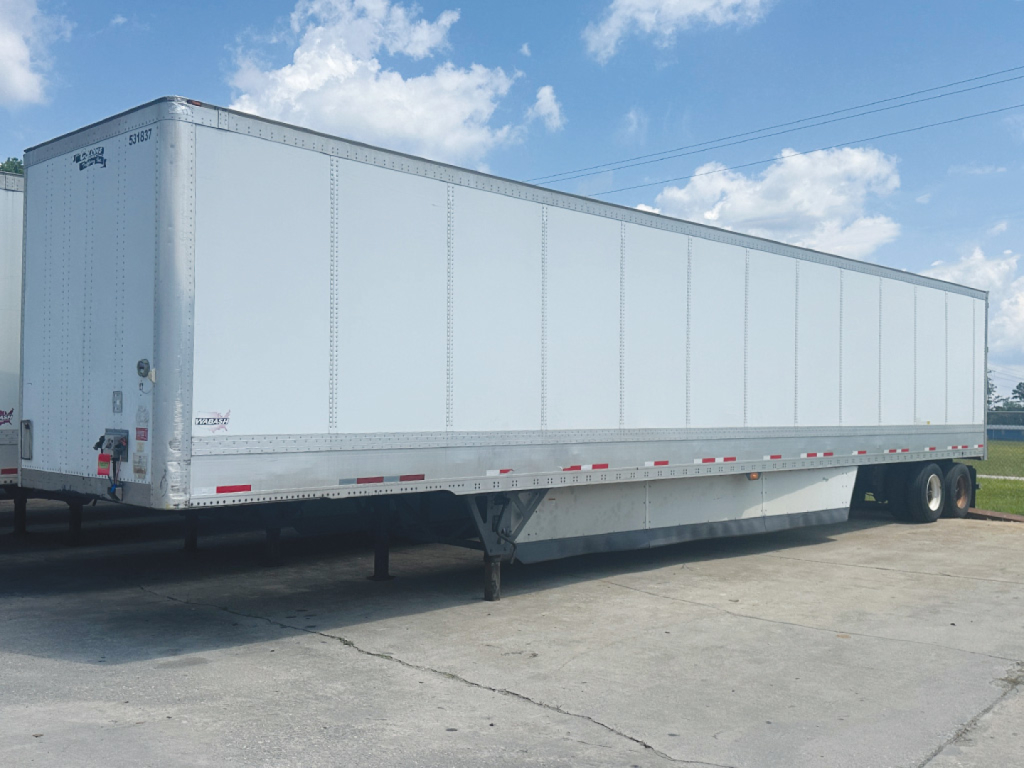
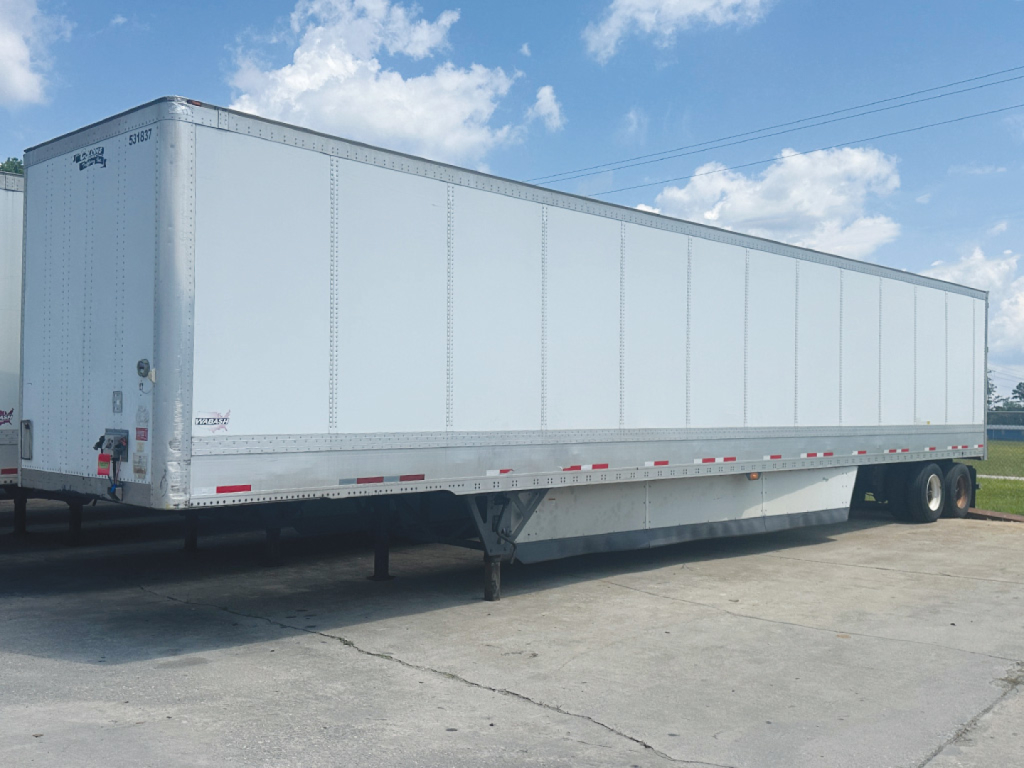
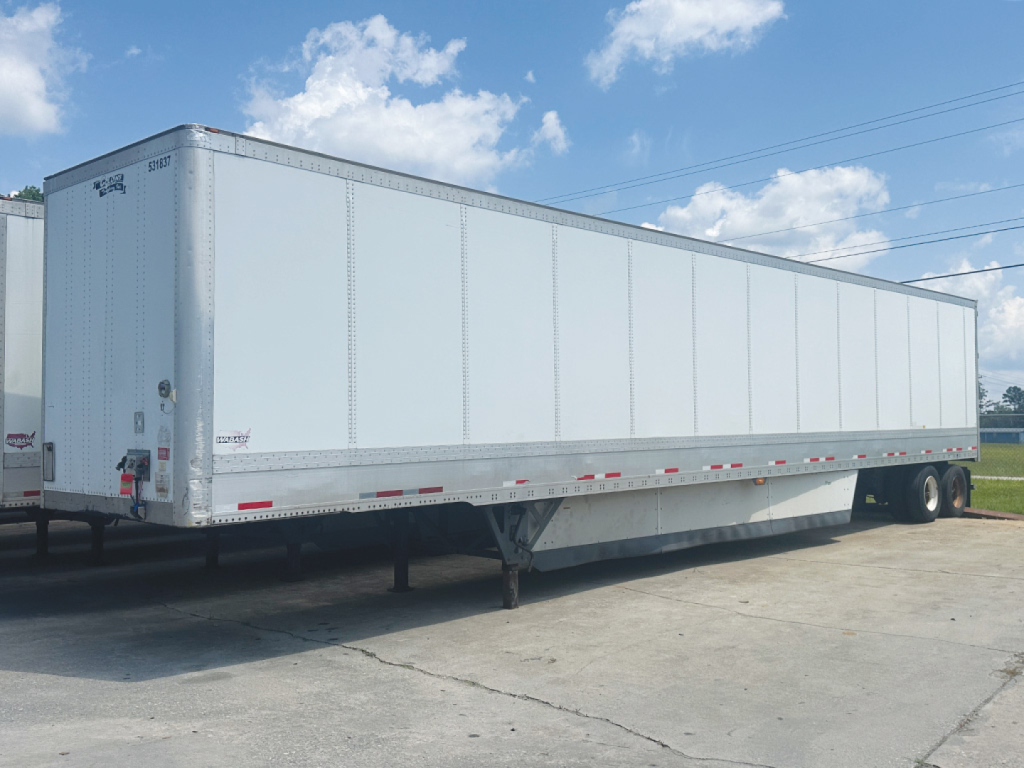
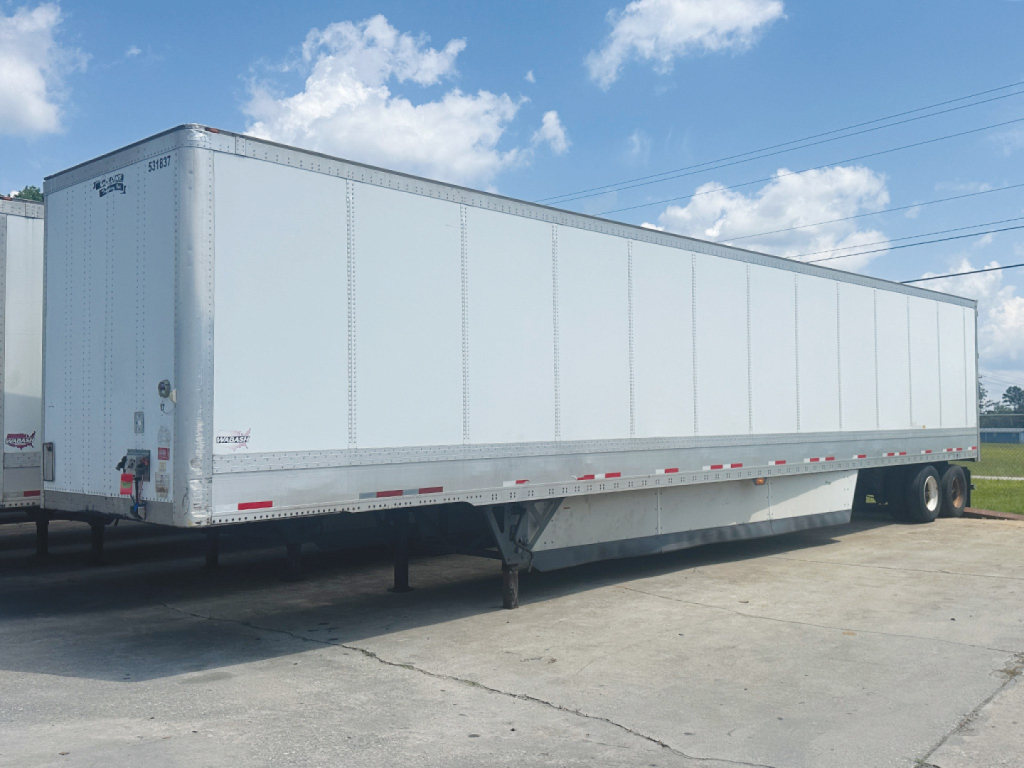
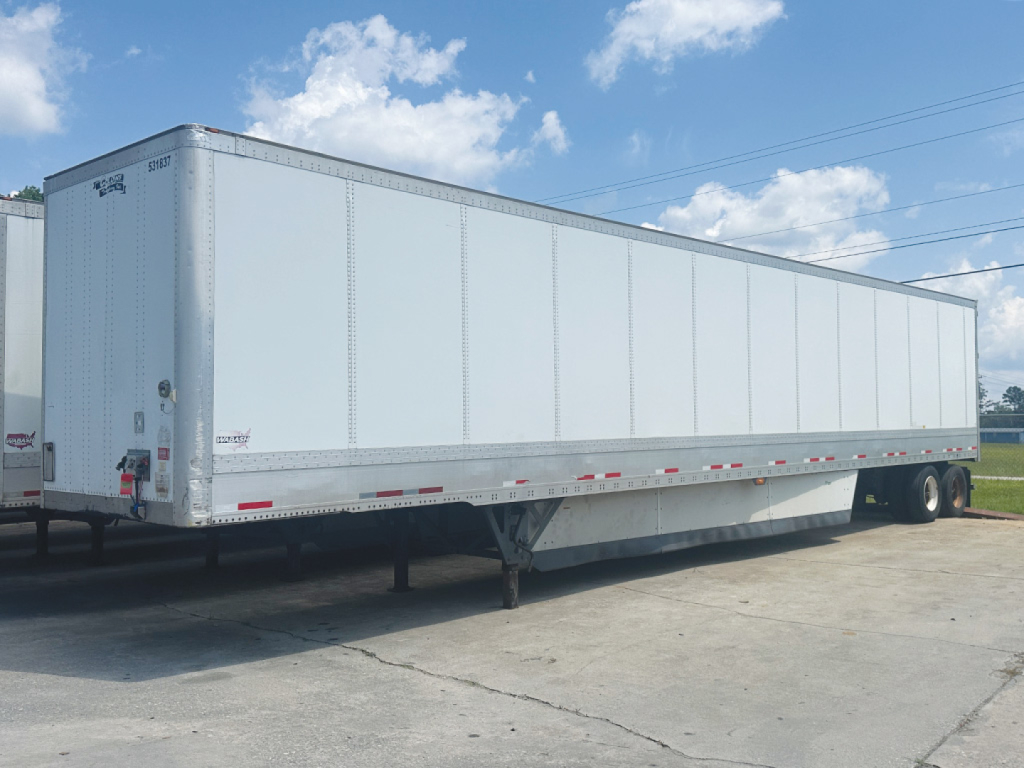
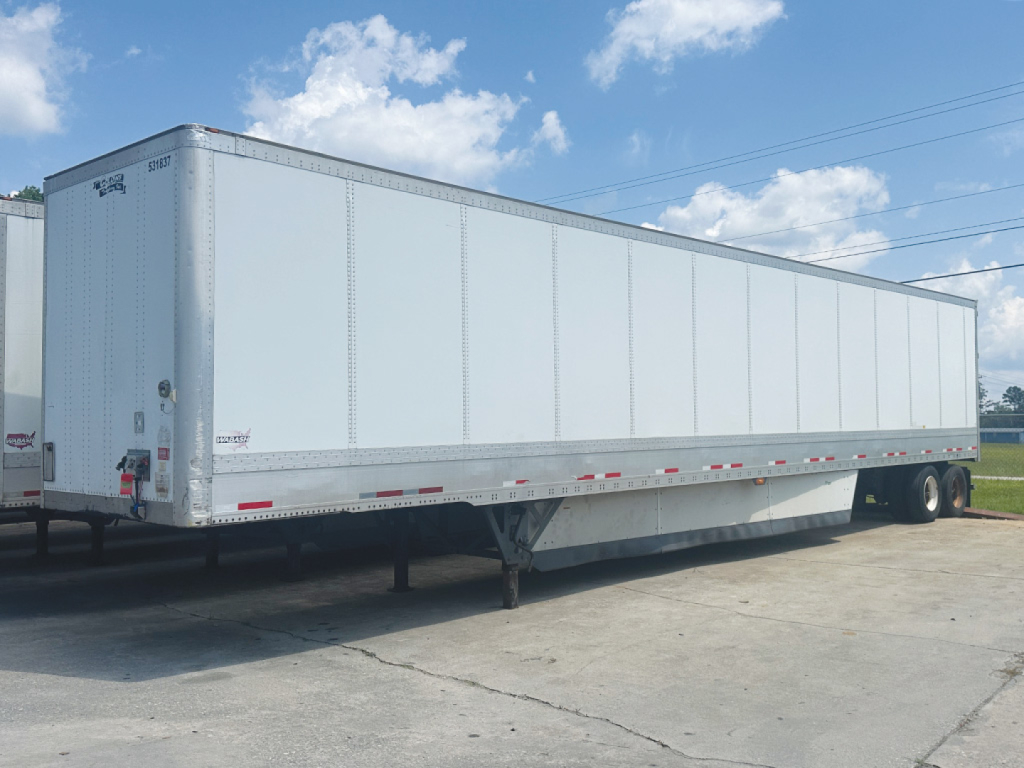
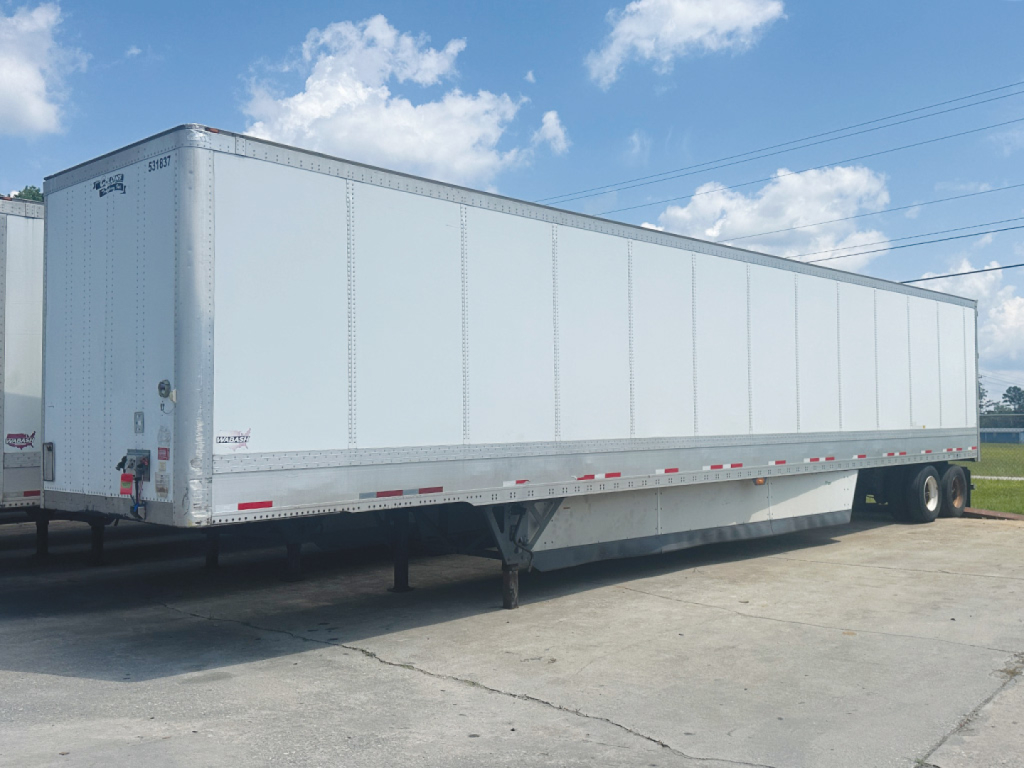
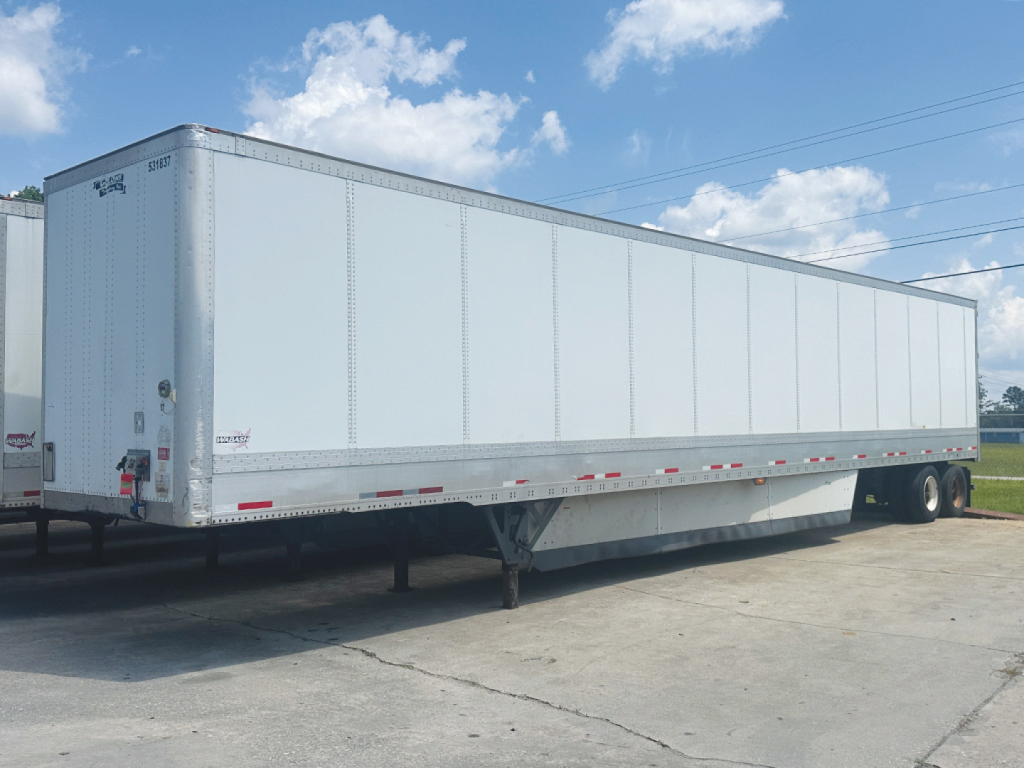
For dry freight, Wabash DuraPlate vans are widely used in retail, distribution, and general truckload service. Key buyer checkpoints include floor condition, especially around forklift traffic lanes and threshold plates, wall and roof repairs, rear frame integrity, door sealing, and signs of cargo impact on scuff liners or sidewalls. Suspension and axle spec matter too. Air ride is common on fleet vans and helps protect freight, while tire inflation systems, disc brakes, and aerodynamic side skirts can add value if they have been maintained properly. A used van with a sound floor, straight rails, and clean door operation will usually matter more than cosmetic appearance alone.
For refrigerated service, Wabash aluminum reefers are typically spec'd for grocery, foodservice, and temperature-controlled distribution. Buyers should pay close attention to reefer unit hours, maintenance records, evaporator and condenser condition, floor wear, and door seal performance. Interior height, floor type, and load securement setup affect what freight the trailer can handle day to day. In Georgia's heat and humidity, reefer performance under continuous summer duty is a real-world issue, so unit service history and insulation integrity should be reviewed carefully. Side skirts, sliding tandems, and low-profile 22.5 tires are also common specs that affect operating cost and bridge compliance.
A used Wabash trailer is usually a practical fit for buyers who want mainstream fleet-spec equipment that is easy to place into regional or over-the-road service. Parts support, shop familiarity, and broad acceptance in the secondary market help keep these trailers liquid. The best buying approach is to match the trailer's body type, floor construction, suspension, door configuration, and cargo control package to the freight you actually haul. For many buyers in Georgia, that means choosing between a DuraPlate dry van for high-cycle dock freight or a Wabash reefer for temperature-sensitive lanes where uptime and insulation condition are critical.
Frequently Asked Questions about Used Wabash Trailers in Georgia
What are the main advantages of a used Wabash DuraPlate trailer?
A used Wabash DuraPlate trailer is popular because the DuraPlate wall construction is durable, widely accepted in fleet service, and generally easier to keep in working condition than some older panel designs. Buyers also benefit from strong parts availability, common fleet specs, and good resale recognition. On a used trailer, the real advantage comes when the walls, floor, roof, rear frame, and doors are still structurally sound, since those areas drive repair cost and serviceability more than the badge alone.
What should I inspect first on a used Wabash dry van?
Start with the floor, sidewalls, roof, and rear door frame. Forklift damage, soft flooring, patched roof sections, cracked threshold areas, and bent rear framing can quickly turn a low purchase price into a high repair bill. After that, inspect the tandem slide, suspension, brakes, tires, hubs, and ABS system. Logistics posts, scuff plates, and door hardware should also be checked because they affect everyday loading performance and can show how the trailer was treated in previous fleet service.
How do I evaluate a used Wabash reefer trailer?
A used Wabash reefer should be evaluated as both a trailer and a refrigeration system. Check reefer unit hours, service records, temperature pull-down performance, door seals, floor wear, and the condition of the evaporator and condenser. Inspect the insulated body for repairs that may affect temperature control. In warm states like Georgia, weak insulation, worn seals, or deferred reefer maintenance will show up quickly in fuel use, cycle times, and product protection.
Are Wabash trailers in Georgia commonly configured for standard fleet freight?
Yes. Many used Wabash trailers in Georgia are standard fleet-spec 53-foot units built for dock loading, regional distribution, and over-the-road lanes. Common features include 102-inch width, 13-foot 6-inch overall height, sliding tandems, air ride or spring suspension, low-profile 22.5 tires, logistics posts or E-track, and swing or roll-up doors. Those specs make them relatively easy to match with common freight and tractor setups.
Is air ride or spring suspension better on a used Wabash trailer?
It depends on the freight and operating profile. Air ride is generally preferred for dry van and reefer applications where cargo protection matters, especially on higher-value or damage-sensitive loads. Spring suspension is simpler and can work well in certain reefer or regional applications, but it may not offer the same ride quality. On a used trailer, condition is as important as type, so inspect bushings, hangers, shocks, air bags, and alignment-related tire wear before making the decision.