
Used Wabash Van Trailers For Sale in Georgia
Shop used Wabash van trailers for sale in Georgia. Compare DuraPlate dry vans, specs, floor types, suspension, tandem settings, and cargo features.
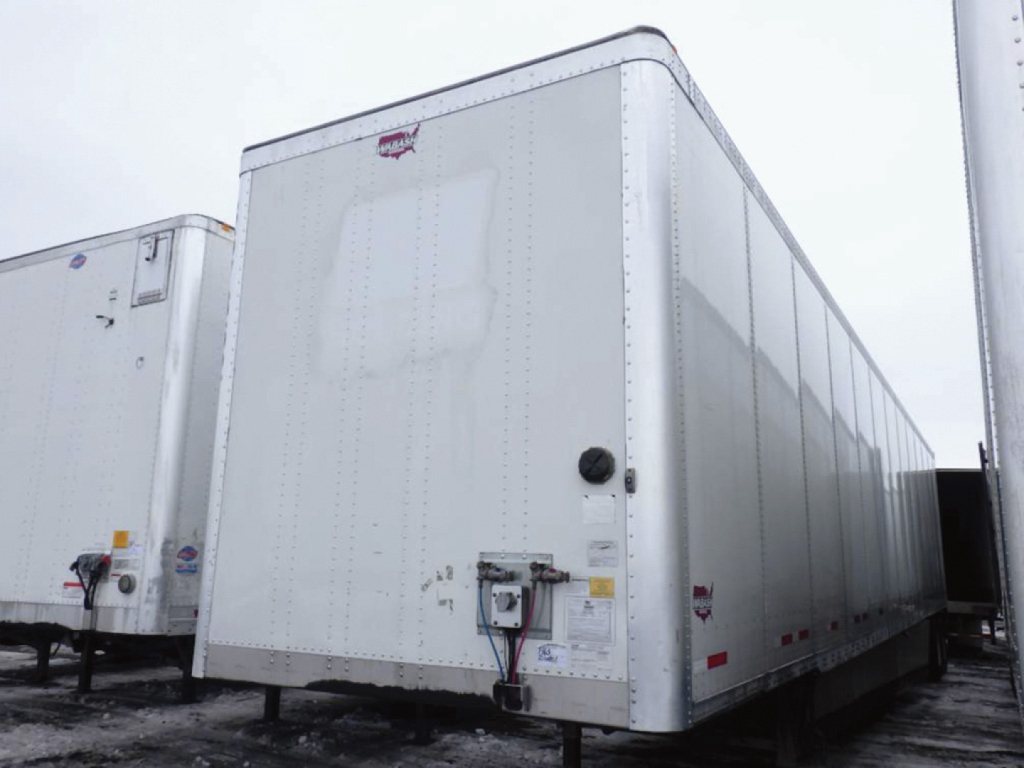
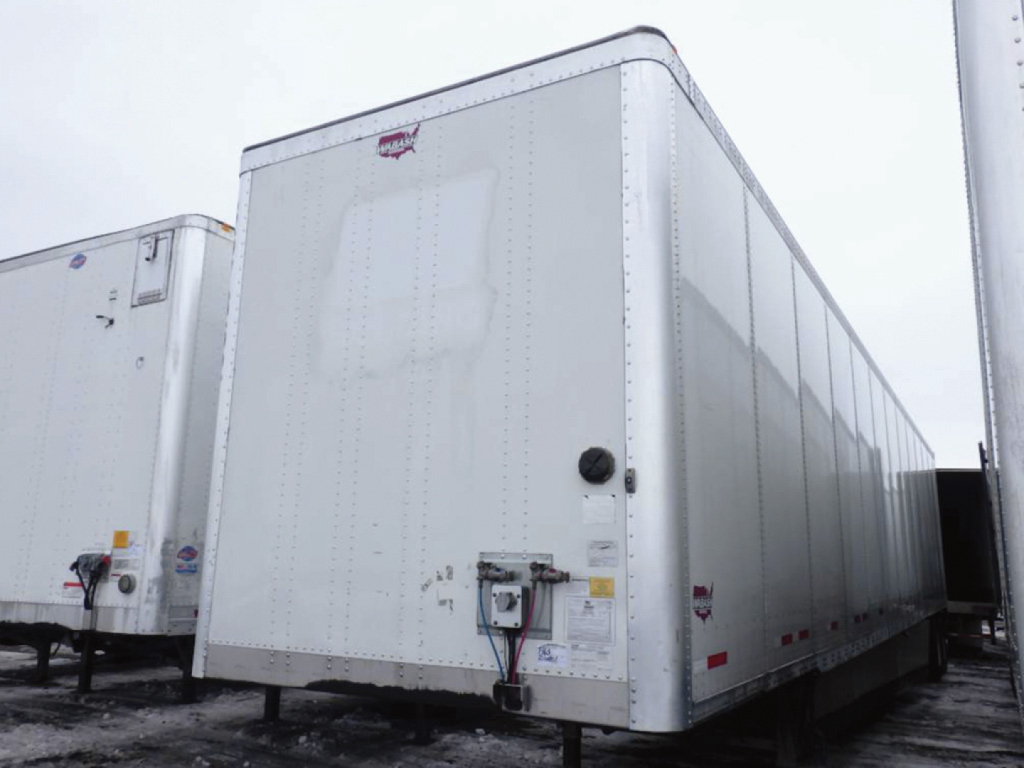

Have used wabash van trailer to sell? List it here to reach thousands of buyers.
Used Wabash Van Trailers in Georgia
The specs that matter most on a used Wabash van usually start with length, interior height, suspension, and tandem setup. Many units are 53 feet long, 102 inches wide, and 13 feet 6 inches tall, with common interior heights around 110 inches. Sliding tandems are important if you run multiple states with different bridge and axle requirements, and air ride suspension is preferred for freight that needs better ride quality. Logistics posts, aluminum scuff liners, threshold plates, and wood floors are all worth close attention because they directly affect cargo securement, forklift traffic, and day-to-day dock use. Swing doors remain the standard for general freight, but buyers should inspect hinges, seals, and rear frame condition carefully on any used dry van.
Wabash DuraPlate and DuraPlate HD models appeal to fleets and owner-operators because they are familiar to drivers, easy to spec for general freight, and supported by a broad service network. HD versions are often chosen when a buyer wants added confidence for tougher dock environments or heavier forklift use. On used trailers, condition matters more than model year alone. Floor wear, roof condition, sidewall integrity, crossmember corrosion, slider operation, brake life, tire condition, wheel type, and landing gear function all deserve a close inspection. If the trailer is logistics equipped, verify the track layout and confirm it matches the type of load bars, straps, or decking systems you plan to use.
For Georgia buyers, it also makes sense to evaluate how a used Wabash van fits local lanes and freight cycles. A trailer running dense metro freight around Atlanta may show different wear than one used mainly on highway lanes across the Southeast. Side skirts can improve fuel economy in linehaul service, but they should be checked for damage if the trailer has seen frequent yard or dock contact. Disc wheels, 22.5 low-profile tires, and standard dry van door openings are common in this category, but the best buying decision comes down to structural condition, maintenance history, and whether the trailer's current spec matches your freight. A well-kept used Wabash van trailer can be a dependable, versatile dry van for retail, packaged goods, palletized freight, and dedicated contract lanes.
Frequently Asked Questions about Used Wabash Van Trailers in Georgia
What is the difference between a Wabash DuraPlate van and a DuraPlate HD van?
A Wabash DuraPlate van uses the brand's composite plate sidewall construction and is designed for mainstream dry freight service. A DuraPlate HD van is generally built for harder daily use, especially in operations with frequent forklift traffic, busy docks, and more demanding loading cycles. On the used market, the real difference comes down to structural condition, floor wear, wall condition, and maintenance history as much as the model badge.
What should I inspect first on a used Wabash van trailer?
Start with the floor, rear frame, doors, roof, and tandem slider. These areas usually reveal how the trailer was used and maintained. Check for soft or patched floor sections, cracked thresholds, door seal issues, roof repairs, damaged scuff liners, and slider rails that are worn or hard to move. Then inspect brakes, tires, suspension components, crossmembers, landing gear, and signs of corrosion, especially if the trailer has seen heavy regional service.
Are Wabash van trailers good for general dry freight?
Yes. Wabash van trailers are widely used for palletized consumer goods, retail freight, packaged food loads, paper products, and other non-temperature-controlled cargo. Their popularity comes from broad shipper acceptance, familiar dimensions, practical cargo securement options, and durable construction. A used unit can serve well in both regional and over-the-road work if the floor, walls, doors, and running gear are still in solid condition.
Why does a sliding tandem matter on a used dry van?
A sliding tandem helps adjust axle spacing for bridge law compliance, weight distribution, and dock maneuvering. That matters in multi-state operations and in freight patterns where load position changes from one trip to the next. On a used trailer, the tandem slider should move properly and lock securely, because worn rails, damaged pins, or poor maintenance can turn a useful feature into a daily problem.
What trailer specs are most common on used Wabash vans in Georgia?
Common specs include a 53-foot length, 102-inch width, 13-foot 6-inch overall height, swing doors, wood flooring, logistics posts, scuff plates, air ride suspension, and sliding tandems. Many trailers in this class also run 22.5 low-profile tires and standard dry van dock-height configurations. These specs suit a wide range of Southeast freight, especially distribution and linehaul lanes moving through Atlanta and surrounding markets.