
Wabash Trailers For Sale in North Carolina

Have wabash trailer to sell? List it here to reach thousands of buyers.
Wabash Trailers in North Carolina
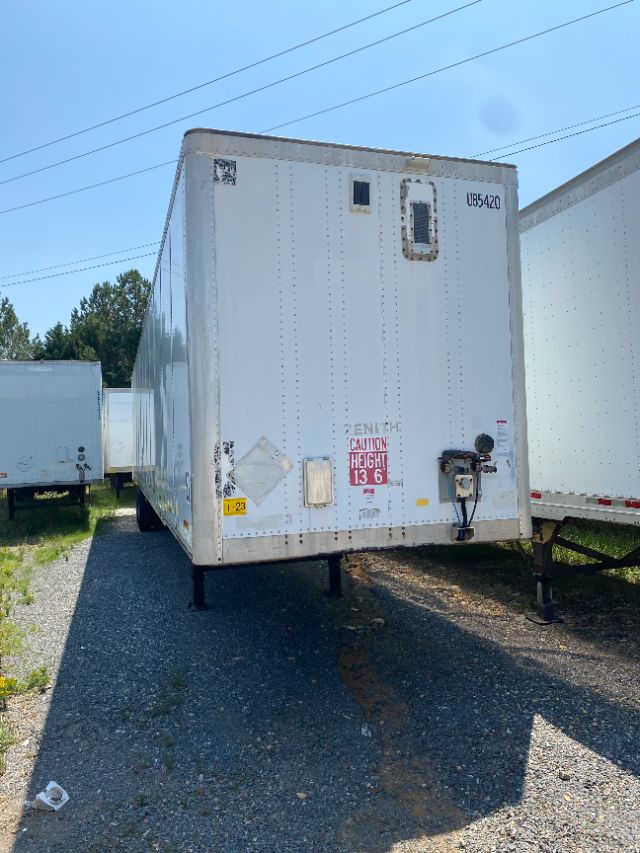
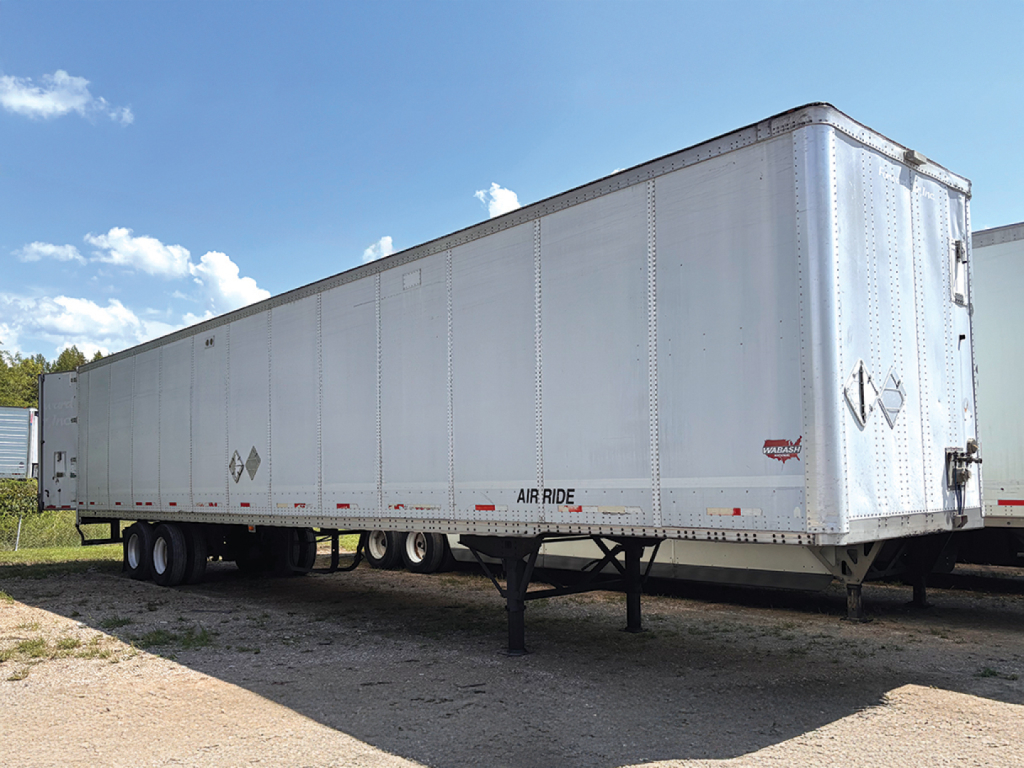
A lot of used Wabash vans in this class are spec'd with air ride suspension, sliding tandems, swing rear doors, hardwood floors, aluminum roofs, and logistics posts. Those are practical fleet specs, not cosmetic add-ons. Air ride helps protect freight and reduces trailer abuse on rough lanes. Sliding tandems give you flexibility for bridge law compliance and dock positioning. Logistics posts make the trailer more versatile for load securement, especially for mixed freight and palletized cargo. Swing doors remain common on van trailers where full rear opening and simple maintenance matter more than the speed of a roll-up door. Scuff liners, threshold plates, and composite lining are also worth checking because they say a lot about how the trailer was used and how much dock and forklift wear it has seen.
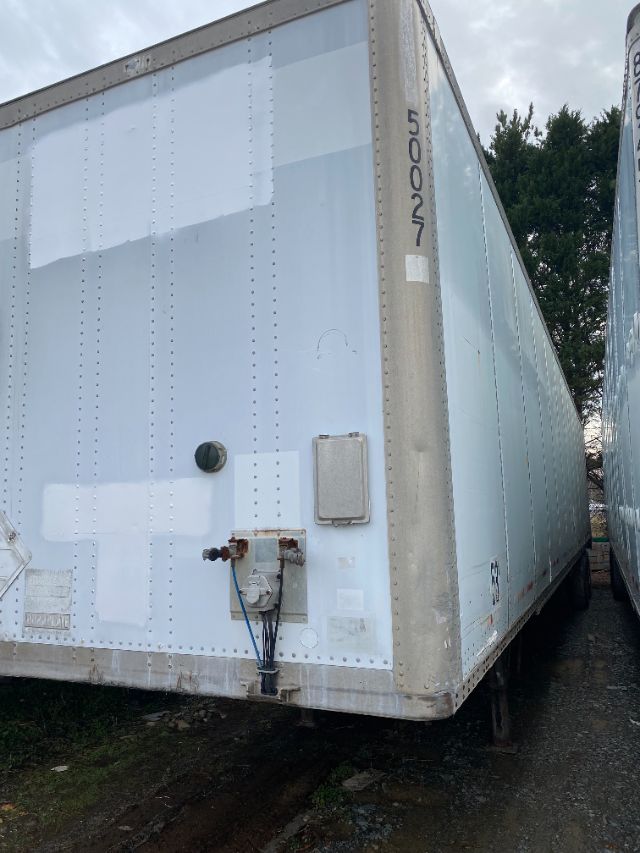
For buyers comparing older Wabash trailers, condition and prior application matter as much as model year. A food grade trailer may have cleaner interiors and smoother wall condition, but floor health, roof condition, sidewall repairs, and rear frame integrity still need close inspection. Look closely at the floor type and wear pattern around the first several feet from the rear, check for delamination or patchwork in side panels, inspect crossmembers and bogie areas for corrosion, and confirm tandem slide rails are not excessively worn. Tire size, wheel type, and brake spec also affect operating cost. Many fleet vans in this segment run 22.5 low-profile tires and disc or drum wheel setups, so replacement cost and parts commonality should be part of the buying decision.
Wabash dry vans fit a wide range of operations, from regional distribution in the Carolinas to longer over-the-road freight. They are also commonly referred to as van trailers, dry vans, or enclosed freight trailers. If your freight profile is mostly palletized, boxed, or non-temperature-sensitive cargo, a Wabash van is usually judged on structural condition, door and floor wear, suspension type, and how well the spec matches your lanes. A clean 53-foot Wabash with straight sides, sound logistics equipment, and a healthy air ride suspension can still be a very productive trailer, especially for fleets that want dependable dry freight capacity without stepping into a specialized trailer class.
Frequently Asked Questions about Wabash Trailers in North Carolina
What is a Wabash DuraPlate trailer?
A Wabash DuraPlate trailer is a dry van built with laminated composite sidewalls bonded to high-strength steel skins. The design is known for combining lighter weight with strong wall durability and a smooth interior surface. In fleet use, DuraPlate trailers are popular for palletized freight, retail distribution, and food-related dry cargo because they hold up well under regular dock loading and unloading.
What specs are most common on used Wabash dry van trailers?
The most common used Wabash van trailer spec is 53 feet long, 102 inches wide, and 13 feet 6 inches tall. Many are equipped with air ride suspension, sliding tandems, swing rear doors, hardwood floors, aluminum roofs, and logistics posts. Those features support broad freight compatibility, easier load securement, and practical maintenance for high-mileage fleet service.
What should I inspect first on a used Wabash trailer?
Start with the floor, rear frame, roof, and suspension. Floor wear near the rear entry tells you a lot about forklift traffic and overall abuse. Rear frame damage, door seal condition, and threshold wear affect cargo protection and dock performance. You should also inspect sidewalls for repairs or delamination, check crossmembers and the slider assembly for structural wear, and verify brake and tire condition before putting the trailer into service.
Are Wabash trailers good for food grade freight?
Many Wabash dry vans are used in food grade service, especially trailers with clean interiors, smooth composite walls, and well-maintained floors. Food grade suitability depends on the specific trailer's cleanliness, repair history, odor-free interior condition, and whether it has been kept free of contamination. A food grade trailer should still be inspected carefully for floor damage, wall patches, leaks, and any signs of prior cargo that could affect sanitation standards.
Why do many fleets choose air ride Wabash vans?
Air ride suspension helps reduce shock transfer to the trailer and cargo, which is important for packaged goods, palletized freight, and higher-value shipments. It can also reduce trailer vibration and wear compared with rougher suspension setups. For buyers, air ride is often a preferred spec because it supports better cargo protection and is widely accepted across general freight operations.