
Wabash Dry Van Trailers For Sale in North Carolina
Compare Wabash dry van trailers for sale in North Carolina by DuraPlate construction, floor rating, corrosion, and new-trailer tax considerations.
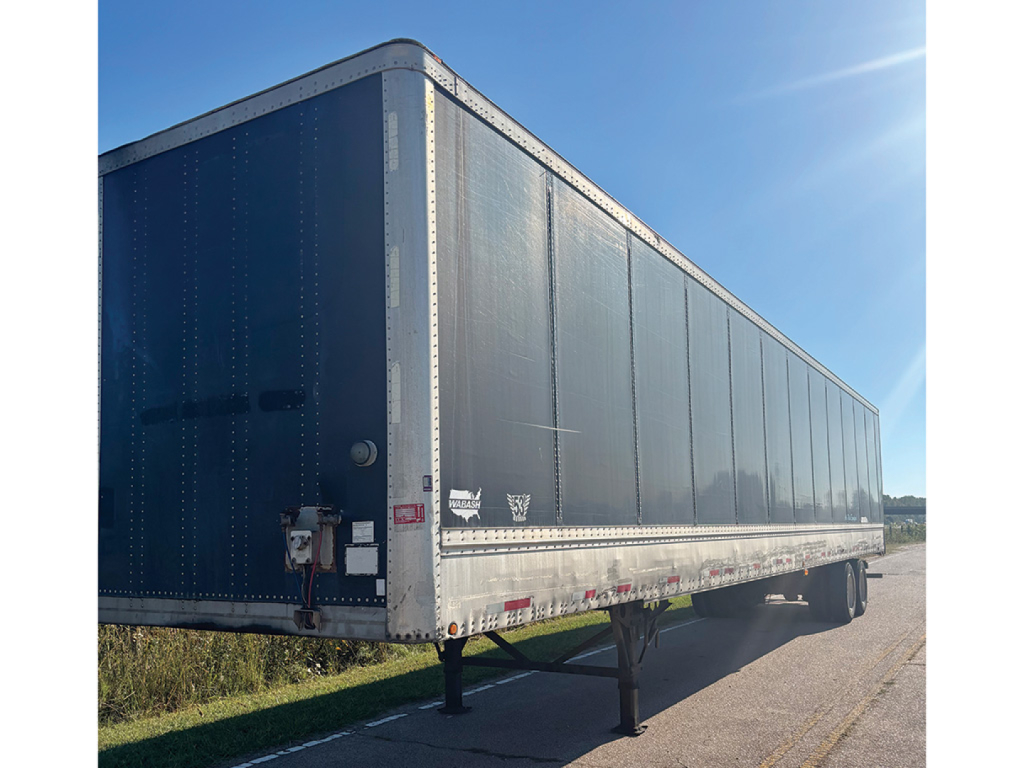
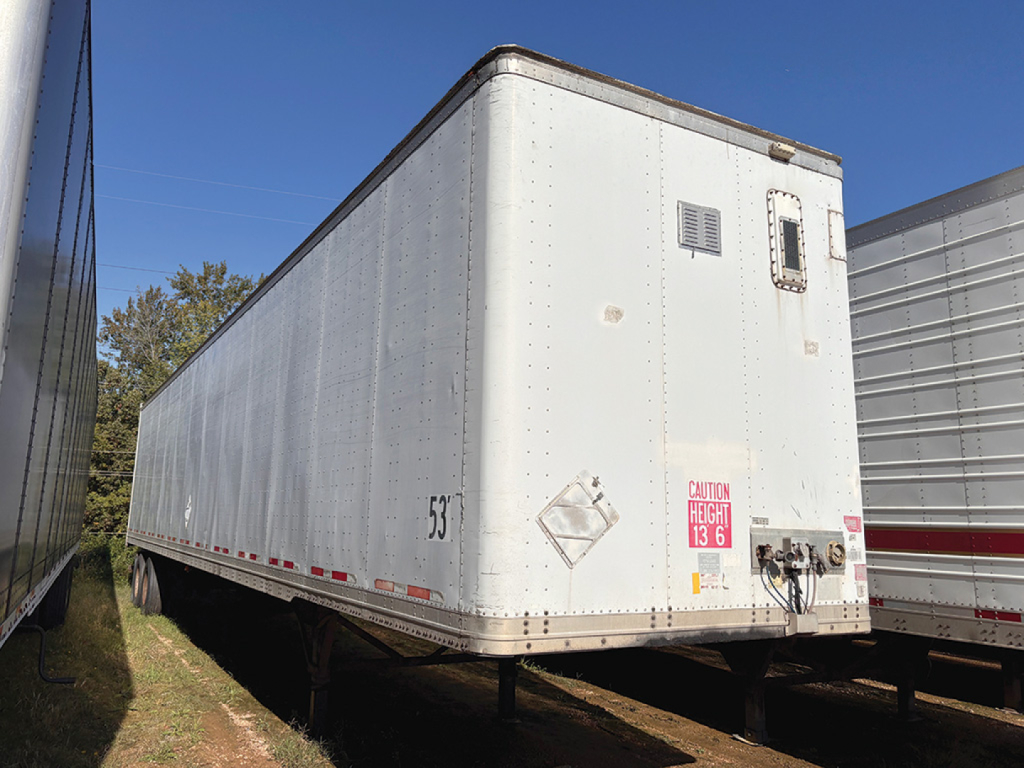
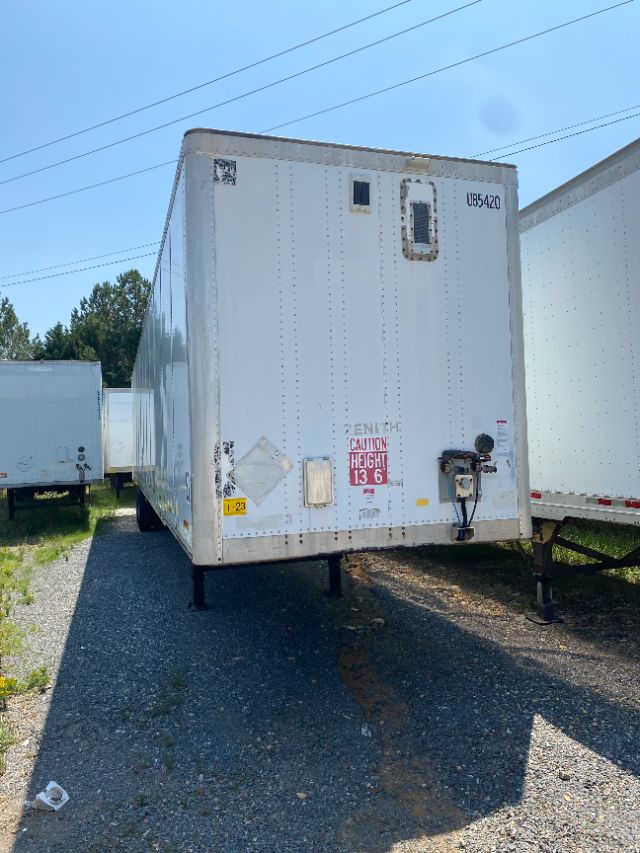
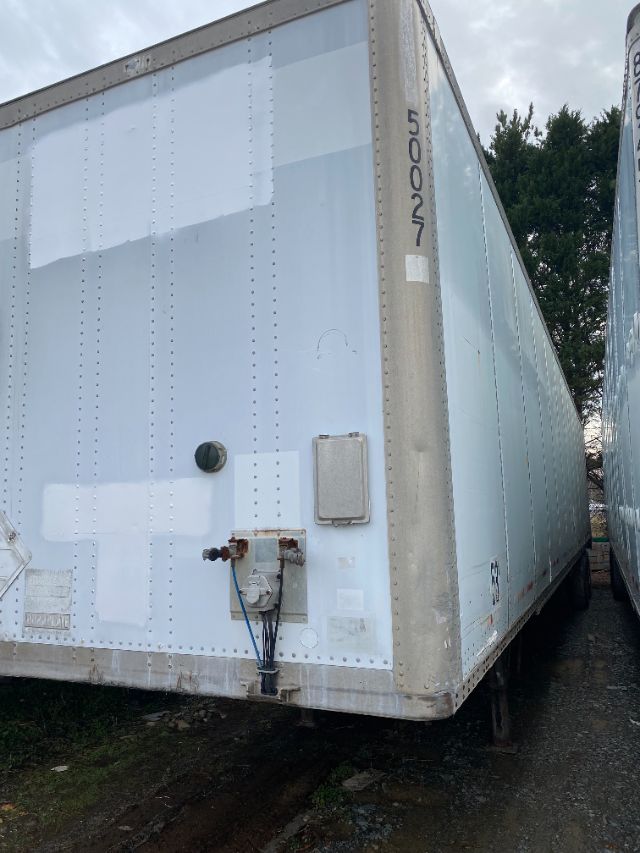

Selling a wabash dry van trailer? List your wabash dry van trailer for sale and reach thousands of commercial buyers.
Wabash Dry Van Trailers in North Carolina
Coastal humidity and salt exposure make roof seams, door seals, landing gear, and steel understructure important inspection points. Mountain service and winter deicing exposure add reasons to check brake condition, crossmembers, suspension hangers, and slider rails. North Carolina buyers should confirm legal axle placement and route access before selecting trailer length and tandem position, especially when moving between Interstate corridors and local industrial roads.
On used Wabash vans, inspect panel joints, floor edges, rear frame squareness, and evidence of patched leaks; request brake, wheel-end, and structural repair records. Older trailers deserve particular scrutiny for deteriorated flooring and corroded crossmembers, even when the exterior looks straight. For a new dry freight trailer, specify roof material, floor capacity, cargo-control layout, suspension, and tire inflation equipment around the duty cycle. Confirm structural and component warranty terms separately, and account for the 12% federal excise tax when it applies to a qualifying new heavy trailer.
Frequently Asked Questions about Wabash Dry Van Trailers in North Carolina
Should I choose swing doors or a roll-up door on a Wabash dry van?
Swing doors usually suit dock-to-dock Wabash dry van work when maximum rear opening clearance matters. Roll-up doors can suit frequent delivery stops, but the overhead door assembly reduces usable clearance and adds tracks, rollers, and counterbalance components to maintain. Compare the actual clear opening with loaded pallet height, and confirm that customer docks provide enough room to open and secure swing doors.
Is a used Wabash dry van suitable for hauling packaged food?
A used Wabash dry van is suitable for packaged food only when its condition and cargo history meet the shipper's sanitation requirements. Inspect for odors, pests, moisture, floor contamination, and residue from previous loads. A seller's food-grade description is not a substitute for inspection or shipper approval. Dry vans provide no active temperature control, so temperature-sensitive products may require refrigerated equipment.
How much weight can a Wabash dry van legally carry in North Carolina?
Loaded axle weights, not the Wabash dry van's GVWR alone, determine legal payload in North Carolina. Standard Interstate limits generally include 80,000 pounds gross combination weight, 20,000 pounds on a single axle, and 34,000 pounds on a tandem, subject to bridge-formula requirements. Subtract actual tractor and trailer operating weight to estimate cargo capacity, then verify axle distribution, equipment ratings, and restrictions on the intended route.
Does an older Wabash dry van need working ABS?
Air-braked Wabash dry vans built on or after March 1, 1998, generally require working ABS for U.S. highway service. Verify the manufacturing date, check the trailer ABS warning-lamp sequence, and have a technician read stored faults. Inspect wheel-speed sensor wiring and power connections rather than accepting a disconnected warning lamp as evidence that the system has no problems.