
New Wabash Trailers For Sale in Illinois
Browse new Wabash trailers for sale in Illinois, including dry vans, flatbeds, and drop decks with modern specs for freight efficiency.
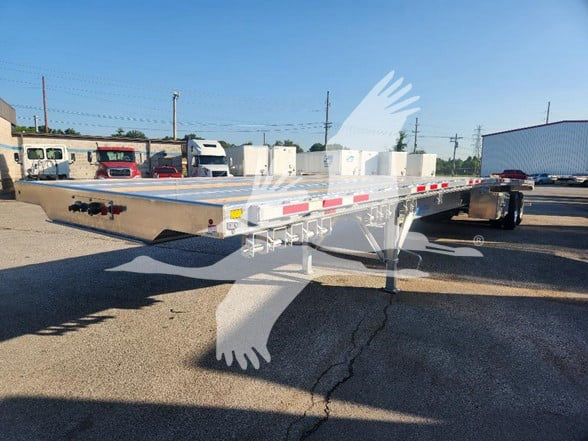
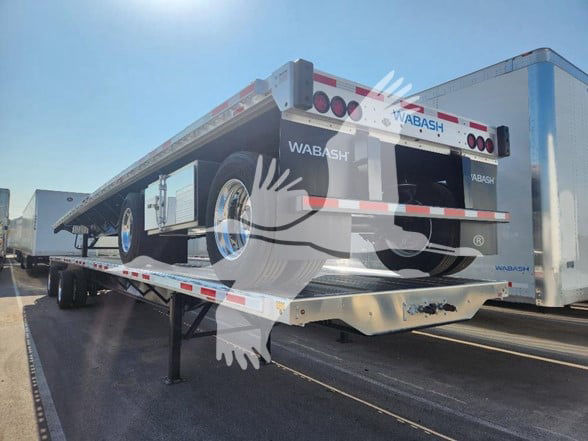
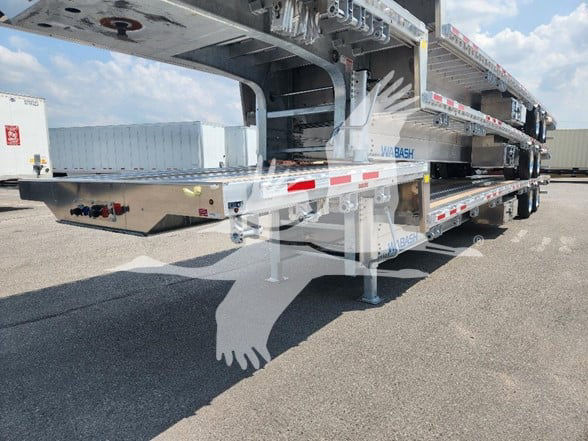
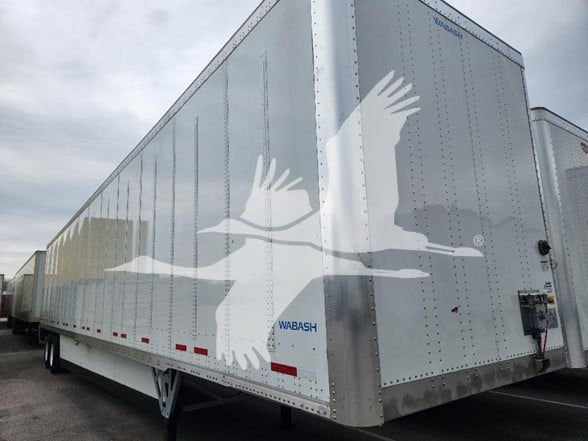
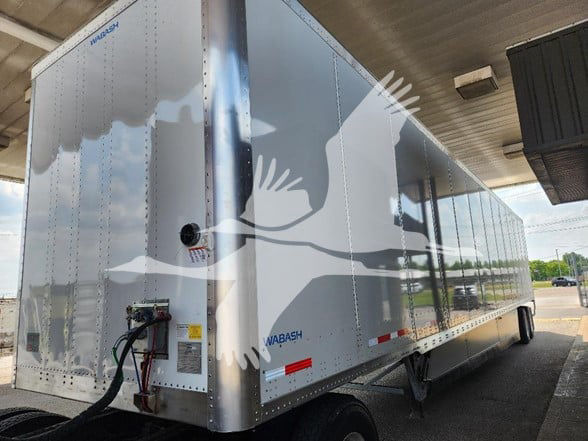
Selling a new wabash trailer? List your new wabash trailer for sale and reach thousands of commercial buyers.
New Wabash Trailers in Illinois
For dry vans, the main buying decisions usually center on logistics package, roof and door construction, rolling resistance, and long-term maintenance. Common specs on new Wabash vans include aluminum roofs, composite swing doors, side skirts, tire inflation systems, and air ride suspensions with slider setups or auto pin pullers. Buyers comparing van trailers should look closely at interior logistics posts, floor rating, rear frame protection, and wheel-end specification, especially if the trailer will see high-cycle dock work or mixed regional and over-the-road service. Fuel-saving aero packages can make sense on long highway lanes, while galvanized components can help slow corrosion in Midwest weather and road salt exposure.
On the platform side, new Wabash flatbeds and drop deck trailers are often spec'd for freight securement flexibility and reduced empty weight. Common features include all-aluminum or aluminum combo construction, spread axle configurations, rear axle slides for bridge law and California compliance, PSI tire inflation systems, sliding winches, winch tracks, toolboxes, and multi-position tie-down systems built into the floor. Buyers hauling machinery, palletized freight, pipe, steel, or jobsite materials should pay attention to deck type, tie-down density, loaded deck height, and whether a rear axle dump or ramp package is needed. A drop deck, also known as a step deck trailer, adds clearance advantages for taller freight that cannot ride legally on a standard flatbed.
A good new-trailer spec comes down to freight profile and operating region. Illinois buyers often need a trailer that can handle interstate miles, warehouse traffic, winter conditions, and strict uptime expectations. That is where details like galvanized steel packages, scuff-resistant components, air ride suspension, tire inflation systems, and quality wheel specifications start to matter more than brochure claims. When comparing new Wabash trailers, focus on the parts of the build that affect payload, securement speed, maintenance intervals, and resale strength over the first several years of service.
Frequently Asked Questions about New Wabash Trailers in Illinois
What types of new Wabash trailers are most common?
The most common new Wabash trailers on the market are dry vans, flatbeds, and drop deck trailers. Dry vans are typically used for general freight, palletized goods, and dock-to-dock distribution. Flatbeds are better suited for construction materials, steel, lumber, and freight that loads from the side or top. Drop decks, also called step deck trailers, are used when freight height would make a standard flatbed difficult or illegal to move.
What should I look for on a new Wabash dry van trailer?
Key dry van specs include suspension type, slider configuration, logistics track layout, floor rating, roof construction, door material, and aerodynamic equipment. Many buyers also look for tire inflation systems, side skirts, aluminum roof construction, and corrosion-resistant rear frame components. If the trailer will run high-mileage lanes, these features can improve uptime, lower maintenance exposure, and reduce operating cost over time.
What features matter most on a new Wabash flatbed or drop deck?
The most important platform-trailer features depend on the freight, but buyers usually focus on overall trailer weight, deck strength, securement options, axle spread, and suspension design. Sliding winches, winch tracks, multi-position tie-downs, toolboxes, rear axle slides, and axle dump systems are common options because they improve load versatility and securement efficiency. For operations in rough weather or corrosive environments, galvanized packages and aluminum wheel specifications can also add long-term value.
Is a spread axle Wabash trailer a good choice for Midwest freight?
A spread axle setup can be a strong choice for Midwest freight because it often improves weight distribution and stability on many loads. It is especially common on flatbeds and drop decks hauling building products, steel, and machinery. Buyers should still confirm bridge-law requirements, turning-radius considerations, tire wear expectations, and whether a sliding rear axle is needed for route flexibility or California compliance.
Why do many new Wabash trailers include PSI tire inflation systems?
PSI tire inflation systems are popular because they help maintain proper tire pressure while the trailer is in service. Correct tire pressure can reduce irregular wear, improve fuel efficiency, and lower the chance of roadside tire failures. On high-mileage vans and hard-working platform trailers, that can translate to better uptime and more predictable maintenance costs.