
2024 Wabash Trailers For Sale in Pennsylvania
Shop 2024 Wabash trailers in Pennsylvania. Compare dry vans and flatbeds with specs, applications, axle setups, flooring, and suspension details.
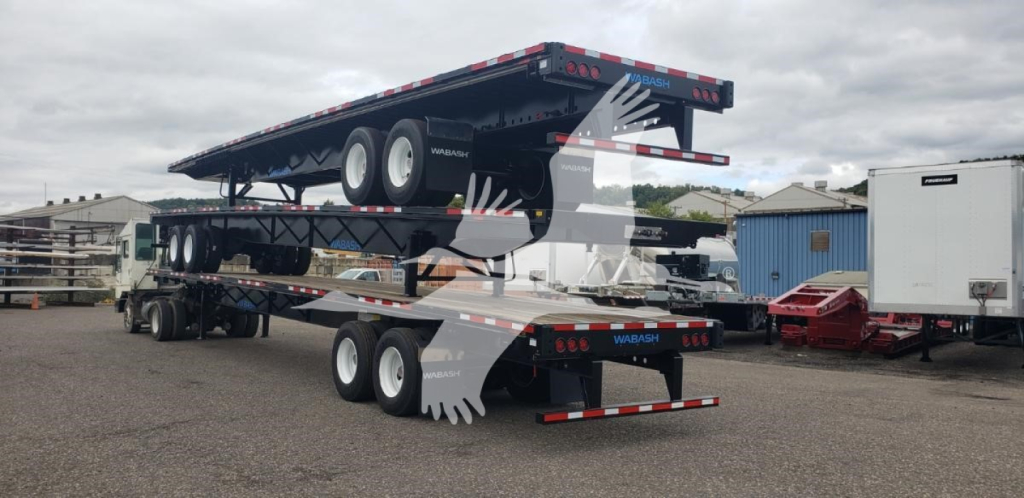
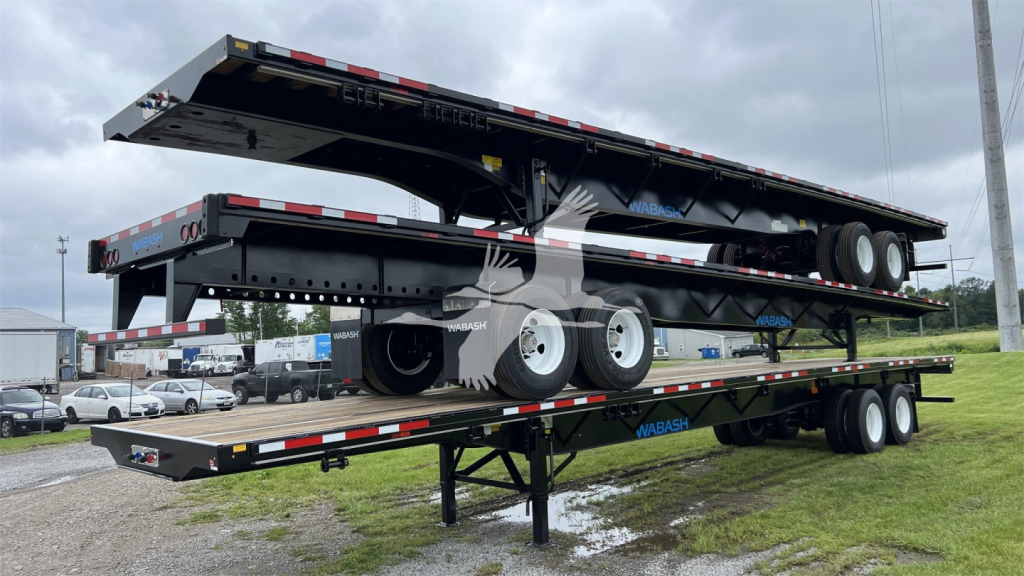
Selling a 2024 wabash trailer? List your 2024 wabash trailer for sale and reach thousands of commercial buyers.
2024 Wabash Trailers in Pennsylvania
On van trailers, the buying decision usually comes down to tare weight, floor condition, door style, and tandem arrangement. Wabash plate vans are widely used in general freight because they are straightforward to maintain and familiar to most fleets, drivers, and repair shops. A slider suspension helps when adjusting bridge settings or dock position, and air-ride remains the standard choice for protecting freight and reducing vibration on rougher secondary roads. Buyers should still confirm roof condition, sidewall repair history, rear frame integrity, logistics post wear, and the condition of the floor if the trailer has seen heavy forklift traffic.
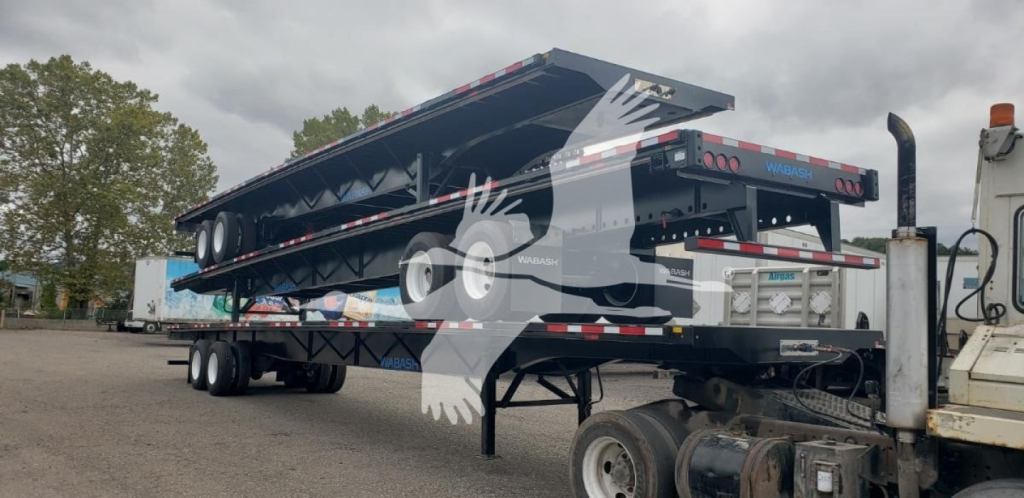
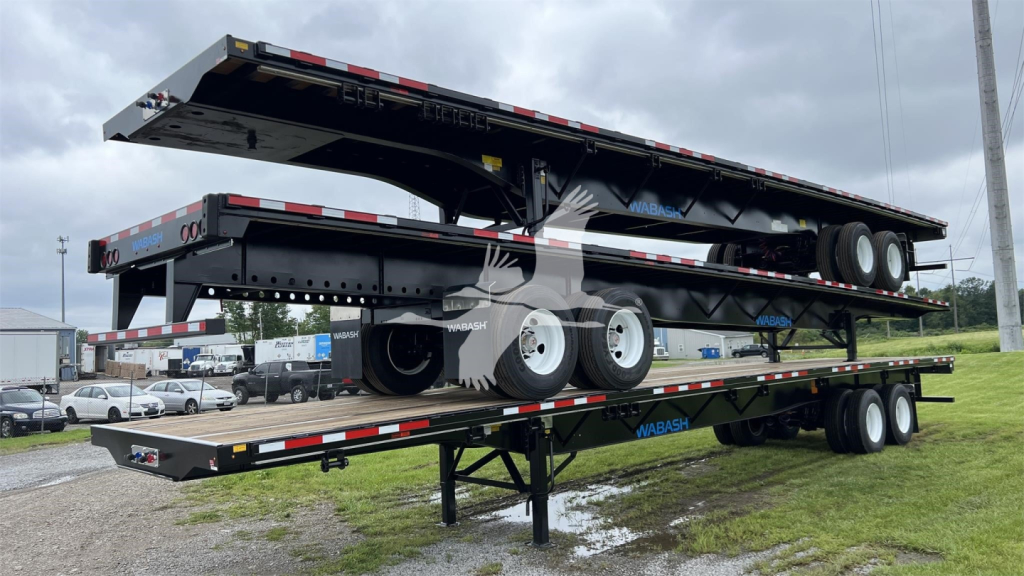
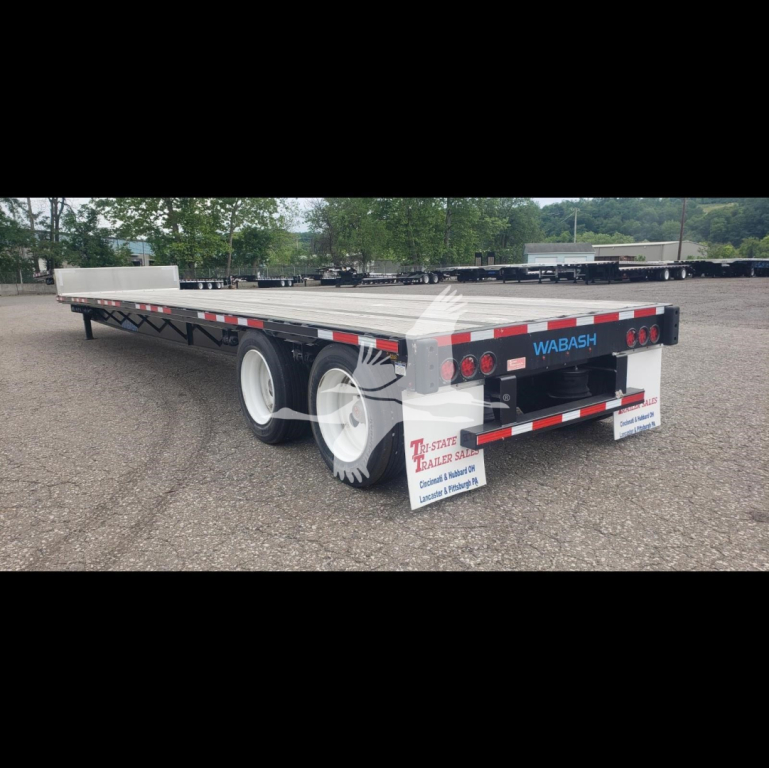
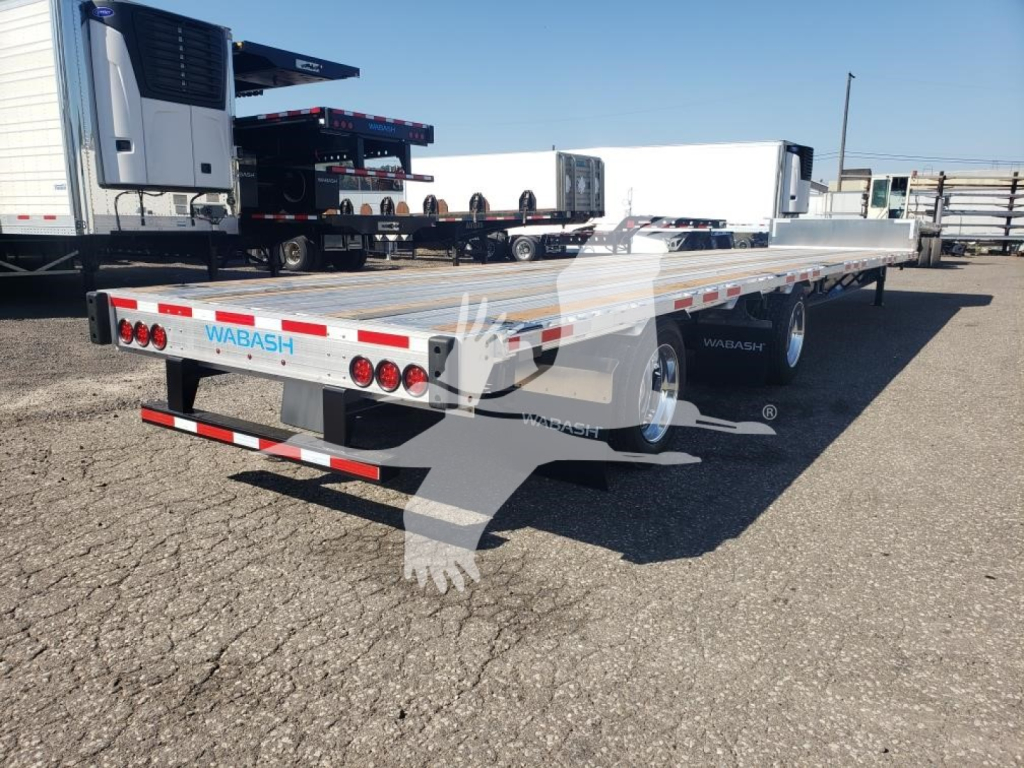
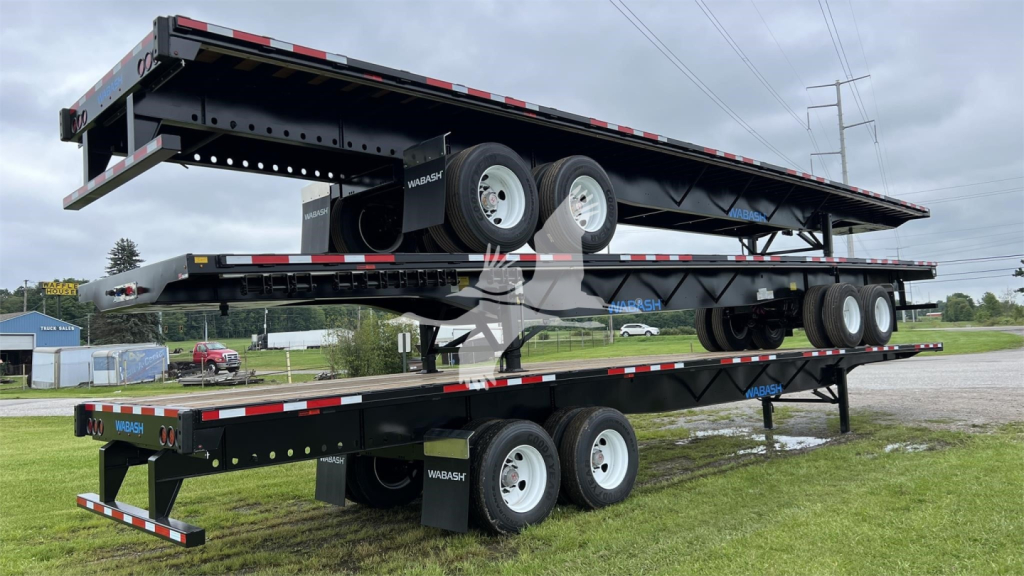
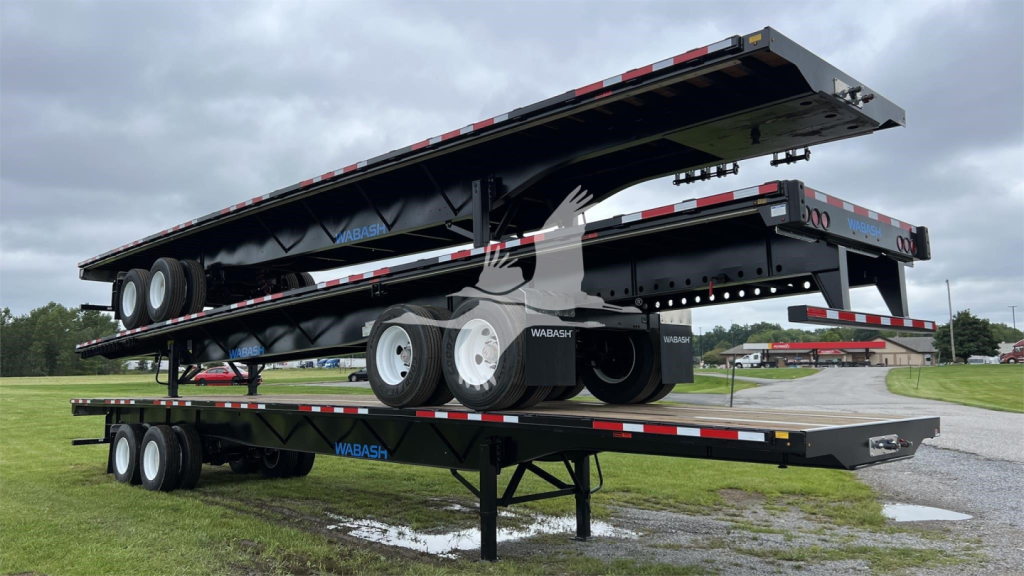
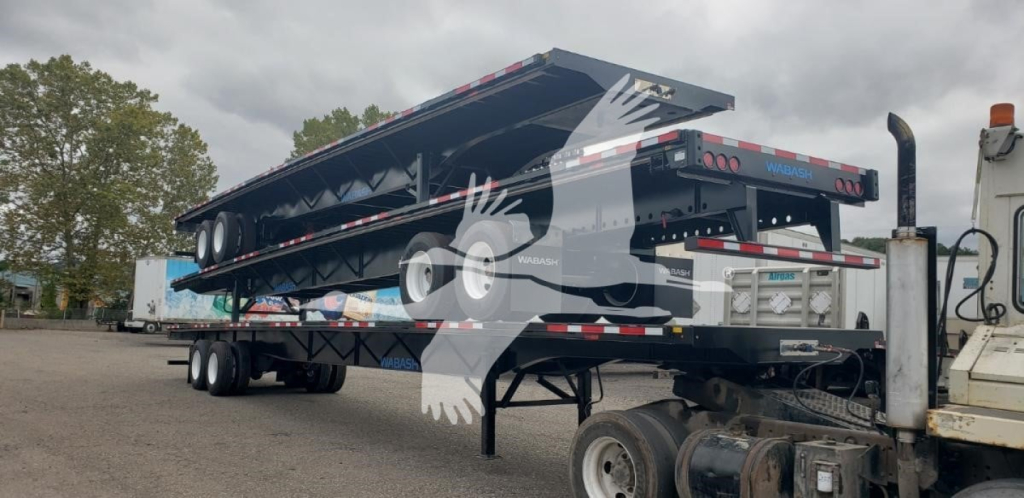
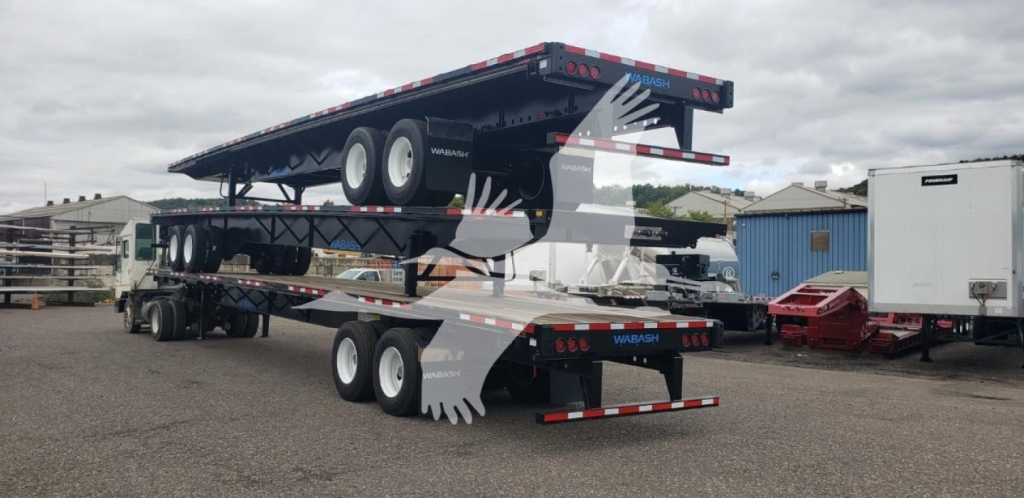
On flatbeds, Wabash air-ride sliders are often spec'd for versatile commodity work such as steel, building products, machinery, palletized freight, and crated loads. Common features include 1 1/8" Apitong flooring, steel front and rear members, steel side rails, double pipe spools, roadside winch tracks, sliding winches, and 12" crossmember spacing. A 49" spread slider with Hendrickson Intraax suspension is a common setup because it gives operators flexibility on axle placement while maintaining stable ride quality. Kingpin setting, beam rating, landing gear brand, tire spec, and whether the trailer has the right tie-down layout for coils, lumber, or machinery are all worth checking before purchase.
For Pennsylvania buyers, corrosion exposure and prior duty cycle should be reviewed as closely as headline specs. Winter road treatment can accelerate wear on wiring, light harnesses, brake components, and steel substructures, especially on trailers that have spent years in the Northeast. On a newer 2024 trailer, the value is often in modern component spec, cleaner maintenance history, and reduced reconditioning needs compared with older fleet units. The right Wabash trailer depends less on the badge alone and more on matching length, axle configuration, suspension, deck or body construction, and cargo securement layout to the lanes and freight you actually run.
Frequently Asked Questions about 2024 Wabash Trailers in Pennsylvania
What are the most common 2024 Wabash trailer types buyers compare?
The most common comparisons are Wabash dry vans and Wabash flatbeds. Dry vans are used for enclosed general freight, dock-to-dock distribution, and freight protection from weather and theft. Flatbeds are used for open-deck freight such as steel, lumber, machinery, and oversized palletized material. The right choice depends on cargo type, loading method, securement needs, and whether your lanes require maximum flexibility in axle positioning or dock compatibility.
What specs matter most on a 2024 Wabash flatbed?
The key flatbed specs are overall length, axle layout, suspension type, deck material, crossmember spacing, kingpin setting, beam rating, and tie-down equipment. Many buyers look for air-ride suspension, Apitong flooring, winch tracks, sliding winches, and a spread slider setup because those features support a broad range of freight. It is also important to confirm side rail condition, landing gear, tire and wheel package, and whether the securement layout matches the loads you plan to haul regularly.
Why does a slider tandem or spread slider matter on a Wabash trailer?
A slider setup gives the operator flexibility to move axle position for bridge compliance, weight distribution, and operational fit at docks or in tight areas. On dry vans, sliding tandems are common for adjusting axle weight and meeting state bridge laws. On flatbeds, a spread slider can help balance loads and improve versatility across different freight profiles. Buyers operating in Pennsylvania and across the Northeast often pay close attention to slider function because regional routes can involve stricter bridge and weight considerations.
What should buyers inspect on a used 2024 Wabash trailer in Pennsylvania?
Even on a newer model year, buyers should inspect brakes, tires, wheel ends, suspension components, wiring, lighting, frame rails, crossmembers, and signs of corrosion from winter road exposure. On dry vans, check the floor, roof, rear frame, and doors for damage or repair history. On flatbeds, inspect the deck, winch track, side rails, rub rail, stake pockets, and securement hardware. Maintenance records and evidence of consistent preventive service can be just as important as the trailer's age.
Is Wabash a strong choice for general freight and regional fleet work?
Wabash is a well-established trailer make with broad acceptance in fleet, lease, and resale markets. That usually translates into easier parts sourcing, familiar service procedures, and specs that align with common shipper requirements. For general freight, a Wabash dry van is a standard fit for distribution work. For open-deck applications, Wabash flatbeds are commonly spec'd for versatile freight mixes. The better buying decision comes from matching the trailer's exact configuration to your freight, lane density, and maintenance expectations.