
2018 Wabash Trailers For Sale in Illinois
Shop 2018 Wabash trailers in Illinois, including dry van and flatbed specs, common features, applications, and buyer-focused considerations.
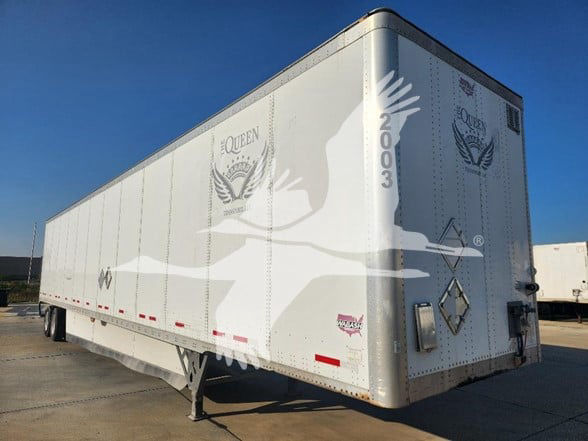
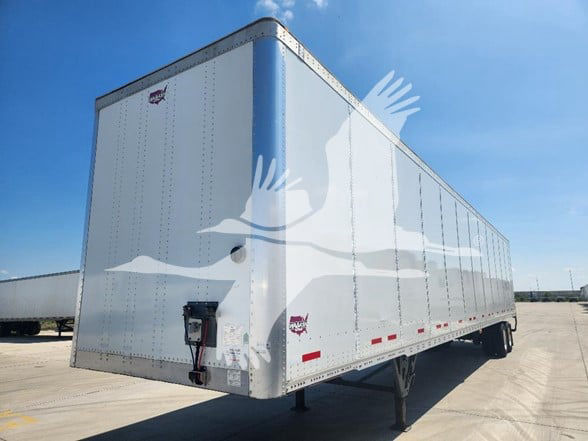

Looking for the easiest place to sell your 2018 wabash trailer? List it here to reach thousands of buyers.
2018 Wabash Trailers in Illinois
On 2018 Wabash dry vans, buyers will often find DuraPlate or composite panel construction, aluminum roofs, swing doors, and logistics posts in 24-inch or 50-inch spacing depending on the freight profile. Common specs include tandem air ride suspension, low-pro 22.5 tires, steel or aluminum wheels, and 53-foot overall length. Features that add day-to-day operating value include PSI tire inflation systems, side skirts for fuel economy, scuff liners, duct floors, galvanized rear frames, and landing gear reinforcement. If the trailer is going into grocery, parcel, or high-touch dock work, check door condition, threshold wear, crossmember integrity, and the straightness of the sidewalls. Logistics post spacing matters if the trailer will handle mixed palletized freight that needs frequent load securement.
A 2018 Wabash flatbed should be evaluated differently. Deck material, aluminum versus steel components, winch track condition, tie-down layout, and axle configuration matter more than interior features. Spread axle flatbeds can improve weight distribution and are common in building product and steel service, but buyers need to confirm bridge-law compliance and turning-radius tradeoffs for their lanes. On any 2018 trailer, suspension condition, brake wear, tire age, wheel-end maintenance, and corrosion around the rear frame, ICC bumper, and slider rails should be reviewed closely. In Midwest service, winter exposure can make undercarriage condition as important as brand or model year.
For Illinois buyers, spec matching is usually more important than cosmetic condition. A dry van with the right kingpin setting, suspension, door style, and logistics package will perform better in regional freight than a cleaner trailer with the wrong setup. The same goes for flatbeds, where axle spread, deck rating, and securement options determine real earning potential. A 2018 Wabash can still fit demanding fleet use if maintenance history is solid and the trailer has the right configuration for the freight, docks, and legal weights it will handle.
Frequently Asked Questions about 2018 Wabash Trailers in Illinois
What should I look for first on a 2018 Wabash dry van trailer?
Start with structural condition and freight compatibility. Check the roof, side panels, front wall, rear frame, crossmembers, floor wear, and door hardware before focusing on appearance. Confirm the logistics post spacing, suspension type, tire size, and any fuel-saving equipment such as side skirts or tire inflation systems. A 2018 dry van that has straight walls, a solid floor, and a clean maintenance history is usually more valuable than one with cosmetic appeal but poor dock and road wear.
Are 2018 Wabash trailers good for regional and Midwest freight?
Yes, many 2018 Wabash trailers are well suited for regional freight, especially in Midwest distribution lanes. Wabash dry vans are common in general freight, retail, parcel, and warehouse-to-warehouse service because parts availability and service familiarity are strong. In Illinois and surrounding states, undercarriage corrosion, brake condition, and suspension wear deserve extra attention because winter road treatment can accelerate wear even when the trailer still looks presentable from the outside.
What are common features on a 2018 Wabash trailer?
Common features vary by trailer type, but many 2018 Wabash dry vans include 53-foot x 102-inch dimensions, DuraPlate or composite construction, aluminum roofs, swing doors, logistics posts, tandem air ride suspension, and low-pro 22.5 tires. Some are also equipped with PSI tire inflation systems, side skirts, galvanized rear frames, and reinforced landing gear areas. Flatbeds may include aluminum construction, winch tracks, sliding winches, tie-down points, toolboxes, and spread axle configurations.
How important is logistics post spacing on a Wabash van trailer?
Logistics post spacing is very important if the trailer will carry varied palletized freight or loads that need frequent securement. Fifty-inch logistics spacing is common and works well for many general freight applications, while tighter spacing such as 24 inches can provide more flexibility for load bars, straps, and decking systems. The right setup depends on how often the freight changes, how much double-stacking or segregation is needed, and what shippers require at the dock.
Is a 2018 Wabash flatbed a different buying decision than a dry van?
Yes, the buying criteria are different. On a flatbed, focus on deck condition, frame integrity, axle configuration, winch and tie-down layout, and overall weight capacity. On a dry van, buyers spend more time evaluating the body, floor, doors, interior securement, and dock-related wear. Both trailer types should be checked for brake condition, tire age, wheel-end maintenance, and suspension health, but the application-specific specs are what determine long-term usefulness.