
2018 Wabash Trailers For Sale
Shop 2018 Wabash trailers for sale, including dry van configurations with common specs, applications, axle setups, and buyer-focused details.
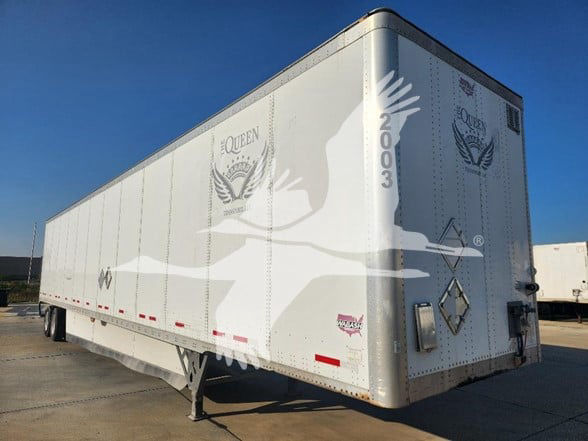
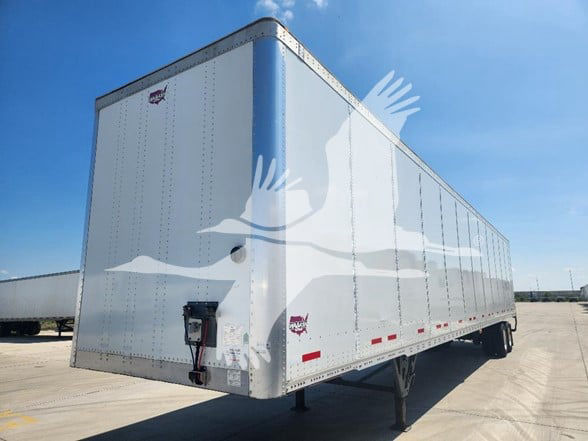

Looking for the easiest place to sell your 2018 wabash trailer? List it here to reach thousands of buyers.
2018 Wabash Trailers
Construction details matter on a used Wabash trailer. Many units in this class use an aluminum roof with a steel-and-aluminum body structure, plus wood or wood-composite flooring over steel or mixed crossmember layouts. That combination balances tare weight, durability, and repair cost. Roll-up rear doors are common, especially in P&D and LTL service, while swing doors may be preferred in dock-heavy operations where maximum opening and easier service access matter. Buyers should also check inside width and inside height, especially if the freight includes standard 48-inch pallets loaded side-by-side, high-cube retail freight, or route freight that depends on every inch of cubic capacity. A 102-inch wide van with approximately 7-foot-8 to 7-foot-9 interior width is standard, and outside height around 13-foot-4 to 13-foot-6 is common depending on specification.
Suspension and axle configuration should match the lane and loading pattern. Sliding tandem axles are standard on many 53-foot dry vans because they help with bridge law compliance, dock positioning, and weight distribution. Fixed single-axle 28-foot trailers are common in doubles operations and can be a strong fit for terminal networks, parcel work, and regional freight. Spring ride is still seen on many vans and remains a straightforward, durable setup, though ride quality and cargo sensitivity should be considered if the trailer will haul fragile packaged goods. Air brake condition, tire size, wheel type, brake life, and the state of wear items like bushings, seals, and suspension components deserve close attention, especially on trailers cycling through high-stop urban routes.
A 2018 model year Wabash trailer can be a solid middle-ground option for buyers who want newer trailer features without paying current new-trailer pricing. Key inspection points include roof condition, front wall integrity, floor wear at forklift travel lanes, rear frame and threshold damage, scuff liner condition, ICC bumper repairs, and signs of previous sidewall or crossmember work. If the trailer has side skirts or other aerodynamic equipment, inspect mounting points and damage history because fuel-saving devices only add value when they are intact and serviceable. For fleet buyers, standardization across brakes, hubs, tire sizes, and door hardware can simplify maintenance. For any buyer comparing listings, the real value comes from how the trailer was used, how straight the structure remains, and how well its specs fit the freight.
Frequently Asked Questions about 2018 Wabash Trailers
What are the most common configurations for a 2018 Wabash trailer?
The most common configurations are 53-foot tandem axle dry vans with sliding tandems and 28-foot single axle pups used in doubles service. A 53-foot van is the standard choice for general freight, retail, and long-haul or regional truckload work because it offers full cubic capacity and flexible axle positioning. A 28-foot Wabash pup is more common in LTL, terminal, and linehaul applications where maneuverability and doubles capability matter more than maximum length.
What should I inspect first on a used 2018 Wabash dry van trailer?
Start with the floor, roof, rear frame, front wall, and suspension. Floor damage from forklift traffic can be expensive and can limit the trailer's useful life faster than cosmetic body wear. Roof leaks, cracked rails, rear threshold damage, bent crossmembers, and poor door alignment can all indicate hard use or prior impact. After the structure, check brakes, tires, hubs, air system components, and the axle slide if equipped. On any dry van, structural condition matters more than paint or decals.
Is a sliding tandem better than a fixed axle on a Wabash trailer?
A sliding tandem is generally better for a 53-foot dry van because it gives more flexibility for bridge compliance, weight distribution, and dock approach. It is the standard setup for over-the-road and most regional freight. A fixed axle is simpler and common on 28-foot pups, where the application is different and the trailer may be part of a doubles set. The right choice depends on trailer length, legal requirements, and the type of freight being loaded.
What freight is a 2018 Wabash dry van best suited for?
A 2018 Wabash dry van is best suited for palletized general freight, consumer goods, paper products, packaged food, automotive parts, and retail distribution freight that needs weather protection and secure enclosed transport. It is a versatile trailer class used across truckload, LTL, dedicated routes, and warehouse-to-store distribution. The specific fit depends on the trailer's inside height, floor condition, door type, and whether the operation values cubic capacity, route durability, or loading speed.
Are Wabash trailers expensive to maintain compared with other dry van brands?
Maintenance cost is usually competitive because Wabash trailers are common and parts availability is generally strong. Costs depend more on condition and prior use than on badge alone. A straight trailer with solid floors, healthy suspension, and standard brake and wheel-end components is usually easier to keep in service than a cheaper trailer with hidden structural repairs. Buyers managing multiple trailers often value Wabash because common components and service familiarity can reduce downtime and simplify fleet maintenance.