
Used Vanguard Trailers For Sale in New York
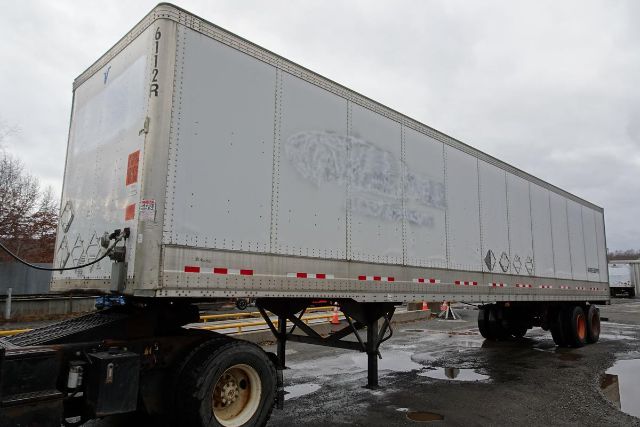
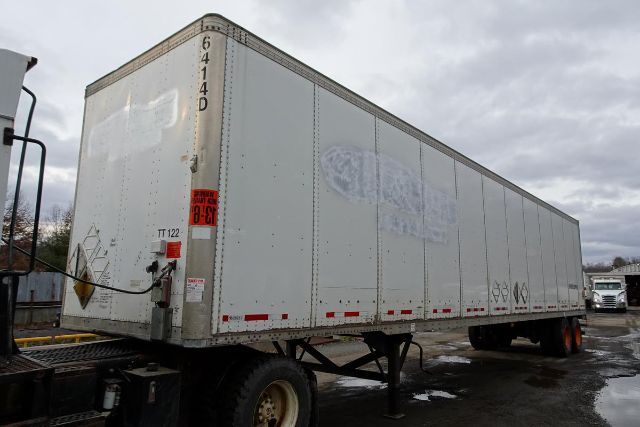
Shop used Vanguard trailers in New York, including dry van models with air ride, sliding tandems, roll-up doors, E-track, and tire systems.
Learn more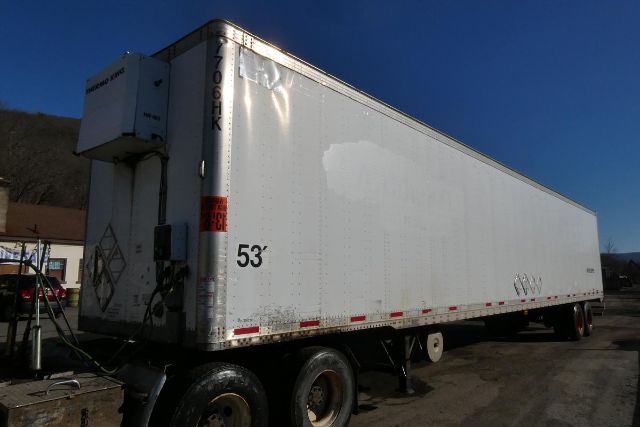
Showing 13 to 15 of 15 results
Have used vanguard trailer to sell? List it here to reach thousands of buyers.
About Used Vanguard Trailers in New York
The spec decisions that matter most on a used Vanguard van trailer are suspension, tandem setup, door type, and interior freight-control equipment. Air ride suspension is common and preferred for protecting mixed freight and improving ride quality. Sliding or slideable closed tandems are important if you run states, customers, or facilities with bridge-law and dock-positioning requirements. Roll-up rear doors are popular for city and route work because they reduce swing-door clearance issues at tight docks, while features like plywood lining, scuff liners or scuff plates, threshold plates, translucent roofs, and E-track make a difference in day-to-day durability and cargo securement. Tire inflation systems are also a valuable spec on used vans because they can help reduce irregular tire wear and roadside downtime.
Condition on a used Vanguard trailer should be judged beyond year and appearance. Buyers should inspect floor integrity closely, especially on wood-over-steel floors that have seen concentrated forklift traffic. Check the rear frame, crossmembers, landing gear mounts, upper coupler area, and slider box for repairs, corrosion, or impact damage. Door surround condition, roof bows, side panels, and any signs of delamination or interior wall damage also affect long-term serviceability. In New York, road salt and winter operation make undercarriage condition, brake components, wheel ends, and air system health especially important. If the trailer has a liftgate, verify platform condition, capacity, hydraulic performance, and parts support.
For fleet buyers and owner-operators, a used Vanguard trailer often makes sense when the goal is a straightforward dry van that can go to work in regional or over-the-road service without exotic maintenance requirements. The best fit depends on freight profile and lane density. A 53-foot air ride van with E-track and a sliding tandem suits general truckload and contract freight, while a 48-foot trailer or a unit with a liftgate can be a better match for urban delivery and multi-stop operations. Pay attention to tare weight, door opening dimensions, interior height, and axle position because those details affect payload, loading speed, and where the trailer can legally and efficiently operate.
Frequently Asked Questions
What are the most common used Vanguard trailer configurations?
The most common used Vanguard trailers on the market are dry van trailers, especially 48-foot and 53-foot models. Many are aluminum vans with steel subcomponents, air ride suspension, sliding tandems, roll-up rear doors, wood floors, and 102-inch overall width. Buyers also frequently see interior specs such as plywood lining, scuff protection, E-track, translucent roofs, and tire inflation systems.
Is a Vanguard dry van trailer a good choice for general freight?
A Vanguard dry van is generally a strong fit for general freight because the design focuses on practical payload capacity, standard dock compatibility, and durable day-to-day operation. These trailers are commonly used for palletized freight, retail freight, packaged goods, and mixed route freight. The right trailer still depends on floor condition, suspension type, door configuration, and how heavily the unit was used in prior service.
What should I inspect first on a used Vanguard trailer?
Start with the floor, rear frame, roof, sidewalls, tandem slider, brakes, and upper coupler area. Floor wear from forklifts, cracking around crossmembers, rust or scaling underneath, and damage near the kingpin plate can turn an inexpensive trailer into a high-cost repair unit. Buyers should also inspect door operation, air leaks, tire condition, wheel ends, and any cargo-control components such as E-track or scuff liners.
Are sliding tandems important on a used van trailer in New York?
Yes, sliding tandems are important for many New York operations because axle position affects bridge compliance, weight distribution, and maneuverability at customer locations. A sliding tandem gives the operator more flexibility to balance loads legally and adjust the trailer for different lanes or dock setups. On a used trailer, the slider rails, pins, and locking mechanism should be checked carefully for wear, corrosion, and proper engagement.
How do I choose between a 48-foot and 53-foot used Vanguard trailer?
A 53-foot trailer usually offers better cubic capacity and is the standard choice for truckload freight, higher-volume lanes, and modern warehouse networks. A 48-foot trailer can still be a smart option for regional work, older facilities, tighter urban delivery points, or operations where purchase price and maneuverability matter more than maximum cube. The decision should come down to freight dimensions, route density, dock access, and axle-weight requirements.