
Used 2010 Vanguard Trailers For Sale in New York
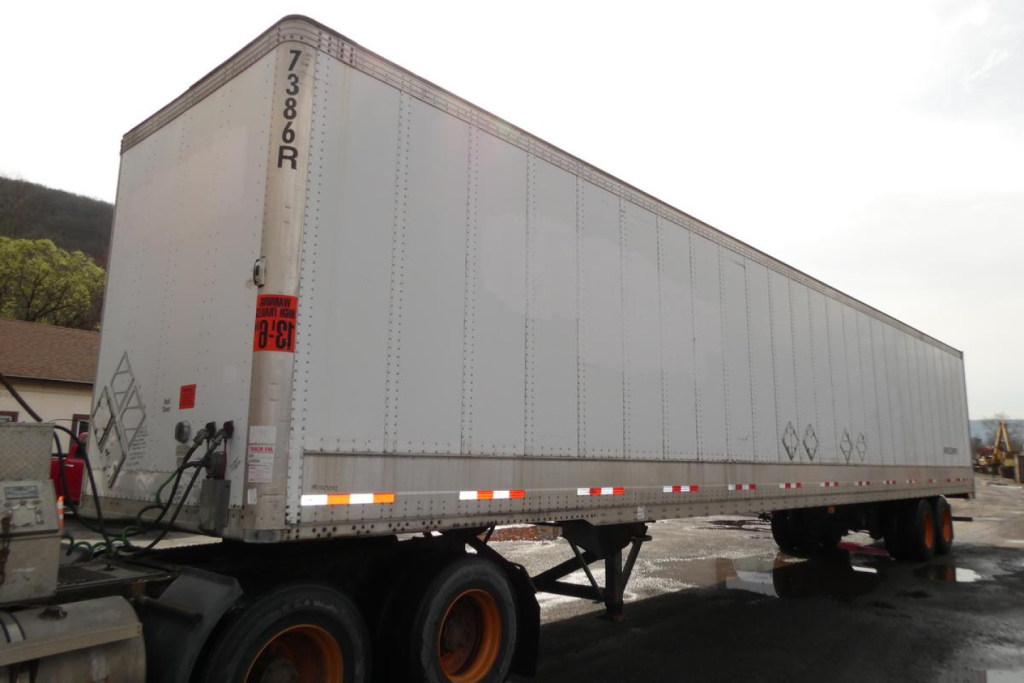
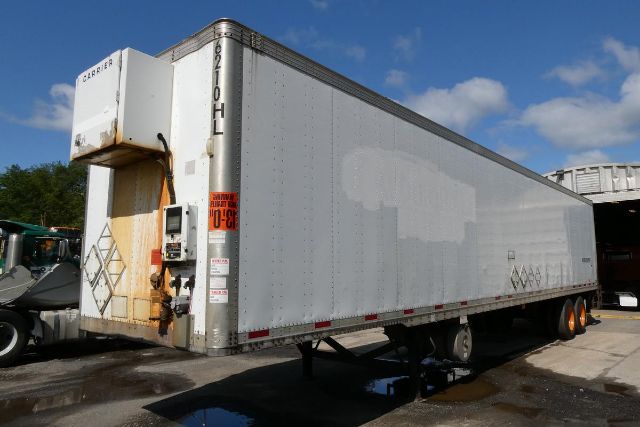
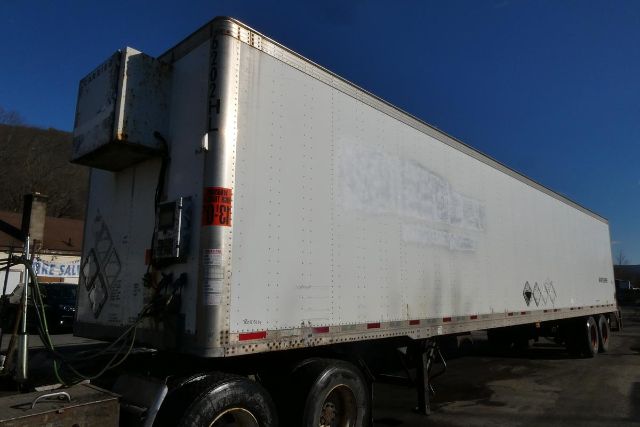
Have used 2010 vanguard trailer to sell? List it here to reach thousands of buyers.
Used 2010 Vanguard Trailers in New York
The spec decisions that matter most on a 2010 Vanguard trailer are axle setup, suspension, door configuration, and interior dimensions. Sliding tandems are important for bridge-law compliance and dock positioning, especially for regional and Northeast operations where weight distribution and tight delivery areas matter. Many of these trailers use 4-bag air ride suspension, 11R22.5 tires, and 10-bolt hub-pilot steel wheels. Roll-up rear doors are common on Vanguard dry vans and can be a practical choice for frequent dock use, though buyers should inspect door tracks, seals, and galvanized or steel surrounds for wear, corrosion, and impact damage.
Construction details also deserve a close look on any used 2010 Vanguard van. Aluminum and steel combinations help keep weight reasonable while maintaining structural strength, but condition is everything on a used trailer of this age. Check the crossmembers, floor fastening points, rear frame, upper coupler area, and slider box for fatigue or repairs. On dry vans, interior wall condition, scuff liners, roof integrity, and floor wear tell you a lot about prior use. Features like translucent roofs, tire inflation systems, and load bars can add day-to-day value by improving visibility inside the trailer, reducing tire-related downtime, and making cargo securement easier.
For New York buyers, trailer height, axle slide travel, and general maneuverability can be just as important as cubic capacity. A 13-foot-4-inch overall height is common on 53-foot dry vans, but route restrictions, customer docks, and urban delivery patterns should still be verified. A well-maintained 2010 Vanguard trailer can still be a productive freight box for linehaul, warehouse shuttles, store replenishment, or dedicated contract freight, provided the floor, brakes, suspension, and rear structure are in sound operating condition. The best buying approach is to match tare weight, interior cube, and maintenance needs to the lanes and freight profile the trailer will actually run.
Frequently Asked Questions about Used 2010 Vanguard Trailers in New York
What are the common specs on a used 2010 Vanguard dry van trailer?
A used 2010 Vanguard dry van is commonly configured as a 53-foot trailer with 102-inch width, approximately 13-foot-4-inch overall height, a 68,000-lb GVWR, and a sliding tandem axle setup. Many are built with aluminum-steel trailer construction, wood-over-steel floors, 4-bag air ride suspension, 11R22.5 tires, and roll-up rear doors. Exact tare weight and interior dimensions vary by model and equipment, so buyers should confirm load height, load width, and any added options such as tire inflation systems or load bars.
Is a 2010 Vanguard trailer a good choice for general dry freight?
A 2010 Vanguard trailer can still be a solid choice for general dry freight if its structural condition and maintenance history are right. These trailers are commonly used for palletized freight, retail loads, warehouse transfers, and standard van applications. The key is less about the model year and more about floor condition, rear frame integrity, brake system health, suspension wear, roof condition, and the state of the slider assembly. A trailer that has been maintained well can remain productive in regional or long-haul service.
What should I inspect first on a used Vanguard trailer of this age?
Start with the high-stress and high-cost areas. Inspect the floor for rot, soft spots, patching, and forklift damage. Check the rear frame, door opening, and hinges or roll-up hardware for impact wear. Look closely at the slider rails, suspension components, brake chambers, bushings, crossmembers, and upper coupler plate. On aluminum-steel trailers, also check for corrosion where different materials meet, and inspect the roof and side panels for leaks, cracks, or previous repairs. Tire wear patterns can also reveal axle alignment or suspension issues.
Why does a sliding tandem matter on a dry van trailer?
A sliding tandem gives the operator flexibility to shift axle position for bridge-law compliance, kingpin-to-rear-axle requirements, and load distribution. That matters in states and metro areas where enforcement is strict, and it is especially useful when hauling mixed freight or operating in the Northeast. A properly functioning slider can also help with dock approach and turning characteristics. Buyers should confirm the slider pins engage correctly, the rail structure is not excessively worn, and the adjustment mechanism operates as intended.
Are Vanguard trailers known for any buyer-friendly features?
Many Vanguard dry vans are valued for practical fleet specifications rather than unusual complexity. Common buyer-friendly features include relatively light trailer construction, roll-up doors for dock work, translucent roofs for better interior visibility, and available tire inflation systems that help reduce roadside tire events. What matters most is how those features have held up over time. A simple, standard-spec Vanguard trailer can be easier to maintain and easier to match with existing fleet parts, tire programs, and service routines.