
Used Vanguard Trailers For Sale in Illinois
Shop used Vanguard trailers in Illinois, including dry van models with air ride, roll doors, sliding tandems, liftgates, and logistics specs.
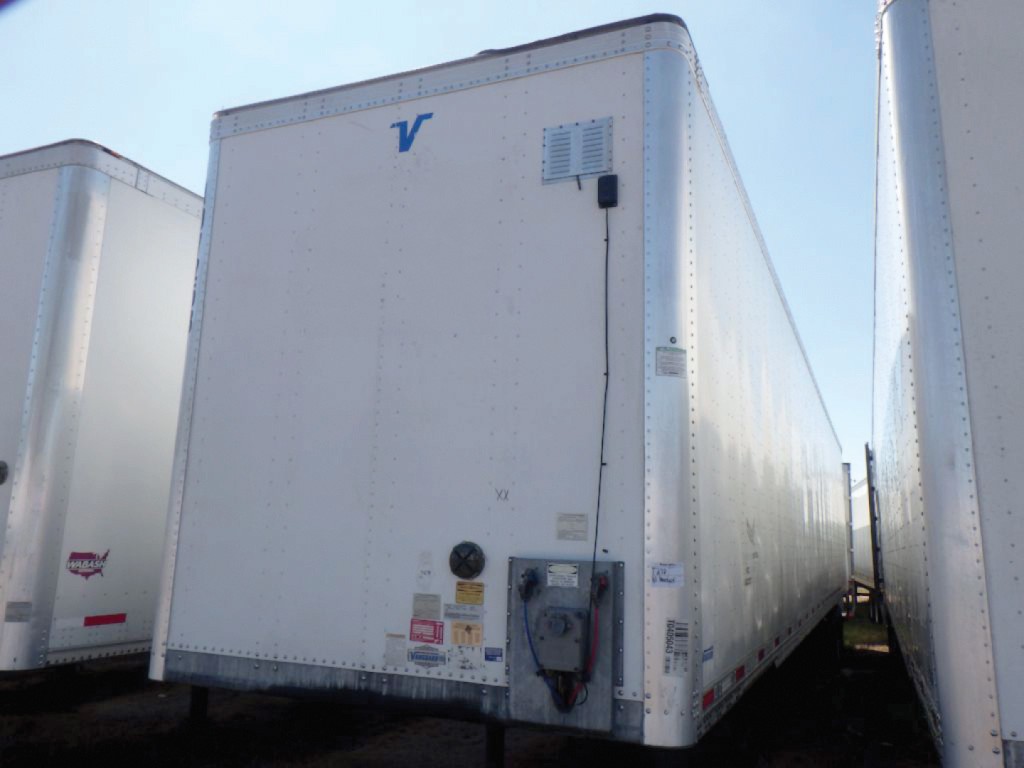
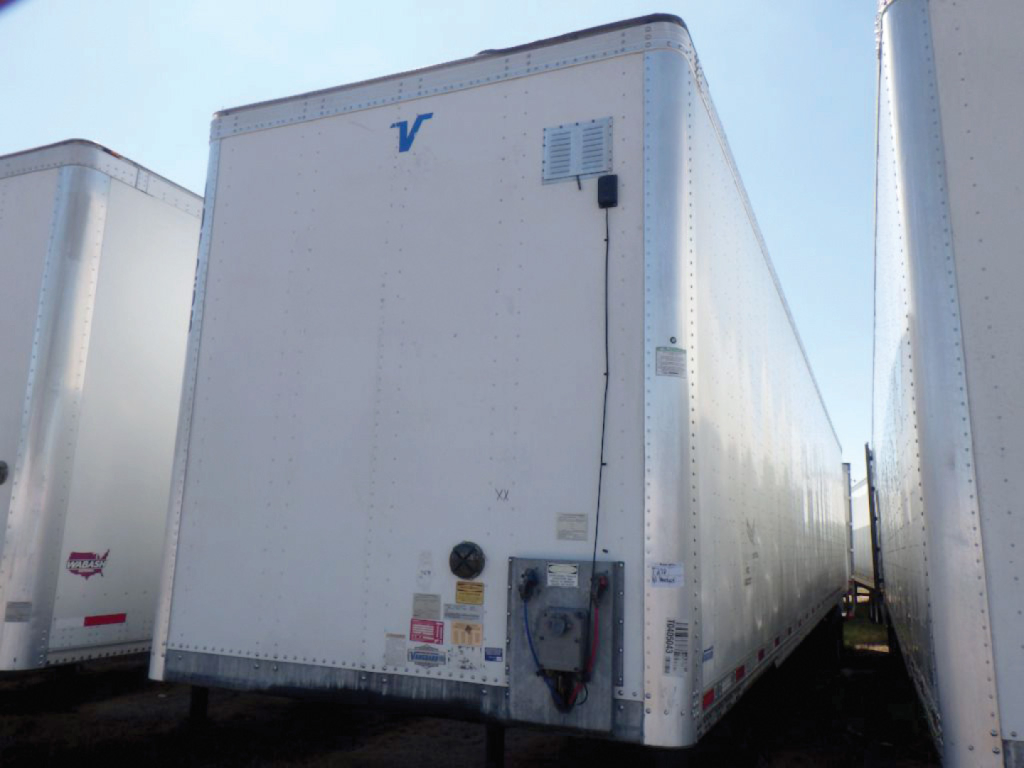
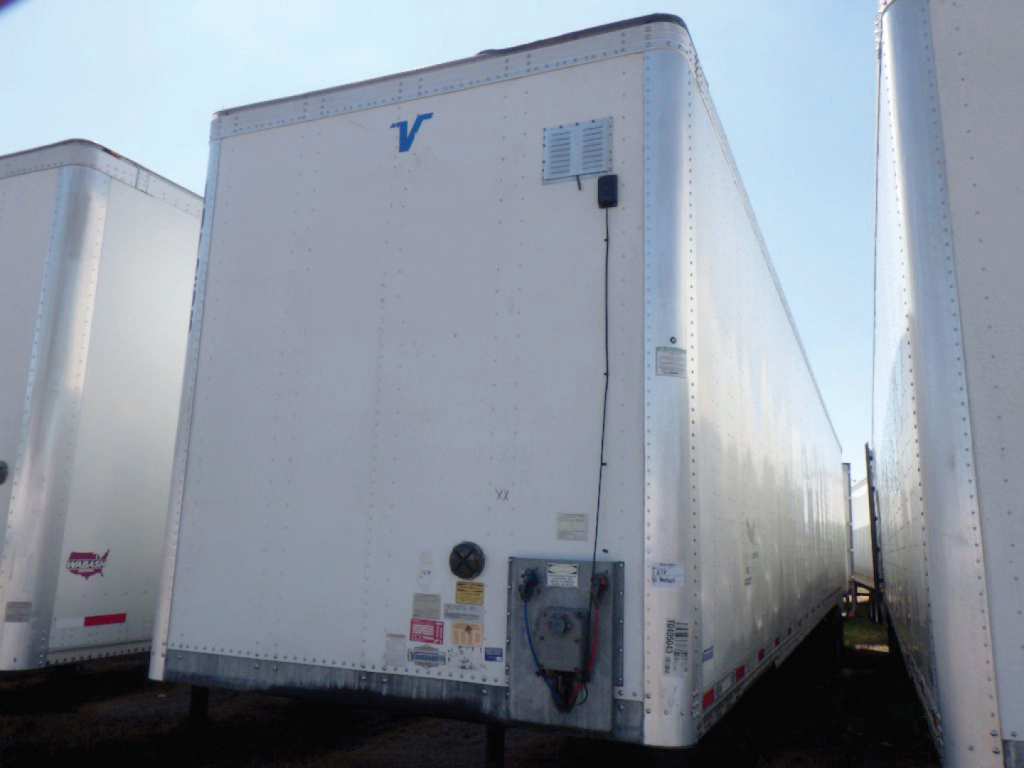
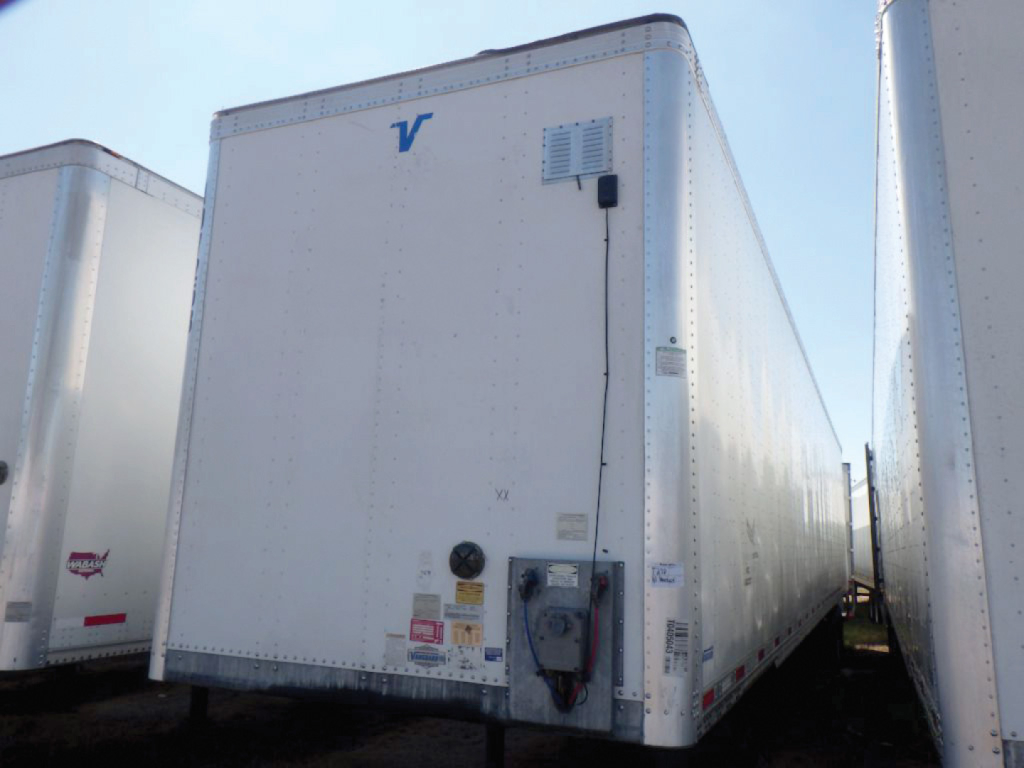
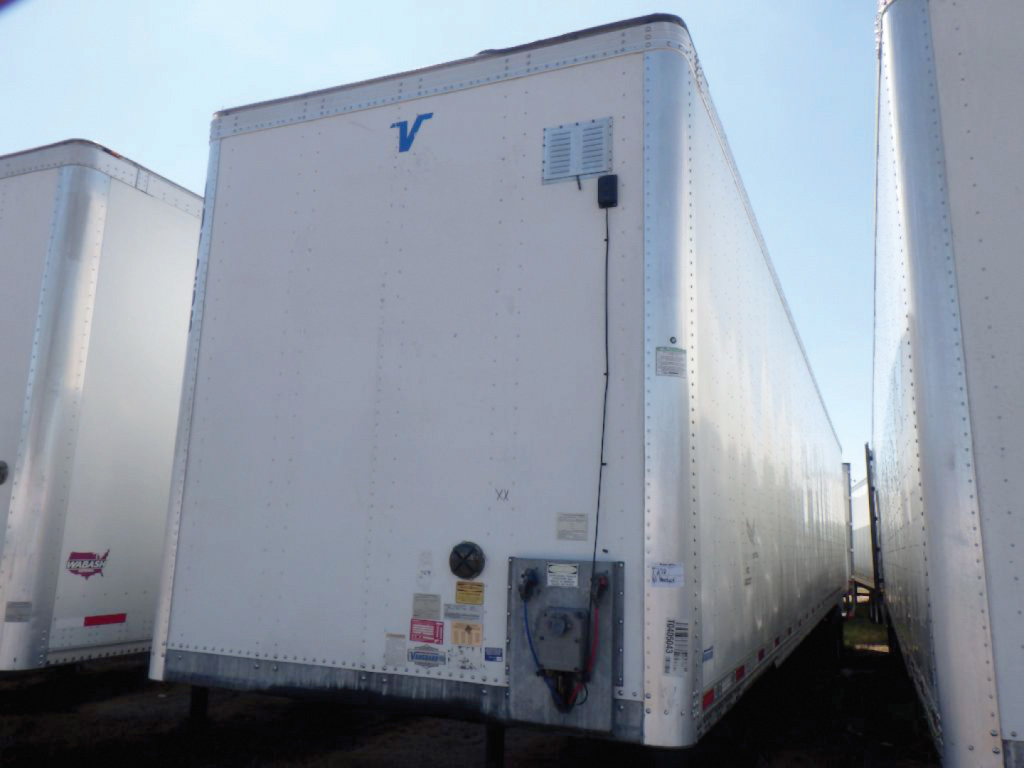
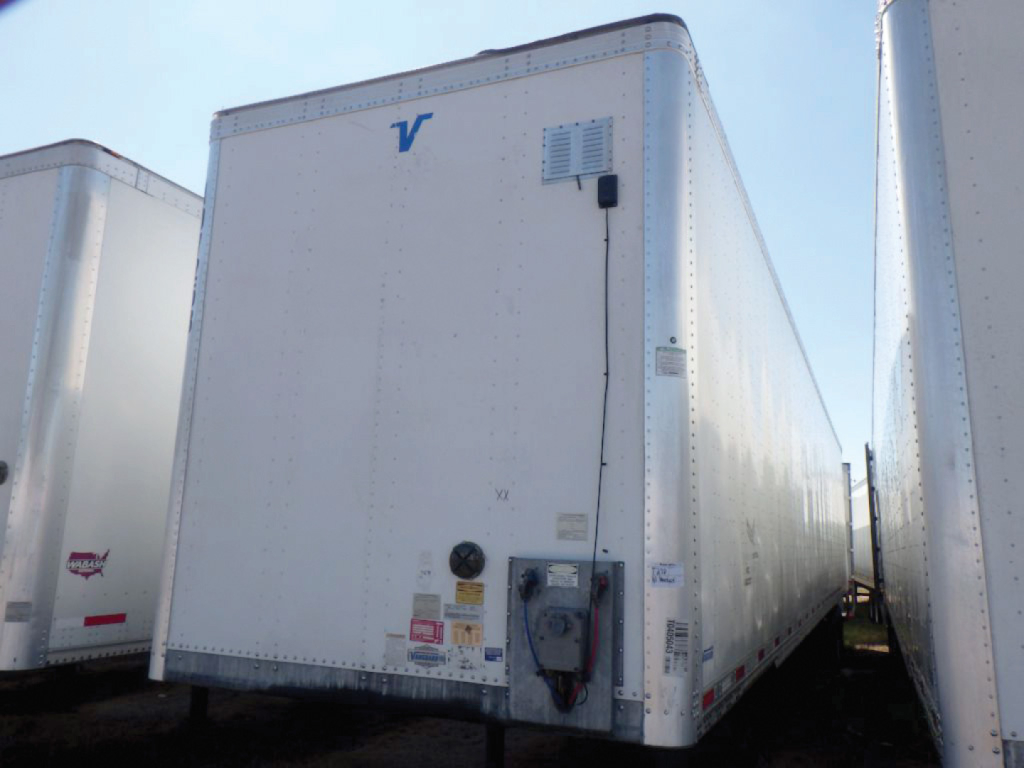
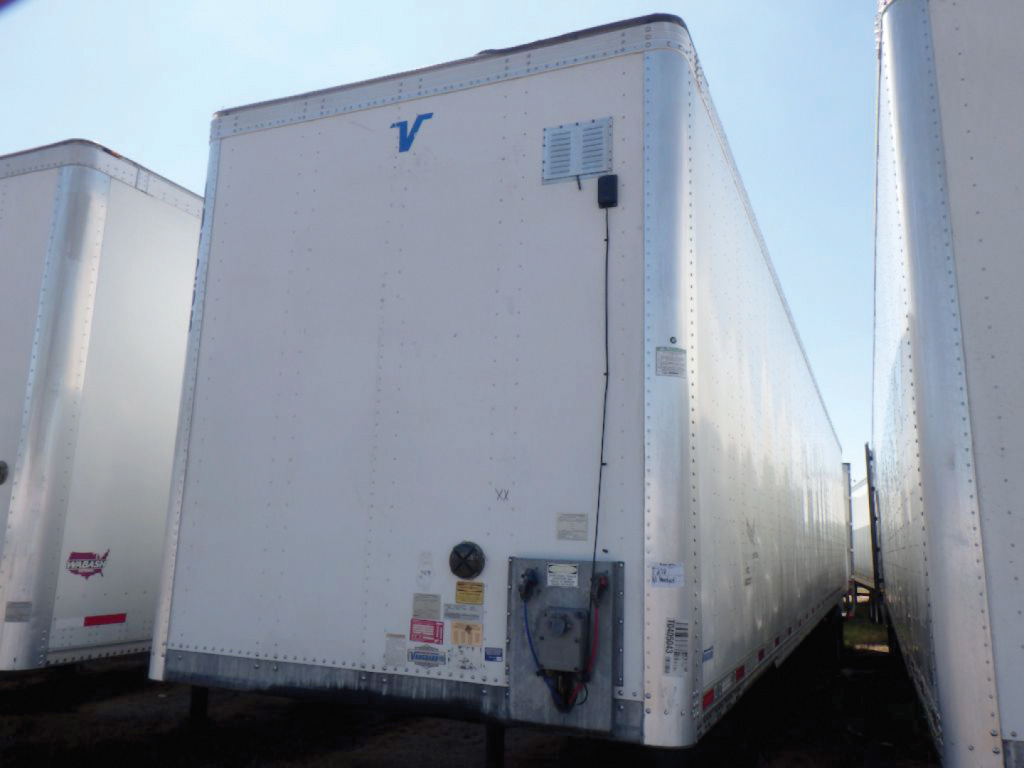
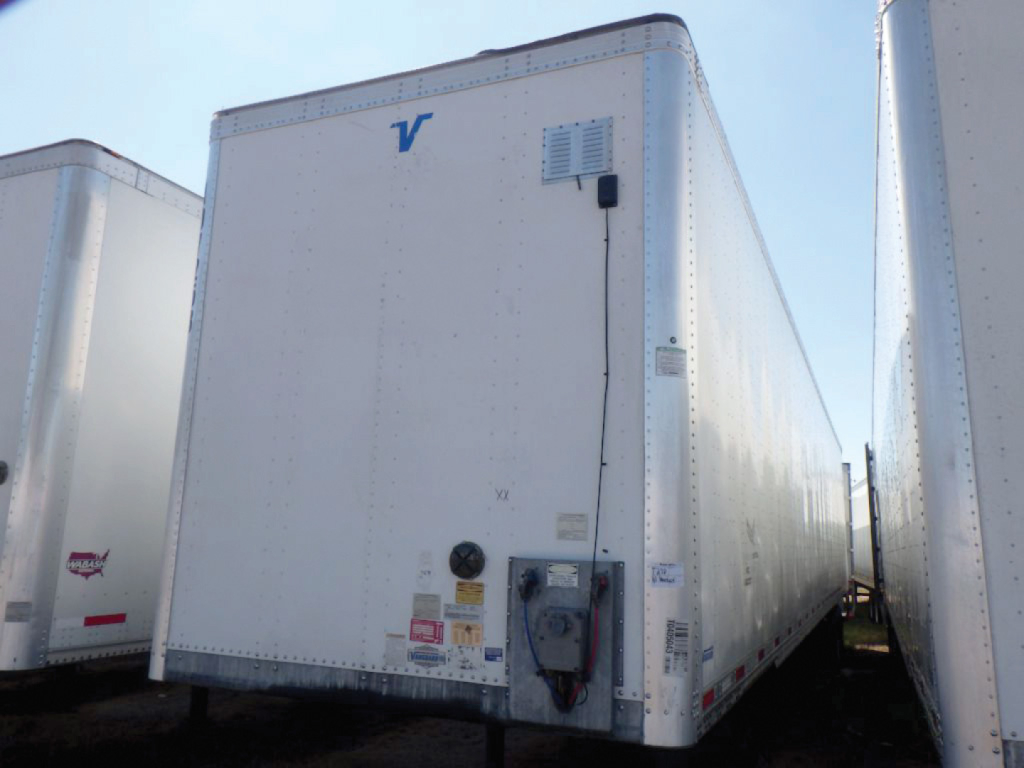
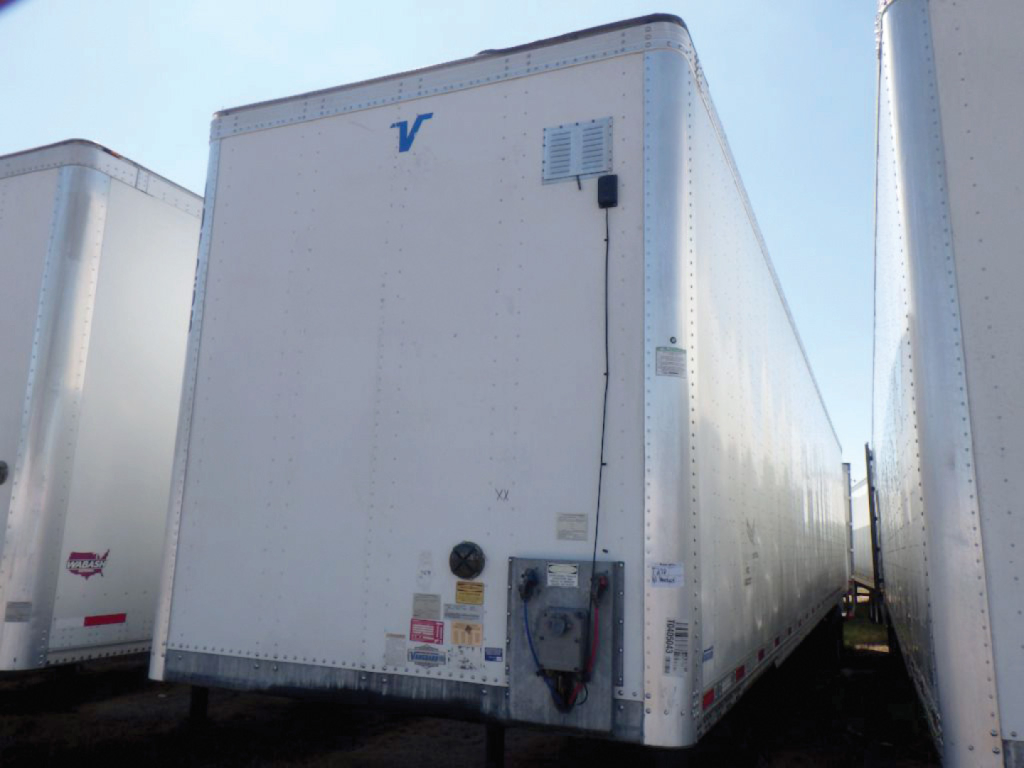
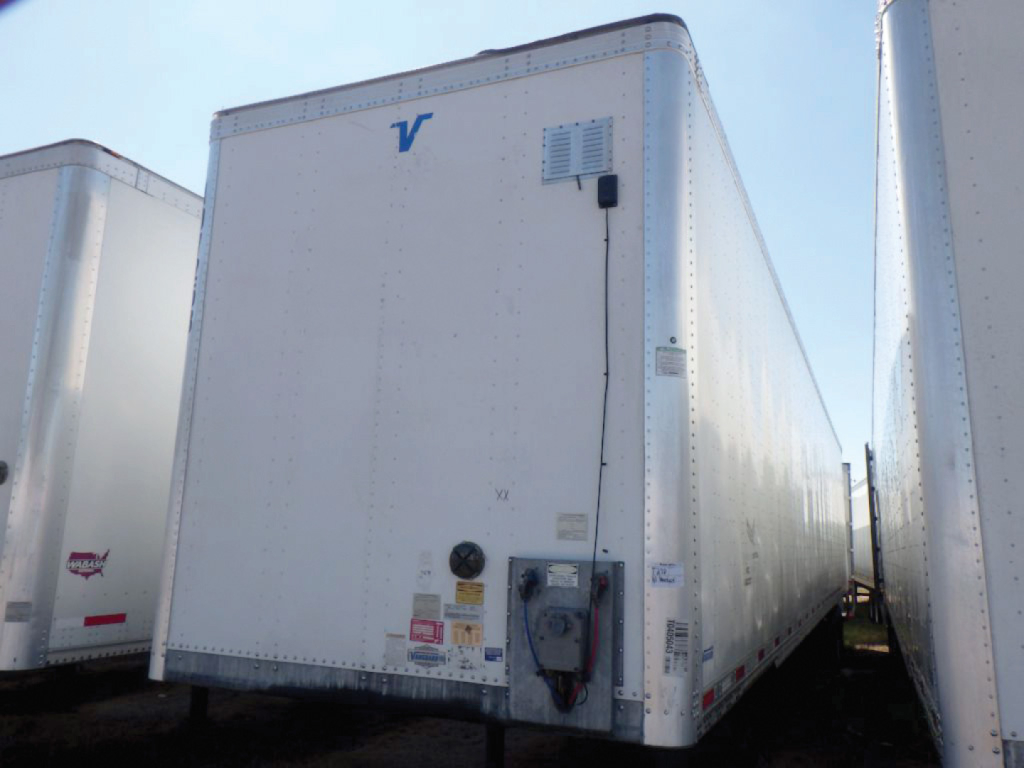
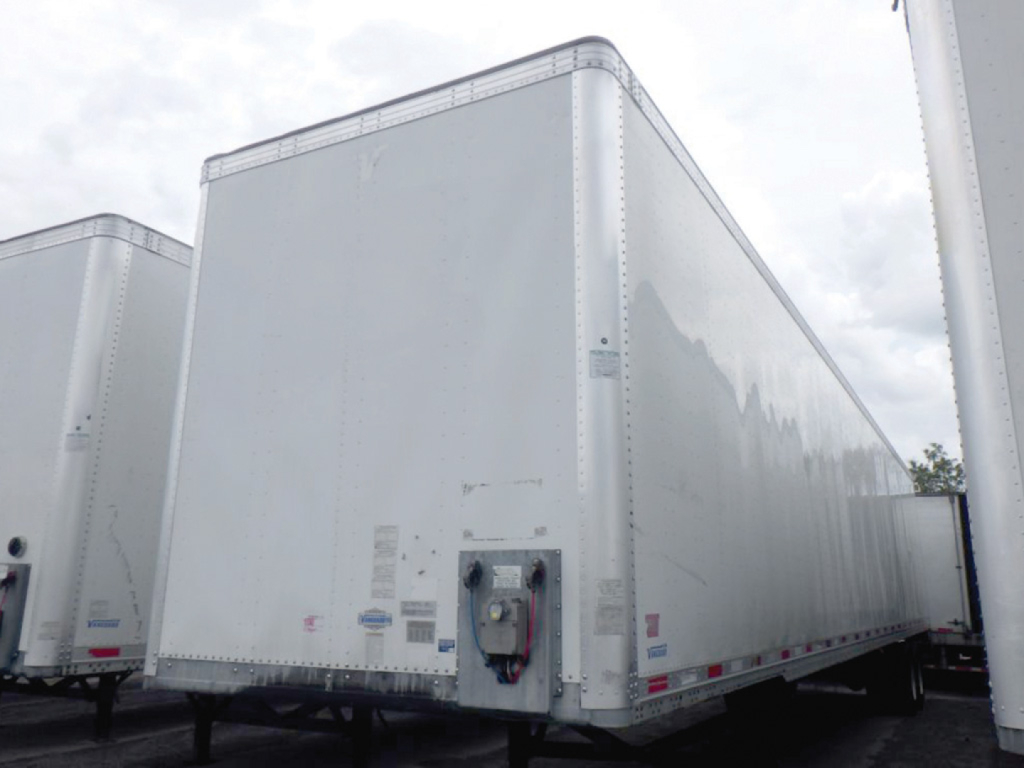
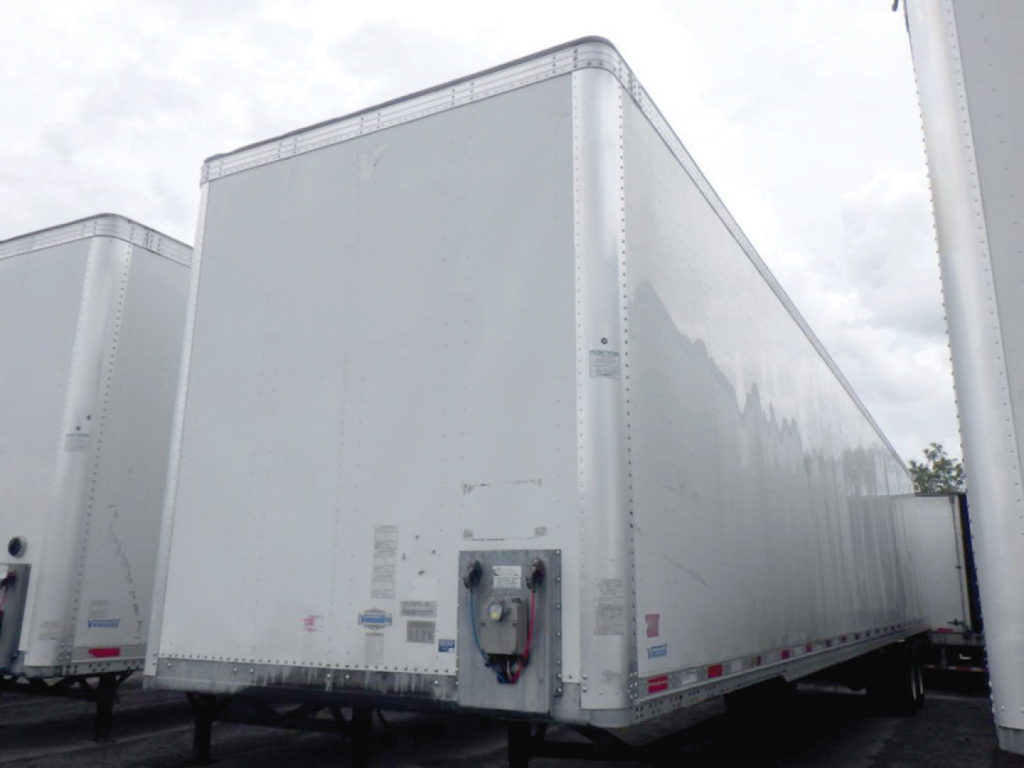
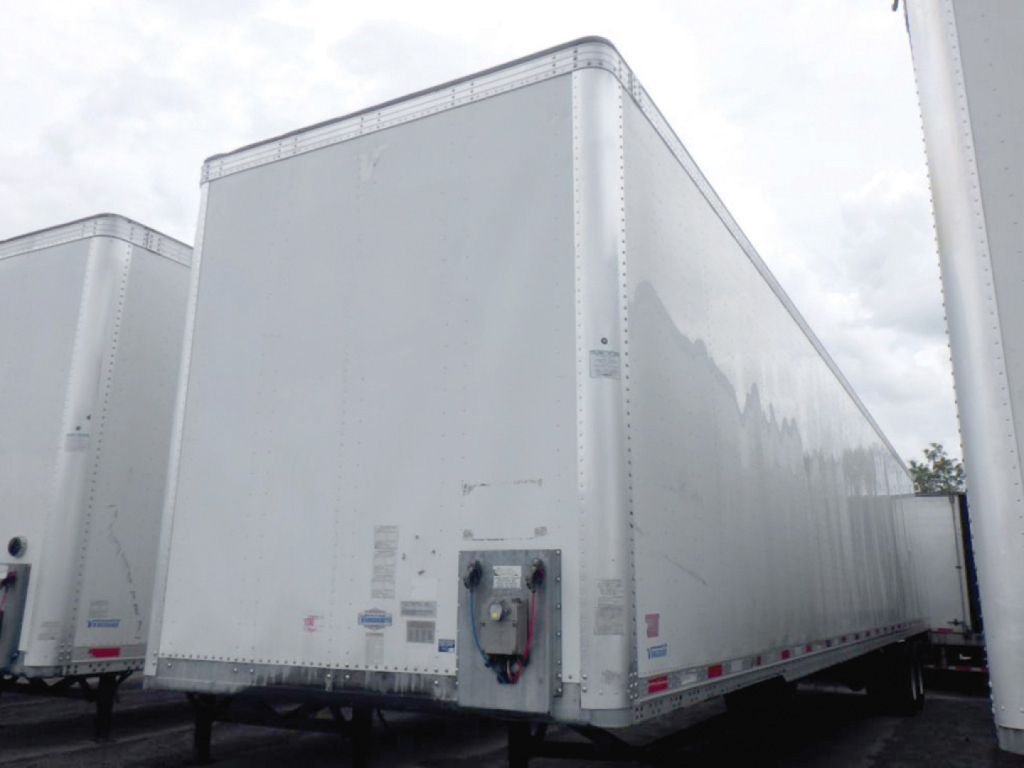
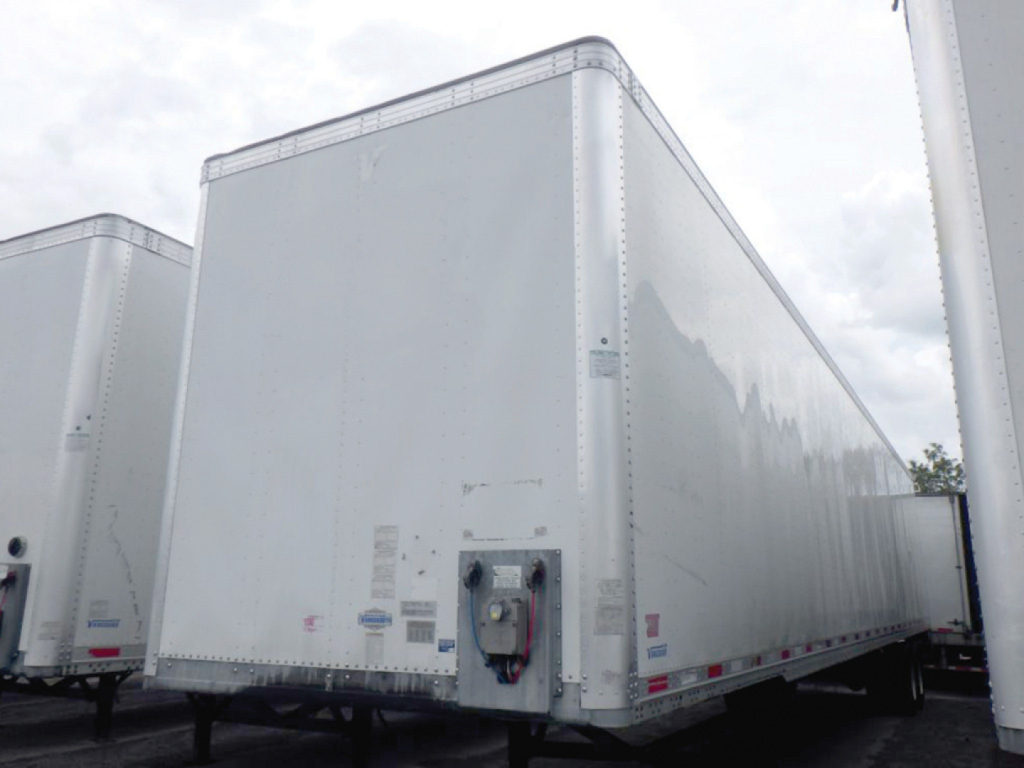
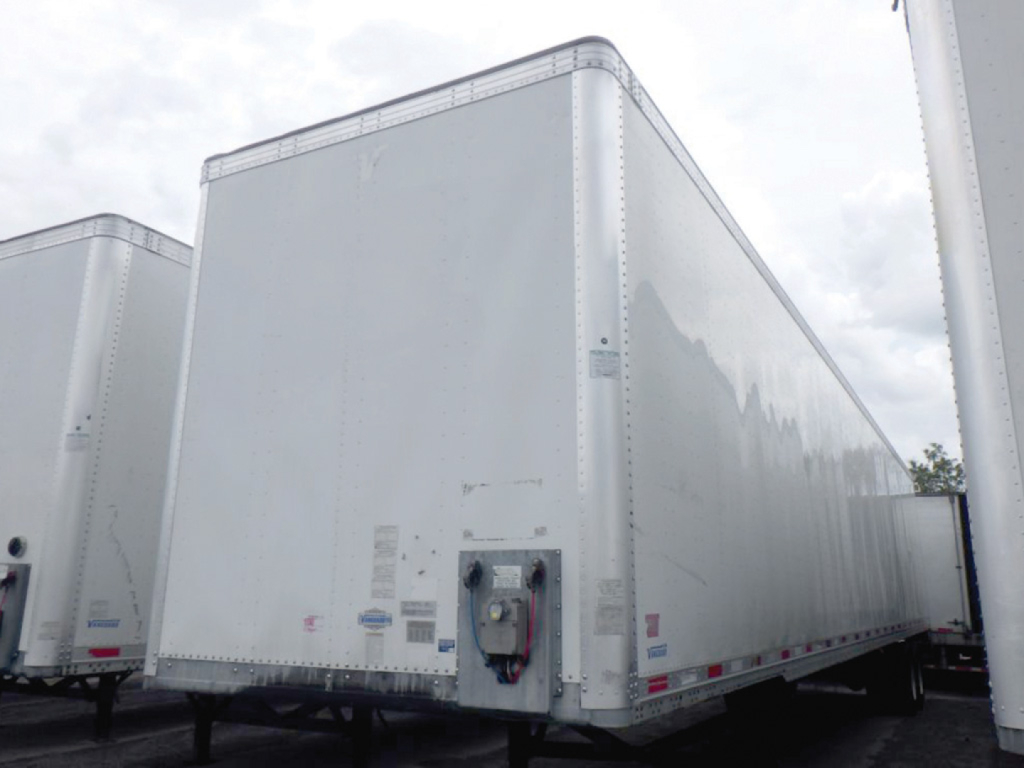
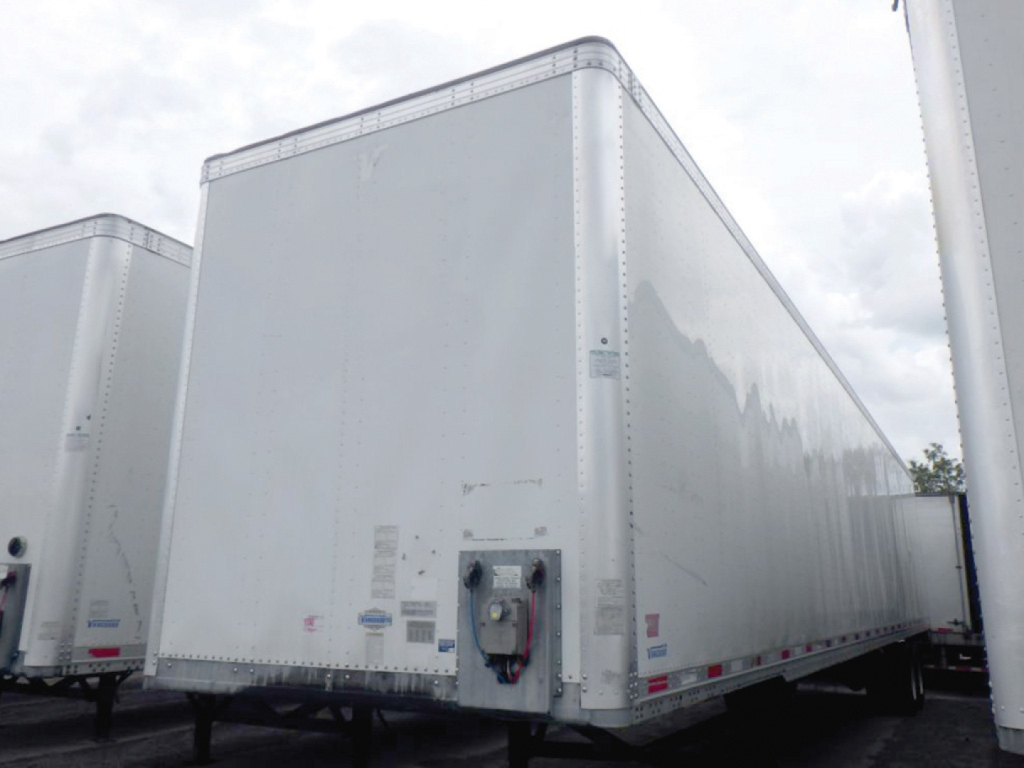
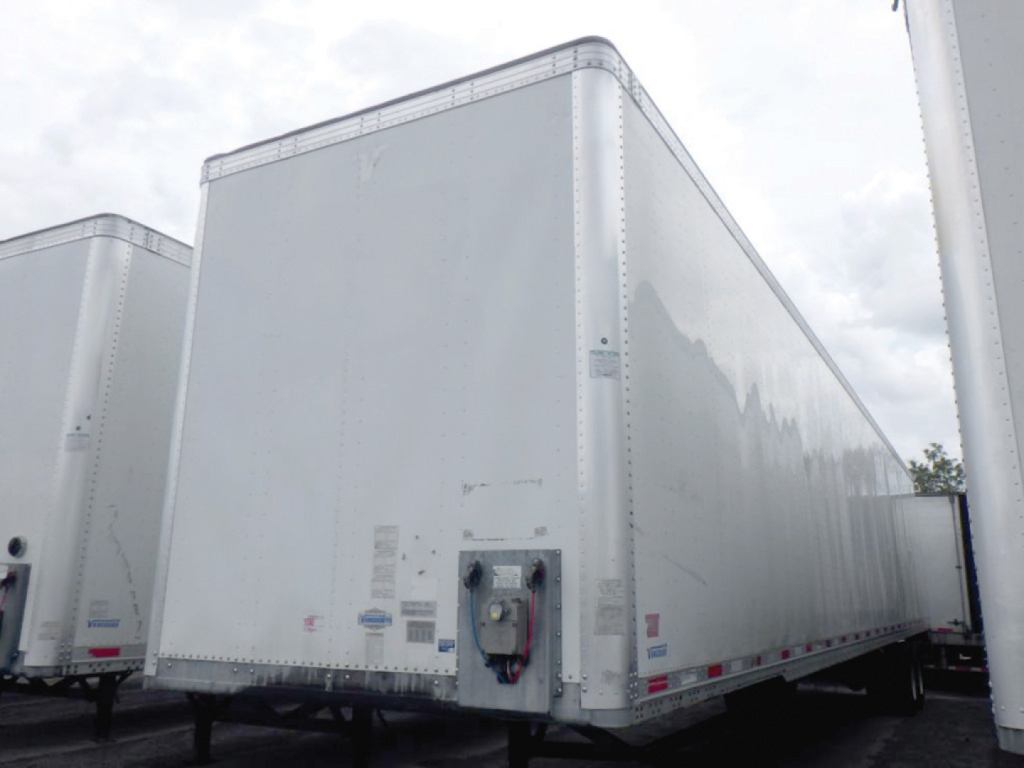
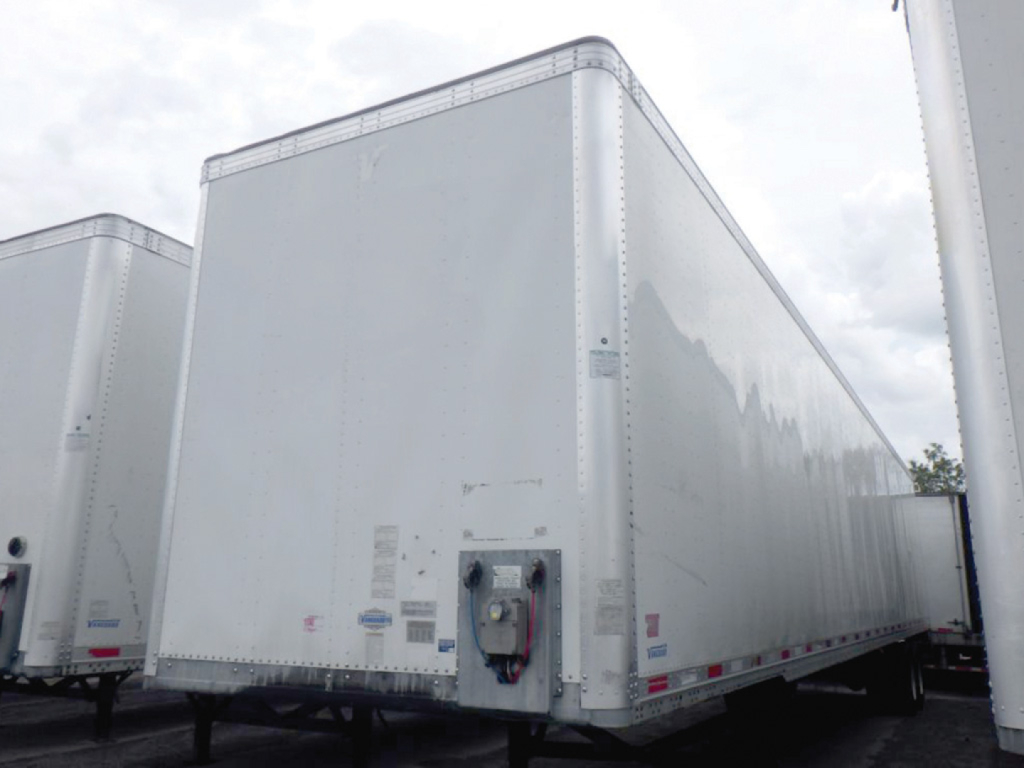
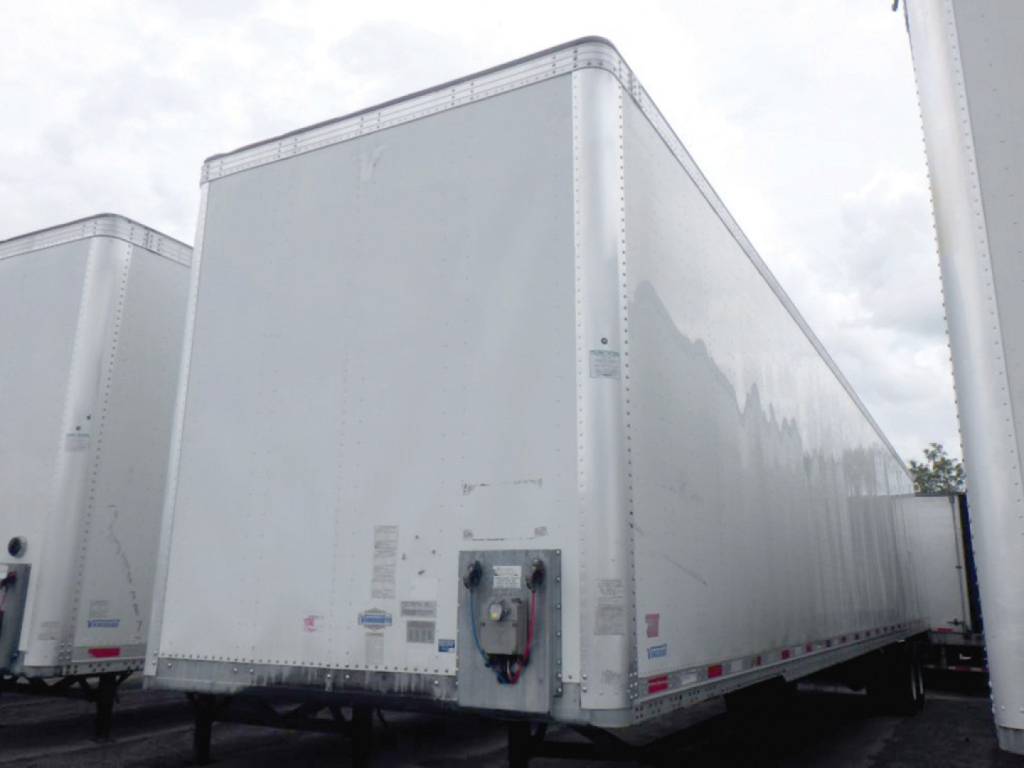
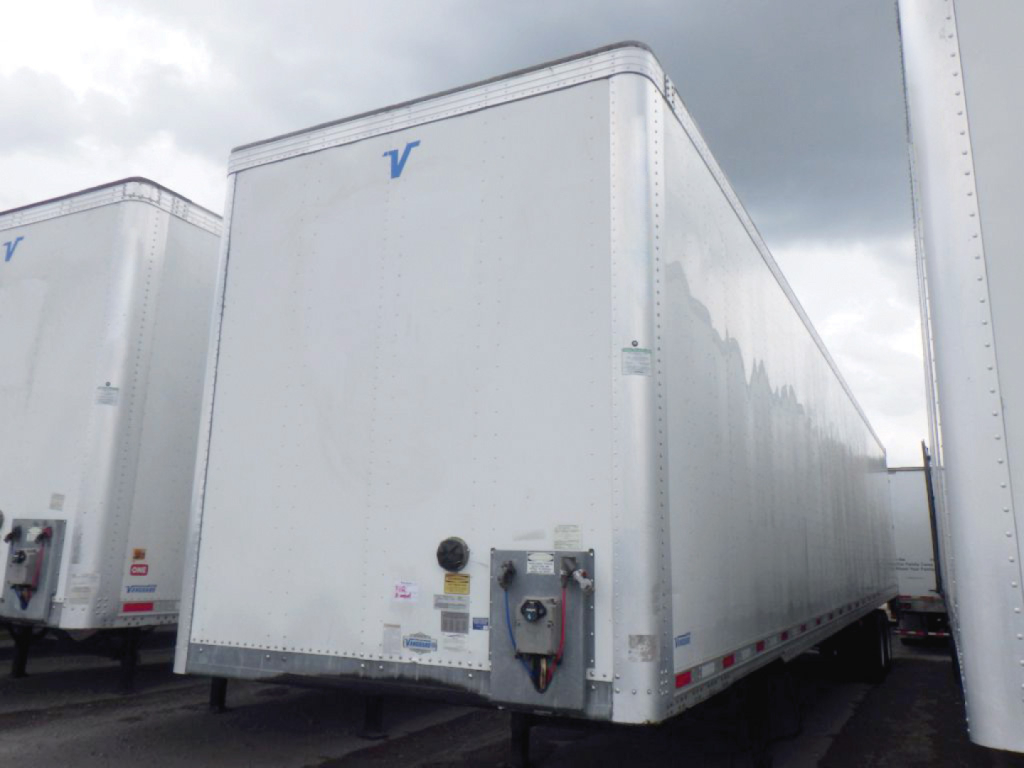
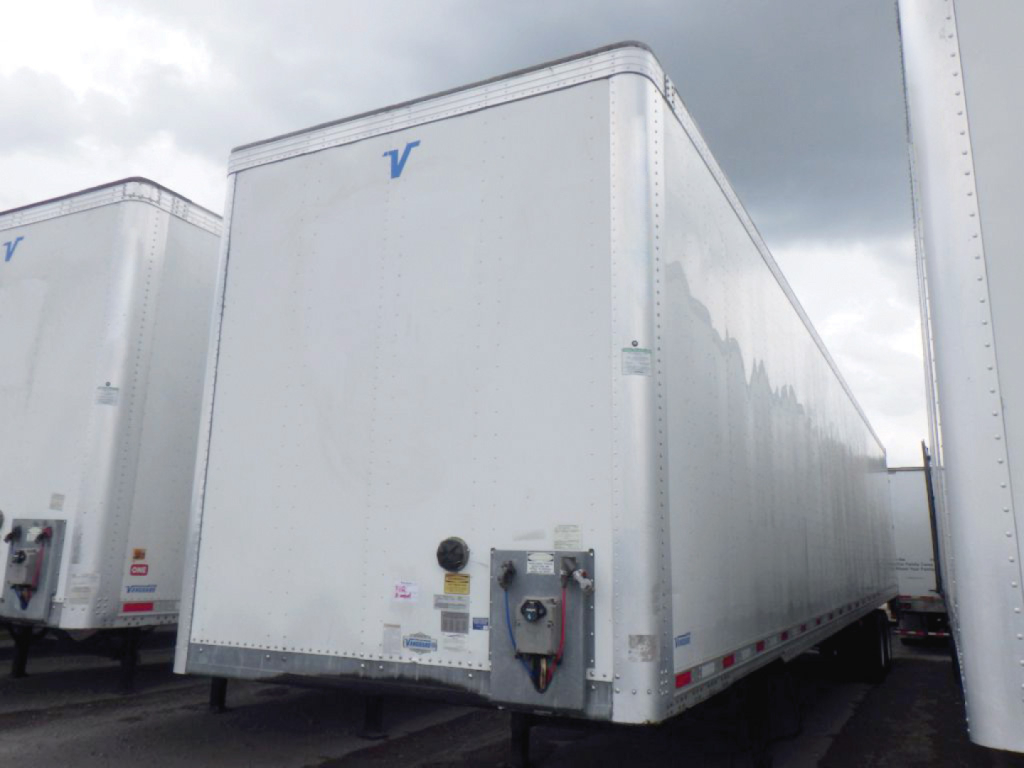
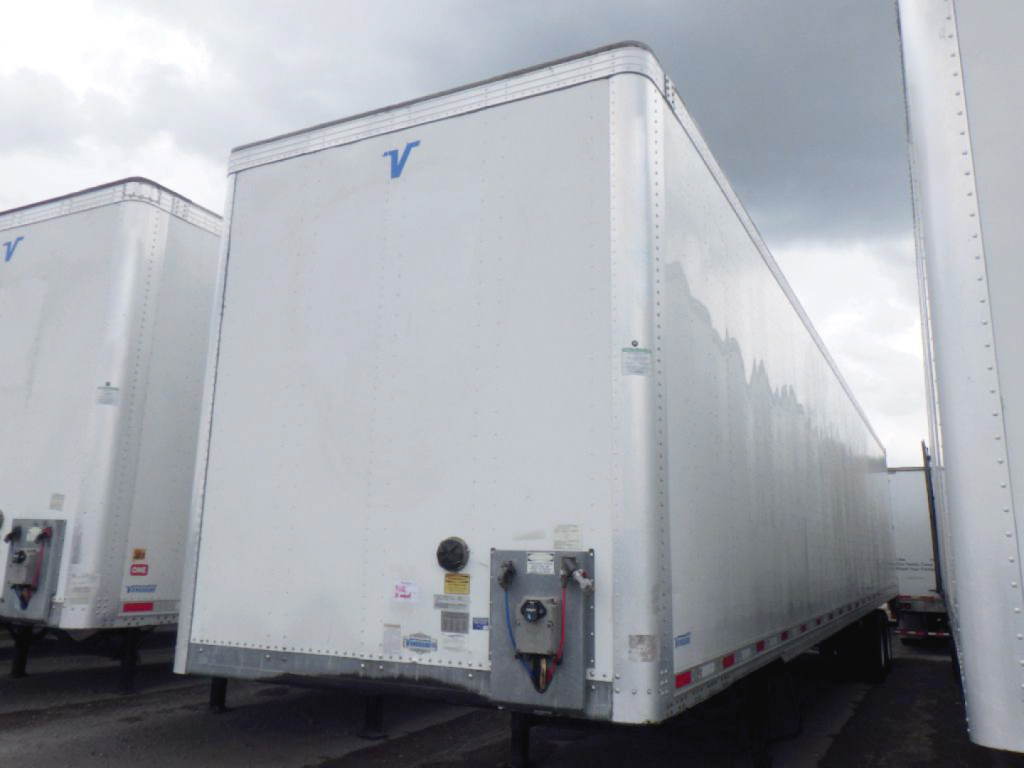
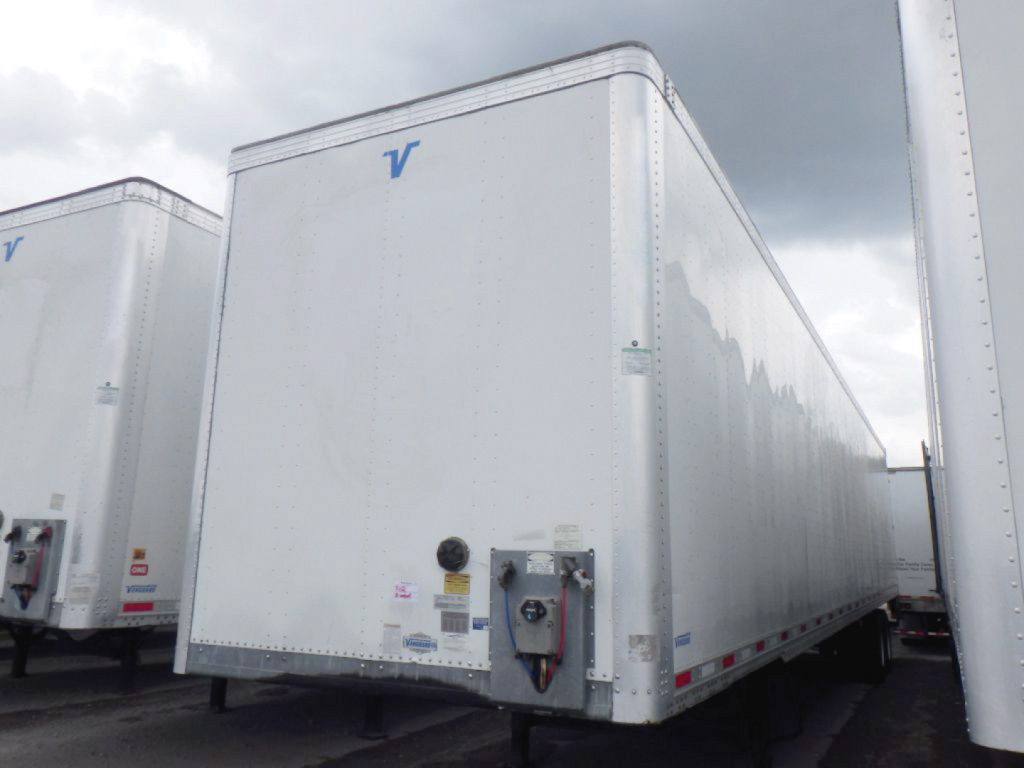
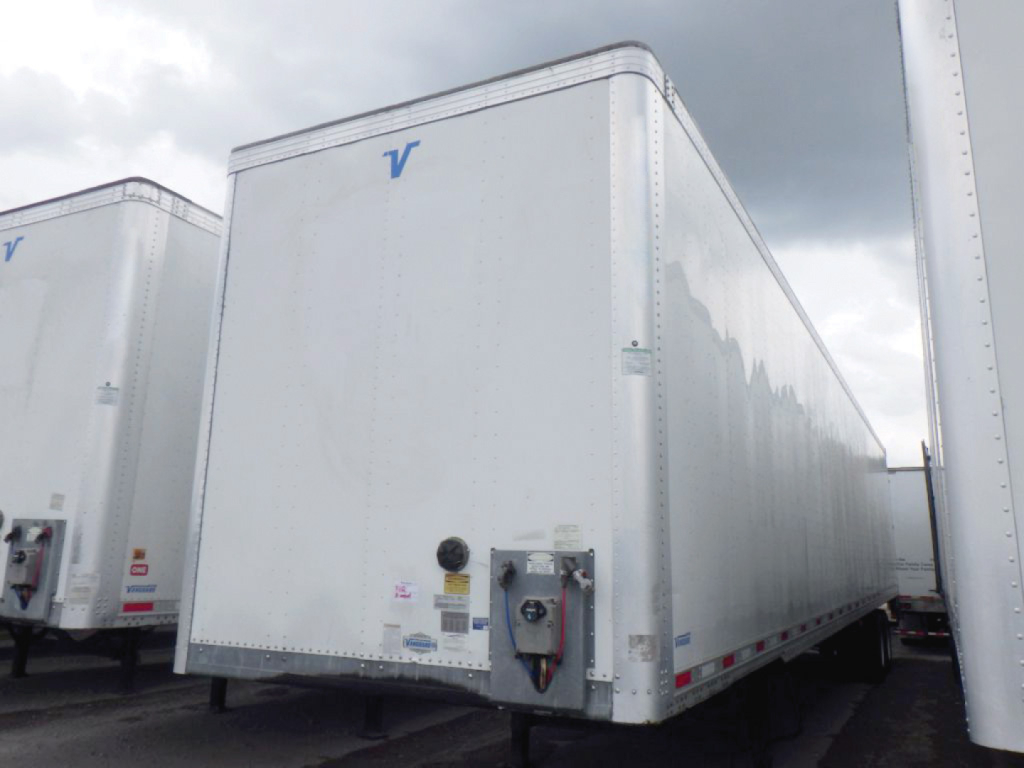
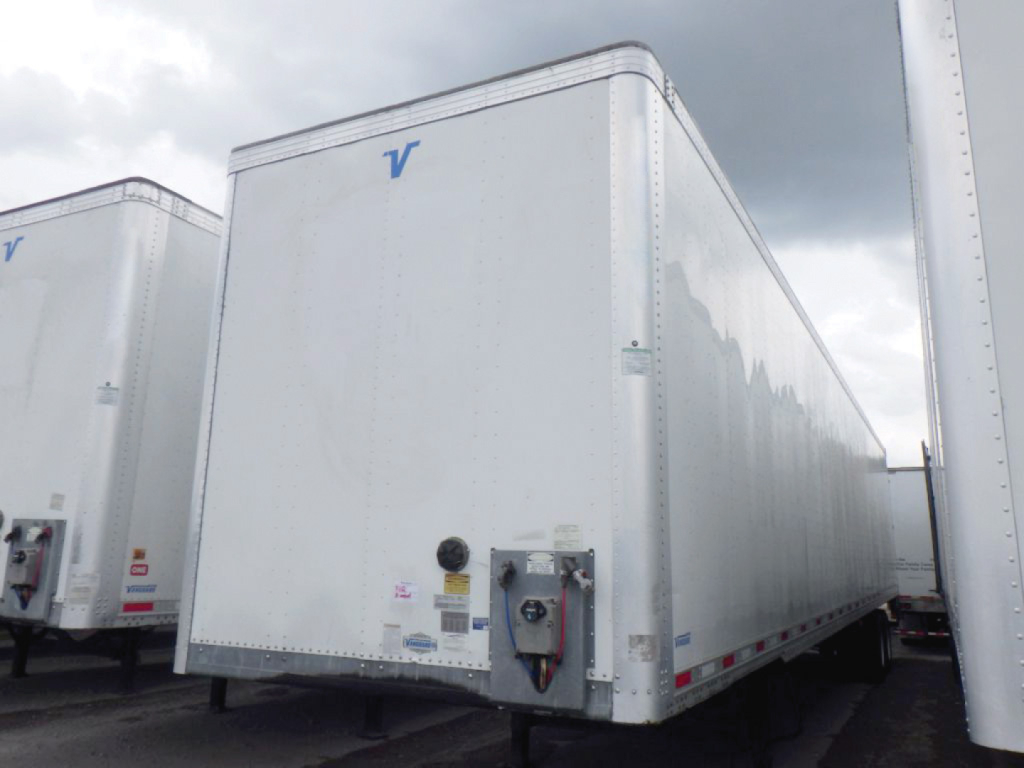
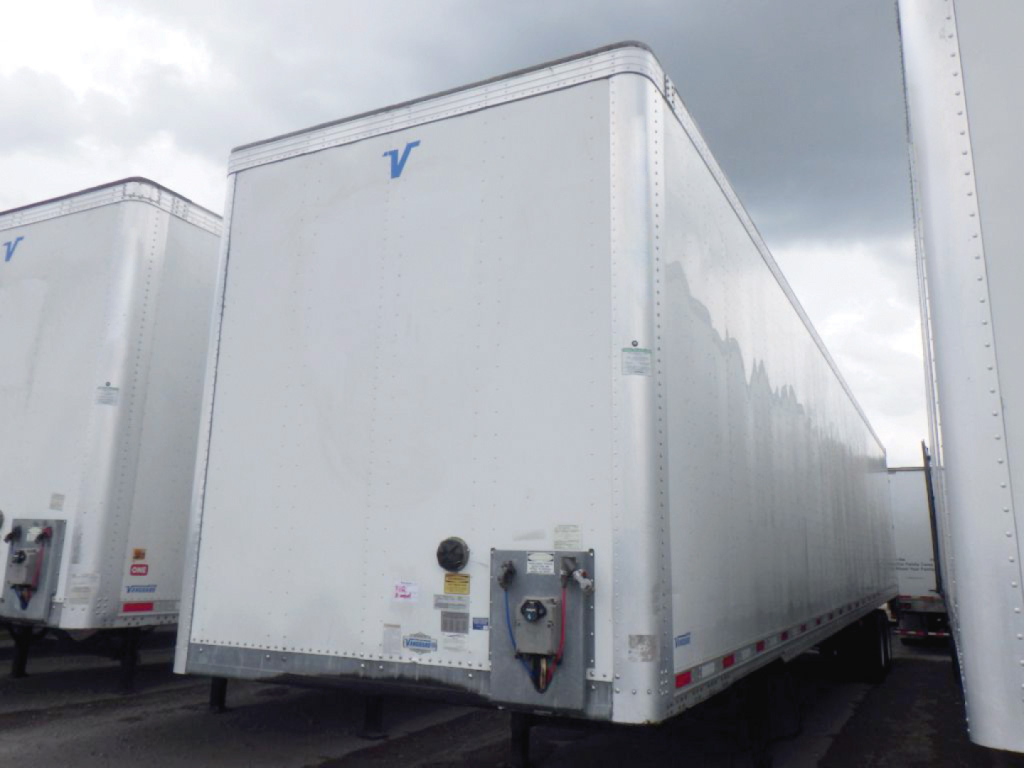
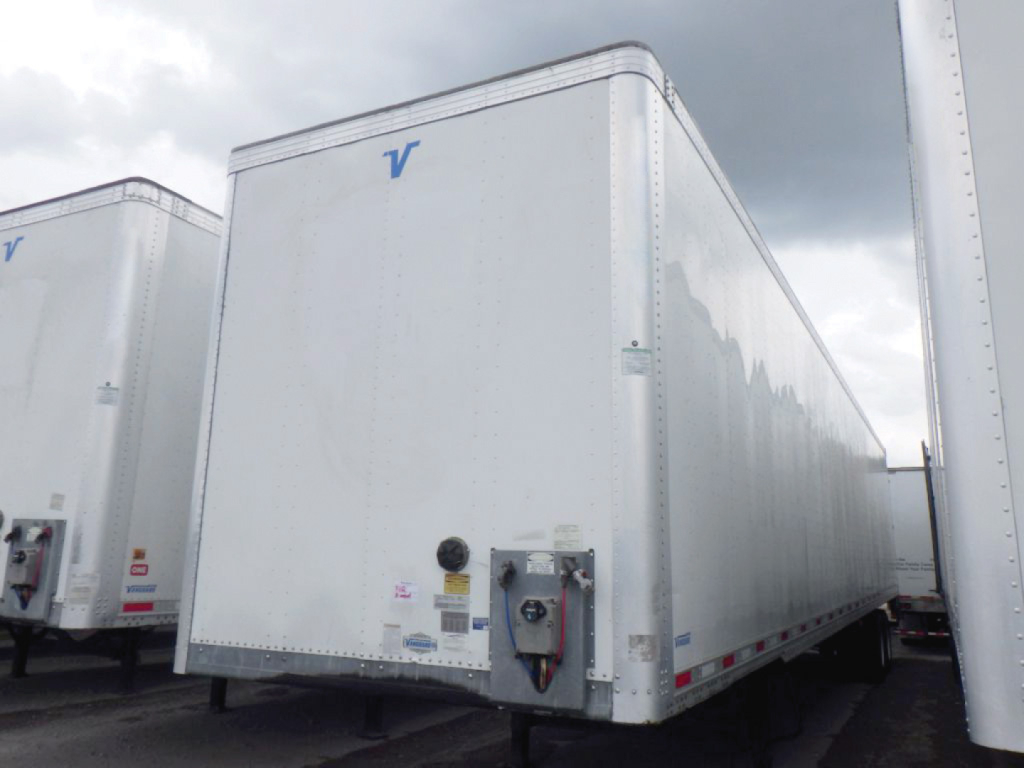
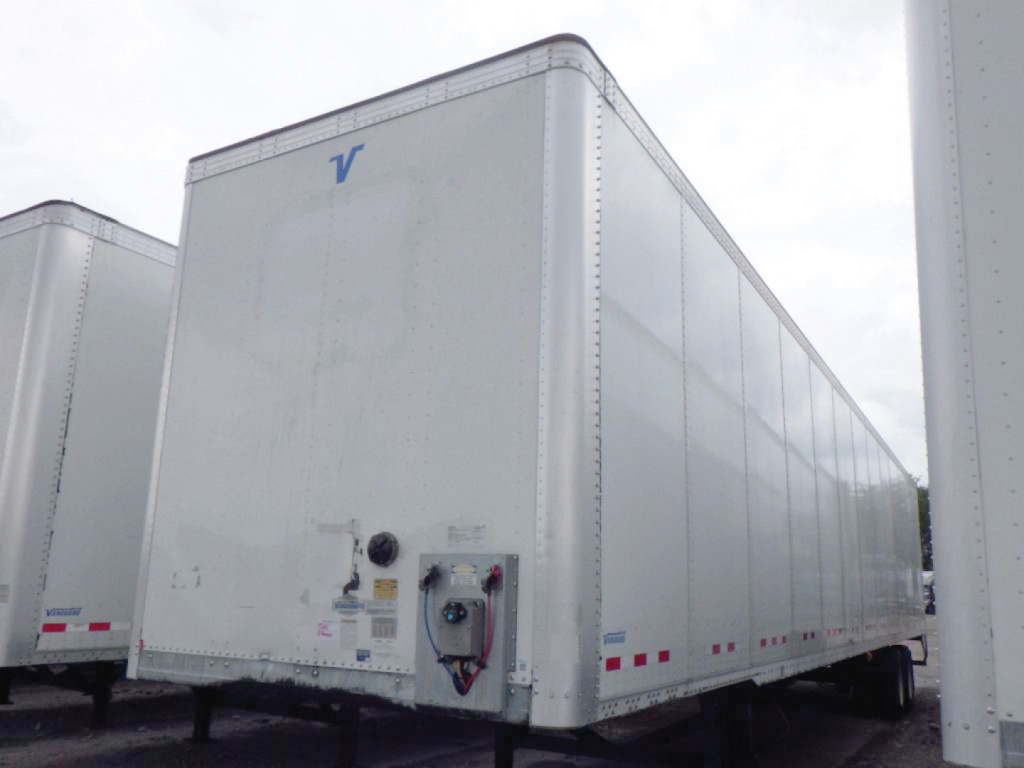
Showing 1 to 28 of 42 results
Selling a used vanguard trailer? List your used vanguard trailer for sale and reach thousands of commercial buyers.
Used Vanguard Trailers in Illinois
A typical used Vanguard van trailer will be 53 feet long, 102 inches wide, and around 13 feet 6 inches overall height, with many examples carrying 22.5 low-profile tires, air ride suspension, and sliding tandems. Common equipment includes plywood liner packages, scuff liners or scuff plate protection, hardwood or laminated wood floors, threshold plates, logistics posts, and E-track for mixed freight securement. Roll-up doors show up often on distribution-oriented specs because they speed dock work and reduce swing-door clearance issues in tight urban yards, while swing doors may still appeal to fleets focused on maximum rear opening and simpler long-term maintenance. Features like tire inflation systems, side skirts, galvanized rear components, and undertray storage can add value depending on the lane and maintenance program.
For Illinois operations, trailer spec matters because freight moves through a mix of metro delivery, warehouse transfer, and long regional hauls. Air ride is the standard choice for protecting palletized and cartoned freight. Sliding tandems are especially important for bridge law compliance and dock positioning flexibility. If the trailer will stay in dense Chicago-area distribution, inspect door hardware, rear impact guard condition, crossmember corrosion, and tire scrub from repeated tight turns. If it will run longer Midwest lanes, look closely at roof condition, floor rating, suspension wear points, brake type, and the service history of items like wheel ends and inflation systems. A galvanized frame or galvanized rear structure can be a real advantage in four-season service where road treatment accelerates corrosion.
The strongest used Vanguard trailers are usually the ones with a clean maintenance record and a spec that matches the freight. A liftgate-equipped van can be a smart fit for route delivery, white-glove freight, and locations without dock access, but it adds weight and requires buyers to verify platform condition, hydraulic function, and rated capacity. For general dry van work, the priority list is usually floor life, wall integrity, roof leaks, tandem slider function, brake and tire condition, and evidence of prior trailer tracking or alignment problems. Vanguard trailers remain a practical choice for buyers who want a lightweight van platform with common fleet specs, straightforward serviceability, and broad usefulness across distribution, warehousing, and over-the-road freight applications.
Frequently Asked Questions about Used Vanguard Trailers in Illinois
What are the most common used Vanguard trailer types found in Illinois?
The most common used Vanguard trailers in Illinois are 53-foot dry van trailers, often aluminum vans used in general freight, retail distribution, and dedicated contract hauling. Many are equipped with air ride suspension, sliding tandems, wood floors, plywood liner packages, roll-up doors, and tire inflation systems. These specs are popular because they fit a wide range of Midwest freight applications and work well in both urban distribution and regional over-the-road service.
What should I inspect first on a used Vanguard dry van trailer?
Start with the floor, roof, rear frame, and tandem slider. A worn floor, hidden roof leaks, cracked rear structure, or damaged slider rails can turn a low purchase price into a costly repair cycle. After that, inspect crossmembers, door seals, suspension components, brake condition, tire wear patterns, wheel ends, and any corrosion around galvanized and non-galvanized sections. Interior wall damage and heavy scuffing also help reveal the kind of freight the trailer has been hauling.
Are Vanguard trailers a good choice for fleet and dedicated freight service?
Yes. Vanguard trailers are commonly used in fleet service because they are typically lightweight, practical, and spec'd around mainstream dry freight needs. Features such as logistics lining, E-track, air ride, sliding tandems, and roll-up doors make them especially useful for dedicated retail, LTL-style distribution, and warehouse transfer work. Their popularity in commercial fleets also helps with parts familiarity, serviceability, and resale demand in the used market.
Is a roll-up door better than swing doors on a used Vanguard van trailer?
It depends on the application. A roll-up door is often preferred for city and dock-intensive work because it saves rear clearance space and speeds up frequent stops. Swing doors can provide a slightly cleaner full-width rear opening and may be simpler over the long term depending on maintenance practices. On a used trailer, the better choice is usually the one in better mechanical condition, with good seals, solid hardware, and no signs of impact damage or binding.
Do features like tire inflation systems and side skirts add value on a used Vanguard trailer?
They can, especially for buyers focused on operating efficiency and fleet consistency. A tire inflation system can help support tire life and reduce roadside issues if it has been properly maintained. Side skirts may improve fuel economy in linehaul service, but buyers should inspect mounting points and panel condition closely. These features add the most value when the trailer will stay in a higher-mileage operation where small gains in uptime and fuel cost matter over the long run.