
Vanguard Trailers For Sale in Colorado
Browse Vanguard trailers for sale, including 53-foot dry vans with air ride, sliding tandems, roll-up doors, and logistics-ready specs.
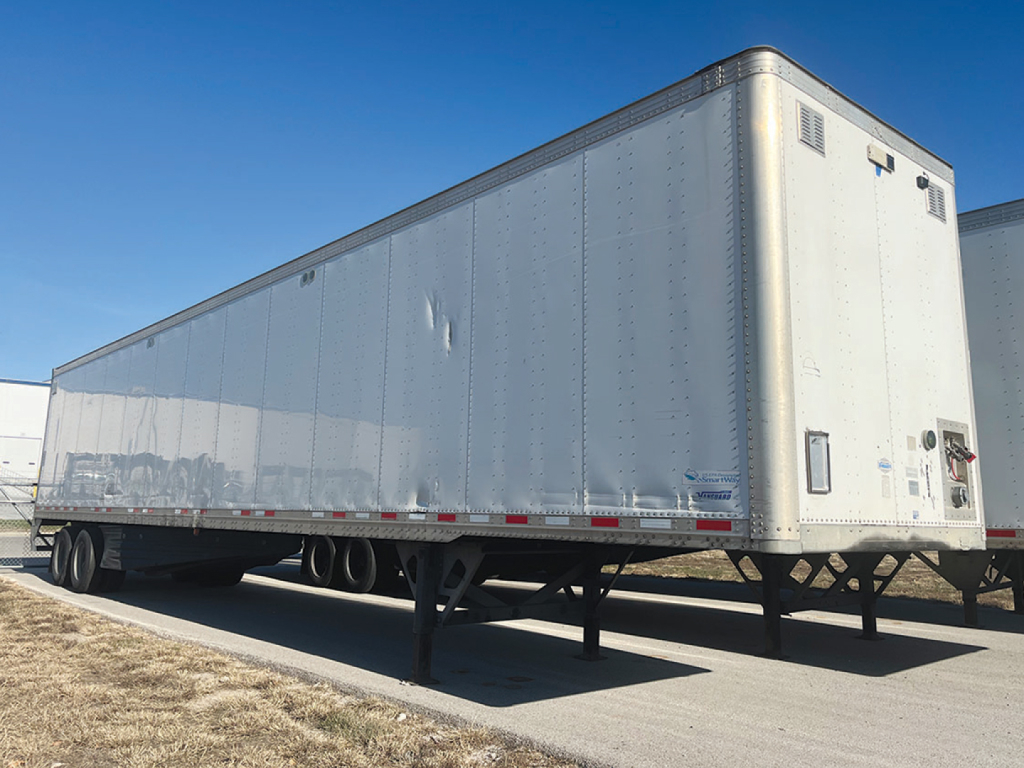
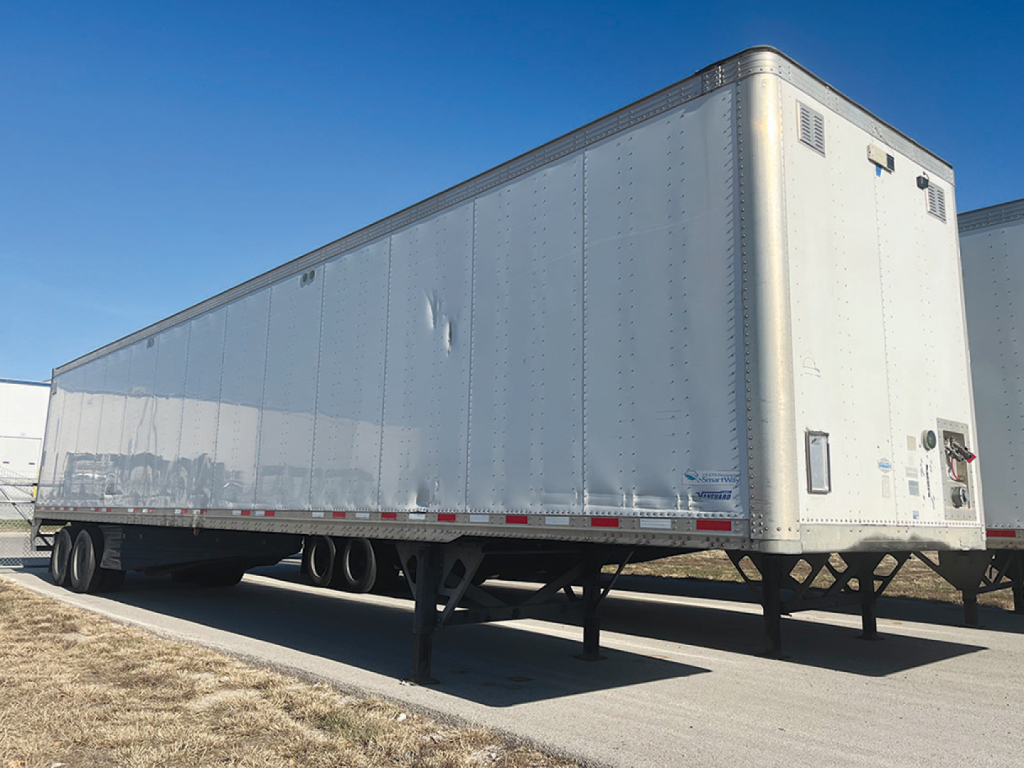
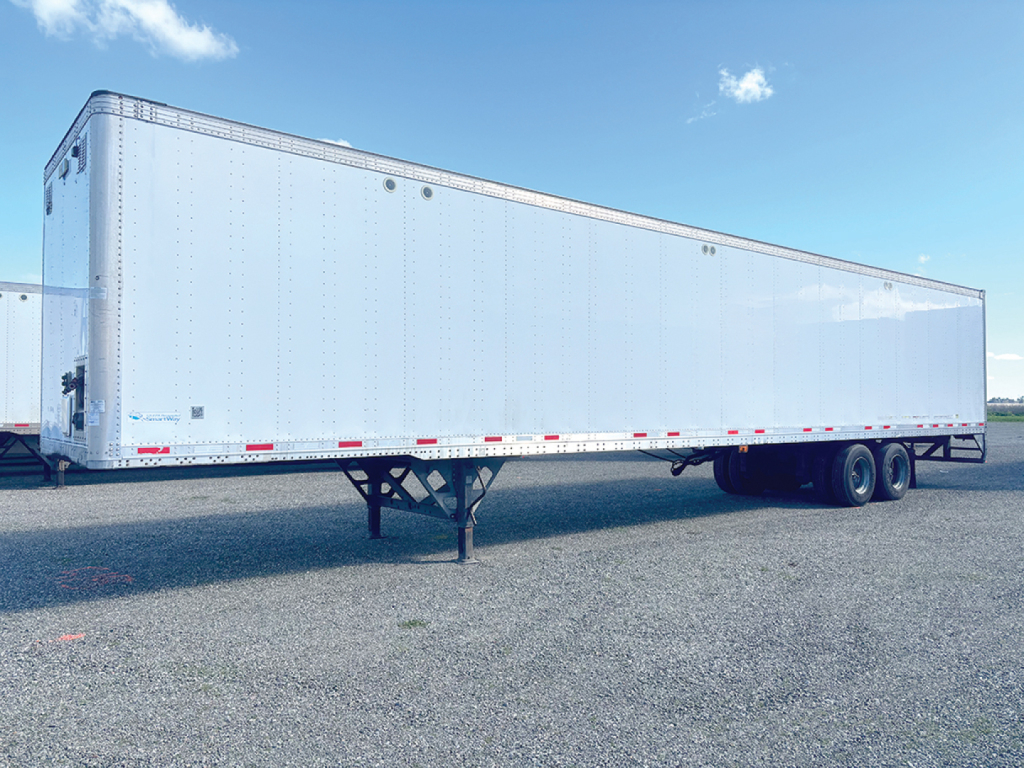
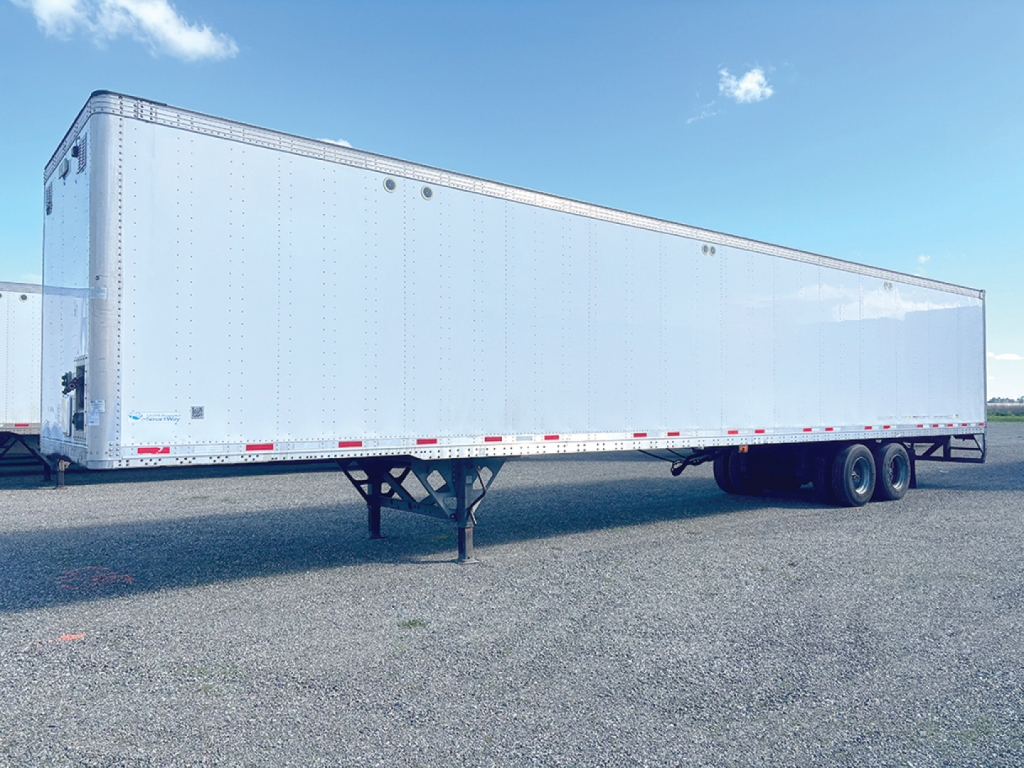
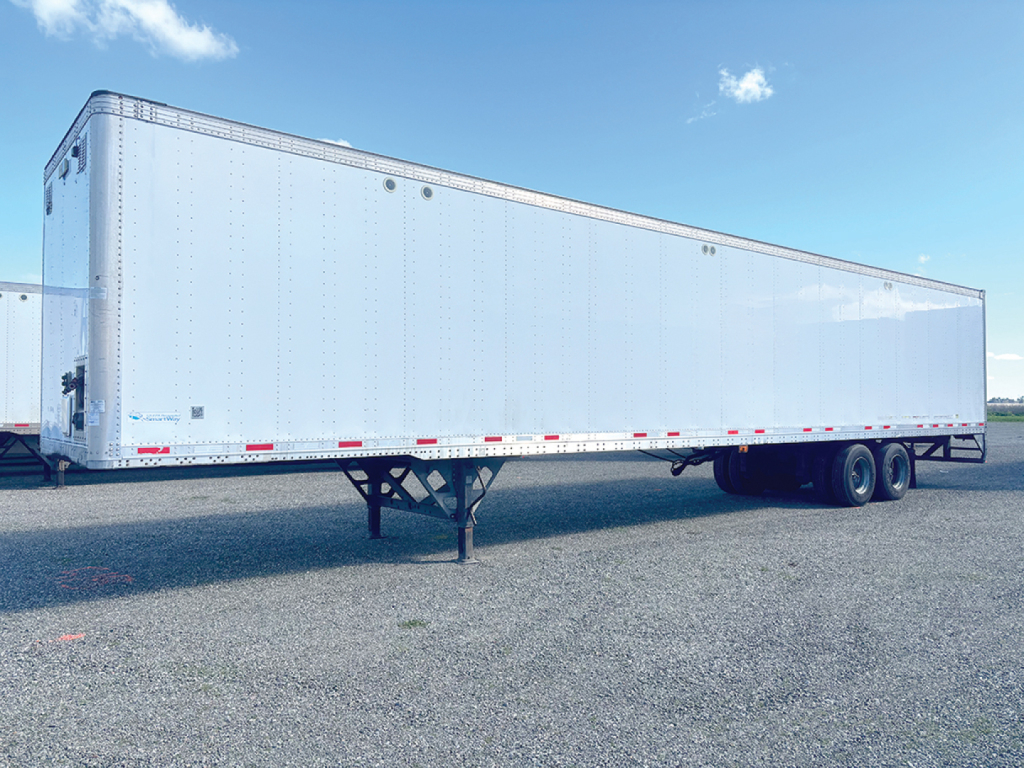
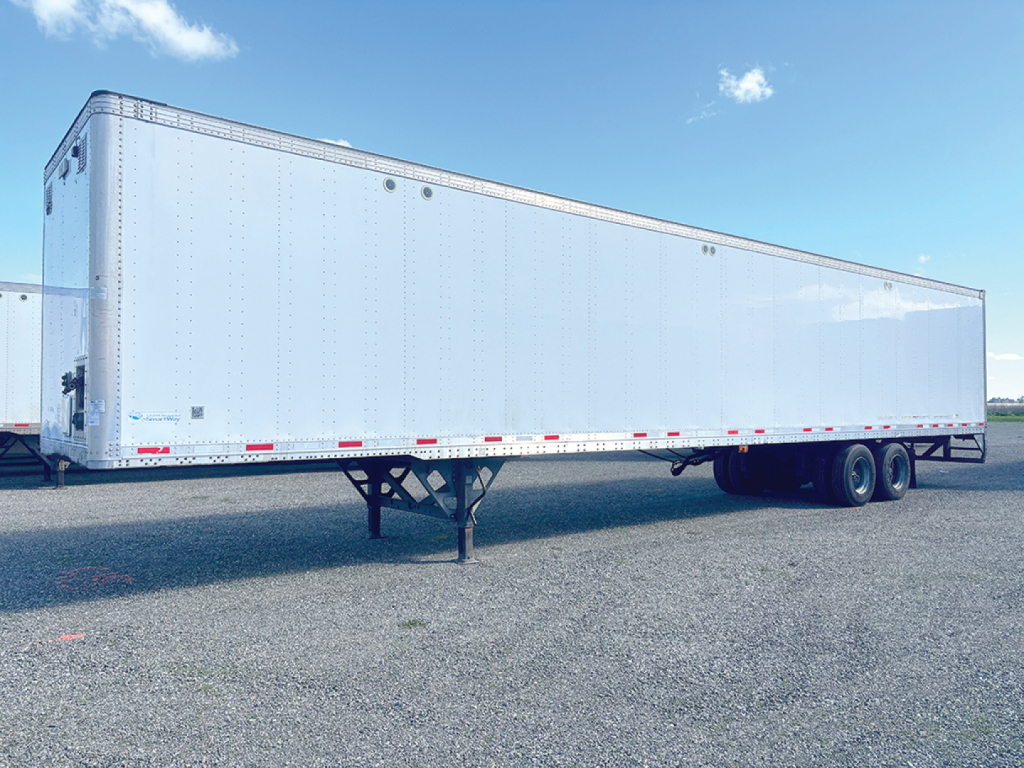
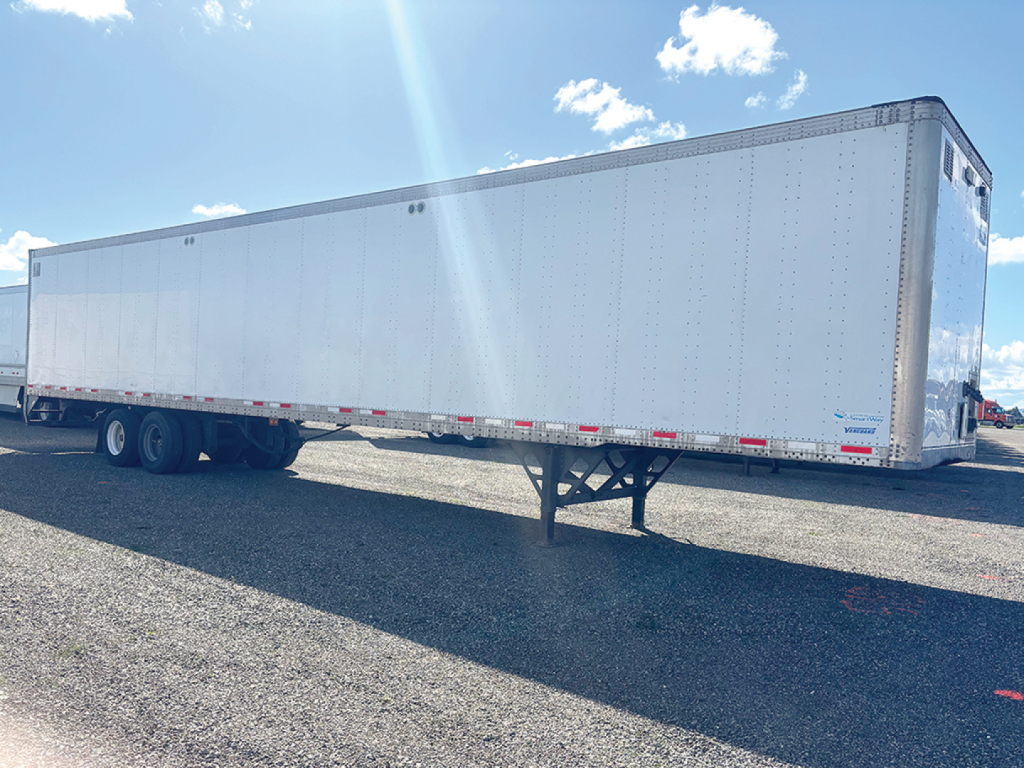
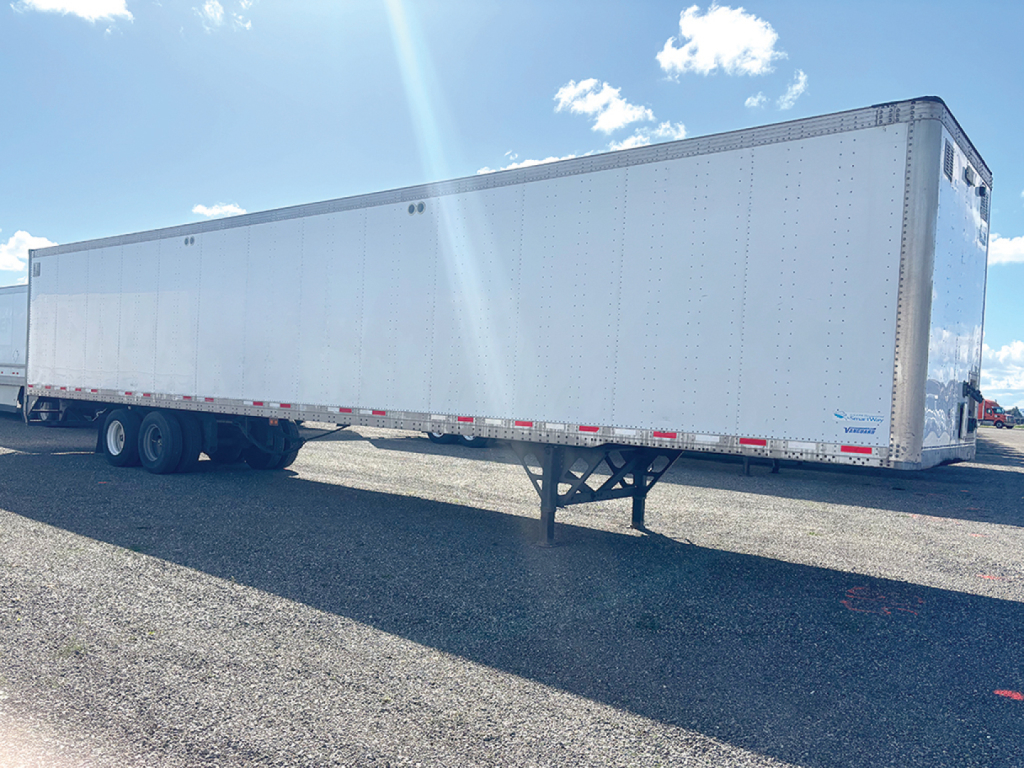

Selling a vanguard trailer? List your vanguard trailer for sale and reach thousands of commercial buyers.
Vanguard Trailers in Colorado
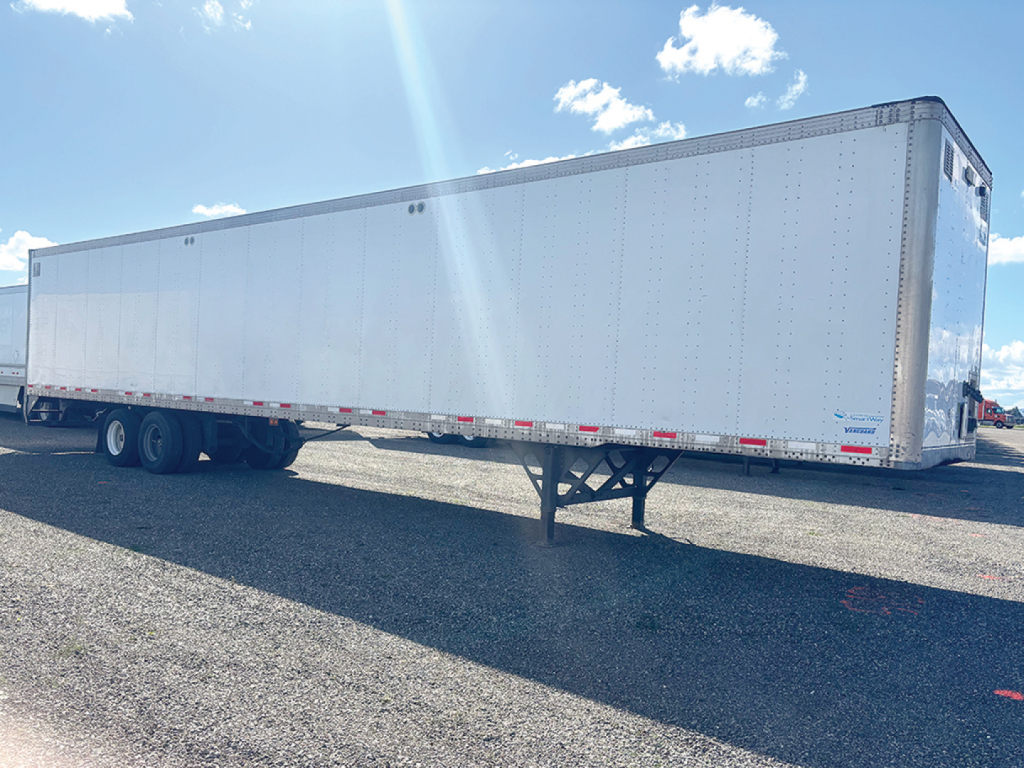
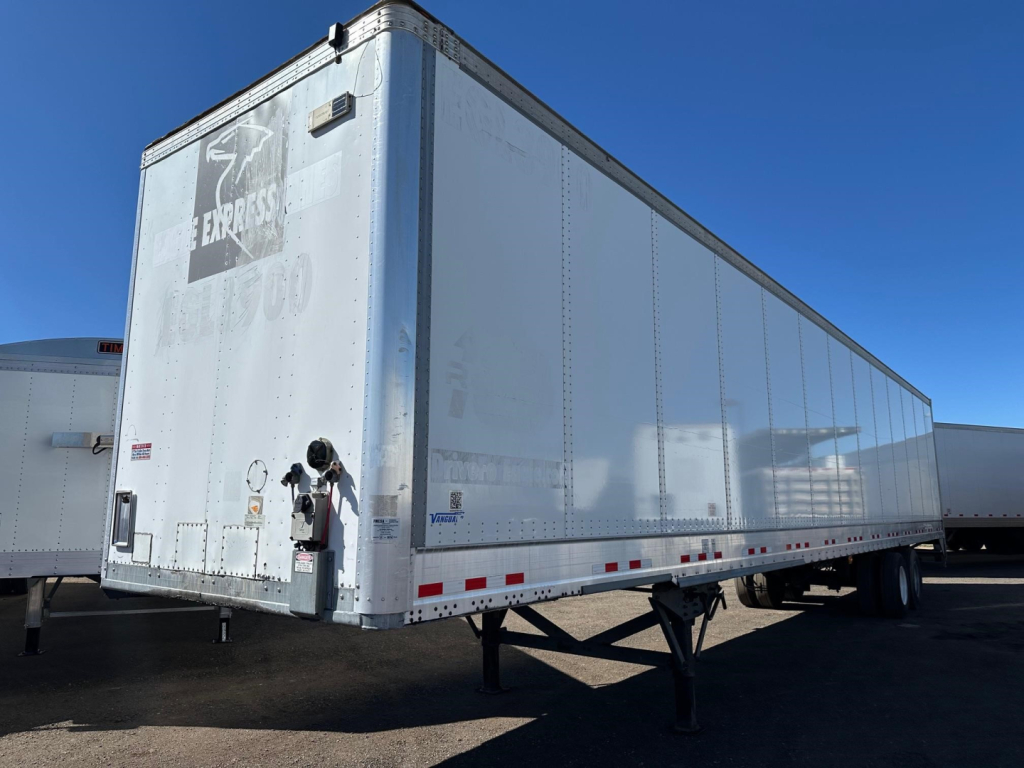
Many Vanguard van trailers are built with aluminum bodies to help control tare weight while still giving fleets a durable platform for high-cycle freight. Common features include wood floors, plywood lining, scuff liners or scuff plates, threshold plates, E-track, front vents, roll-up doors, and underbody storage or undertray systems. On the running gear side, buyers will often see air ride suspension, sliding tandem axles, low-profile 22.5 tires, disc wheels, and sometimes tire inflation systems. In Colorado, those specs matter for fleets running mixed highway and urban freight because air ride helps protect cargo, sliding tandems add bridge-law flexibility, and automatic tire inflation can reduce roadside downtime.
Used Vanguard trailers should be evaluated around structural condition as much as appearance. Check the rear frame for corrosion protection or galvanization, inspect the roof and front wall for prior damage, and look closely at the floor around the door opening, threshold, and forklift traffic zones. On lined vans, inspect the plywood for delamination and confirm that the scuff protection is still doing its job. Roll-up doors are convenient at crowded docks and city stops, but buyers should inspect tracks, springs, and sealing surfaces to make sure the door cycles smoothly and closes square.
For most fleets, the right Vanguard trailer comes down to freight profile and terminal environment. A basic 53-foot dry van works well for high-volume general freight, while a better-equipped trailer with E-track, liner packages, front vents, and tire inflation is a stronger fit for dedicated lanes, shipper-specific freight, and operations that want to reduce cargo damage claims. If legal payload, axle placement, and dock access are priorities, compare tandem slide range, axle lift configurations, suspension condition, and overall trailer weight before deciding. Those details usually matter more than model year alone on a working van trailer.
Frequently Asked Questions about Vanguard Trailers in Colorado
What are the most common specs on a Vanguard dry van trailer?
A common Vanguard dry van setup is a 53-foot trailer with a 102-inch outside width, aluminum construction, wood floor, roll-up or swing door configuration, and sliding tandem axles. Many used units also include air ride suspension, scuff liners, E-track, low-profile 22.5 tires, and disc wheels. These are standard fleet-friendly specs for palletized freight, retail distribution, and general over-the-road service.
Is a Vanguard aluminum van trailer a good choice for general freight?
Yes. Vanguard aluminum van trailers are widely used for general freight because they balance durability, usable cube, and manageable tare weight. For dry goods, packaged freight, consumer products, and dock-to-dock hauling, they fit the same operational profile buyers expect from a 53-foot logistics van. The best results come from matching the trailer's interior package, door style, and suspension to the freight and loading environment.
What should I inspect on a used Vanguard trailer before buying?
Start with the floor, rear frame, roof, front wall, suspension, and tandem slide. Then inspect the lining, scuff protection, threshold plate, door hardware, and tire condition. On trailers with tire inflation systems, verify the lines and wheel-end components are intact. On roll-up door units, check for smooth operation, proper seal contact, and any evidence of impact damage at the rear opening. A clean sidewall does not always reflect the condition of the structural and high-wear components.
Why do sliding tandems matter on a 53-foot van trailer?
Sliding tandems give a 53-foot van trailer more flexibility for axle weight distribution, bridge compliance, and loading dock positioning. That matters for fleets running different freight densities or crossing multiple jurisdictions with different enforcement patterns. A properly functioning slide also helps drivers balance heavy pallets more effectively and can improve trailer usability across a wider mix of lanes.
Are features like E-track, scuff liners, and air ride worth paying for?
In many operations, yes. E-track improves load securement flexibility, scuff liners protect the sidewalls from forklift and pallet damage, and air ride helps reduce cargo shock on rough roads. These features are especially valuable on dedicated freight, higher-touch delivery work, and lanes where cargo claims or trailer downtime can quickly outweigh a lower purchase price on a more basic van trailer.