
Used 2023 Van Trailers For Sale
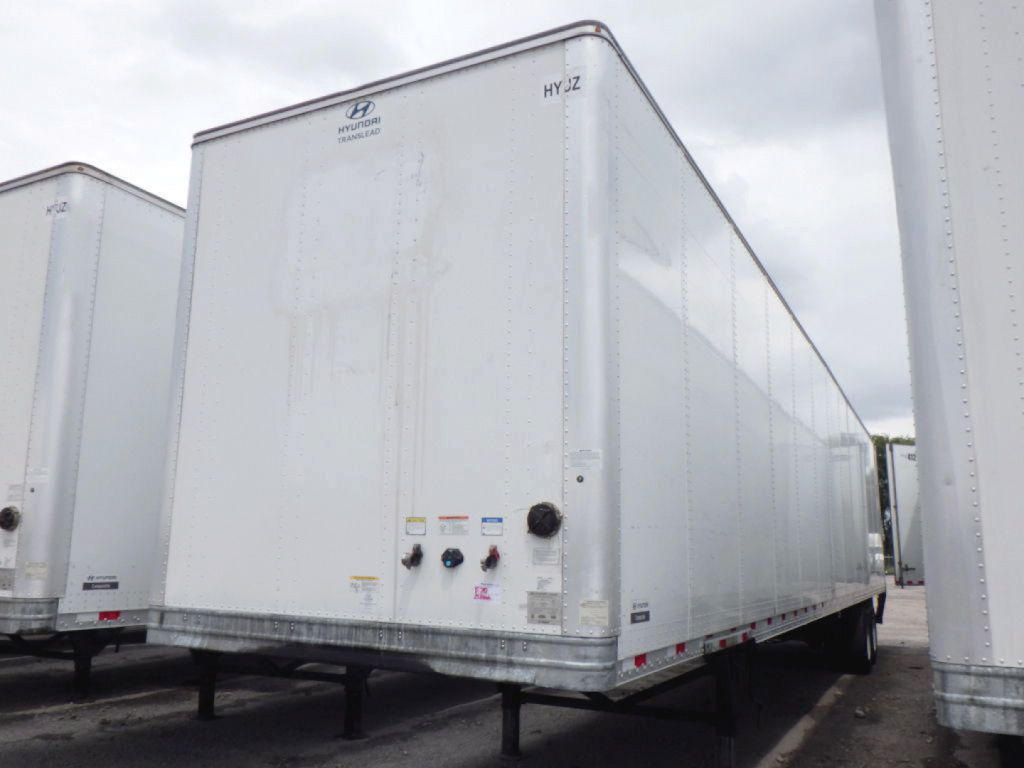
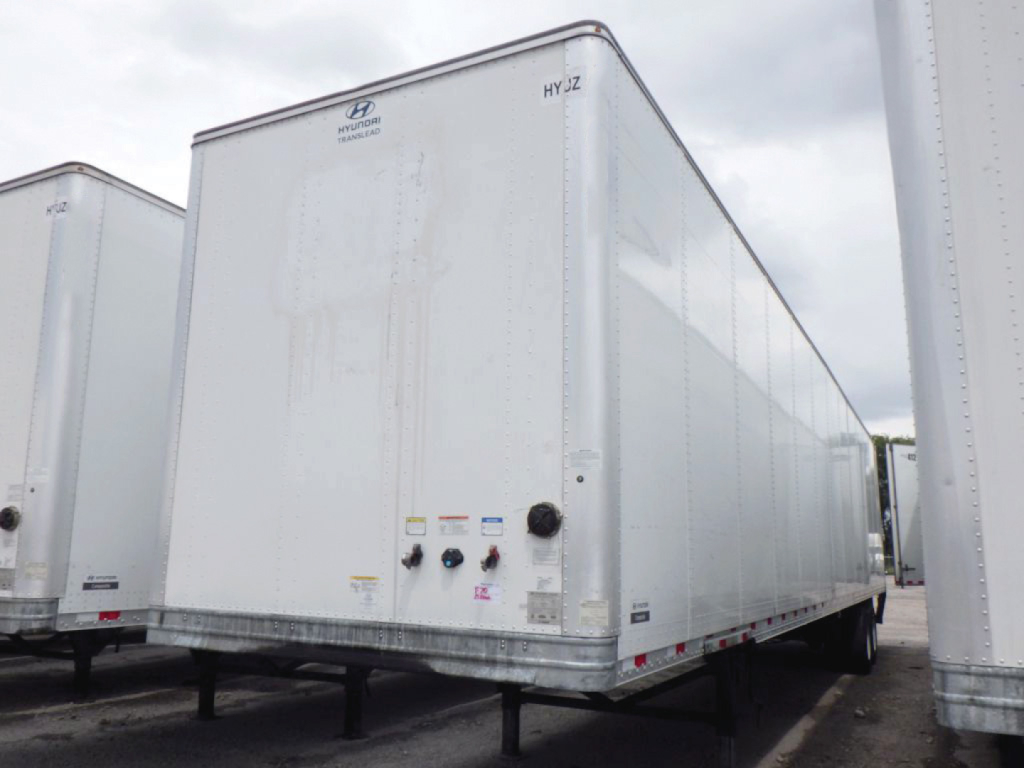
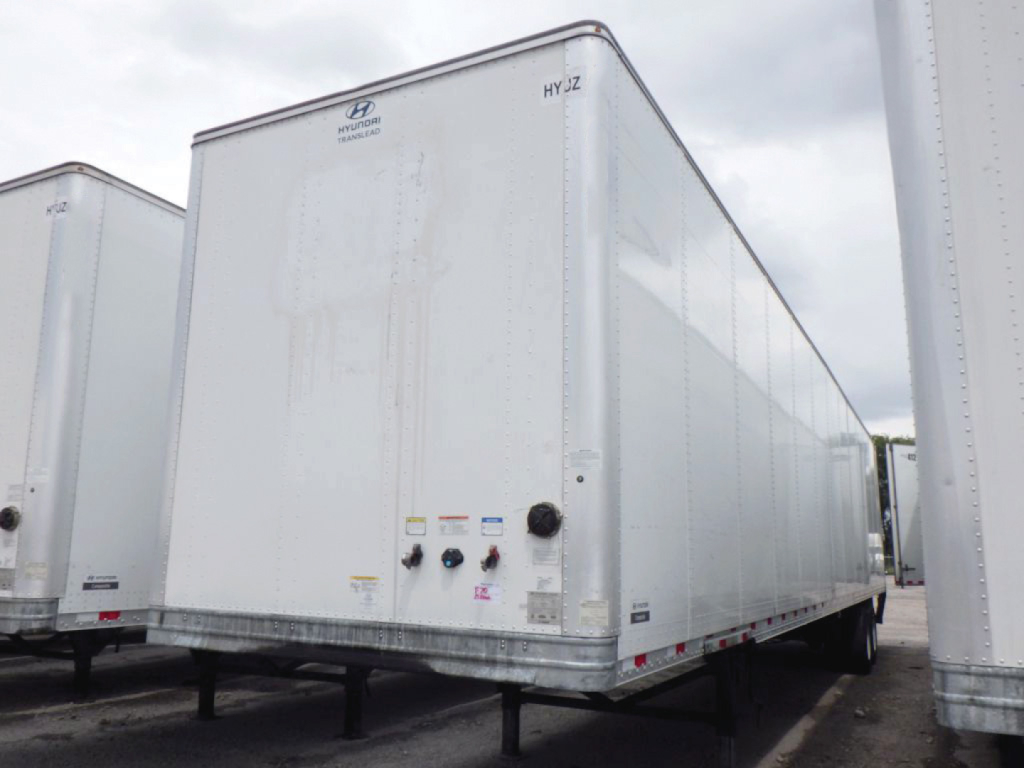
Browse used 2023 van trailers with common dry freight specs like 48-53 ft lengths, air ride, sliding tandems, logistics posts, and swing doors.
Learn more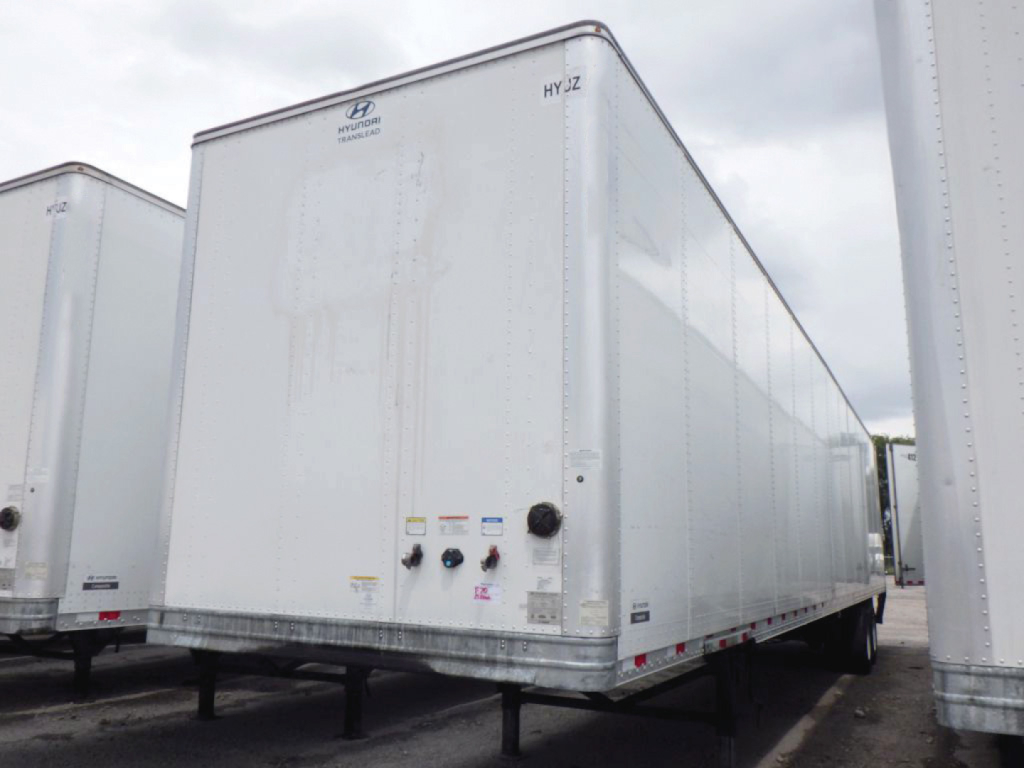
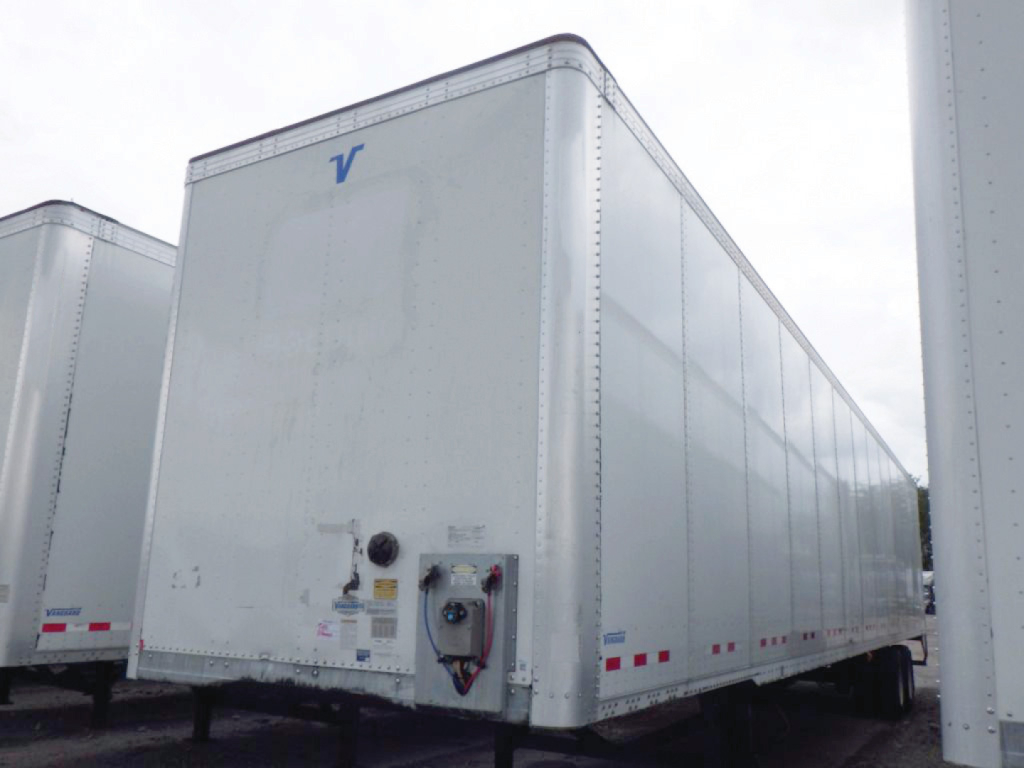
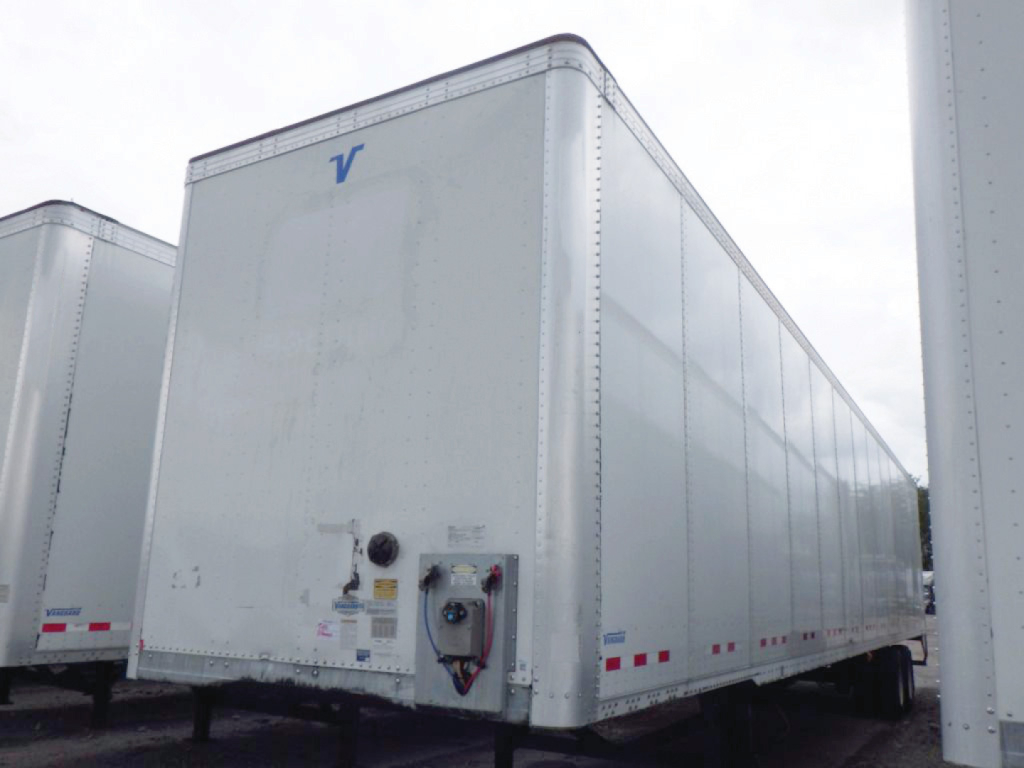

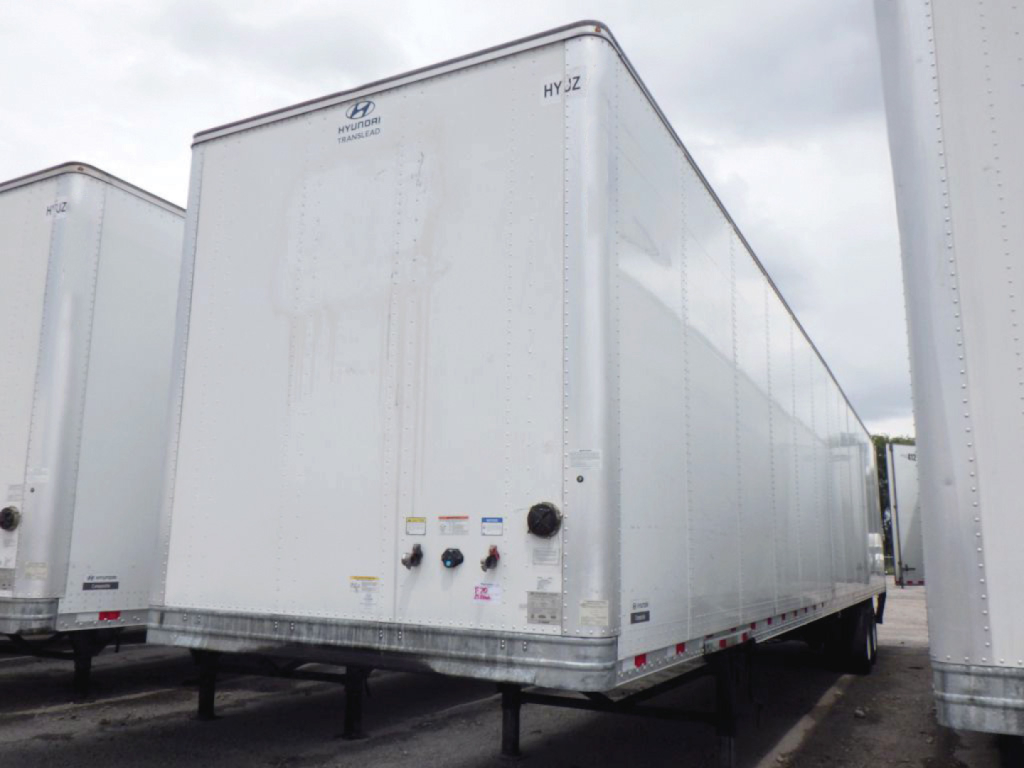
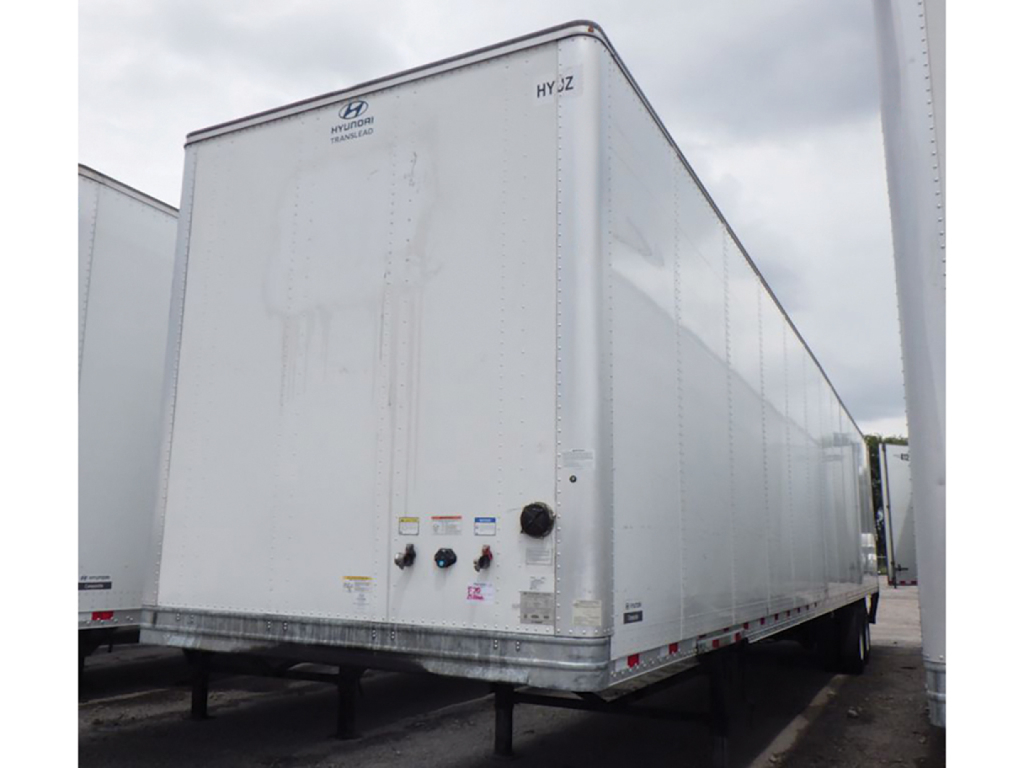
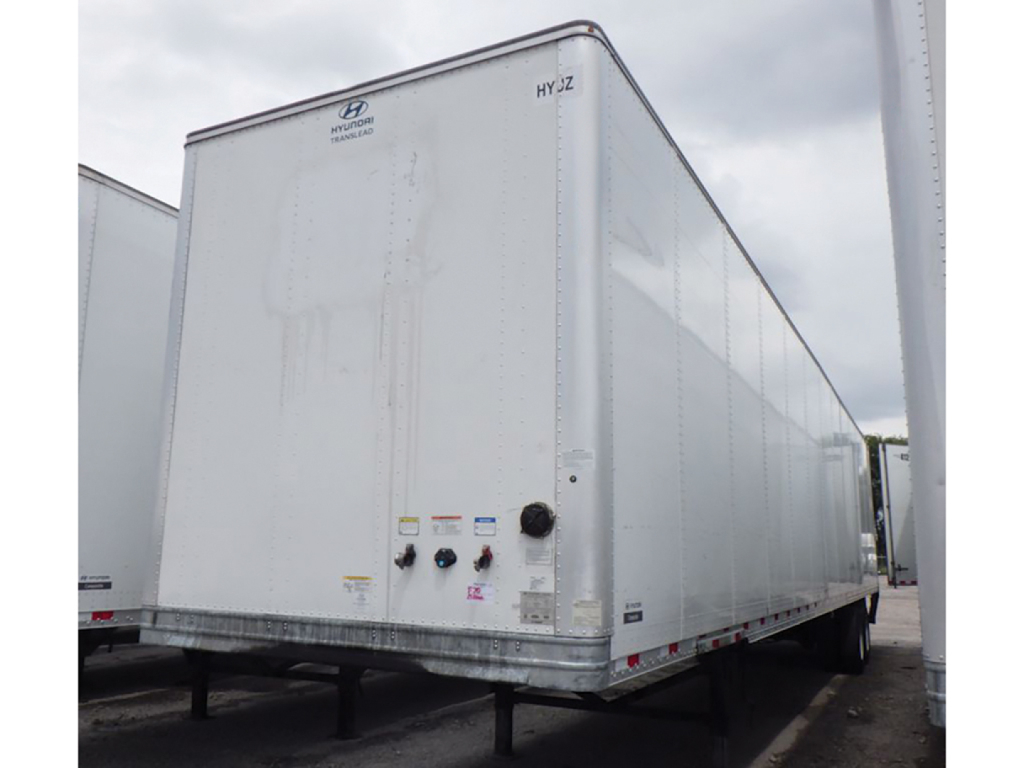
Showing 1 to 12 of 30 results
Have used 2023 van trailer to sell? List it here to reach thousands of buyers.
About Used 2023 Van Trailers
The biggest buying decisions usually come down to structure, door configuration, suspension, and logistics equipment. Many 2023 dry vans use an aluminum or composite body with steel subcomponents to balance tare weight and durability. Wood floors remain common because they handle forklift traffic well and are practical to repair, while steel threshold plates and scuff liners help protect high-wear areas. Buyers should pay close attention to swing doors versus roll-up doors. Swing doors generally maximize cubic capacity and keep rear opening height, while roll-up doors can be useful in urban delivery or frequent dock work where rear clearance is limited. Air ride suspension and sliding tandem axles are common on fleet-spec vans because they improve ride quality, help with bridge law compliance, and add flexibility in weight distribution.
For freight securement, many late-model van trailers are logistics-post or logistics-track equipped, often with rows of E-track or slotted wall posts for decking beams and load bars. That matters if the trailer will handle mixed pallets, partials, or multi-stop freight. A translucent roof is another common feature because it improves interior visibility during loading without adding powered lighting requirements. Tire inflation systems, disc or drum brake setups, and wheel-end spec are also worth checking because they affect maintenance cost and uptime. On a used 2023 unit, buyers should also look closely at crossmember spacing, roof bows, rear frame condition, door seals, floor wear from concentrated forklift traffic, and any signs of previous sidewall or nose repair.
A 2023 model year van trailer can be a strong fit for fleets that want newer trailer specs without new-trailer pricing. The value is usually in remaining service life, current compliance, and compatibility with modern dock operations and trailer pools. If payload is a priority, compare tare weight against floor rating and structural package instead of looking at empty weight alone. If the trailer will stay in long-haul service, focus on suspension condition, brake life, tire wear pattern, and tandem slider operation. For dedicated customer freight, match the trailer to the actual loading environment, including door preference, inside clearance, pallet count, and securement layout. The best used van trailer is not just the newest one. It is the one with the right spec for the freight, the lanes, and the loading docks it will see every week.
Frequently Asked Questions
What is a van trailer used for?
A van trailer, also called a dry van trailer, is used for enclosed freight that needs protection from weather, road spray, and theft. Common loads include palletized retail goods, packaged food, paper products, consumer products, and other non-temperature-controlled freight. It is the most common trailer type in general freight because it is versatile, dock-friendly, and compatible with a wide range of shipping and receiving facilities.
What size is a typical 2023 dry van trailer?
Most late-model dry van trailers are 53 feet long, 102 inches wide, and 13 feet 6 inches in overall height. Interior width is typically close to 101 inches, and inside height is often around 108 to 110 inches depending on the roof and floor configuration. Some operations still use 48-foot vans, especially in regional service or where customer locations have tighter maneuvering constraints.
Should I choose swing doors or a roll-up door on a used van trailer?
Swing doors are generally preferred for linehaul and full-capacity freight because they preserve maximum rear opening and do not reduce interior cube. Roll-up doors can be useful for frequent loading in tight spaces because they do not swing out behind the trailer, but they add weight and can reduce rear opening height. The right choice depends on your loading docks, delivery pattern, and whether maximizing cubic capacity is more important than rear access convenience.
What features matter most on a used 2023 van trailer?
The most important features usually include sliding tandem axles, air ride suspension, floor condition, rear frame condition, door type, and cargo control setup such as logistics posts or E-track. Buyers should also inspect brake type, tire condition, wheel ends, roof integrity, scuff liners, threshold plate wear, and signs of structural repair. On a newer used trailer, spec details often matter more than age alone because they determine payload flexibility, loading efficiency, and maintenance cost.
How do I evaluate floor and structural condition on a dry van trailer?
Start with the floor because forklift damage is one of the most expensive wear points on a van trailer. Look for soft spots, patchwork, fastener pull-through, excessive groove wear, and damage near the rear threshold where impact loads are common. Then inspect crossmembers, sidewalls, roof bows, nose structure, tandem rails, and rear frame for corrosion, cracks, collision repair, or misalignment. A clean exterior can hide heavy warehouse abuse, so structural inspection matters as much as tire and brake condition.