
Used 2023 Van Trailers For Sale in North Carolina
Browse used 2023 van trailers for sale in North Carolina. Compare 53-foot dry vans with air ride, logistics posts, sliding tandems, and more.
Learn more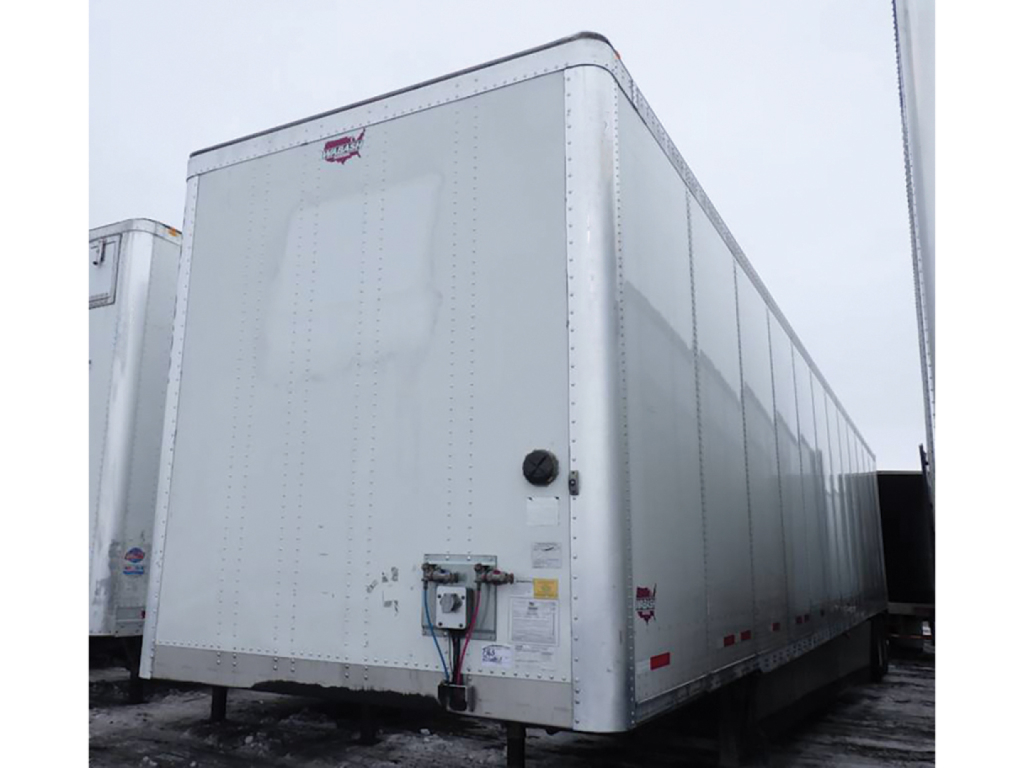

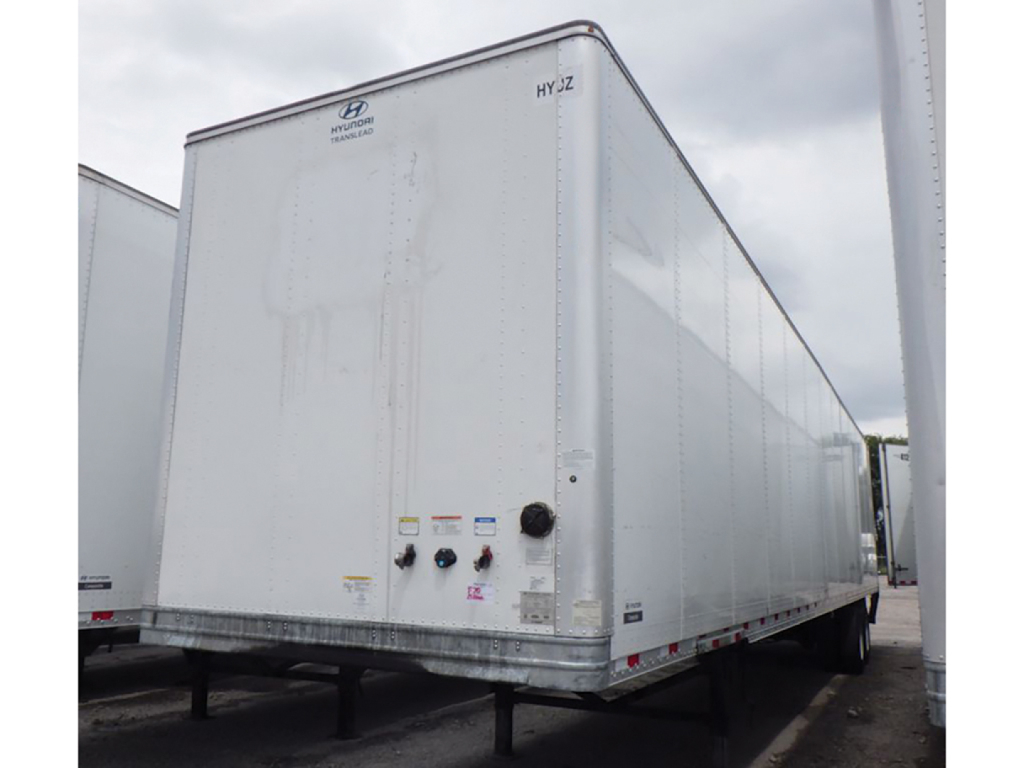
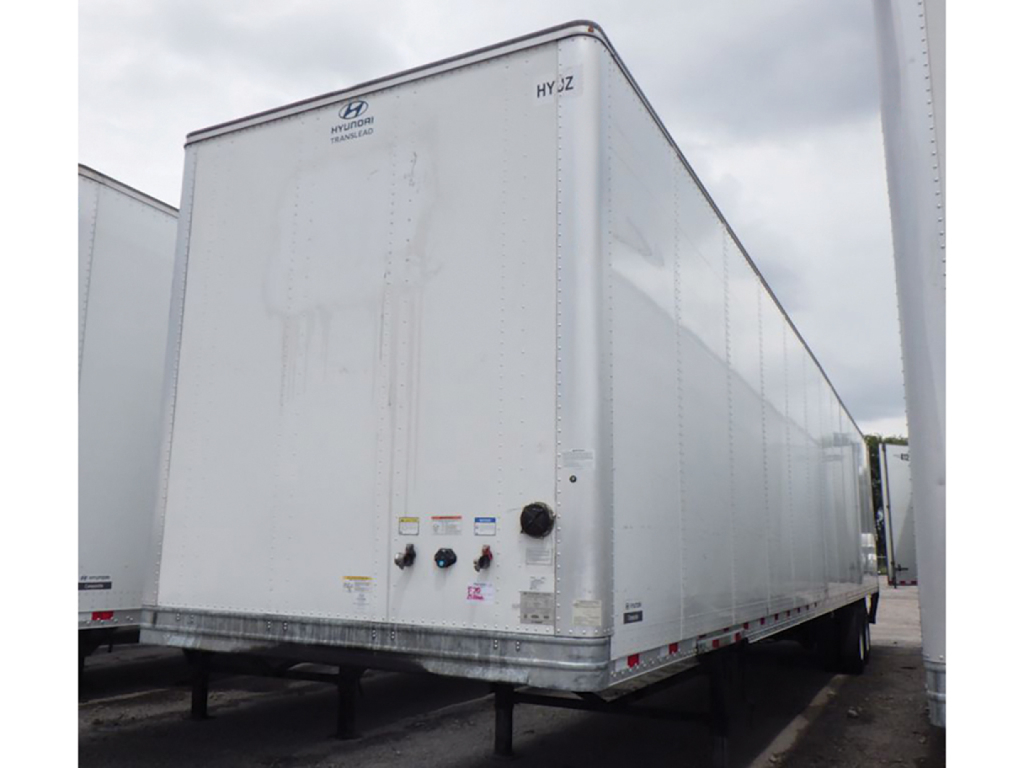
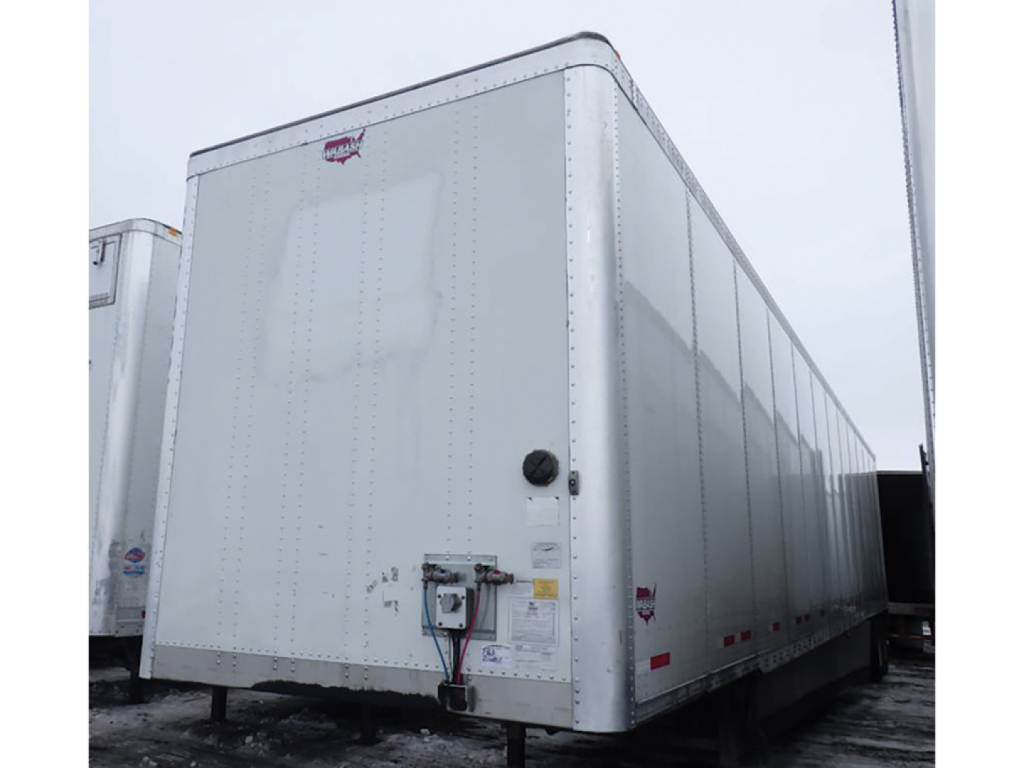
Have used 2023 van trailer to sell? List it here to reach thousands of buyers.
About Used 2023 Van Trailers in North Carolina
The biggest buying decisions usually come down to body construction, suspension, and trailer specs that affect uptime. Composite plate vans such as DuraPlate-style bodies are popular because they resist damage well in high-cycle loading environments, while sheet-and-post or aluminum designs may appeal to fleets focused on repair style or tare weight. Air ride suspension is common on late-model vans and is generally preferred for ride quality and freight protection, though some buyers still consider spring ride for simplicity. Sliding tandems matter for bridge law compliance, dock balance, and weight distribution, especially if the trailer will run mixed regional and over-the-road lanes.
Interior setup matters as much as the outside. Many 2023 dry van trailers will include logistics posts or E-track-style securement points, scuff liners, threshold plates, hardwood or laminated floors, and swing doors. Buyers should inspect the floor closely for forklift wear, rot, patched sections, and crossmember fatigue near high-traffic zones. Door frame condition, roof integrity, sidewall repairs, and signs of nose damage also deserve attention on a used van. If fuel economy is part of the operating plan, side skirts and trailer tails can add value, and tire inflation systems can help reduce maintenance events and irregular tire wear.
For a used 2023 van trailer, the appeal is straightforward: newer age, current-spec dimensions, and typically less lifecycle wear than older fleet trailers, but at a lower acquisition cost than new. It is worth confirming inside height, tire size, wheel type, brake spec, ABS status, and kingpin setting before purchase, especially if the trailer will be assigned to dedicated shippers or specific warehouse networks. A good van trailer should match your freight profile first, then your maintenance model, then your resale plan. That approach usually leads to better utilization and fewer surprises after the trailer goes to work.
Frequently Asked Questions
What are the most common specs on a used 2023 van trailer?
Most used 2023 van trailers in this category are 53 feet long, 102 inches wide, and 13 feet 6 inches tall. Common features include swing doors, air ride suspension, sliding tandems, logistics posts, wood or laminated flooring, scuff liners, and 22.5-inch wheels and tires. Many late-model units also include aerodynamic packages such as side skirts and trailer tails, along with tire inflation systems designed to reduce tire-related downtime.
Is air ride better than spring suspension on a dry van trailer?
Air ride is generally preferred for dry van applications because it offers better ride quality and helps protect freight from shock and vibration. That can matter for consumer goods, packaged products, and higher-value palletized freight. Spring suspension can still be a workable option for buyers who prioritize lower complexity and straightforward maintenance, but most fleets shopping late-model van trailers lean toward air ride for broader shipper acceptance and resale strength.
What should I inspect first on a used 2023 van trailer?
Start with the floor, roof, sidewalls, rear frame, and tandem assembly. The floor should be checked for forklift damage, soft spots, patches, and fastener pull-through. The roof should be free of leaks or repeated repairs, and the sidewalls should be inspected for delamination, major patches, or impact damage. It is also smart to inspect the doors, hinges, threshold plate, crossmembers, suspension components, brakes, tires, and ABS system because these items directly affect road readiness and near-term maintenance cost.
Are side skirts and trailer tails worth having on a van trailer?
They can be, especially on highway miles and dedicated routes where fuel savings can accumulate over time. Side skirts are more common and generally easier to live with in daily operations. Trailer tails can improve aerodynamics as well, but buyers should consider dock practices, driver acceptance, and damage exposure. If the trailer will spend most of its life in regional stop-and-go work, the return may be less noticeable than on long over-the-road lanes.
Why do sliding tandems matter on a 53-foot dry van?
Sliding tandems give the trailer more flexibility for axle weight distribution, bridge law compliance, and dock positioning. That matters when freight density changes from load to load or when the trailer runs in multiple states with different enforcement patterns. A functioning tandem slide is also important for operational efficiency because seized rails, damaged pins, or poor alignment can quickly turn into downtime and shop expense.