
Used 2023 Van Trailers For Sale in Pennsylvania
Shop used 2023 van trailers in Pennsylvania. Compare 53-foot dry vans with air ride, sliding tandems, logistics posts, swing doors, and plate sides.
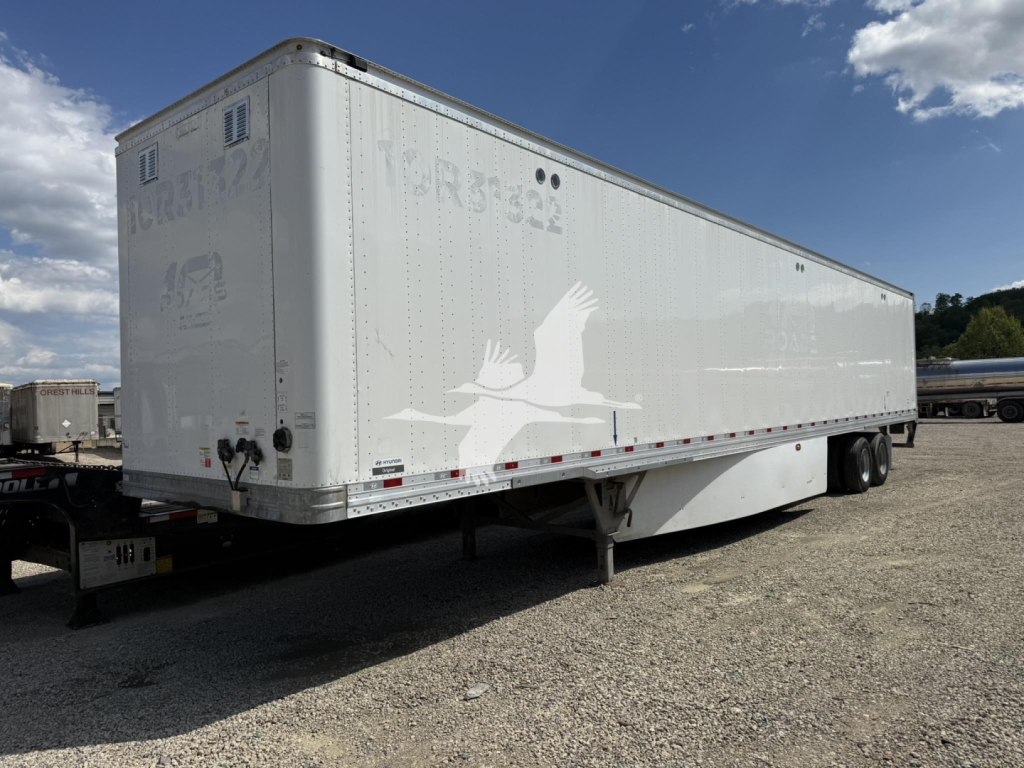
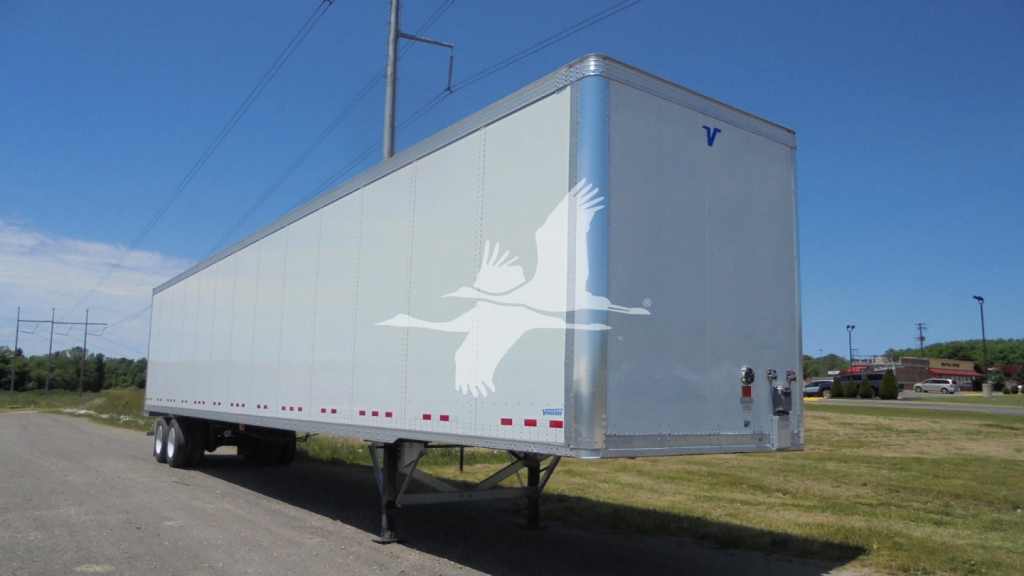
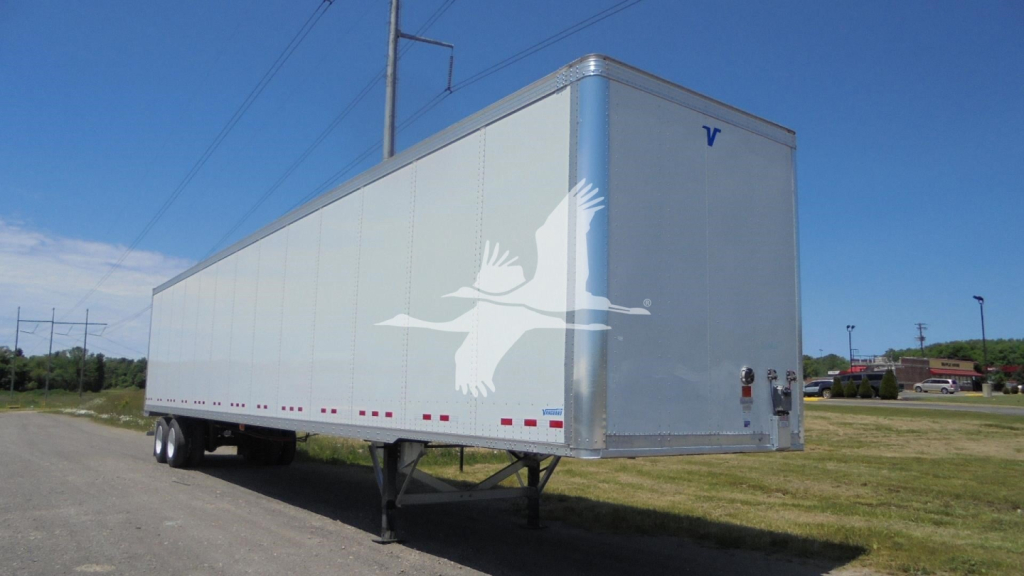
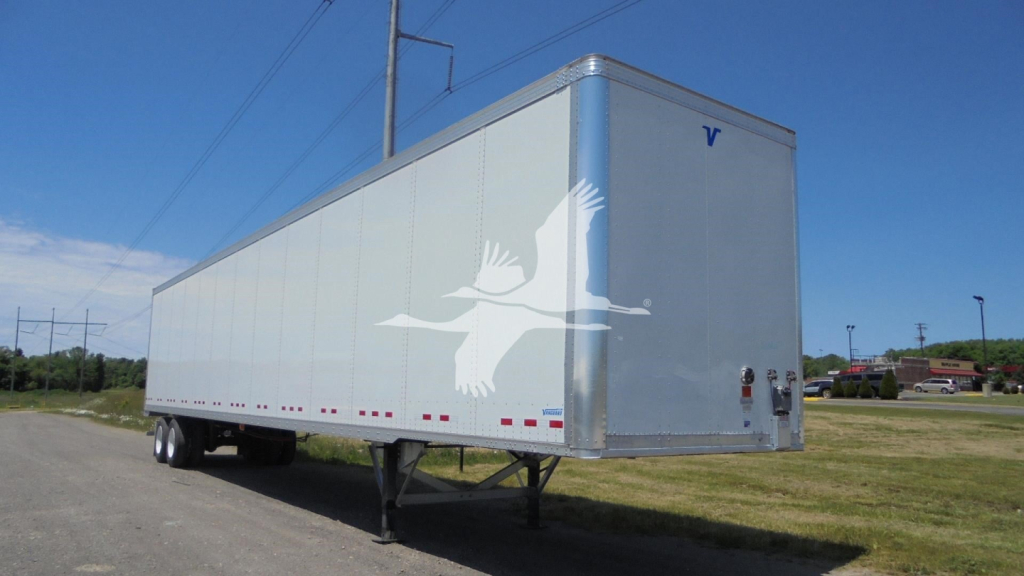
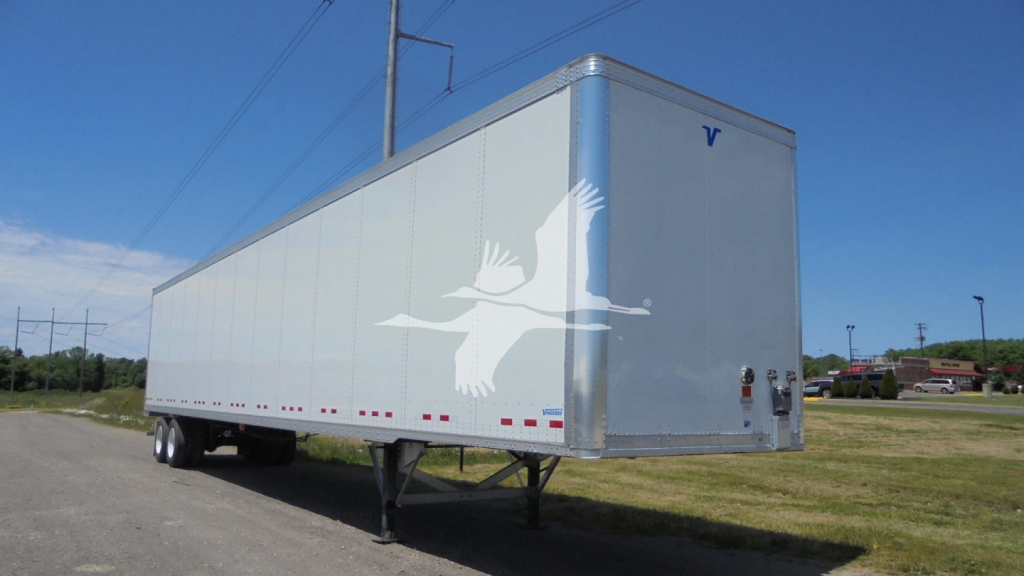
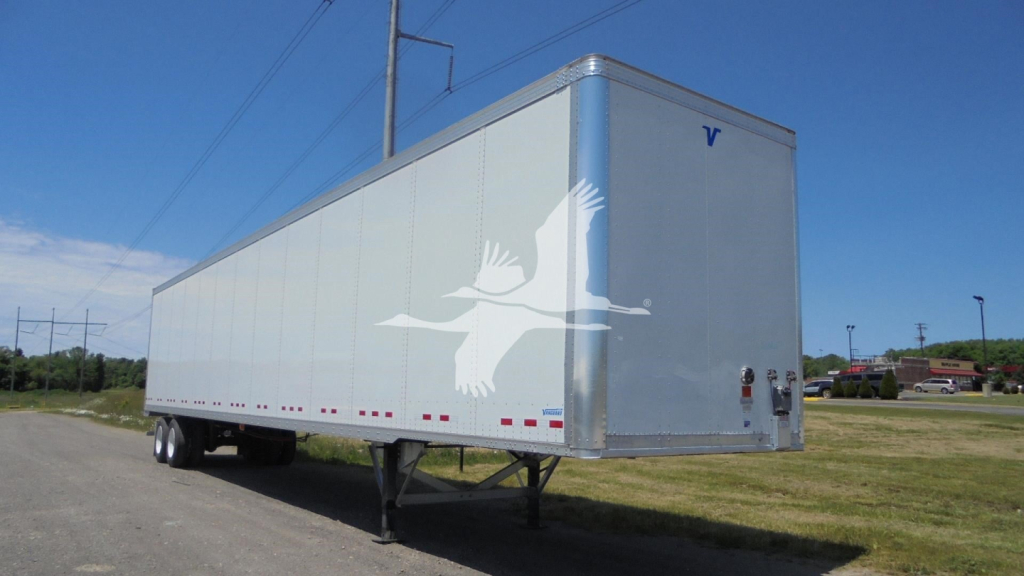
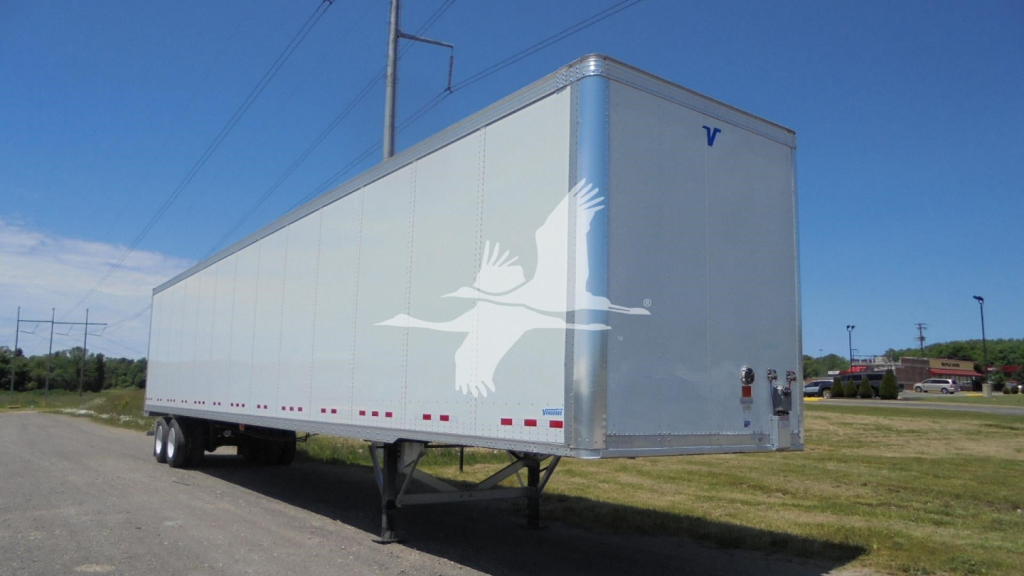
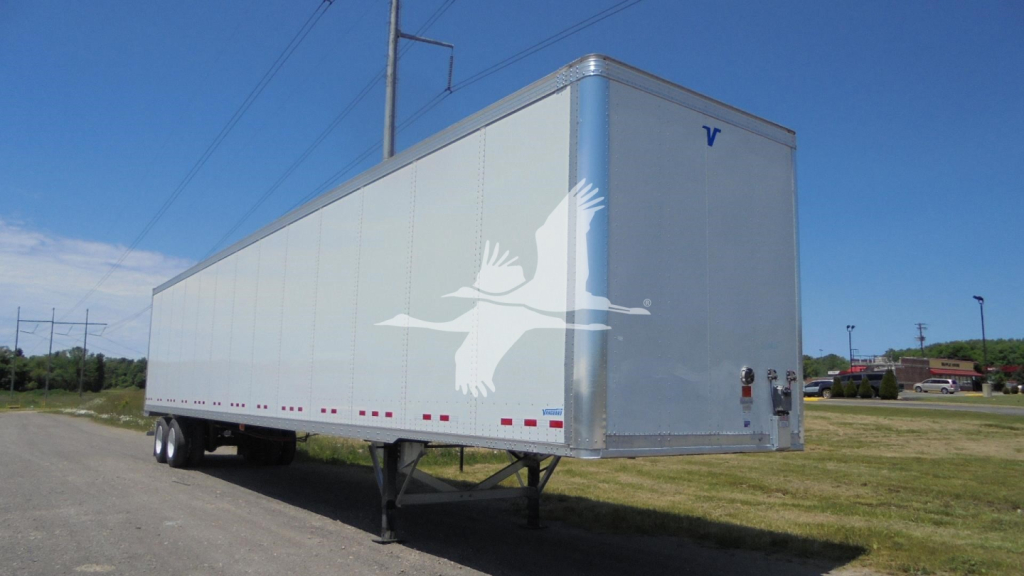
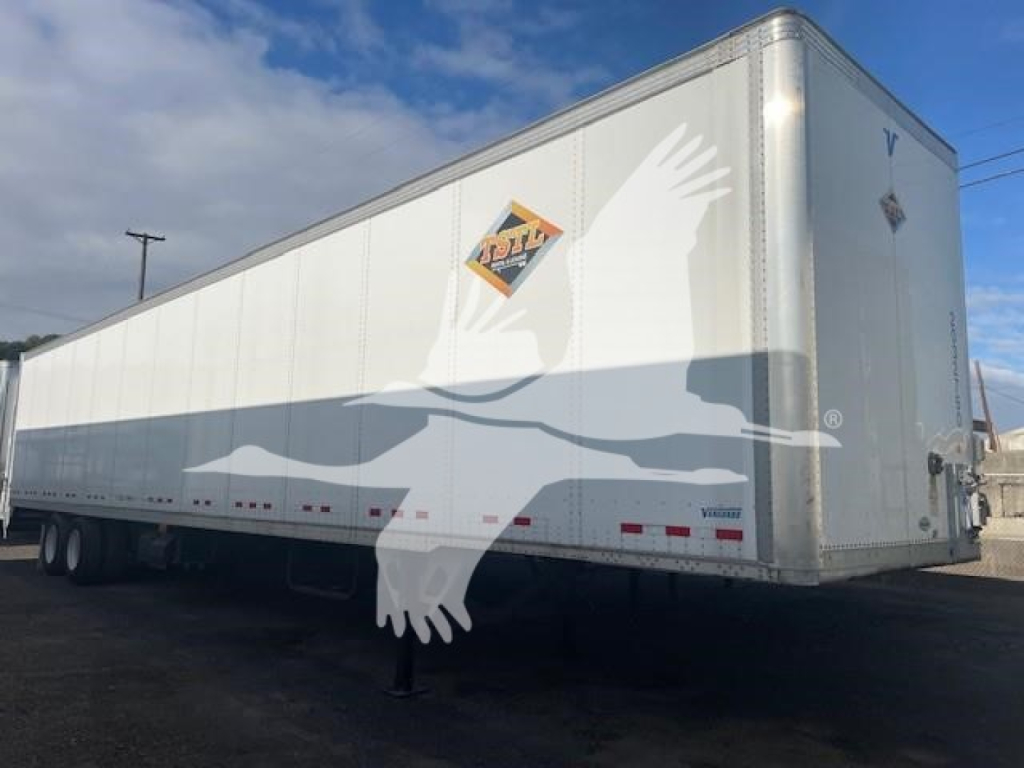
Have used 2023 van trailer to sell? List it here to reach thousands of buyers.
Used 2023 Van Trailers in Pennsylvania
The most important spec decisions are usually side construction, suspension, floor condition, and tandem configuration. Many late-model van trailers use composite or plate sides, galvanized rear frames, aluminum roofs, and 1 3/8-inch oak flooring. Air ride suspension remains the preferred setup for freight protection and dock-friendly handling, and a sliding tandem is still the standard choice for bridge law compliance and weight distribution. Buyers should also confirm kingpin setting, crossmember spacing, landing gear brand and condition, rear threshold wear, and the state of the doors, hinges, and seals. If the trailer will handle high-cycle loading, look closely at scuff liners, nose lining, logistics post spacing, and dock bumper reinforcement.
For Pennsylvania operation, trailer condition underneath matters as much as the body. Road salt, wet winters, and heavy dock use can accelerate corrosion around the rear frame, crossmembers, slider rails, and landing gear supports. Galvanized components can be a real advantage on a used 2023 van trailer, especially at the rear impact area and around the understructure. Tire size, wheel type, brake condition, and ABS performance should all be part of the inspection, along with signs of floor delamination, roof leaks, sidewall repairs, or uneven tandem wear. A clean late-model van may still need close scrutiny if it spent its life in dense Northeast freight lanes with frequent dock strikes and tight urban turns.
A 2023 model year dry van can be attractive because it is still new enough to align with many fleet maintenance standards, shipper expectations, and financing preferences, while avoiding the price of a new trailer. Buyers comparing listings should think beyond age and focus on prior application. A trailer that hauled light packaged freight will usually present differently than one used in beverage, paper, or high-cycle LTL service. The best value often comes from matching the trailer’s spec to the lane. For general freight, a standard 53-foot air ride slider with logistics posts, sound flooring, and straight rear frame structure remains the benchmark.
Frequently Asked Questions about Used 2023 Van Trailers in Pennsylvania
What are the most common specs on a used 2023 van trailer?
Most used 2023 van trailers are 53 feet long, 102 inches wide, and built to a 13 foot 6 inch overall height. Common configurations include tandem axles, air ride suspension, sliding tandems, swing rear doors, aluminum roofs, logistics posts, scuff liners, and hardwood flooring. Many also use composite or plate side construction and 295/75R22.5 tires. The exact build can vary based on whether the trailer was ordered for general freight, dedicated contract work, or high-cycle distribution.
Is air ride suspension worth it on a dry van trailer?
Air ride is the preferred suspension for many dry van applications because it helps protect freight, improves ride quality, and is widely accepted in both regional and over-the-road service. It is especially useful for palletized consumer goods, paper products, and other loads that can shift or get damaged on rough roads. Buyers should still inspect ride height controls, air bags, shocks, suspension bushings, and slider operation, because air ride value depends on condition as much as design.
What should I inspect first on a used van trailer in Pennsylvania?
Start with the understructure, rear frame, and tandem area. Pennsylvania service often exposes trailers to road salt, wet conditions, and frequent dock use, so corrosion at the rear sill, crossmembers, slider rails, landing gear mounts, and door frame deserves close attention. After that, inspect the floor, roof, sidewalls, and door hardware for leaks, patched damage, and structural wear. Tire wear patterns and brake condition can also reveal alignment issues or deferred maintenance.
What is the difference between a plate van and a sheet-and-post van?
A plate van uses stronger side panels, often composite or plate construction, that generally offer better resistance to side impact and dock-related abuse. A sheet-and-post van is often lighter and can work well in standard dry freight service, but it may not hold up the same way in punishing multi-stop operations. Buyers running dense freight networks, high forklift traffic, or demanding customer docks often prefer plate-side construction for durability and lower body repair frequency.
How do I know if a 2023 dry van trailer is a good fit for my freight?
Match the trailer to the cargo, loading method, and lane requirements. General palletized freight usually calls for a standard 53-foot dry van with logistics posts, a sound hardwood floor, swing doors, and a sliding tandem. Heavier concentrated freight may require extra attention to floor rating, crossmember spacing, and tare weight. If the trailer will run urban Northeast routes, durability at the rear frame, threshold, doors, and landing gear can matter as much as cargo cube.