
Used 2008 Van Trailers For Sale
Browse used 2008 van trailers for sale, including dry van specs, common lengths, suspension types, door options, and cargo-hauling features.
Learn more
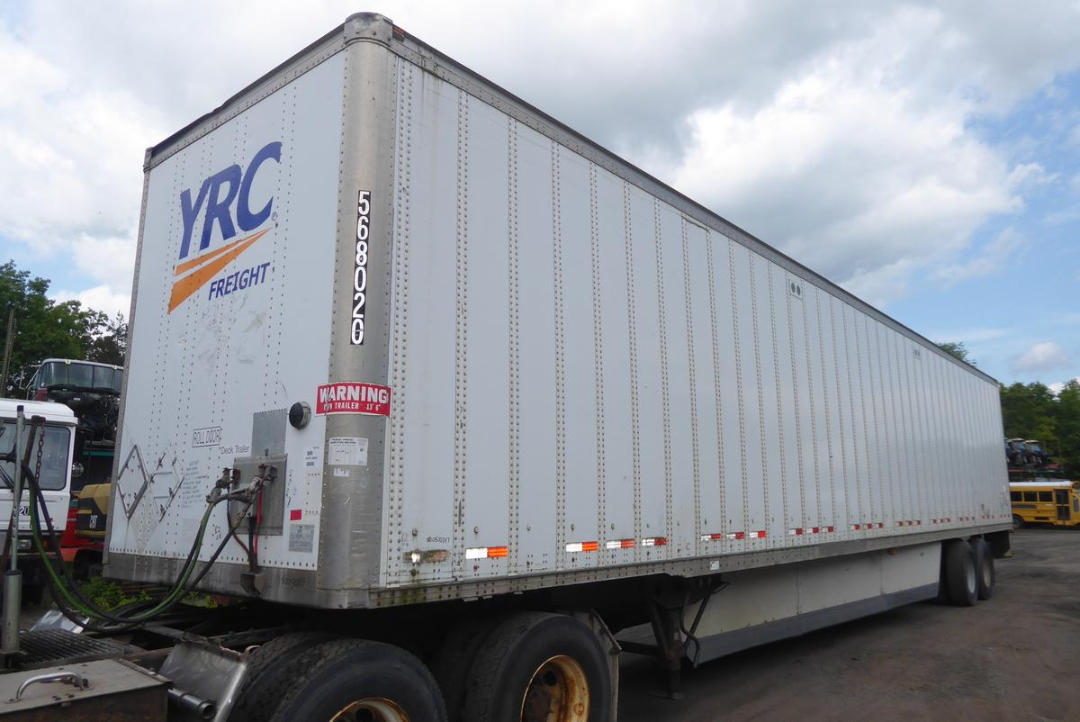
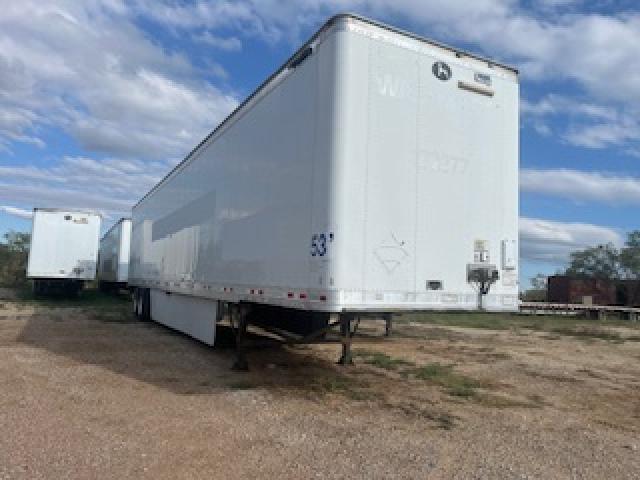
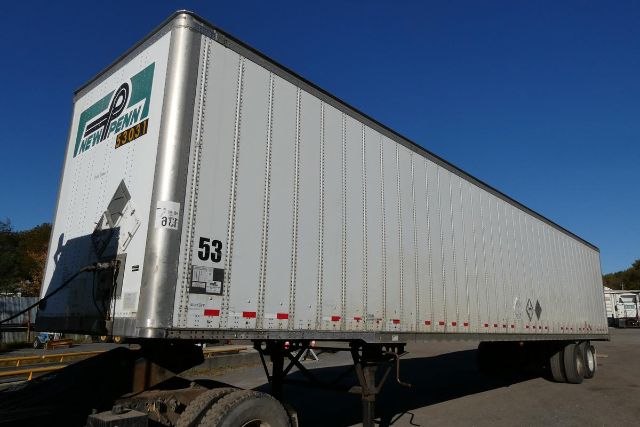
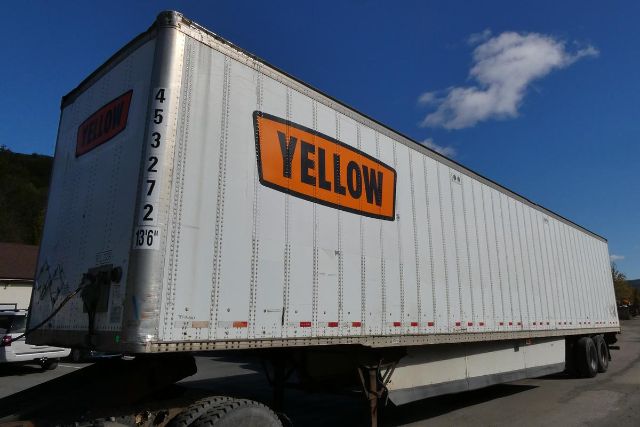
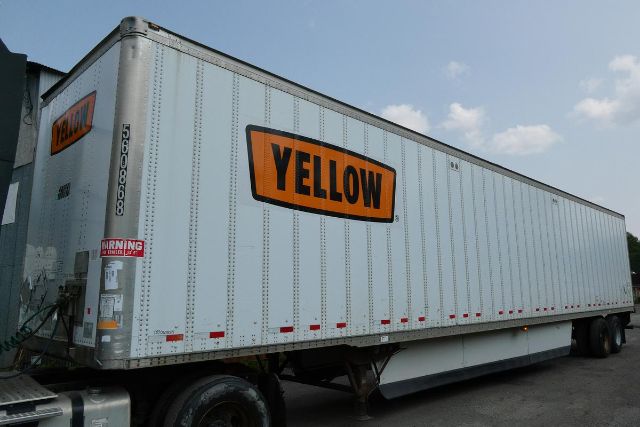
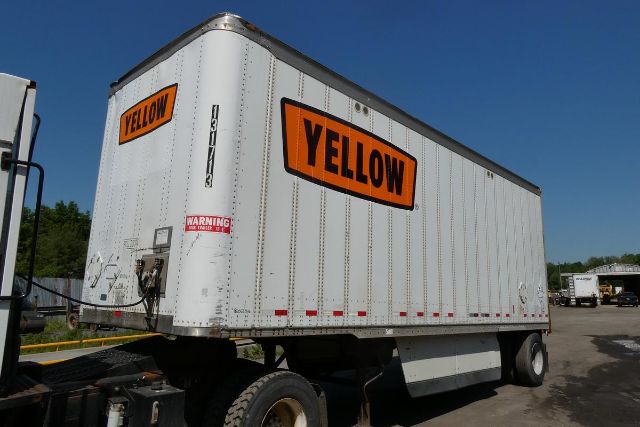
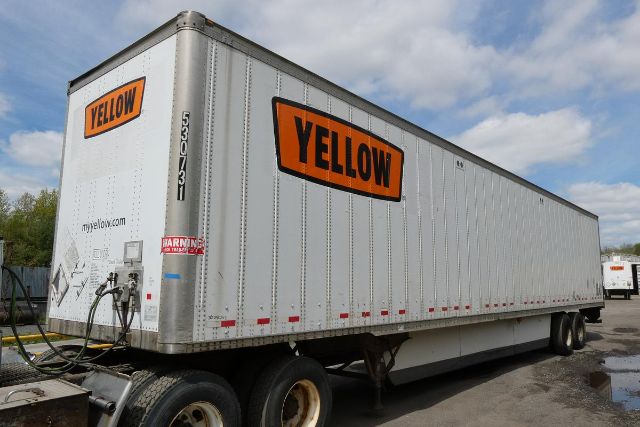
Showing 25 to 36 of 45 results
Have used 2008 van trailer to sell? List it here to reach thousands of buyers.
About Used 2008 Van Trailers
Pay close attention to suspension, tandem configuration, and floor condition. Many used van trailers from this era were built with slideable tandems, which matter for bridge law compliance, axle spread flexibility, and dock positioning. Suspension may be air ride or spring ride, and that choice affects cargo protection, maintenance profile, and resale appeal. Floor composition is another major checkpoint. Wood floors are common, but buyers should inspect for soft spots, patched sections, forklift gouging, and threshold wear at the rear. Interior wall lining, scuff liners, E-track, roof bows, and roof skin condition all tell you a lot about the trailer's service history.
Door configuration can change how a van trailer fits the job. Swing doors are common in over-the-road freight because they maximize rear opening and are simple to maintain. Roll-up doors are often preferred for multi-stop delivery, but they reduce rear opening height and add their own maintenance points. Other useful specs include inside height, loading width, tire size, wheel type, rear frame condition, and whether the unit has galvanized rear components, undertray systems, vents, or tire inflation systems. Buyers hauling heavier dry freight should also compare tare weight against GVWR and look closely at crossmember spacing, landing gear condition, and signs of frame or upper coupler repairs.
Used 2008 van trailers remain relevant because they can still fill regional, storage, dedicated lane, and backup fleet roles at a lower acquisition cost than late-model dry vans. They are also known as dry van trailers, enclosed van trailers, or simply van trailers in fleet use. The best value usually comes from matching the trailer's remaining life to the application. For long-haul highway freight, structural condition and running gear matter most. For warehouse storage or local shuttle use, door operation, floor integrity, water tightness, and dock compatibility may be the bigger priorities.
Frequently Asked Questions
What should I inspect first on a used 2008 van trailer?
Start with the floor, roof, rear frame, suspension, and tandem slide. These areas usually reveal how the trailer was used and maintained. Check for forklift damage in the floor, leaks or patched roof sections, corrosion around the rear sill and door frame, worn suspension components, and frozen or damaged slider mechanisms. A van trailer can look acceptable from the outside and still need expensive structural or running gear work.
Are 2008 van trailers usually 48-foot or 53-foot models?
Most buyers in this category will see both 48-foot and 53-foot dry van trailers, although 53-foot units are generally more common in modern freight operations. The right length depends on lane requirements, customer docks, cube needs, and state bridge regulations. A 48-foot trailer may still fit certain private fleet, regional, or dedicated applications well, while a 53-foot trailer usually offers better freight flexibility and broader market demand.
Is air ride better than spring suspension on a used van trailer?
Air ride is often preferred for protecting freight and improving ride quality, especially for consumer goods, packaged freight, and longer highway runs. Spring suspension is simpler and can be less expensive to maintain, but it generally delivers a harsher ride. On a used 2008 trailer, actual condition matters as much as suspension type. A neglected air ride system can become more expensive than a well-kept spring setup.
What cargo is a 2008 dry van trailer best suited for?
A used 2008 van trailer is best suited for dry, non-temperature-controlled freight such as palletized consumer goods, paper products, boxed food products, retail freight, and general warehouse shipments. It is a strong fit for shippers that need enclosed protection from weather and theft. It is not the right choice for freight that requires refrigeration, open-deck loading, or frequent side access.
How important are interior features like scuff liners, plywood lining, and E-track?
These features matter because they affect cargo securement, wall protection, and the trailer's usefulness across different freight types. Scuff liners and plywood lining help limit wall damage from pallets and forklifts. E-track adds flexibility for securing mixed or partial loads. On an older van trailer, these details can also indicate how much care the trailer received in service and how much reconditioning may be needed before it goes to work.