
Used 2004 Van Trailers For Sale in New York
Browse used 2004 van trailers in New York. Compare dry van specs, lengths, tandems, doors, floor condition, and road-ready features.
Learn more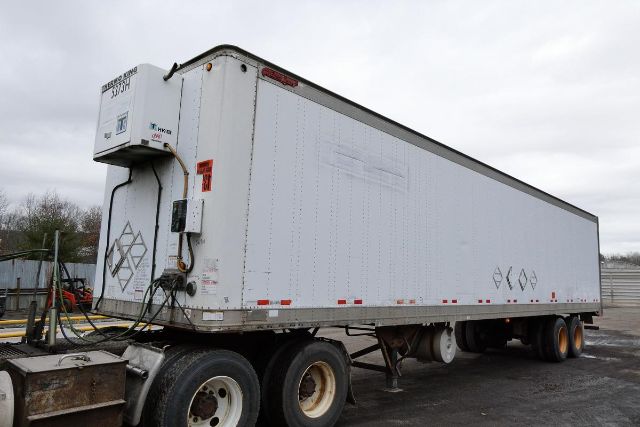
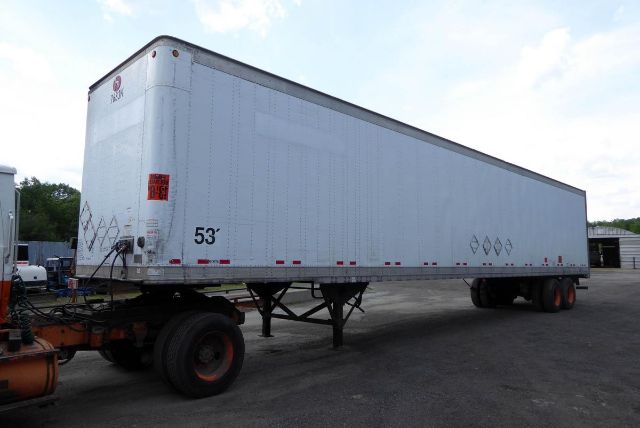
Showing 13 to 14 of 14 results
Have used 2004 van trailer to sell? List it here to reach thousands of buyers.
About Used 2004 Van Trailers in New York
Door style is a major buying decision on older vans. Roll-up doors help in tight dock areas and urban delivery work, but on a 2004 model the tracks, springs, and header condition need close inspection. Swing doors are simpler and often lighter, but they need adequate clearance behind the trailer. Floor construction in this category is typically wood over steel crossmembers, with aluminum or steel-aluminum combination bodies. Pay close attention to crossmember corrosion, floor soft spots from forklift traffic, rear frame wear, and rot or damage around the threshold plate. Roof condition also matters, especially on trailers with translucent roof panels that improve interior visibility but can show age-related cracking or leaks.
Typical GVWR for a dry van in this class is around 68,000 pounds, with empty weights varying by length, spec, and material mix. Tire size is commonly 11R22.5 or similar, mounted on steel hub-pilot wheels. Buyers should also verify door opening dimensions, interior height, logistic post spacing, scuff liner condition, and the status of any tire inflation system if equipped. In New York service, road salt and winter moisture make undercarriage condition a bigger factor than on comparable trailers from drier regions. Look closely at suspension hangers, brake components, slider rails, and the rear impact guard, and confirm the slider pins engage cleanly if the trailer has a movable tandem.
For fleet replacement or budget expansion, a 2004 van trailer can still make sense when the structure is sound and the trailer matches the intended freight. A trailer used for palletized dry goods has a different wear profile than one that spent years in heavy forklift service or dense LTL work. Buyers comparing listings should weigh length, suspension type, door configuration, floor rating, and corrosion level against the lane it will run. A lower-cost trailer can become expensive quickly if the floor, brakes, tires, or rear frame need immediate work, so condition and application fit matter more than brand name alone in this category.
Frequently Asked Questions
What should I inspect first on a used 2004 van trailer?
Start with the floor, crossmembers, tandem slider area, rear frame, and roof. On a 2004 dry van, structural condition is usually more important than paint or panel appearance. Check for soft floor sections, broken or heavily rusted crossmembers, cracked rear sill components, damaged door frames, and corrosion around suspension mounts. In New York, salt exposure makes underbody rust a priority item.
Are 2004 van trailers usually 48-foot or 53-foot models?
Both are common, though 53-foot vans are generally preferred for standard truckload freight because they maximize cubic capacity. A 48-foot trailer can still fit certain regional, warehouse, or dedicated lane applications, sometimes with a lower acquisition cost. The right length depends on dock space, freight density, state bridge rules, and the tractor-wheelbase combinations in your operation.
Is a roll-up door or swing door better on an older dry van trailer?
It depends on the work. Roll-up doors are useful for urban docks and frequent stops because they do not require rear clearance, but older roll-up systems can have worn tracks, damaged slats, and weak springs. Swing doors are mechanically simpler and often seal well when maintained, but they need room to open and can be less convenient in tight loading areas. Door condition matters more than door type on a trailer of this age.
Do slideable tandems matter on a used 2004 van trailer in New York?
Yes. Slideable tandems give more flexibility for bridge law compliance, axle weight distribution, and shipper requirements across different routes. They are common on over-the-road dry vans and especially useful if the trailer will leave local service and run interstate. Buyers should inspect slider rails, locking pin function, air lines, and signs of excessive wear or corrosion before purchase.
What empty weight and GVWR are typical for a 2004 dry van trailer?
Many 2004 van trailers in this class carry a GVWR around 68,000 pounds, with empty weight often falling in the 13,000 to 16,000 pound range depending on length, body composition, suspension, and door setup. Aluminum-bodied trailers tend to save weight versus heavier steel configurations, but actual tare weight should always be confirmed from the VIN plate or current scale ticket.