
Used 2004 Van Trailers For Sale
Shop used 2004 van trailers for freight hauling. Compare 48-foot and 53-foot dry vans, tandem setups, door types, floors, roofs, and specs.
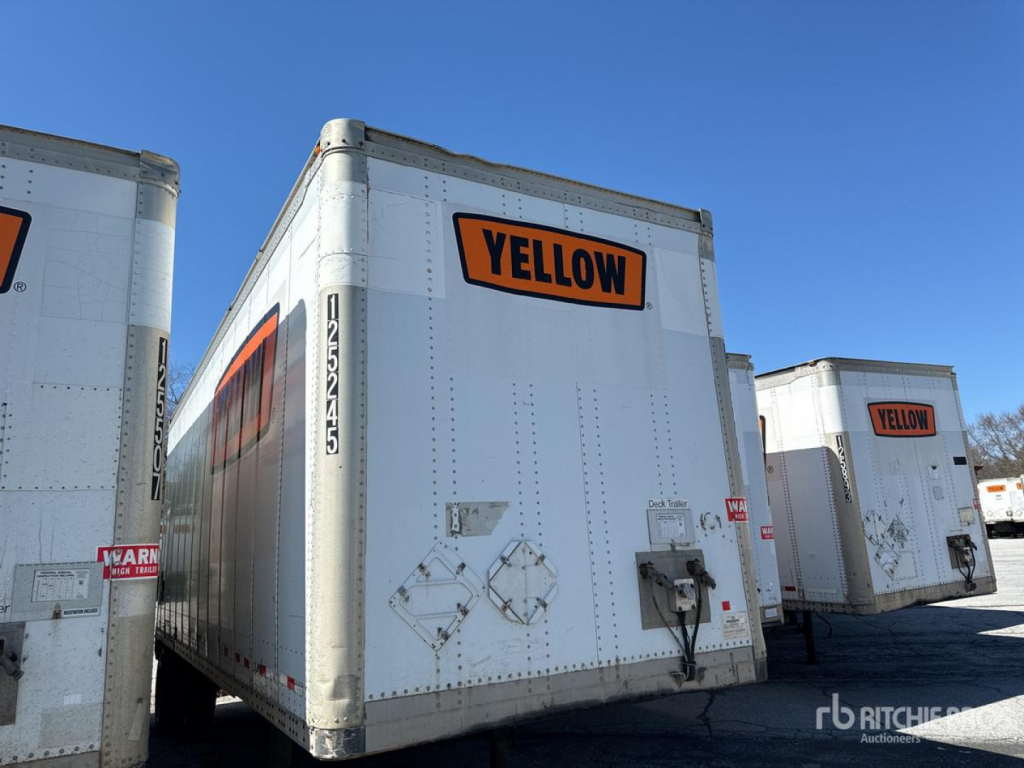
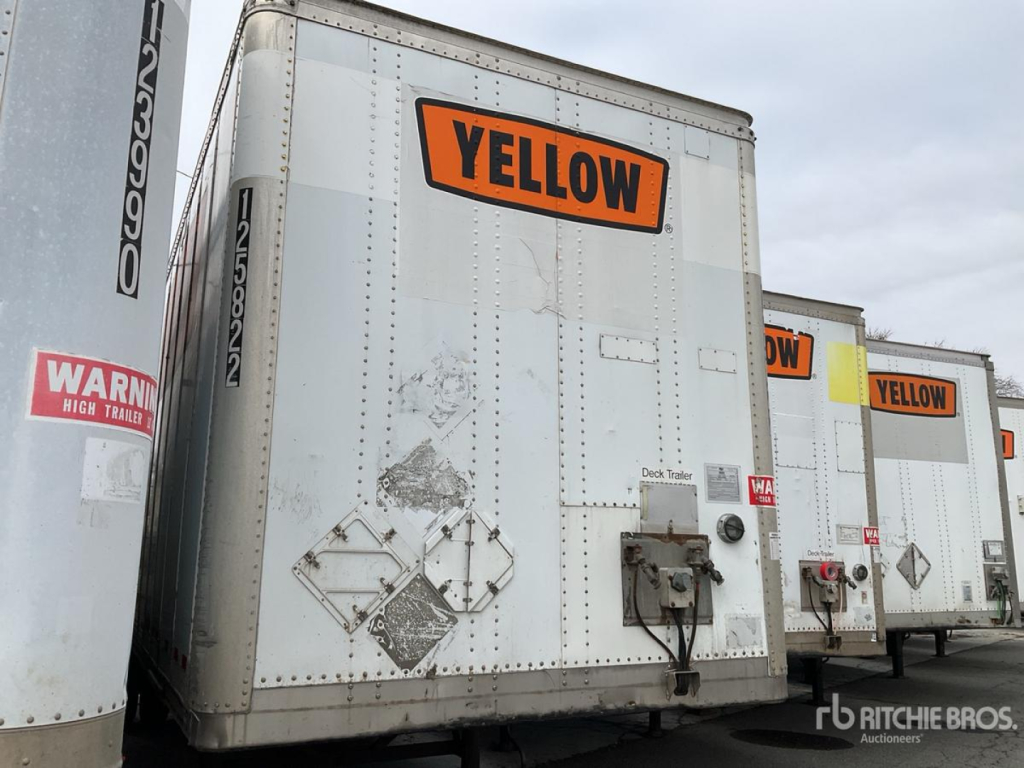
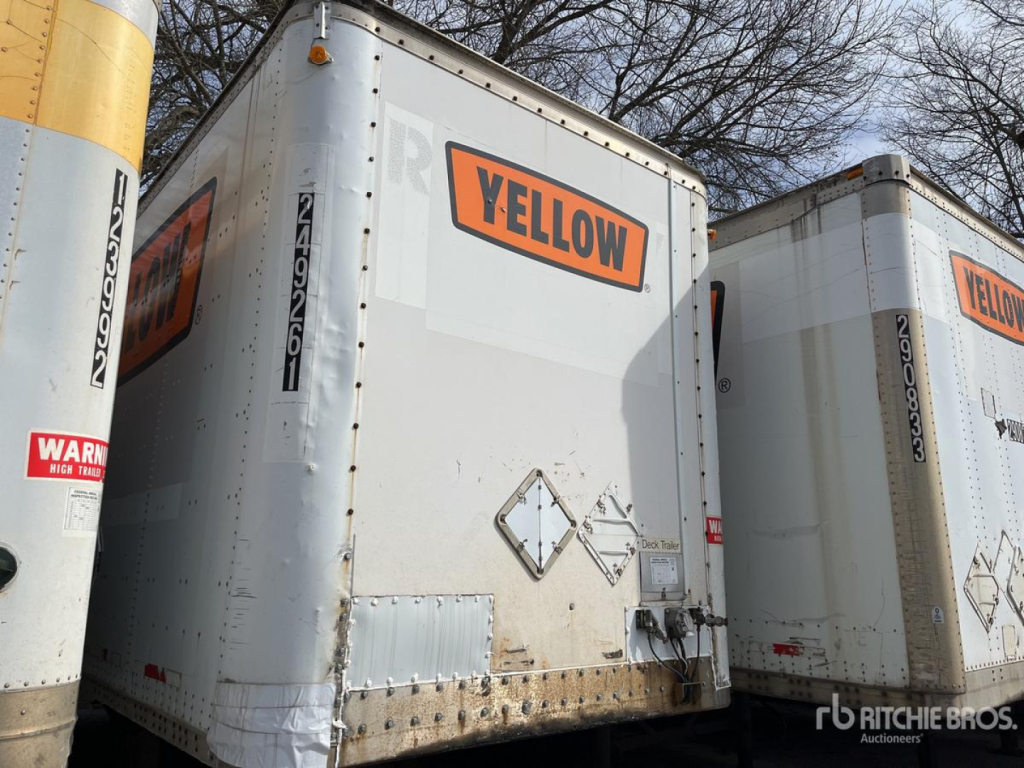
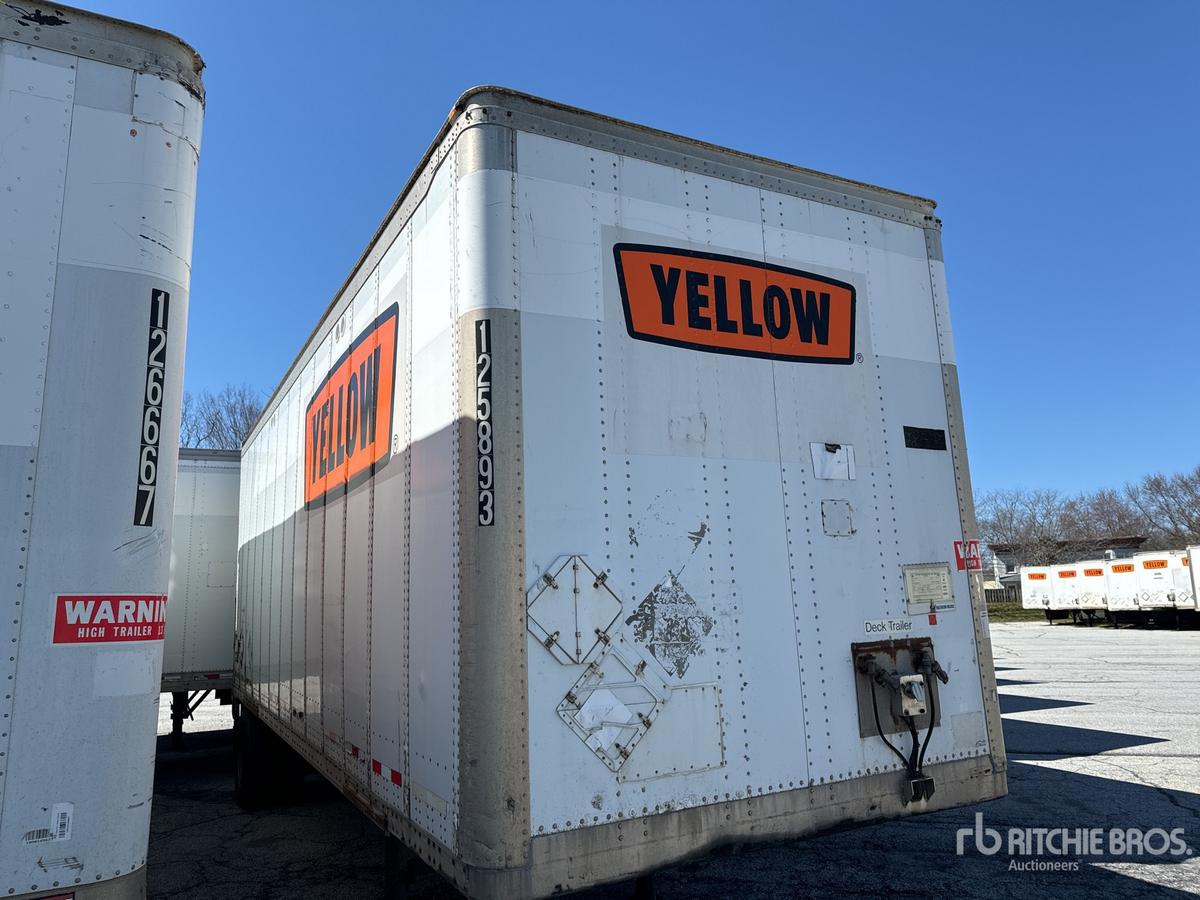
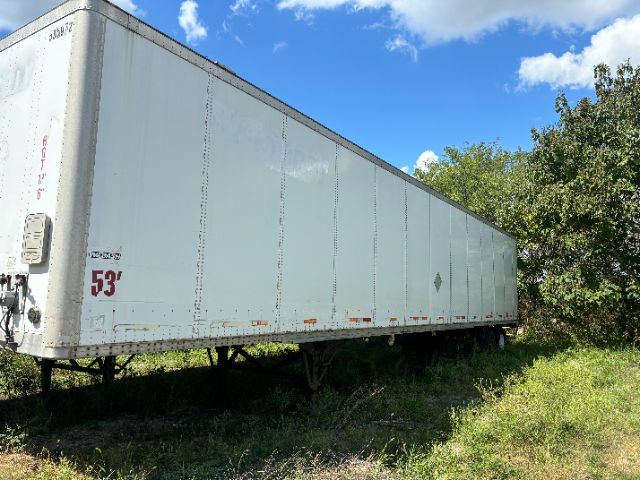
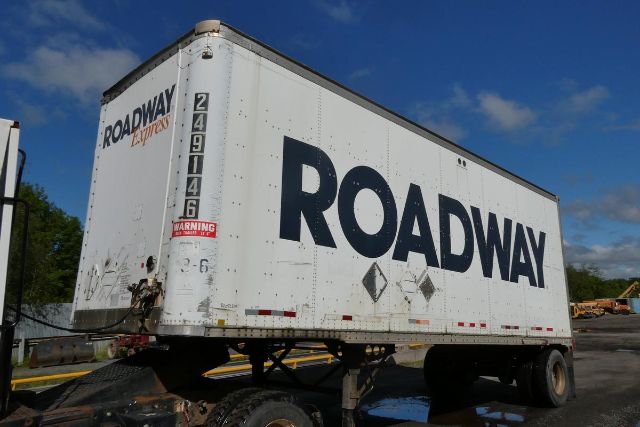
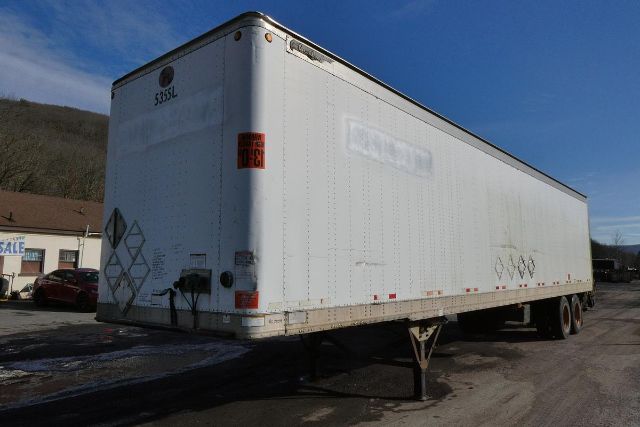
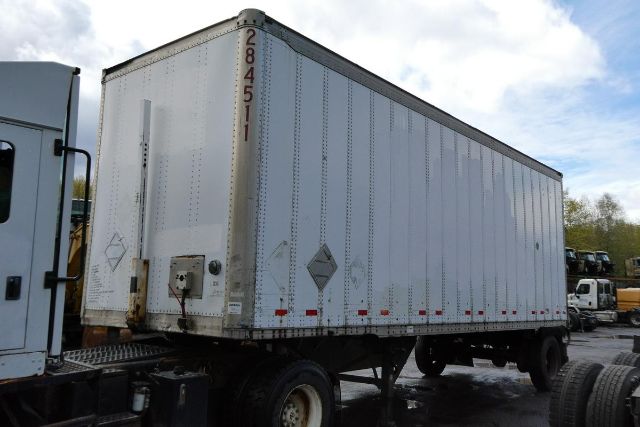
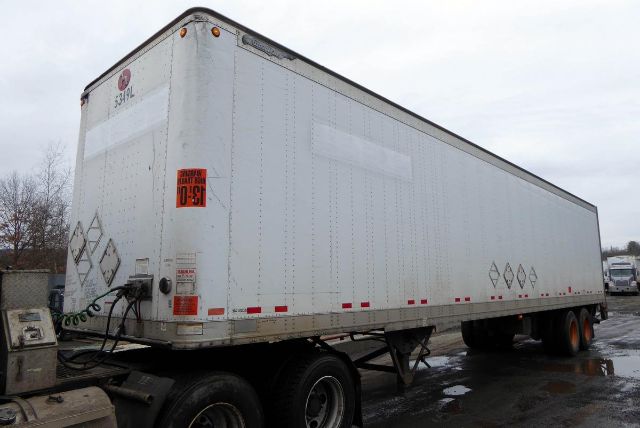

Have used 2004 van trailer to sell? List it here to reach thousands of buyers.
Used 2004 Van Trailers
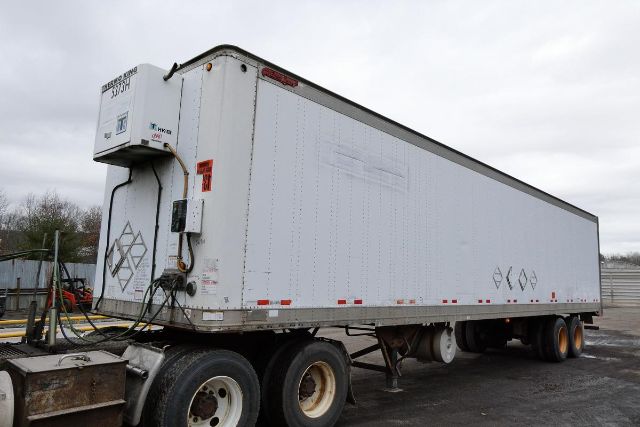
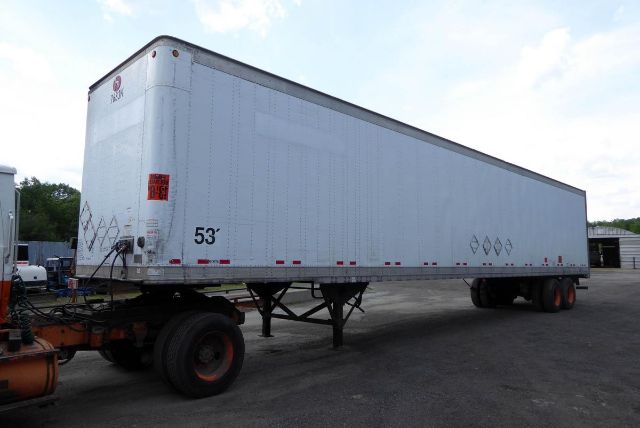
Construction matters on a 2004 dry van. Many trailers from this era use aluminum roofs and upper structures with steel subframes, crossmembers, and rear impact areas. Buyers should inspect the laminated wood floor for rot, soft spots, patchwork, or excessive forklift damage, especially near the nose, center track, and rear threshold. Sidewalls should be checked for delamination, rippling, punctures, and prior panel repairs. A translucent roof can improve daytime visibility inside the box, but any signs of leaks around seams, rivets, or front rail joints deserve attention. Rear frame condition is also critical because years of dock contact can lead to corrosion, cracking, or misalignment around the hinges and door surround.
Specs and operating features can vary more than many buyers expect. Some used 2004 van trailers have swing doors, while others carry roll-up doors that can help in tight dock environments but may reduce clear rear opening height. Suspension may be spring ride for lower acquisition cost or air ride for better cargo protection. Tandem axles may be fixed or slideable depending on bridge law and weight distribution needs. Logistics posts, scuff liners, duct floors, tire inflation systems, and aerodynamic side skirts may appear on trailers that were updated later in life, so it is worth reviewing each unit carefully instead of assuming all 2004 vans are basic spec trailers.
For buyers comparing older van trailers, the key question is application fit. A 2004 van can still make sense for short-haul freight, warehouse shuttles, storage use, export, or operations where trailer utilization matters more than appearance. It may be less suitable for premium freight lanes that demand newer fleets, stricter customer image standards, or low-maintenance trailer pools. Pay close attention to GVWR, empty weight, inside height, door opening dimensions, brake setup, tire size, and DOT compliance items. A sound older dry van can be a cost-effective trailer, but only if the frame, floor, running gear, and cargo box are still serviceable for the work you intend to do.
Frequently Asked Questions about Used 2004 Van Trailers
What should I inspect first on a used 2004 van trailer?
Start with the floor, roof, rear frame, and suspension. On a trailer of this age, the biggest cost drivers are usually structural, not cosmetic. Check the floor for forklift damage and soft spots, inspect the roof and front corners for leaks, look at the rear frame and door surround for dock impact damage, and confirm the axles, brakes, and suspension are serviceable. Tire condition, wheel-end maintenance, and lighting should also be reviewed before purchase.
Are most 2004 van trailers 48-foot or 53-foot models?
Both are common, but 53-foot dry vans are generally more desirable for standard over-the-road freight because they maximize cube and match modern fleet expectations. A 48-foot van can still be useful for regional work, dedicated lanes, or customers with space constraints. The right length depends on your freight, shipper requirements, and state bridge considerations.
Is spring ride or air ride better on an older dry van trailer?
Air ride is usually preferred when cargo protection matters, especially for retail, packaged goods, or freight that is sensitive to vibration. Spring ride is simpler and can be less expensive to buy and maintain, which may suit rough-service or lower-cost applications. On a 2004 trailer, condition matters more than type alone. A well-maintained spring ride setup is often a better buy than a neglected air ride system.
Can a used 2004 van trailer still be practical for commercial freight?
Yes, if the trailer is structurally sound and matched to the job. Many older dry vans remain useful in regional hauling, warehouse transfer, storage, and backup fleet roles. The main limitation is not the model year by itself, but the trailer's current condition, maintenance history, and how demanding the freight operation will be. Buyers running high-mileage lanes should be especially careful about deferred maintenance.
What features add value on an older van trailer?
Useful upgrades include logistics posts, scuff liners, good rear door hardware, air ride suspension, slideable tandems, LED lights, and tire inflation systems. A solid laminated wood floor, clean roof, and straight sidewalls usually matter more than appearance upgrades. On an older van, practical features that reduce maintenance or improve cargo handling often add more real value than cosmetic improvements.