
Used 2004 Wabash Van Trailers For Sale
Shop used 2004 Wabash van trailers. Compare dry van specs, DuraPlate construction, suspension, door style, floor condition, and tandem setup.
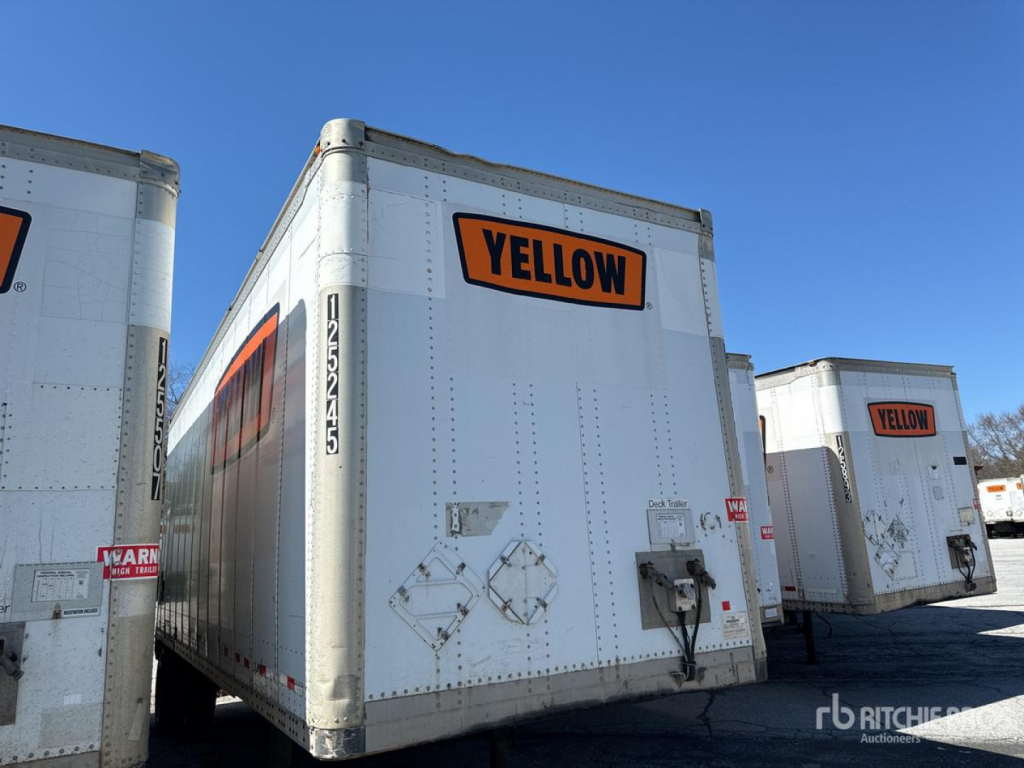
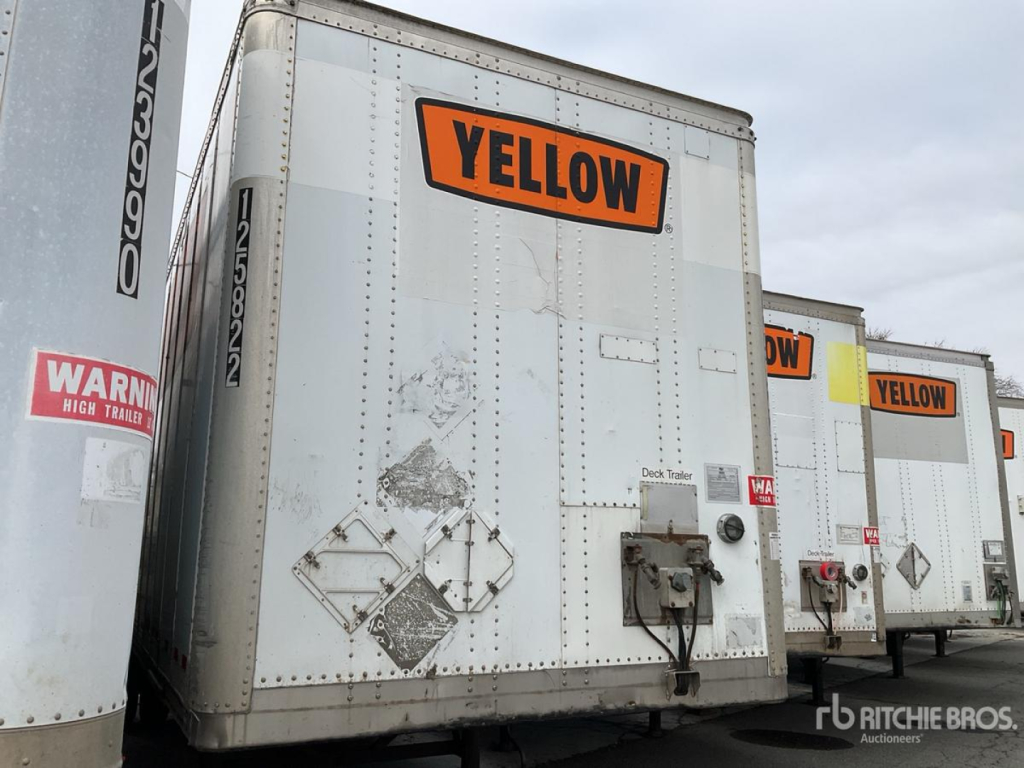
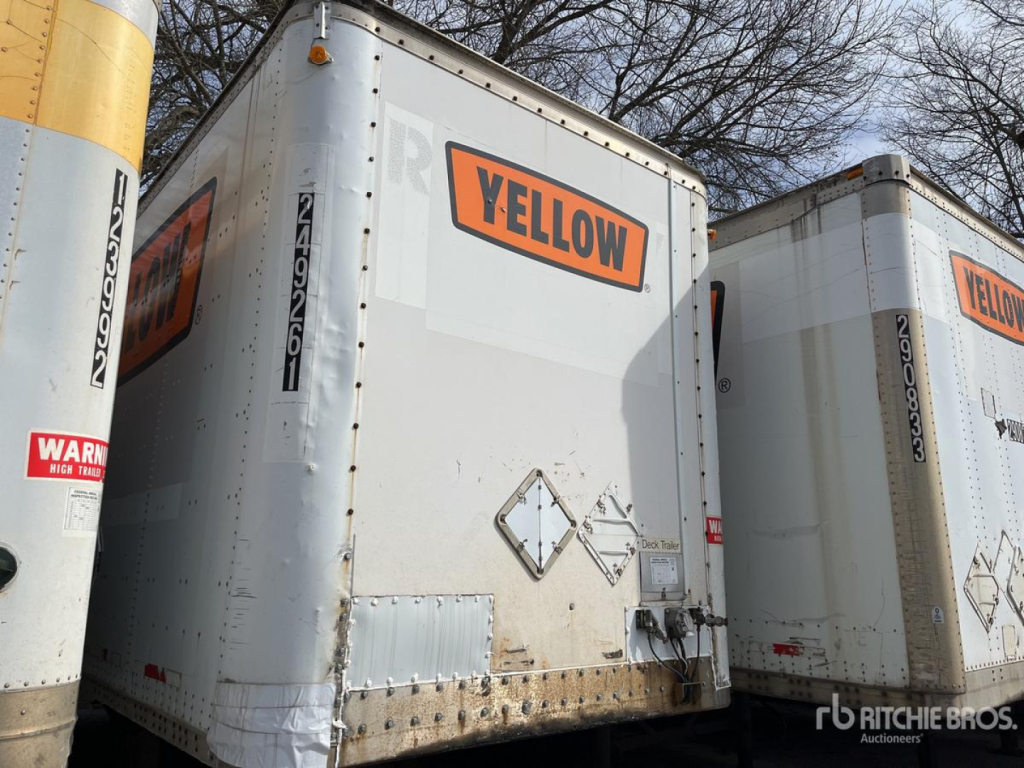
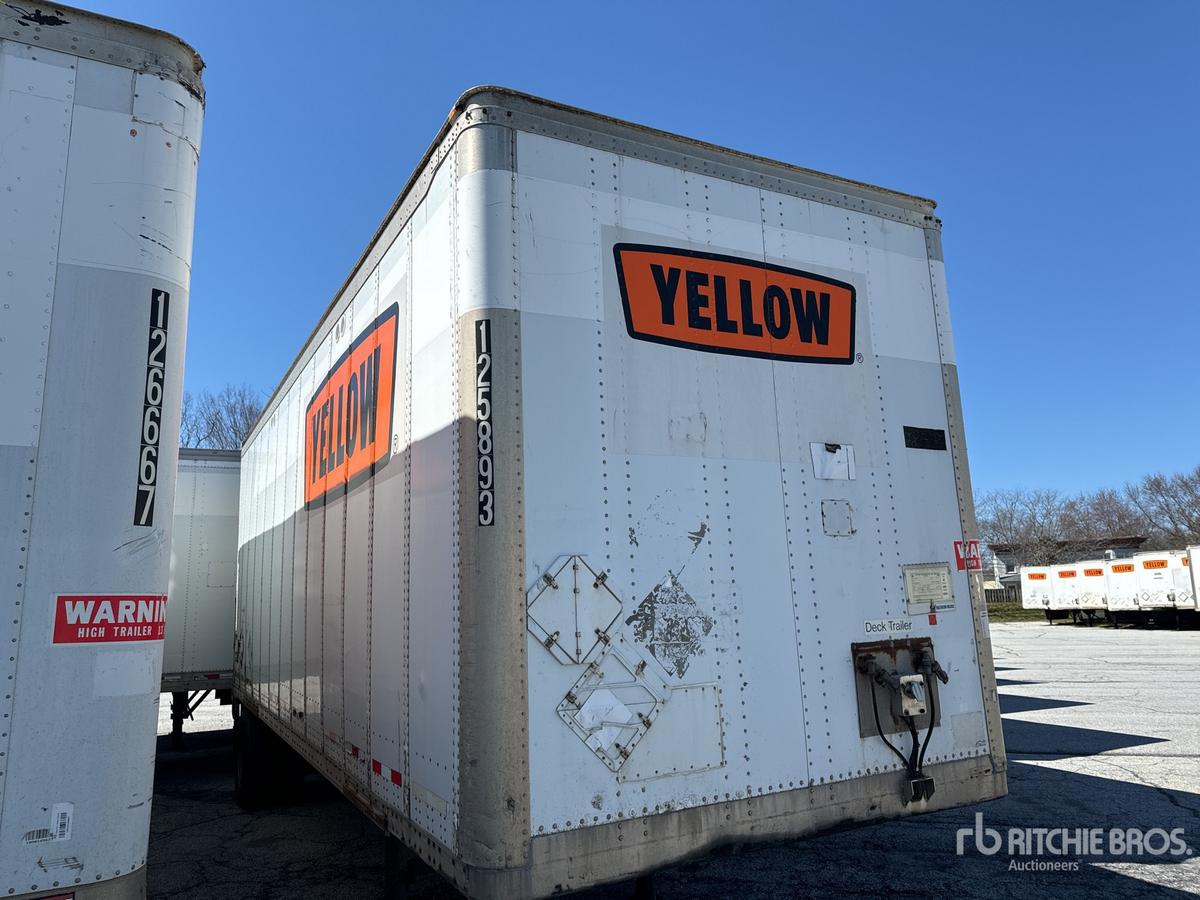
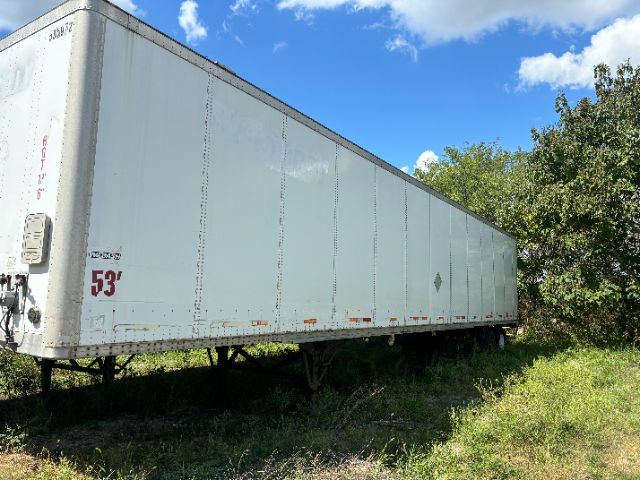
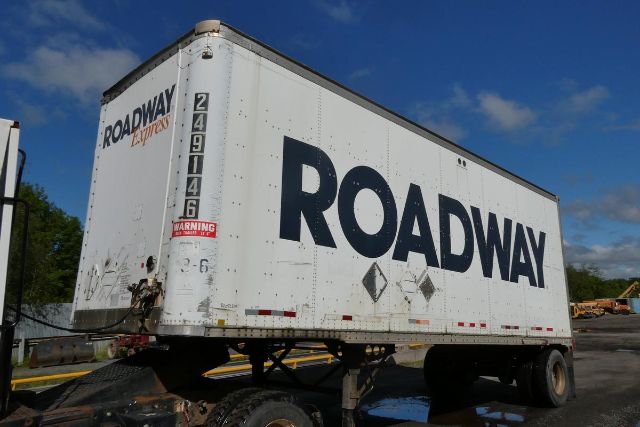
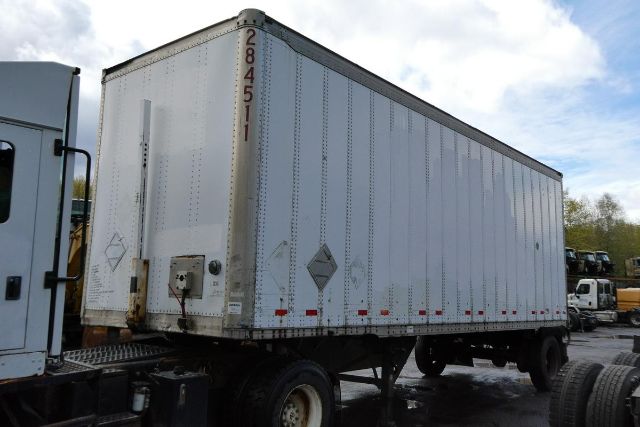

Have used 2004 wabash van trailer to sell? List it here to reach thousands of buyers.
Used 2004 Wabash Van Trailers
Most 2004 Wabash van trailers on the market will be 48-foot or 53-foot units, usually 102 inches wide and 13 feet 6 inches tall, with inside dimensions that fit standard palletized freight. Common specs include sliding tandems, spring ride or air ride suspension, swing doors or roll-up doors, and wood floors over steel crossmembers. For fleets running heavier cube freight, floor condition and crossmember spacing deserve close attention, especially near the nose, landing gear area, and rear threshold. Buyers should also inspect the rear frame, door hardware, hinge wear, roof bows, sidewall repairs, and signs of previous forklift damage. A translucent roof can improve daytime visibility inside the box, but leaks, patched panels, and loose rivet lines should be checked carefully on an older trailer.
A 2004 model year van trailer can still make economic sense for regional freight, warehouse shuttles, local delivery support, drop trailer programs, and seasonal surge capacity. The value equation often comes down to structural integrity and maintenance history. Tire size, wheel type, brake setup, ABS status, and axle alignment all affect operating cost after purchase. Sliding tandem operation matters if the trailer will run in states with bridge law sensitivity or if the buyer needs regular dock positioning flexibility. If the trailer has logistics posts, scuff liners, threshold plates, or interior lining, those features can add useful protection for multi-stop freight and higher-touch loading environments.
Wabash dry vans from this era are often chosen because replacement parts, door hardware, brake components, and suspension service are generally straightforward to source. The smartest comparison is not just price against price, but floor wear against intended freight, suspension against route quality, and door configuration against loading method. A roll-up door can be useful in tight docks and city work, while swing doors usually maximize rear opening clearance and keep repair complexity lower. For a buyer evaluating used 2004 Wabash van trailers for sale, the best unit is usually the one with the strongest rear frame, sound floor, dry roof, and the least evidence of hard dock and forklift abuse.
Frequently Asked Questions about Used 2004 Wabash Van Trailers
What should I inspect first on a used 2004 Wabash van trailer?
Start with the structural items that drive repair cost and service life. Check the floor for soft spots, delamination, excessive wear from forklift traffic, and damage near the rear threshold. Inspect the rear frame, door frame, crossmembers, landing gear mounts, roof seams, and sidewalls for cracks, buckling, corrosion, or poor repairs. Then review axle alignment, suspension condition, brake wear, tire condition, and ABS function. On an older dry van, structural soundness matters more than paint or panel appearance.
Are 2004 Wabash van trailers typically good for regional and warehouse shuttle work?
Yes. Many 2004 Wabash dry vans are still well suited for regional haul, drop-and-hook operations, warehouse transfers, and seasonal overflow freight if the trailer has been maintained properly. These applications usually place less emphasis on appearance and more emphasis on dependable doors, dry interior space, and a floor that can handle repeated pallet jack or forklift use. A well-kept older van trailer can remain productive in lower-mileage service even if it is no longer ideal for premium long-haul fleet use.
What is the difference between swing doors and roll-up doors on a van trailer?
Swing doors are common on over-the-road dry vans because they provide a full rear opening and usually have simpler hardware and lower long-term repair cost. Roll-up doors can be convenient for urban delivery, busy dock work, and locations where door swing clearance is limited. The tradeoff is that roll-up doors add moving parts, can reduce clear rear opening height, and may require more attention to tracks, springs, and seals as the trailer ages.
How important is suspension type on a used Wabash van trailer?
Suspension type has a direct effect on ride quality, cargo protection, maintenance cost, and resale preference. Spring ride is simple and durable, often favored for straightforward fleet maintenance. Air ride is generally better for ride-sensitive freight and can be more attractive to buyers handling consumer goods, packaged freight, or electronics. On a 2004 trailer, condition is more important than suspension type alone, so inspect bushings, hangers, air bags if equipped, and signs of uneven tire wear.
Do sliding tandems still matter on an older dry van?
Yes. Sliding tandems remain important for bridge law compliance, weight distribution, and dock positioning flexibility. A tandem slide that is seized, damaged, or difficult to lock can create daily operating problems and added shop expense. On a used 2004 van trailer, confirm that the slider moves correctly, locking pins engage fully, rails are not excessively worn, and the suspension alignment is still true after years of service.