
Used 2004 Great Dane Van Trailers For Sale in New York
Shop the 2004 Great Dane van trailer category with specs, body construction, tandem setup, and cargo features buyers compare most.
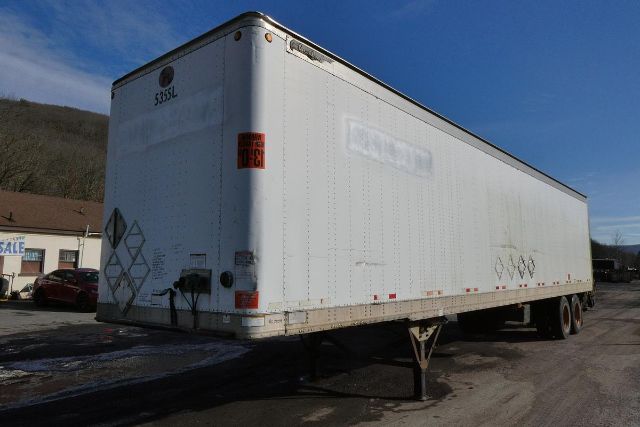
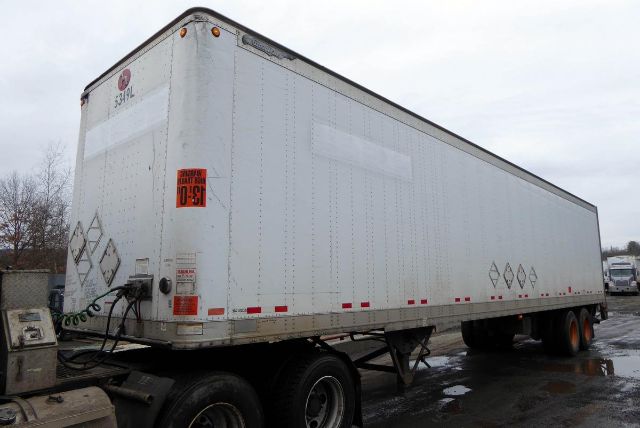
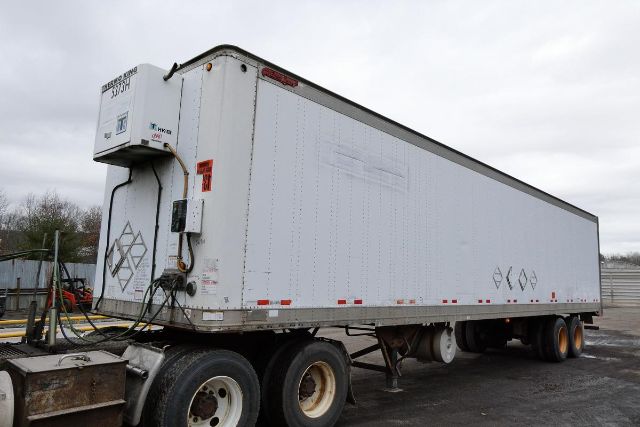
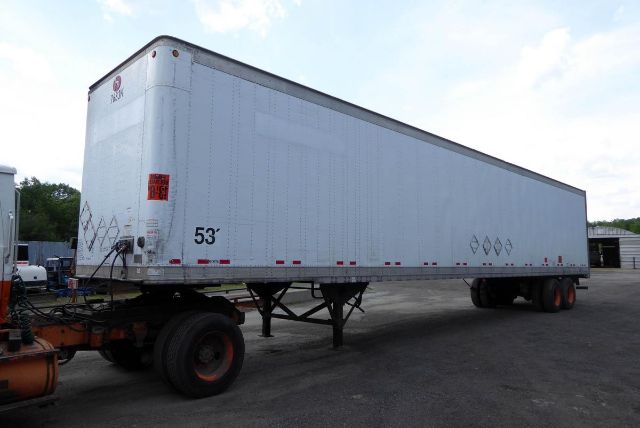

Have used 2004 great dane van trailer to sell? List it here to reach thousands of buyers.
Used 2004 Great Dane Van Trailers in New York
In New York and the broader Northeast, trailer condition matters as much as base specification. A 2004 van trailer should be checked closely for crossmember corrosion, floor rot around high-traffic forklift lanes, rear sill and door frame damage, roof bow issues, and lower rail repairs from dock contact. Great Dane trailers are widely used in regional freight, warehouse distribution, retail loads, and general dry goods, so many used examples have seen heavy dock cycles. Slideable tandems are especially important for bridge law compliance and axle weight management in dense freight lanes, and buyers should confirm the slider locks engage cleanly and the rail is not excessively worn. Spring ride is common on older vans, though ride quality, bushing wear, and alignment should be evaluated if the trailer will stay in high-mileage service.
Cargo access and cube are also major buying points in this category. Roll-up doors are common because they save swing clearance at crowded docks and city stops, but door tracks, cables, and seals should be inspected for smooth operation and water intrusion. Interior load dimensions on Great Dane vans of this vintage often support standard palletized freight, but floor rating and wall condition matter if the trailer will handle beverage, paper, packaging, or concentrated forklift traffic. Features such as translucent or aluminum roofs, stainless rear surrounds, side windows on specialized bodies, and tire inflation systems can add value depending on the application. Buyers running mixed regional and short line work often prefer a van trailer that can take repeated dock abuse without becoming a constant maintenance project.
Great Dane remains a recognized name in dry van trailers because parts support, body repair familiarity, and resale market acceptance are generally strong. For a used 2004 model, the best value usually comes from matching the trailer's actual condition and specification to the freight profile. A lighter aluminum-bodied van may suit long-haul dry freight where payload matters, while a heavier mixed-material trailer can make sense for rougher regional service if the structure is sound. The most important checkpoints are floor integrity, roof watertightness, tandem function, brake condition, tire wear pattern, and evidence of prior structural repair around the nose, side rails, and rear frame.
Frequently Asked Questions about Used 2004 Great Dane Van Trailers in New York
What are the most common specs on a 2004 Great Dane van trailer?
Most 2004 Great Dane dry van trailers in this category are configured at 53 feet or 48 feet long, 102 inches wide, and up to 13 feet 6 inches tall. Common specifications include slideable closed tandem axles, spring suspension, 22.5-inch tires, wood-over-steel floors, roll-up rear doors, and a GVWR around 68,000 pounds. Construction is often aluminum or aluminum with steel in higher-stress areas such as the understructure or rear frame.
What should I inspect first on a used 2004 Great Dane dry van?
Start with the floor, roof, rear frame, and tandem slider. Floor soft spots, patched sections, and forklift damage can be expensive to correct. Roof leaks, damaged bows, and poor sealant repairs can lead to chronic cargo and structural issues. At the rear, inspect the sill, door frame, hinges, tracks, and header for impact damage and corrosion. On the running gear, check slider function, suspension wear, brake condition, tire wear patterns, and signs of alignment problems.
Is a spring ride 2004 Great Dane van trailer still a good choice for regional freight?
Yes, if the trailer is structurally sound and the suspension is in good condition. Spring ride trailers are common in older dry van fleets and are generally straightforward to maintain. For regional freight, dock-to-dock distribution, and general dry goods, they can still be a cost-effective option. The main consideration is ride-related wear, including bushings, equalizers, hanger condition, and how the suspension has affected cargo stability over time.
Why do slideable tandems matter on a dry van trailer in New York?
Slideable tandems help the operator manage axle weights and adapt to state bridge laws, which is especially useful in New York and throughout the Northeast. They also improve flexibility when loading dense freight by allowing weight to be distributed more effectively between the drives and trailer axles. A buyer should verify that the slider pins engage properly, the rail is not badly worn, and the adjustment system moves without binding.
Are older Great Dane van trailers easy to repair and keep in service?
In many cases, yes. Great Dane is a widely recognized trailer manufacturer, and many fleets, trailer shops, and body repair facilities are familiar with the construction and common replacement parts used on these dry vans. That does not eliminate the need for a careful inspection, but it does help from a serviceability and resale standpoint. The overall cost to keep one in service depends heavily on prior repairs, corrosion exposure, and the remaining life of the floor, brakes, tires, and rear structure.