
New Van Trailers For Sale in Colorado
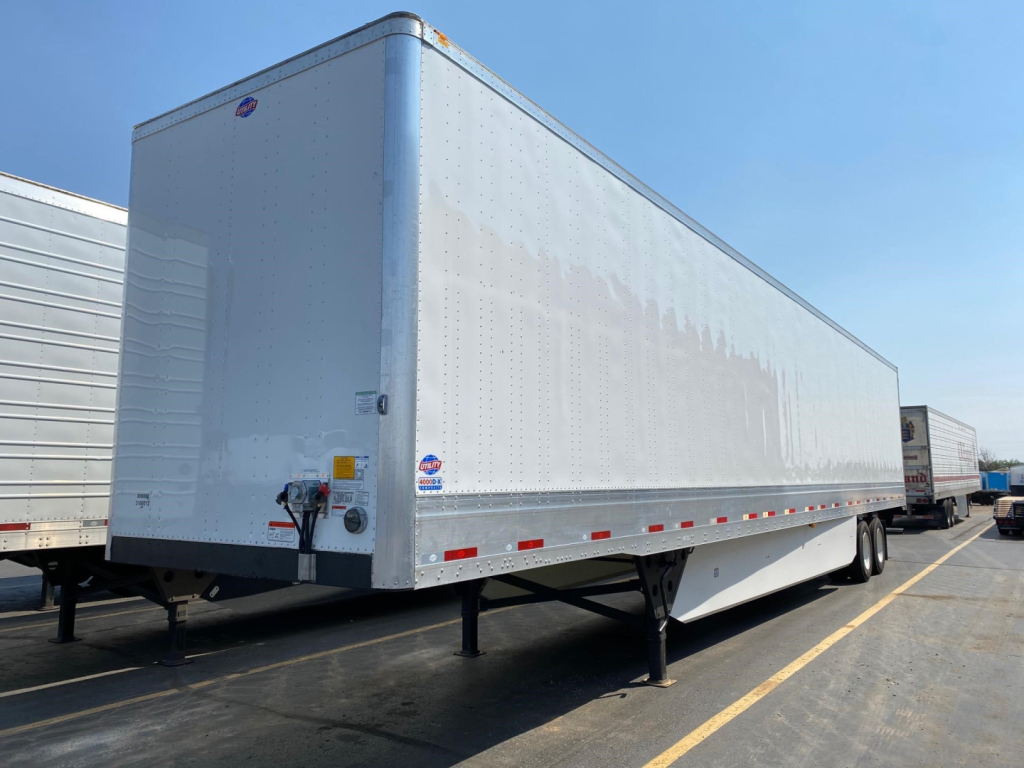
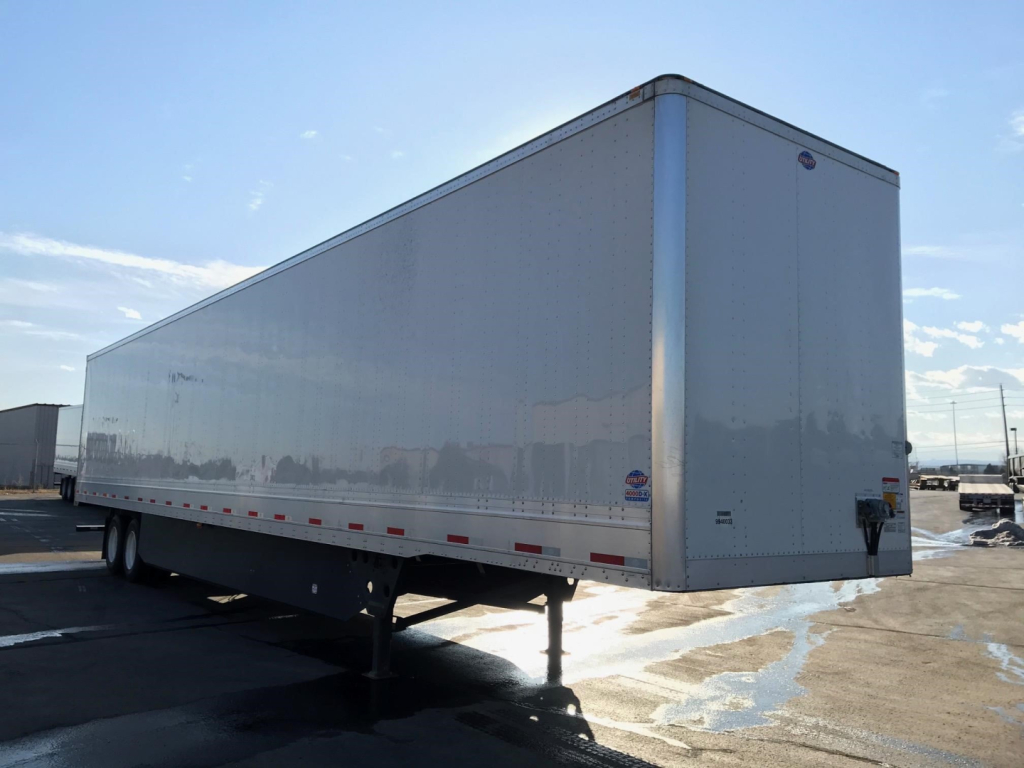
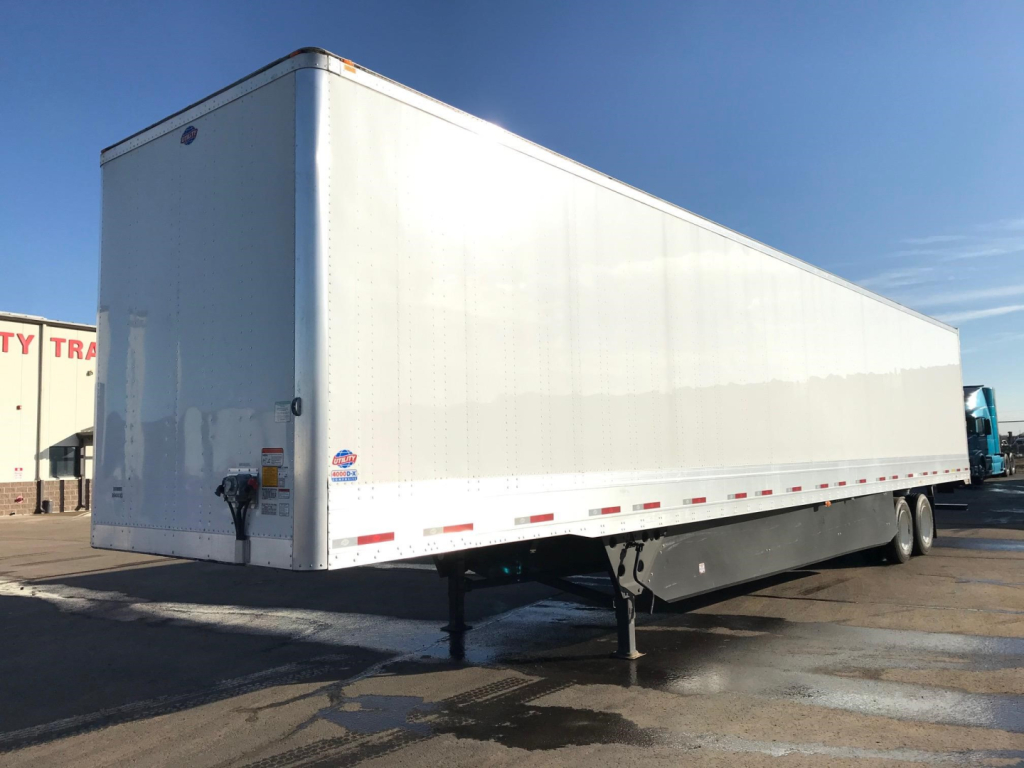
New van trailers for sale in Colorado. Compare 53' dry vans with air ride, side skirts, swing doors, logistics posts, and durable floors.
Have new van trailer to sell? List it here to reach thousands of buyers.
New Van Trailers in Colorado
A buyer should start with body construction and floor spec. Smooth aluminum side panels, aluminum roofs, and reinforced front corners help keep weight controlled while standing up to linehaul use. Composite wall panels, scuff liners, wearbands, and logistics posts spaced on tight centers matter if freight is frequently secured with straps or load bars. Flooring is a major wear item on any van trailer, so hardwood floor construction, fastener count per board, and threshold reinforcement deserve close attention if the trailer will see forklifts, dense pallet freight, or heavy dock traffic.
Suspension and wheel-end choices affect both maintenance cost and trailer utilization. Air ride is common on new dry vans because it improves ride quality for sensitive freight and is widely accepted in contract freight applications. Sliding tandems with air-operated pins make bridge law and axle adjustment easier, while tire inflation systems can reduce irregular wear and roadside service events. Aerodynamic side skirts are now common on new van trailers because they improve fuel economy in highway service, and LED lighting, anti-dock-walk systems, dock bumpers, and heavy-duty rear threshold plates all add value in high-frequency loading environments.
Colorado buyers should also think about route profile and loading environment before choosing a spec. Mountain grades, winter weather, and mixed urban-to-interstate duty can justify durable low-profile tire packages, dependable brake and ABS components, and corrosion-conscious materials. If the trailer will live at warehouses with frequent live loading, rear door hardware, lock rod durability, and interior protection features become more important than simply chasing the lightest empty weight. A well-spec'd new van trailer should match the freight, the dock conditions, and the legal axle requirements of the lanes it will run.
Frequently Asked Questions about New Van Trailers in Colorado
What is the most common size for a new van trailer?
The most common new dry van trailer is 53 feet long and 102 inches wide. That size has become the standard for general freight because it offers strong cubic capacity, works with most modern docks, and fits typical over-the-road and regional applications. Buyers may also look at interior height, tandem spread, and kingpin setting because those details affect legal bridge compliance, loading efficiency, and freight cube.
What floor and wall features matter most on a dry van trailer?
Floor durability and interior wall protection are two of the most important specification areas on a van trailer. Hardwood floors with strong fastener patterns hold up better under repeated forklift traffic and concentrated pallet weight. Composite wall panels, scuff liners, wearbands, and closely spaced logistics posts improve trailer life and make cargo securement easier. These details can have a direct impact on repair costs and on how well the trailer performs in dedicated freight service.
Is air ride suspension worth it on a new van trailer?
Air ride is a common and worthwhile choice for many dry van applications because it provides better ride quality than mechanical suspension and can help protect sensitive or high-value freight. It is especially useful in linehaul service, contract freight, and lanes where shippers expect smoother handling. Air ride can also support resale appeal, although buyers should still compare suspension brand, slider design, and maintenance access when evaluating different trailers.
Do side skirts and tire inflation systems make a real difference?
Yes, both features can provide measurable operational value. Side skirts improve trailer aerodynamics and can support fuel savings in sustained highway use. Automatic tire inflation systems help maintain proper tire pressure, which can reduce irregular tire wear, improve casing life, and lower the risk of roadside tire failures. For fleets running long miles, those options often justify their added cost through lower operating expense and better uptime.
What should a Colorado buyer pay attention to when choosing a new van trailer?
A Colorado buyer should pay close attention to durability, braking confidence, and year-round operating conditions. Mountain grades, winter weather, and mixed route profiles place extra importance on dependable suspension, brake system performance, lighting, and structural protection at the rear and along the lower sidewall. If the trailer will be used in frequent dock service, heavy-duty threshold plates, anti-dock-walk systems, dock bumpers, and strong rear door hardware are smart specifications to prioritize.