
Used Great Dane Van Trailers For Sale in New York
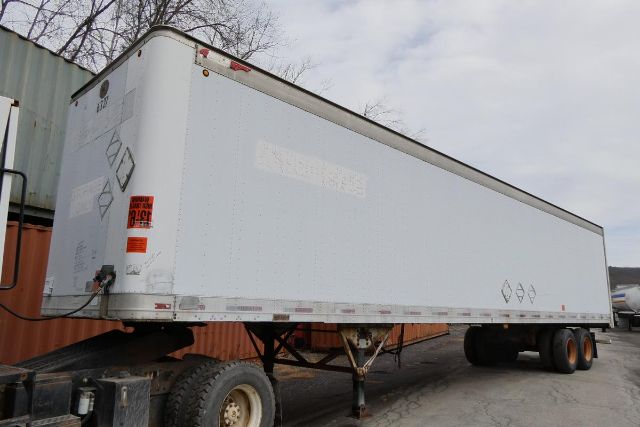
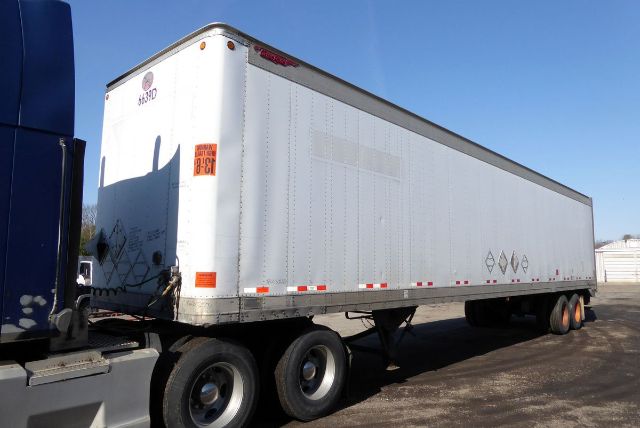
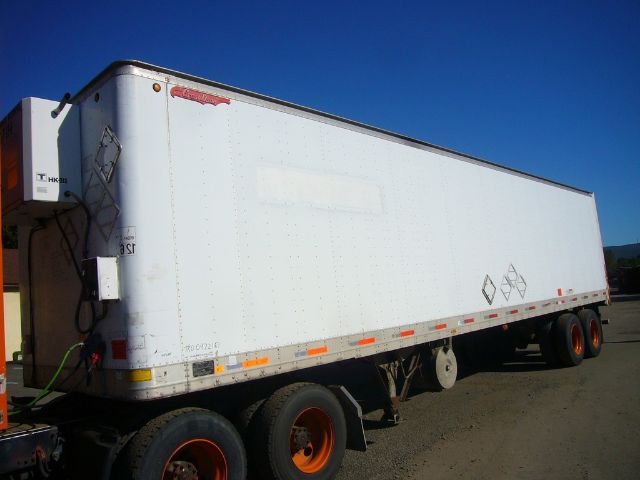
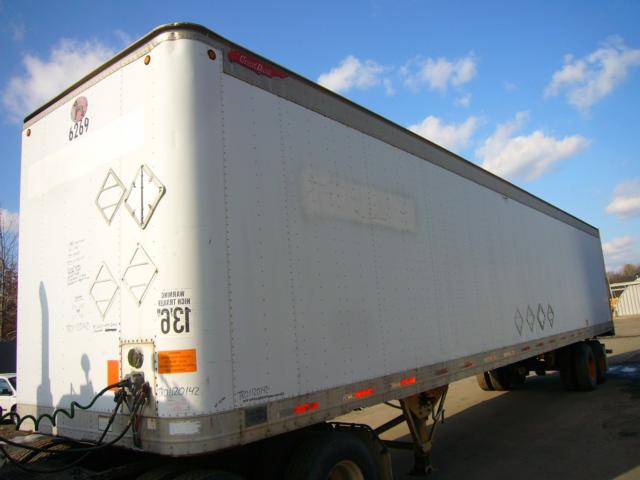

Showing 73 to 81 of 81 results
Have used great dane van trailer to sell? List it here to reach thousands of buyers.
Used Great Dane Van Trailers in New York
The first buying decision is usually configuration. A fixed single axle 28-foot Great Dane is often suited for city delivery, doubles service, and tighter urban work where maneuverability matters. A 40-foot or 45-foot tandem axle van is more common for regional freight, warehouse transfers, and higher cube dry goods. Slideable tandems matter if bridge law compliance, dock positioning, or weight distribution flexibility is part of the operation. Suspension type also affects how the trailer works in service. Air ride setups are common on later vans and help with ride quality for palletized freight, while spring suspension can still make sense on older, lower-cost units where simplicity is the priority.
Body and cargo area details deserve close attention on a used Great Dane van trailer. Many units in this class have aluminum exterior construction with wood or wood-over-steel floors, aluminum roofs, and either roll-up or swing rear doors. Roll-up doors are often preferred for route delivery and tight docks because they do not need door swing clearance, but buyers should inspect cable condition, track wear, and panel damage. Swing doors are simpler and can seal well if the frame is straight. Floor condition is a major value point on any used van. Check for forklift wear, patched boards, soft spots, threshold damage, and crossmember corrosion. Interior logistics equipment such as E-track, scuff liners, or small side windows can add utility depending on the freight mix.
On older used units, the extras can be just as important as the shell. Some Great Dane van trailers are equipped with hydraulic liftgates, tire inflation systems, or heater packages for temperature-sensitive but non-refrigerated cargo. Those features can add value, but they also need to be evaluated as service items, especially on trailers that have seen years of regional use. Buyers in New York and the Northeast should pay particular attention to frame corrosion, rear sill condition, suspension hangers, brake components, and roof or front wall leak history due to weather exposure and road treatment. Also confirm door opening dimensions, interior load height, empty weight, and GVWR against the freight you plan to move. A lighter trailer can improve payload, but overall condition, axle placement, brake health, and floor life usually matter more than spec sheet numbers alone on a used van.
Frequently Asked Questions about Used Great Dane Van Trailers in New York
What should I inspect first on a used Great Dane van trailer?
Start with the floor, roof, rear frame, suspension, and brakes. On a used dry van, floor integrity often tells you how hard the trailer has been worked. Look for forklift damage, soft spots, patched wood, worn thresholds, and crossmember issues underneath. Then inspect the roof and front wall for leaks or previous repairs, followed by the rear sill, door frame, hinges or roll-up hardware, and the tandem slide if equipped. In Northeast service, corrosion around suspension mounts, brake hardware, and the rear structure is especially important to evaluate.
Are slideable tandem Great Dane van trailers better than fixed axle models?
They are better for some applications, not all. A slideable tandem gives you flexibility for bridge law compliance, weight distribution, and dock positioning, which is useful in regional and highway freight. A fixed axle trailer has fewer moving parts and can be a simpler option for dedicated operations. The right choice depends on where the trailer runs, how often the load changes, and whether axle positioning affects legality or operational efficiency in your lanes.
What lengths are common for used Great Dane van trailers?
Common lengths include 28-foot pups, 40-foot vans, and 45-foot trailers, with many older regional units falling into the 40-foot and 45-foot range. A 28-foot van is often used in city routes, terminal work, or doubles service. A 40-foot or 45-foot van typically offers more cargo cube for dock freight and warehouse transfers while remaining a practical option for regional operations. The best length depends on route density, dock space, and the type of freight being loaded.
Do liftgates and heater packages add value on a used van trailer?
They can, but only if they work properly and match the operation. A hydraulic liftgate is valuable for delivery environments without dock access, but it adds weight, maintenance, and repair exposure. A heater package can help protect certain cargo in cold weather, but buyers should verify operating condition, hours, and parts support. On a used trailer, non-functioning accessories should be valued carefully because repair costs can quickly offset the benefit of having the feature installed.
Is an older aluminum Great Dane van trailer still a practical buy?
Yes, if the structure is sound and the trailer matches the job. Older aluminum van trailers can still provide years of useful service in storage, local delivery, seasonal freight, and regional hauling. The key is to judge condition over age. A straight body, solid floor, healthy brakes and suspension, serviceable doors, and limited corrosion are more important than model year alone. Buyers should focus on repair history, current structural condition, and how much reconditioning the trailer will need before it goes to work.