
2016 Van Trailers For Sale in Georgia
Shop 2016 van trailers for sale in Georgia. Compare 53-foot dry vans with air ride, sliding tandems, logistics posts, and swing doors.
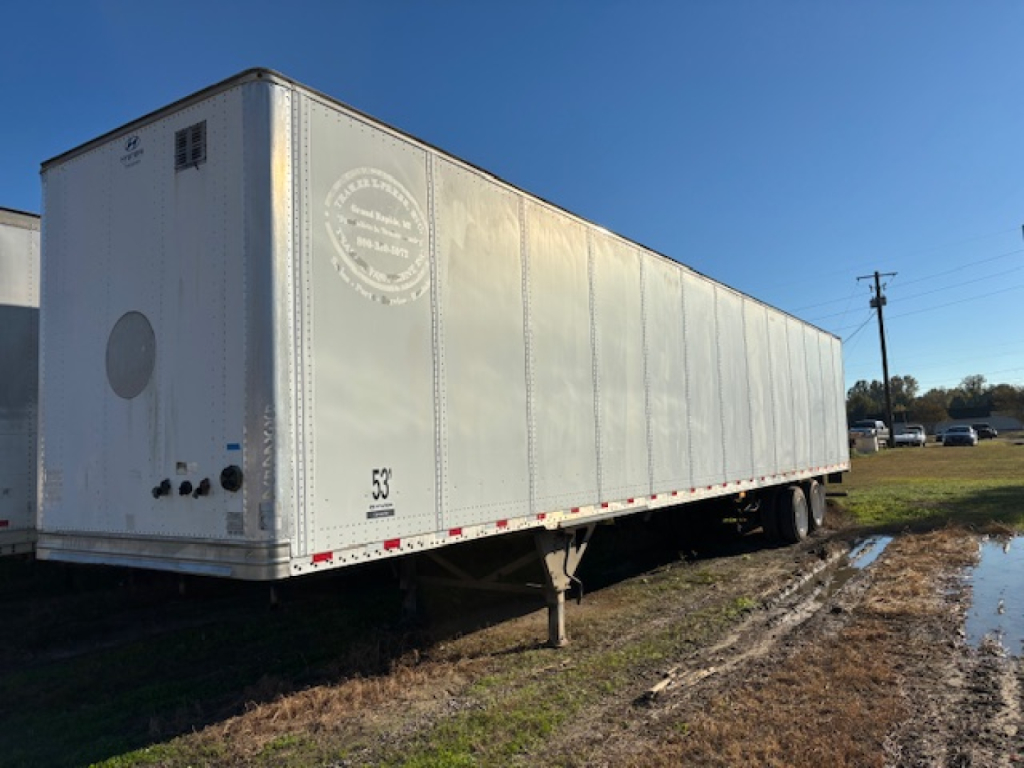

Have 2016 van trailer to sell? List it here to reach thousands of buyers.
2016 Van Trailers in Georgia
The core specs on many 2016 van trailers are familiar: 53 feet long, 102 inches wide, and 13 feet 6 inches overall height. Common configurations include swing doors, air ride suspension, sliding tandems, and 22.5 low-profile tires. Inside, many trailers in this class are equipped with logistics posts, wood floors, threshold plates, and aluminum or steel scuff liners. Buyers should pay close attention to inside height, especially if cube matters for lightweight freight. A 110-inch inside height can make a difference for shippers trying to maximize pallet count or accommodate taller stacked product. Kingpin setting, tandem slide range, and wheel spec also matter if the trailer will rotate through multiple tractors or customer facilities with bridge and dock constraints.
Construction type is one of the biggest buying decisions in this segment. Plate vans and composite-panel designs such as DuraPlate are both common in the 2016 market. Plate vans are straightforward and widely accepted in general freight service, while composite sidewall designs are often favored for durability, lighter tare weight, and resistance to sidewall damage from daily loading cycles. Look closely at roof condition, front wall integrity, door frame alignment, crossmember corrosion, suspension wear, and signs of floor delamination near the rear. In Georgia service, humidity, heavy traffic, and frequent dock turns can accelerate wear around door hardware, rear sills, and the lower sidewall area.
Spec details can also affect operating cost and resale. Side skirts can improve fuel economy in fleet use, while tire inflation systems help reduce irregular wear and roadside downtime. Disc or aluminum wheels may lower weight and simplify service compared with older drum-brake setups, depending on the axle specification. For buyers hauling paper, beverages, palletized consumer goods, or mixed LTL-style dry freight, the best 2016 van trailer is usually the one with a clean maintenance history, solid rear structure, intact logistics system, and a floor rating that matches the real work. A well-kept 2016 dry van can still be a productive trailer for regional or over-the-road service if the structural basics are right.
Frequently Asked Questions about 2016 Van Trailers in Georgia
What are the most common specs on a 2016 van trailer?
Many 2016 van trailers are standard 53-foot dry vans built to 102-inch width and 13-foot 6-inch overall height. Common equipment includes swing doors, air ride suspension, sliding tandems, wood floors, logistics posts, scuff liners, and 22.5 low-profile tires. Some units also have side skirts, tire inflation systems, stainless rear frames, or higher inside height around 110 inches. These details matter because they affect payload, cube, dock compatibility, and maintenance cost.
Is a 2016 dry van trailer still a good choice for fleet or owner-operator use?
A 2016 dry van can still be a very practical trailer if the structure and running gear have been maintained properly. This age range often offers a good balance between purchase price and useful life, especially for general freight, retail distribution, and regional lanes. The key is not the model year by itself but the condition of the floor, roof, rear frame, suspension, brakes, tires, and sidewalls. A trailer with sound maintenance records and minimal structural damage can remain productive for years.
What should I inspect first on a used 2016 van trailer?
Start with the floor, rear doors, rear frame, roof, and suspension. The floor needs to handle forklift traffic without soft spots, patchwork failure, or major wear at the threshold. Check door seals, hinges, and frame alignment because rear impact damage is common on dry vans. Then inspect crossmembers, tandem slide operation, brake condition, tire wear pattern, and any corrosion underneath. Inside the trailer, review the logistics track, scuff liner condition, and wall integrity for signs of repeated cargo damage.
What is the advantage of a DuraPlate or composite-style van compared with a plate van?
Composite-style vans such as DuraPlate models are often chosen for lighter tare weight and strong resistance to sidewall abuse in high-cycle freight service. Plate vans are also widely used and can be a durable, straightforward option for many fleets. The better choice depends on your freight mix, repair preferences, and how hard the trailer will be worked at docks. Buyers should compare actual condition, repair history, and weight rather than assuming one construction style is automatically better.
Do side skirts and tire inflation systems matter on a 2016 van trailer?
Yes, both features can matter if the trailer will see regular highway miles. Side skirts may improve aerodynamic performance and help lower fuel consumption in fleet applications. Tire inflation systems can extend tire life, reduce blowout risk, and improve uptime by maintaining more consistent pressure across the axle set. On an older trailer, these options are most valuable when they are complete, undamaged, and easy to maintain.