
2013 Van Trailers For Sale in Pennsylvania
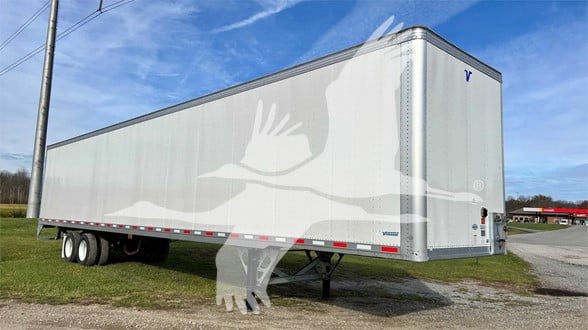
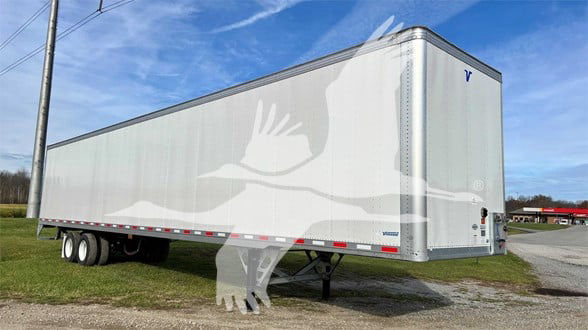
Shop 2013 van trailers for sale in Pennsylvania. Compare 53-foot dry vans, swing doors, air-ride suspensions, and sliding tandem specs.
Learn more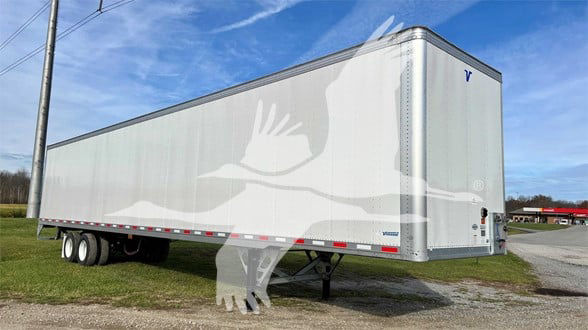
Showing 25 to 27 of 27 results
Have 2013 van trailer to sell? List it here to reach thousands of buyers.
About 2013 Van Trailers in Pennsylvania
The core buying decision is condition and configuration, not just age. A 2013 van trailer should be evaluated around suspension type, floor life, rear frame condition, roof integrity, and the amount of logistic-ready interior equipment. Air-ride suspension is common and still preferred for ride quality and freight protection, especially on mixed LTL, retail, packaged goods, and palletized dry freight. Sliding tandems remain important for operational flexibility, and kingpin settings, landing gear condition, crossmember spacing, and brake and tire life all affect real operating cost. Interior details such as scuff liners, wall lining, logistics posts, and the condition of the oak floor tell you a lot about prior use and how much life is left in the trailer.
For Pennsylvania operations, corrosion exposure deserves extra attention. Road salt, wet winters, and heavy Northeast dock traffic can accelerate wear on rear sills, ICC bumpers, door hardware, threshold plates, and tandem rails. Buyers should inspect for cracked crossmembers, soft or patched floors, leaking roof seams, worn swing door hinges, and signs of impact around the rear frame and nose. A well-maintained 2013 van can still be a dependable dock-to-dock trailer, port dray support unit, or regional linehaul trailer, but structural condition matters more than cosmetic appearance. Tire wear patterns and slider operation can also reveal alignment or suspension issues that are expensive to ignore.
This equipment class is also commonly called a dry van trailer, enclosed van trailer, or box trailer in everyday fleet language, though dry van is the standard industry term. The most common applications include general freight, consumer goods, paper products, food packaging, and other non-temperature-controlled freight. Buyers comparing 2013 vans should focus on empty weight, cubic capacity, door opening height, floor rating, and how the trailer is spec'd for their lanes and customers. A basic 2013 dry van with sound structure and legal-running gear can still perform well in fleet service, especially where trailer utilization is high and absolute trailer age is less important than maintenance history and spec match.
Frequently Asked Questions
What should I inspect first on a 2013 van trailer?
Start with the structural and wear components that drive repair cost. Check the floor for rot, delamination, patches, and fastener pull-through, then inspect crossmembers, tandem rails, landing gear mounts, rear frame, and roof seams. Door hardware, threshold condition, suspension wear, brake lining, tire age, and wheel-end condition should follow. On a 2013 trailer, these items usually tell more about remaining value than paint or panel appearance.
Is a 2013 dry van trailer still a good fleet purchase?
Yes, if the trailer has been maintained and the spec fits the job. A 2013 dry van can still serve well in regional freight, warehouse shuttle work, and general palletized freight where durability and uptime matter more than having the newest trailer in the yard. The key is to confirm that the trailer is structurally sound, legally compliant, and not close to needing major floor, suspension, or rear frame work.
What is the difference between a plate van and a sheet-and-post van?
A plate van uses larger side panels with fewer visible posts, which often helps reduce tare weight and can improve appearance. A sheet-and-post van uses more frequent vertical posts behind the side skin, which many buyers like for repair practicality and sidewall support in tough loading environments. Neither is automatically better for every operation, so the right choice depends on freight type, loading patterns, and maintenance philosophy.
Why does a sliding tandem matter on a van trailer in Pennsylvania?
A sliding tandem gives the driver and fleet more flexibility in axle placement for bridge compliance, weight distribution, and maneuvering at crowded docks. In Pennsylvania and across the Northeast, that flexibility can help with varying customer facilities and route requirements. Buyers should make sure the slider pins engage correctly, the rails are not excessively worn, and the suspension tracks straight under load.
What freight is a 2013 van trailer best suited for?
This category is best suited for non-refrigerated, enclosed freight that needs weather protection and secure dock loading. Common examples include boxed consumer goods, paper products, industrial supplies, packaged building materials, and palletized retail freight. If the trailer has logistics posts, scuff liners, and a solid floor, it can also be a good fit for higher-touch freight that requires load securement inside the van.