
2013 Vanguard Van Trailers For Sale in Pennsylvania
Browse 2013 Vanguard van trailers for sale in Pennsylvania. Compare 53-foot dry van specs, air-ride setups, sliding tandems, and cargo features.
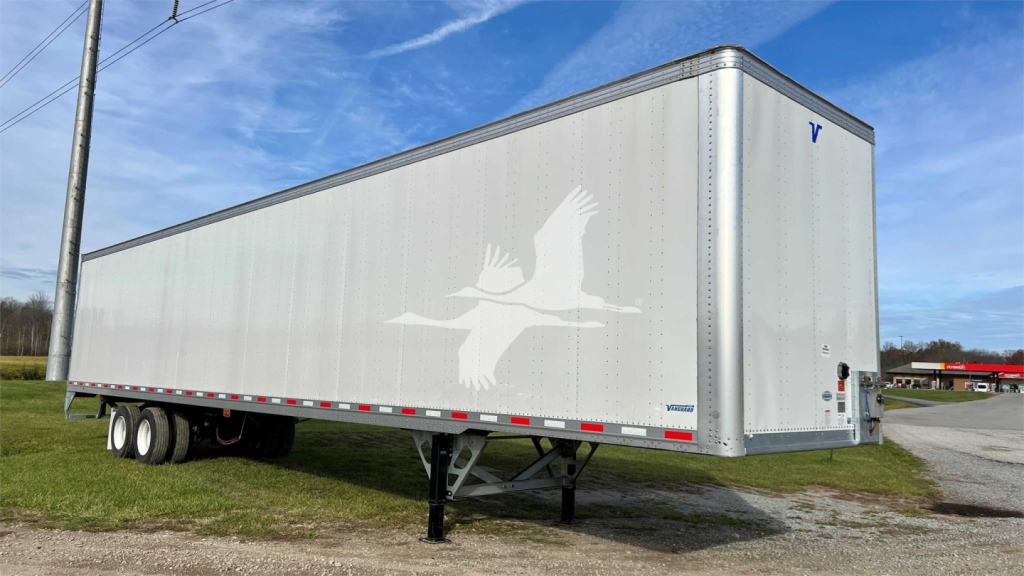
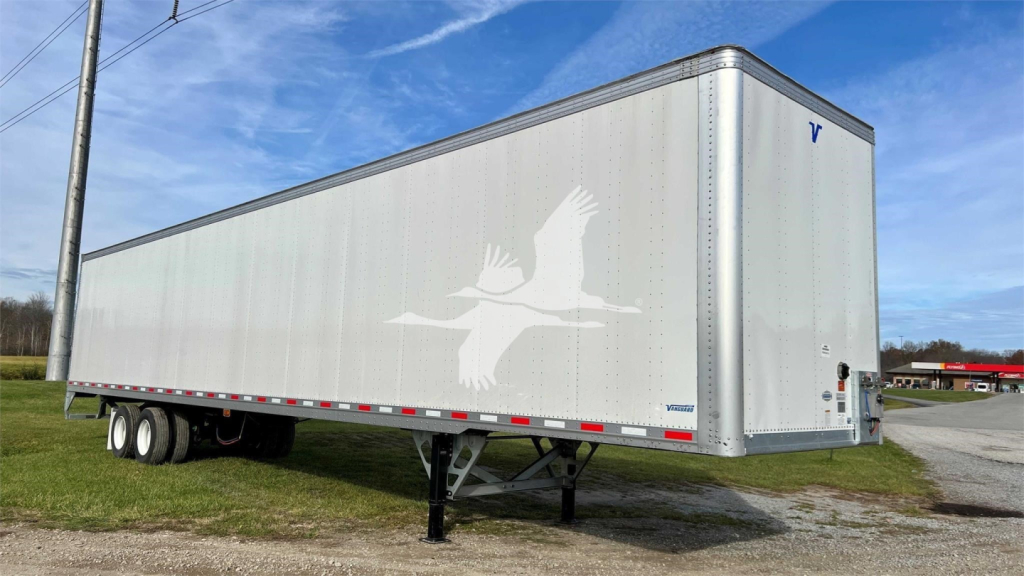
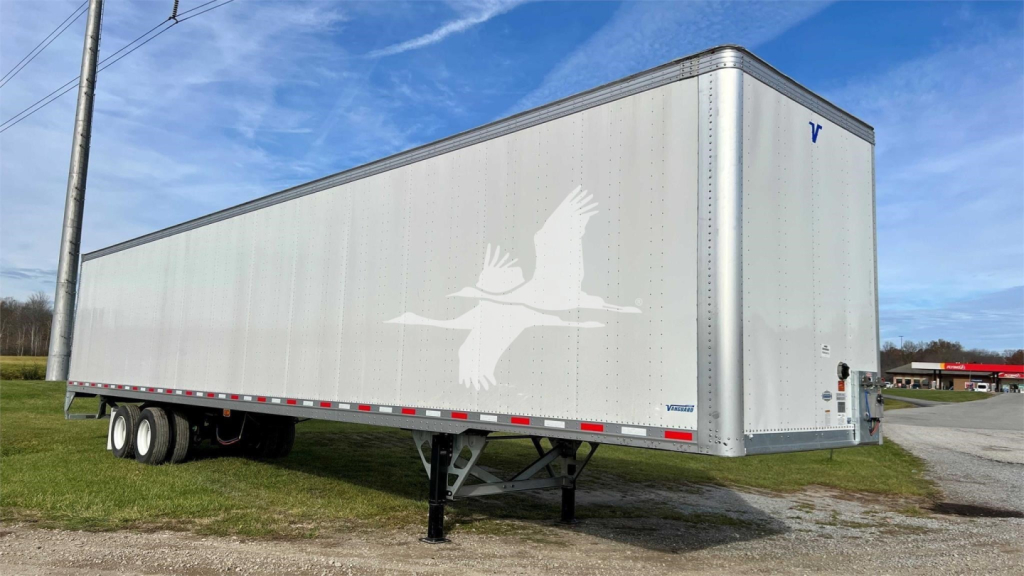
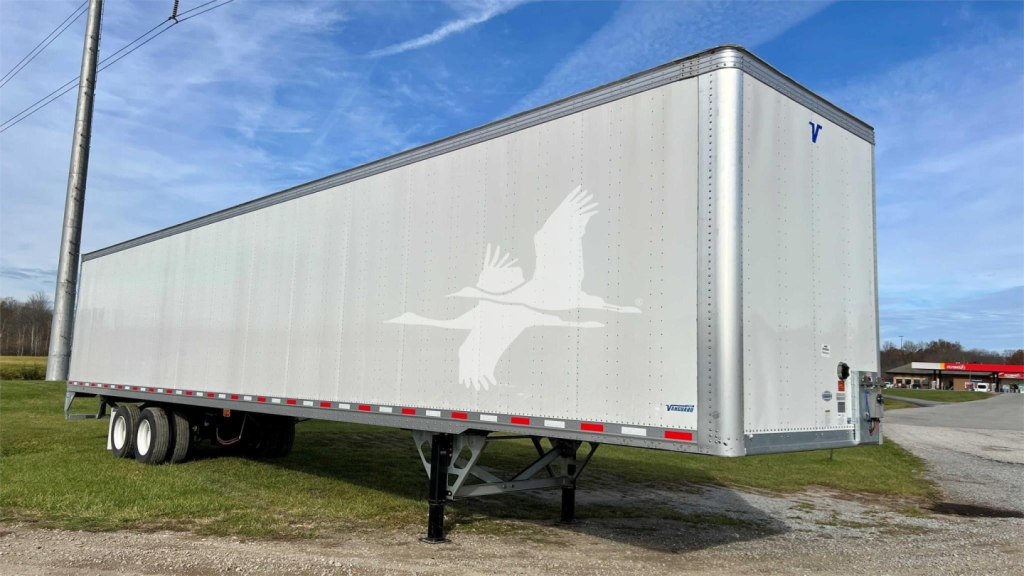
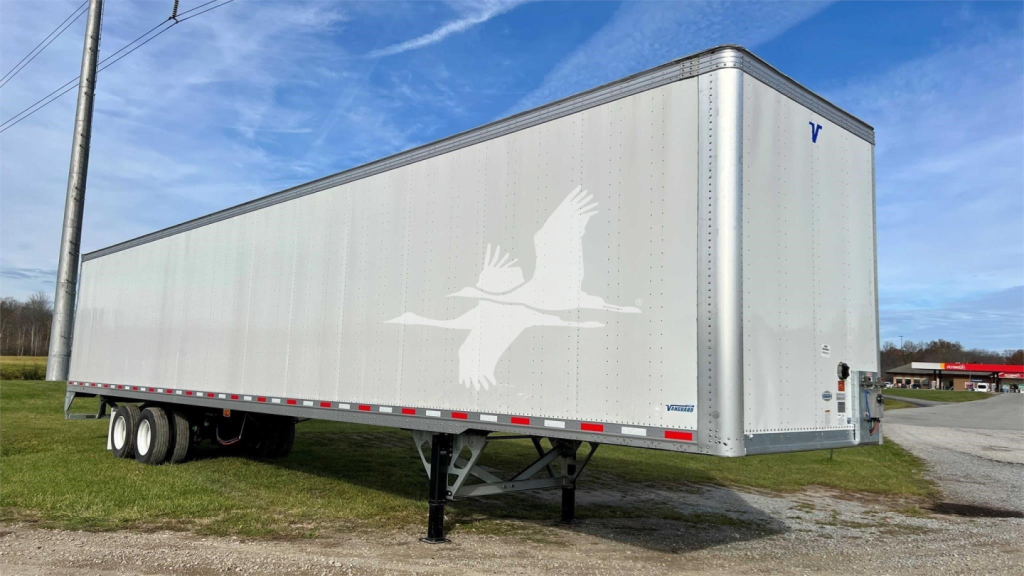
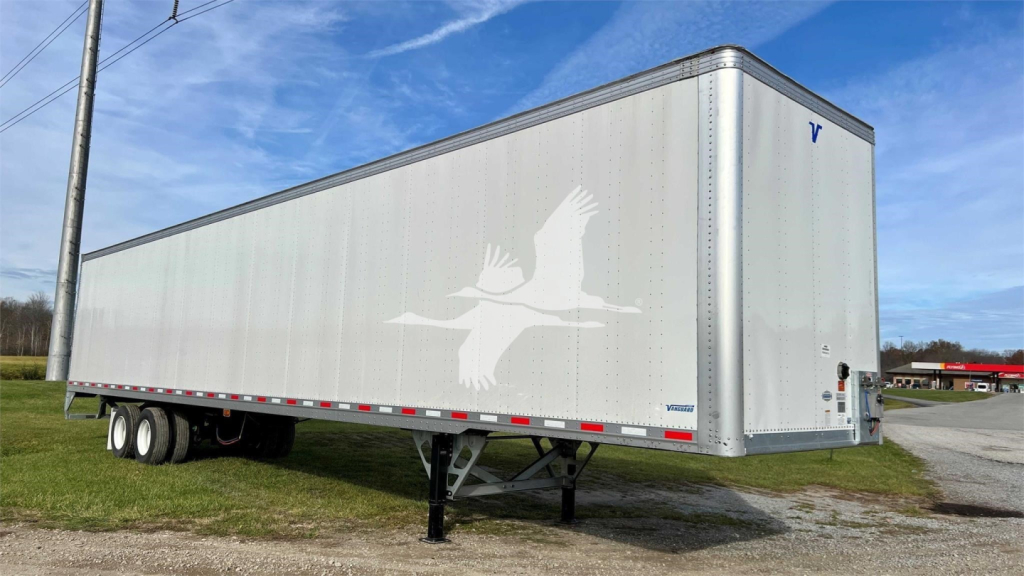
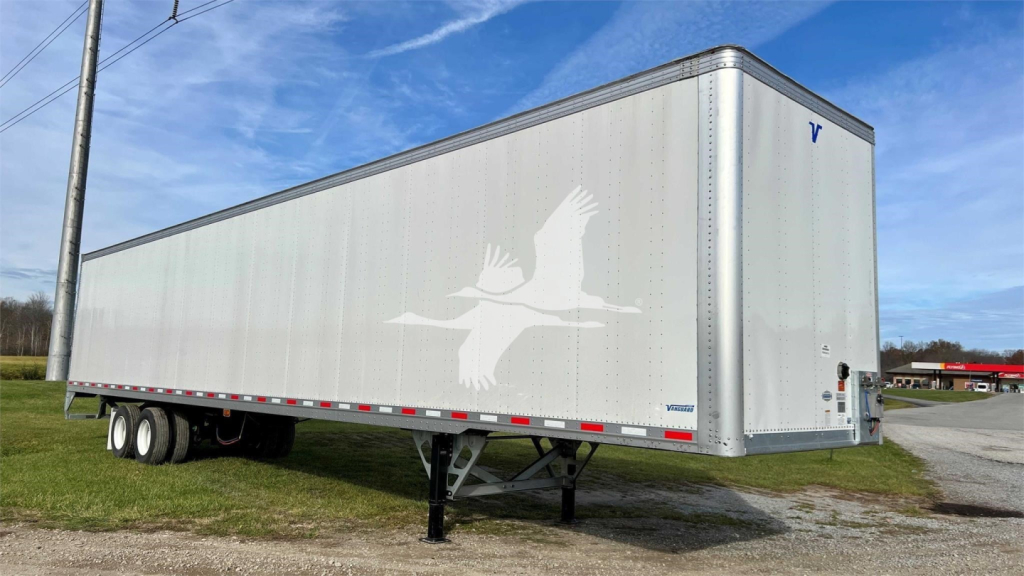
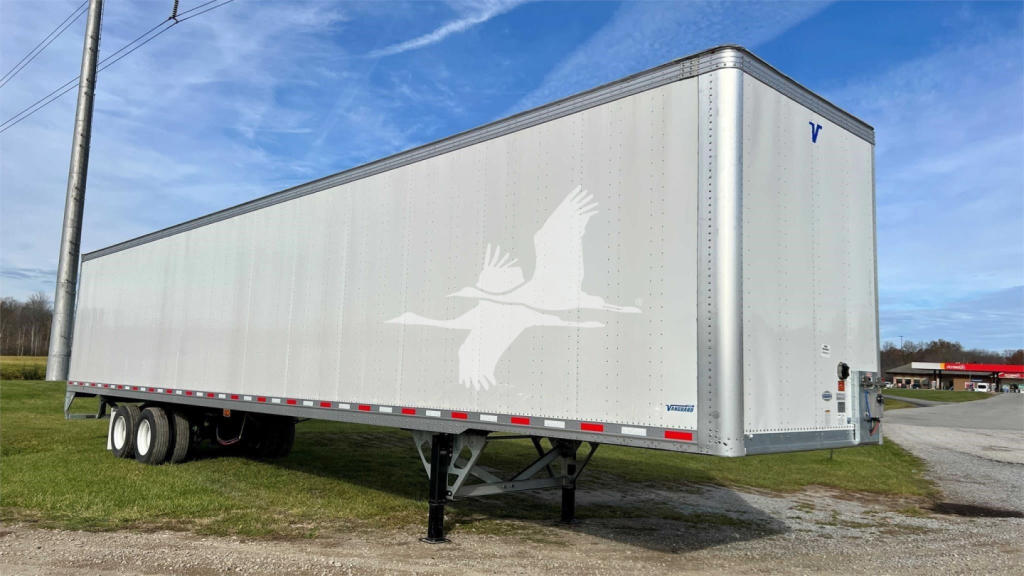
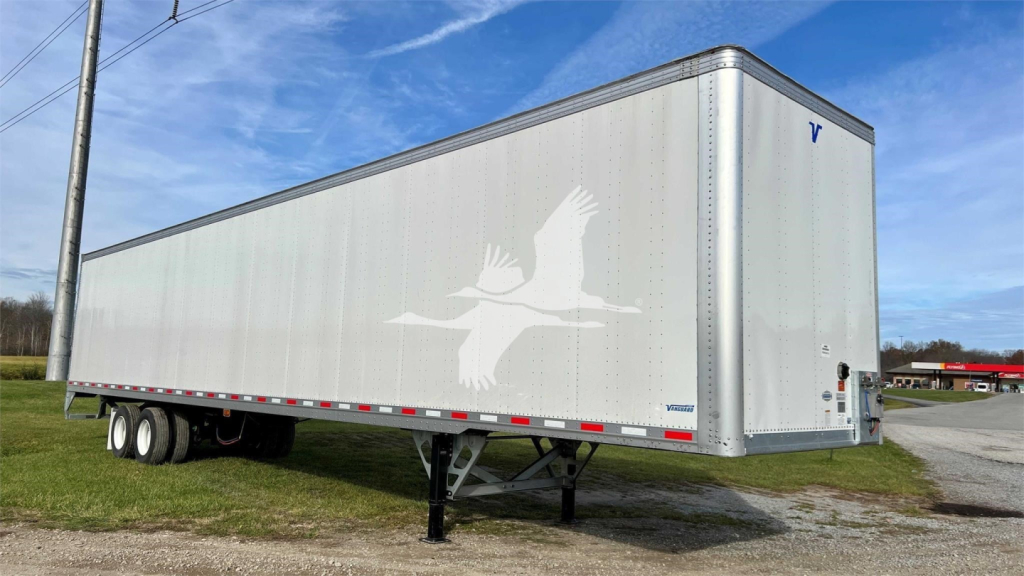
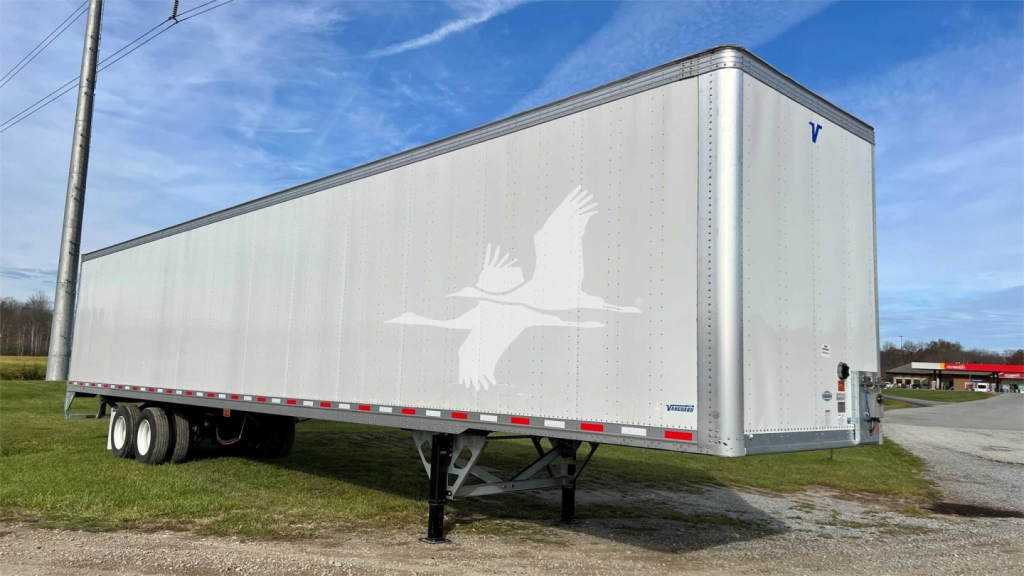
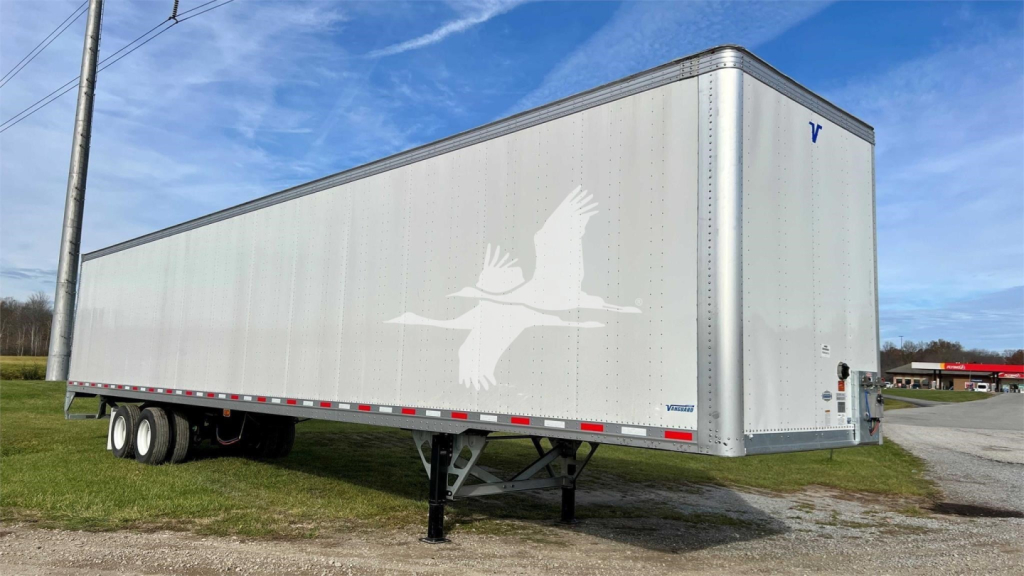
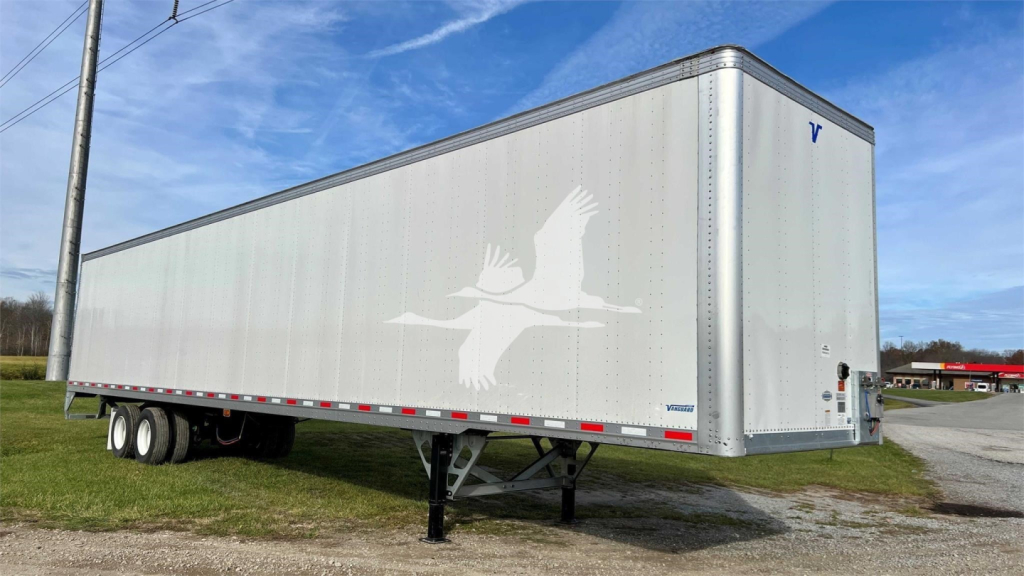
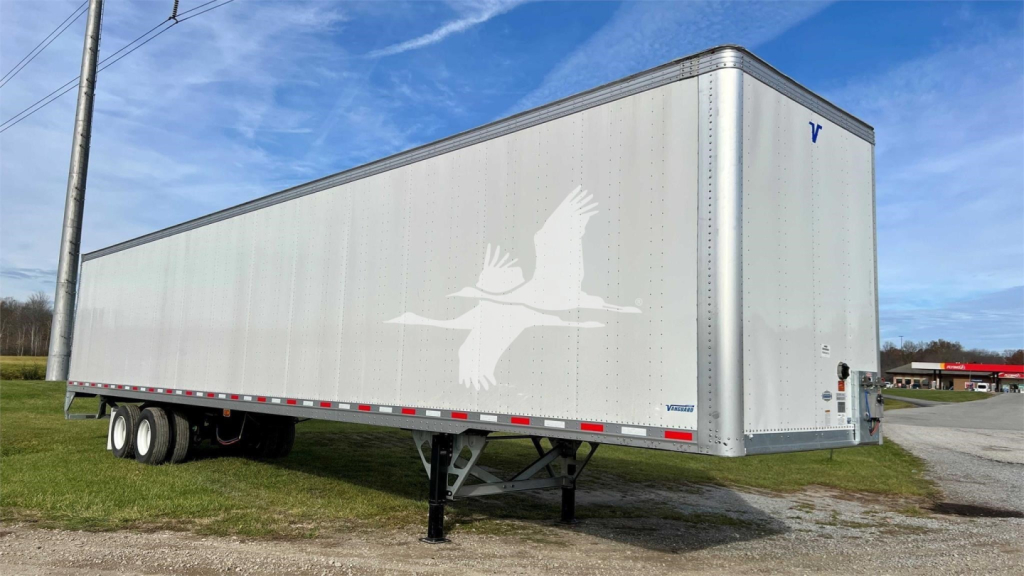
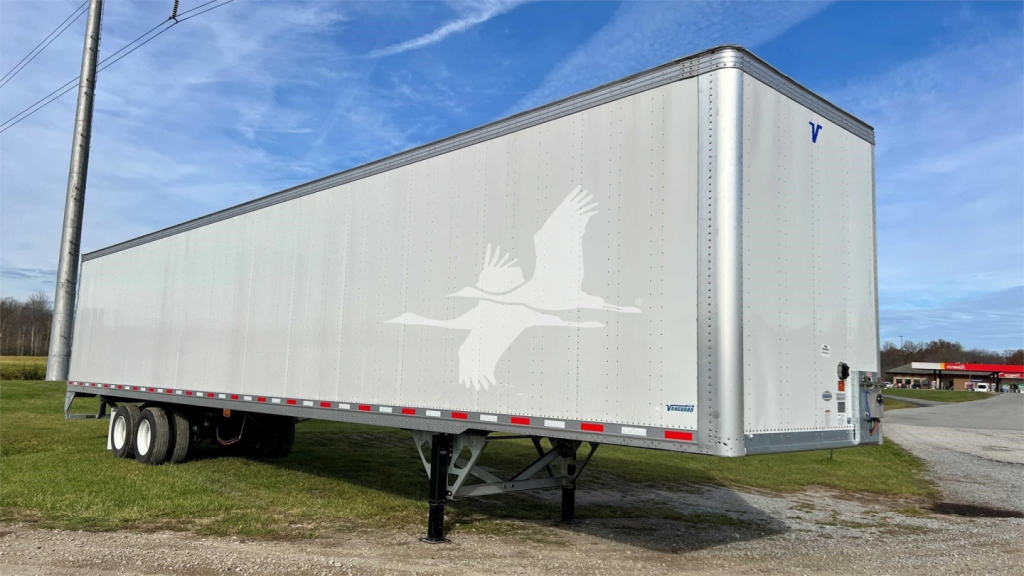
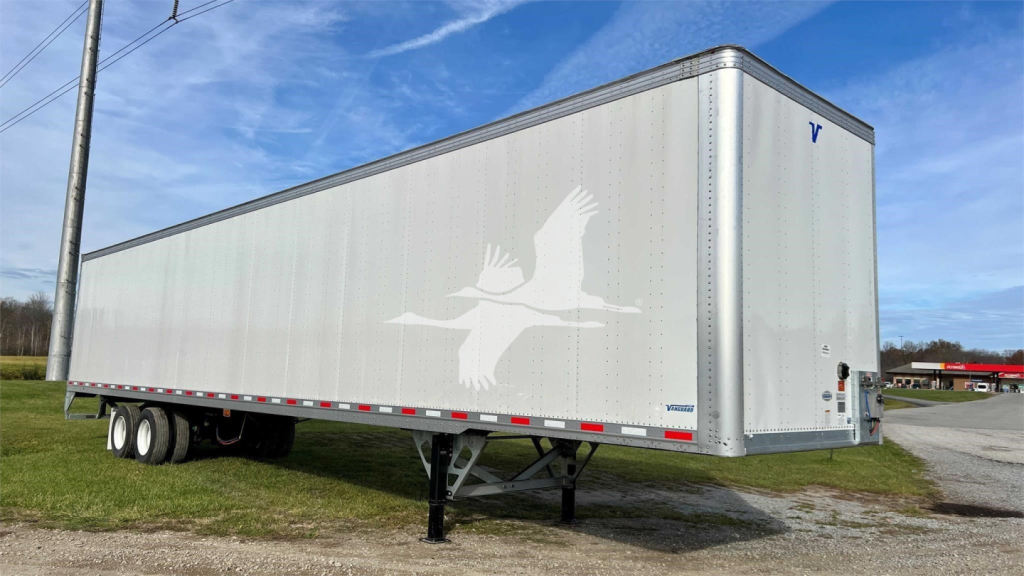
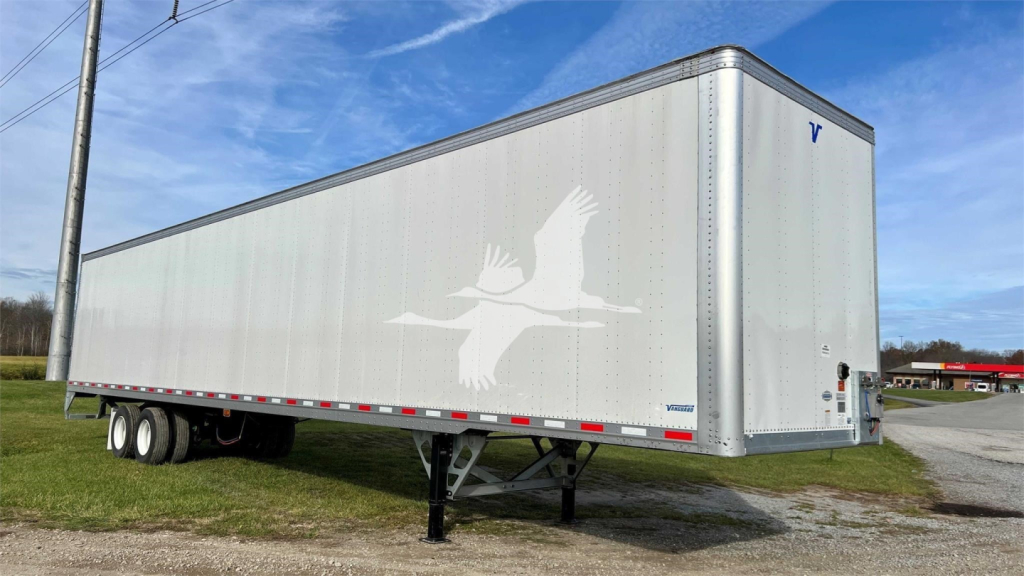
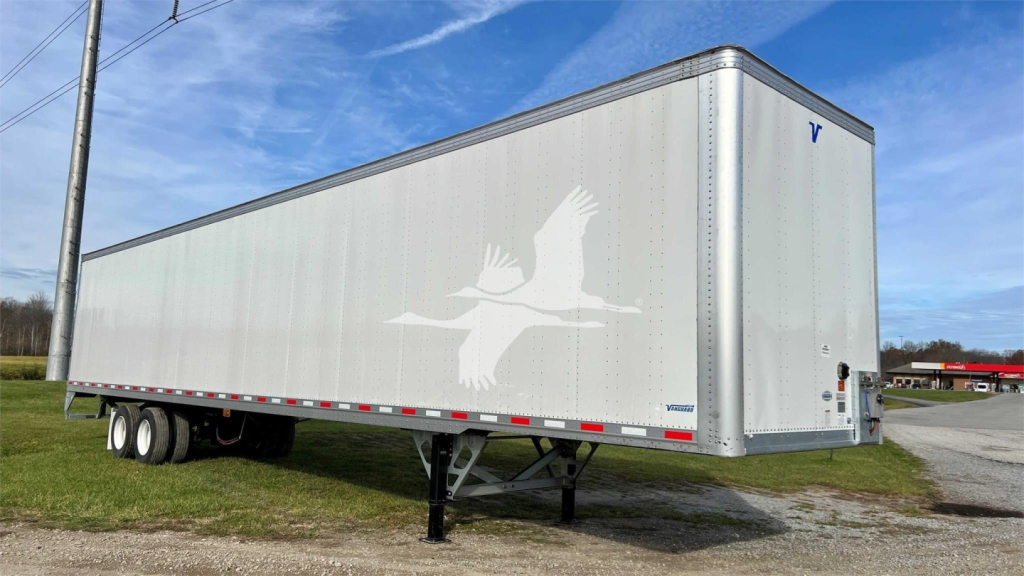
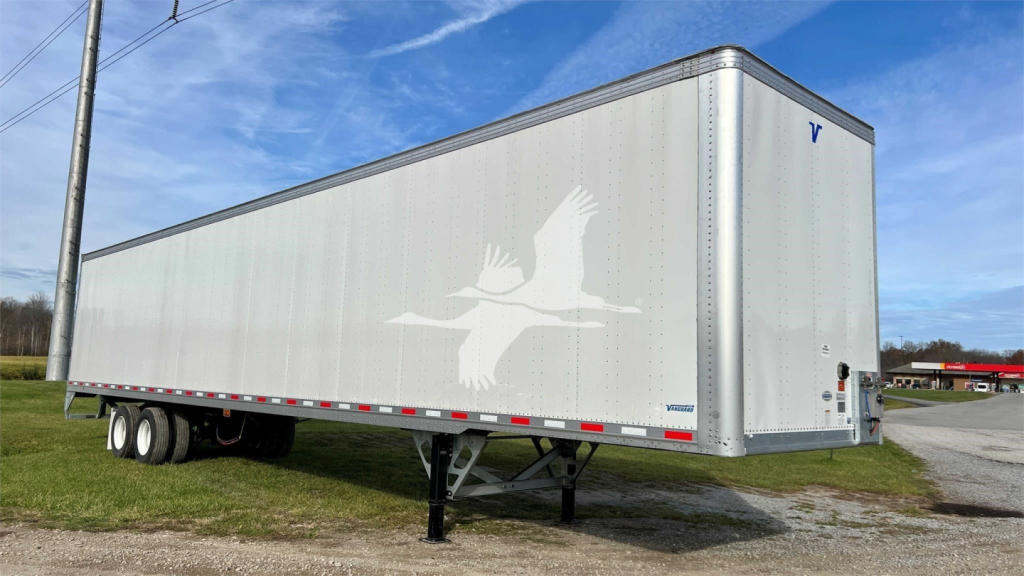
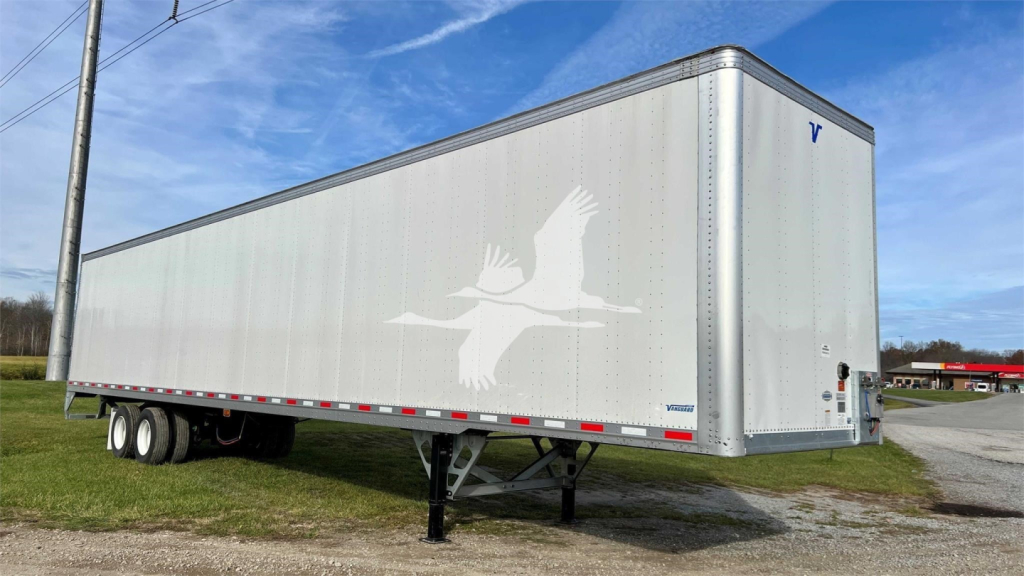
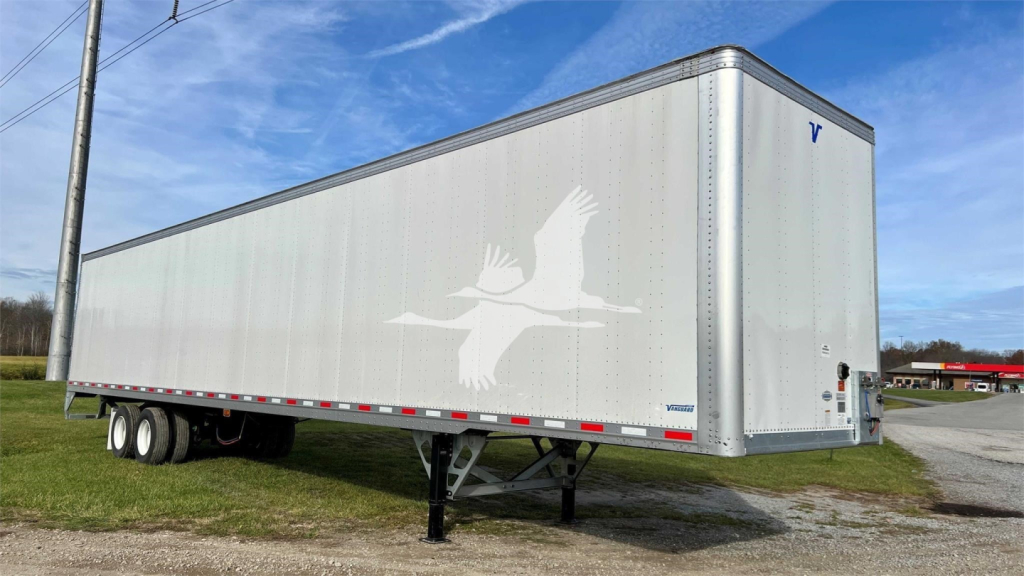
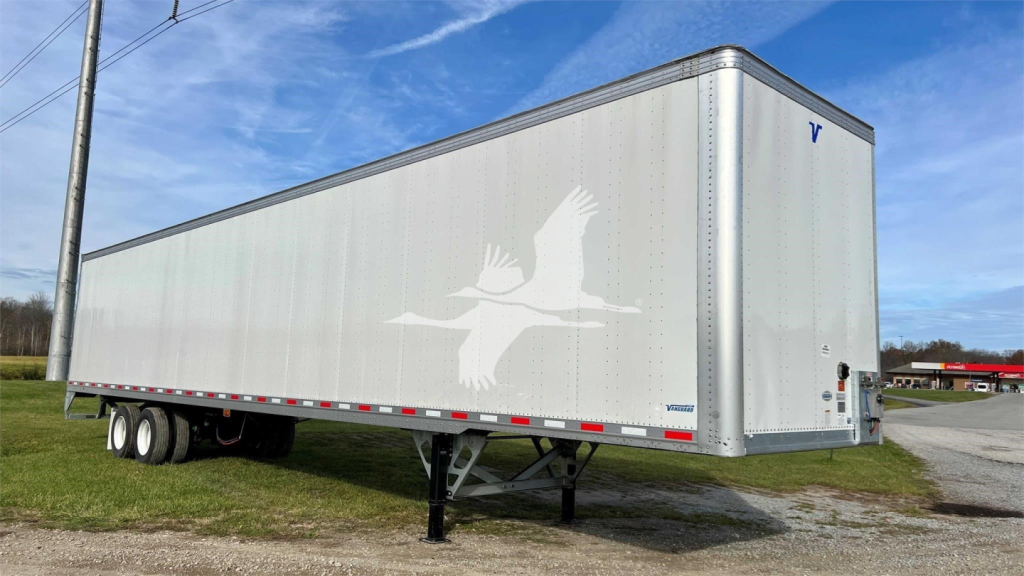
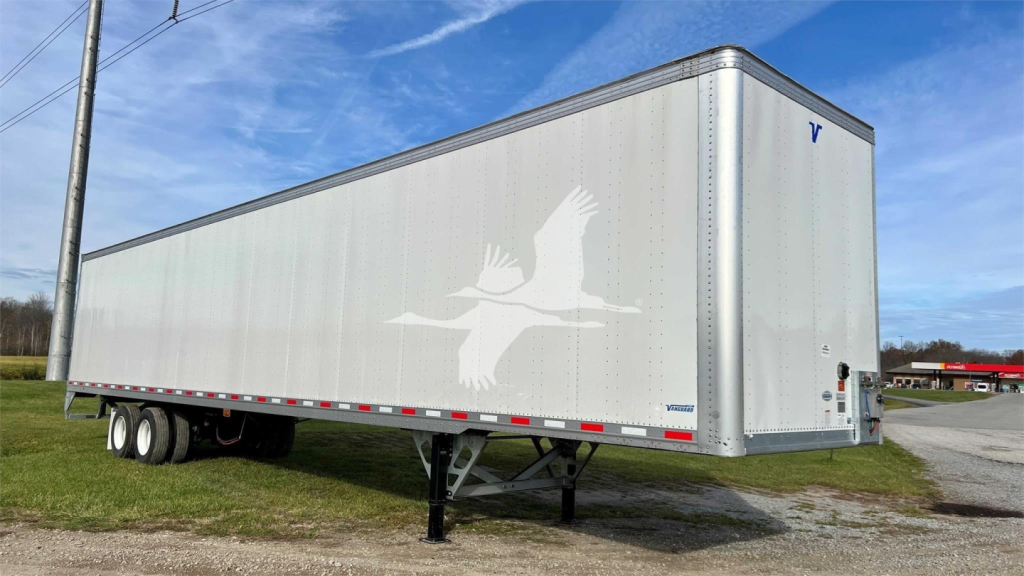
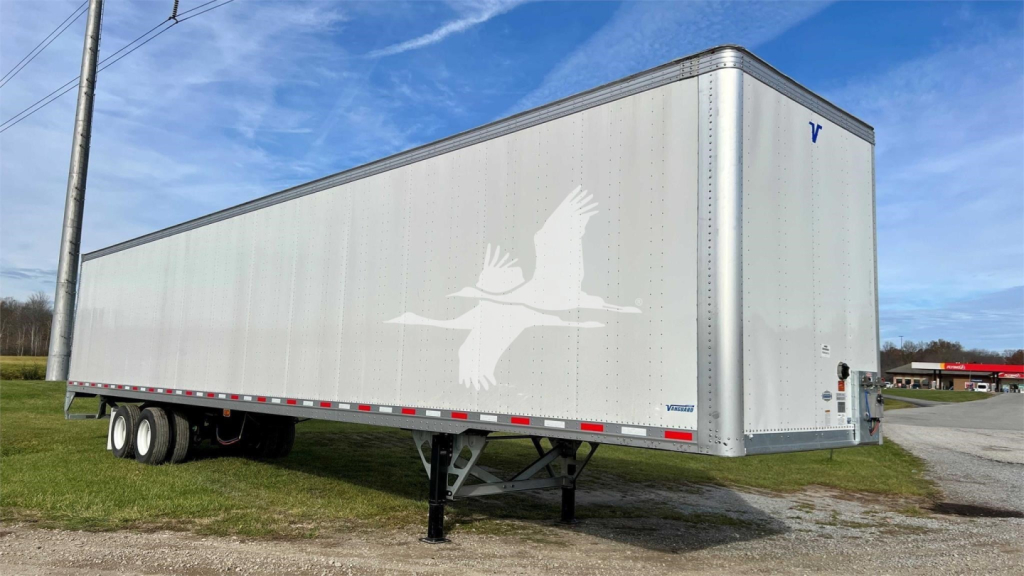
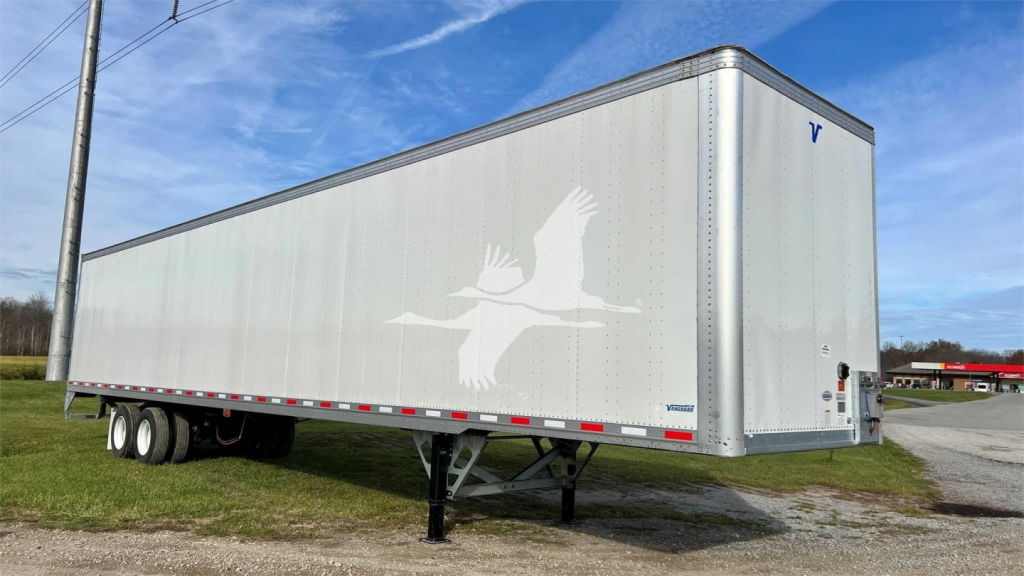
Showing 1 to 24 of 26 results
Have 2013 vanguard van trailer to sell? List it here to reach thousands of buyers.
2013 Vanguard Van Trailers in Pennsylvania
For a buyer comparing used van trailers, the most important spec decisions usually come down to suspension, tandem configuration, and cargo interior. Air-ride suspension is common and matters for load protection on food products, consumer goods, paper, and other damage-sensitive freight. A sliding tandem setup helps with bridge law compliance, axle spread flexibility, and dock positioning. Inside the trailer, details such as logistics posts, scuff liners, nose lining, floor thickness, and crossmember spacing all affect long-term durability. A 1 3/8-inch hardwood or oak floor, galvanized rear structure, and reinforced dock area are features many fleets and owner-operators value because they hold up better in repeated loading cycles.
Vanguard van trailers are also known for plate-style side construction on many models, which can appeal to buyers who want a cleaner interior wall surface and solid resistance to daily freight contact. When shopping a 2013 model, pay attention to prior freight type and lane history. A trailer that spent its life in heavy grocery distribution or dense urban dock service may show more floor repair, threshold wear, and door frame fatigue than one used in lighter drop-and-hook service. In Pennsylvania, road salt and winter exposure make undercarriage inspection especially important, including slider rails, suspension components, crossmembers, landing gear mounts, and the rear impact guard.
Dry vans in this class are a practical choice for carriers that need enclosed freight protection without the added complexity of refrigerated equipment. They are simpler to maintain than reefers and versatile enough for contract freight, dedicated lanes, brokered loads, and warehouse shuttle work. Buyers should confirm inside height, door opening dimensions, tire size, kingpin setting, and DOT compliance items before purchase, especially if the trailer will rotate through different shippers or operate in tighter Northeast terminals where loading clearances and trailer maneuverability matter.
Frequently Asked Questions about 2013 Vanguard Van Trailers in Pennsylvania
What should I inspect first on a 2013 Vanguard van trailer?
Start with the floor, roof, rear frame, and sidewalls. Floor condition tells you a lot about forklift traffic and freight density over time, while the roof and upper rails can reveal leaks or previous repairs. Check the rear doors, hinges, threshold plate, and dock bumper area for hard dock impacts. On a Pennsylvania trailer, corrosion under the trailer is just as important, especially around the slider rails, landing gear, suspension mounts, and rear underride structure.
Are 2013 Vanguard dry vans good for general freight?
Yes, a 2013 Vanguard dry van can still be a solid general freight trailer if it has been maintained and the structure remains sound. This trailer class is commonly used for palletized consumer goods, boxed freight, paper, and non-temperature-sensitive shipments. The value depends less on model year alone and more on floor life, door sealing, suspension condition, and how well the trailer has held up to repeated dock and road use.
Why does a sliding tandem matter on a used van trailer?
A sliding tandem gives the trailer more flexibility for axle weight distribution and state bridge compliance. It also helps drivers adjust trailer balance for different freight patterns and shipper requirements. On a used trailer, the slider should move properly and the rail system should be checked for corrosion, cracks, and worn locking components, since neglected slider maintenance can become an expensive repair item.
What cargo features are worth paying extra attention to on a dry van?
Logistics posts, scuff liners, nose lining, floor thickness, and door opening dimensions all affect how useful the trailer will be in day-to-day service. Logistics posts support load securement options, while scuff protection helps reduce interior wall damage from forklifts and pallets. A strong floor and healthy threshold area matter if the trailer will see frequent dock loading. If the freight mix includes high-cube palletized loads, inside height and rear door opening height should be confirmed before committing.
Is a dry van a better choice than a refrigerated trailer for some fleets?
For non-perishable freight, a dry van is usually the simpler and lower-maintenance option. It avoids the engine, fuel, insulation, and refrigeration system service costs that come with a reefer. That makes a used dry van attractive for carriers focused on general freight, warehousing moves, retail distribution, and drop-and-hook lanes where cargo protection from weather is needed but temperature control is not.