
2003 Van Trailers For Sale in New York
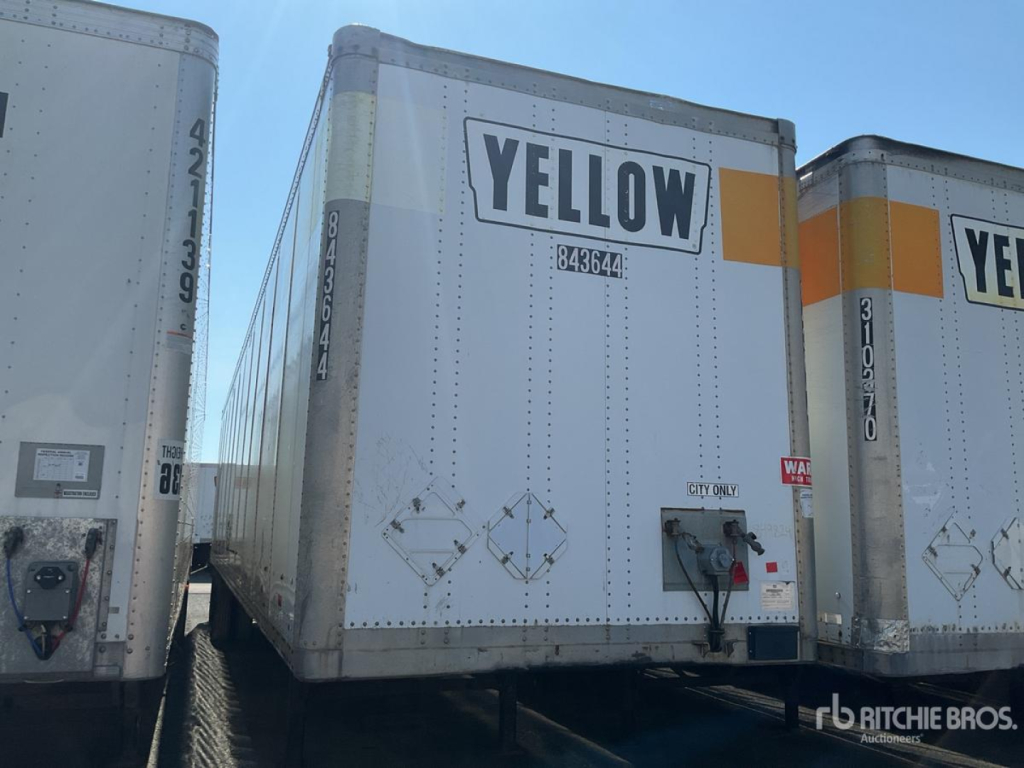
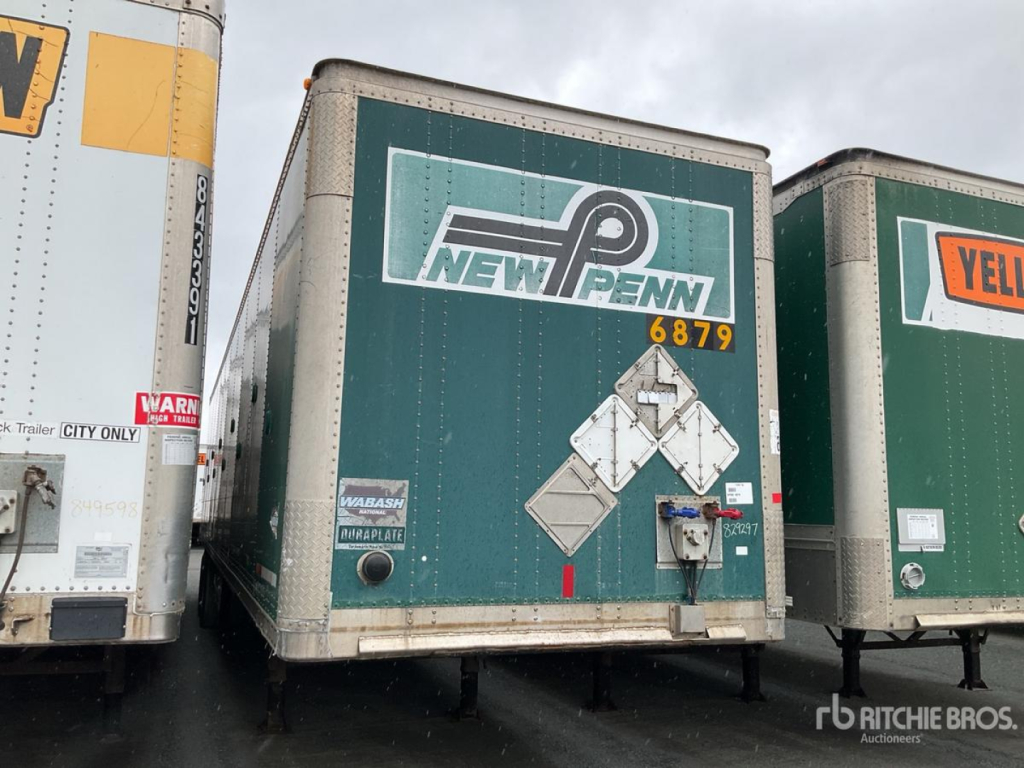
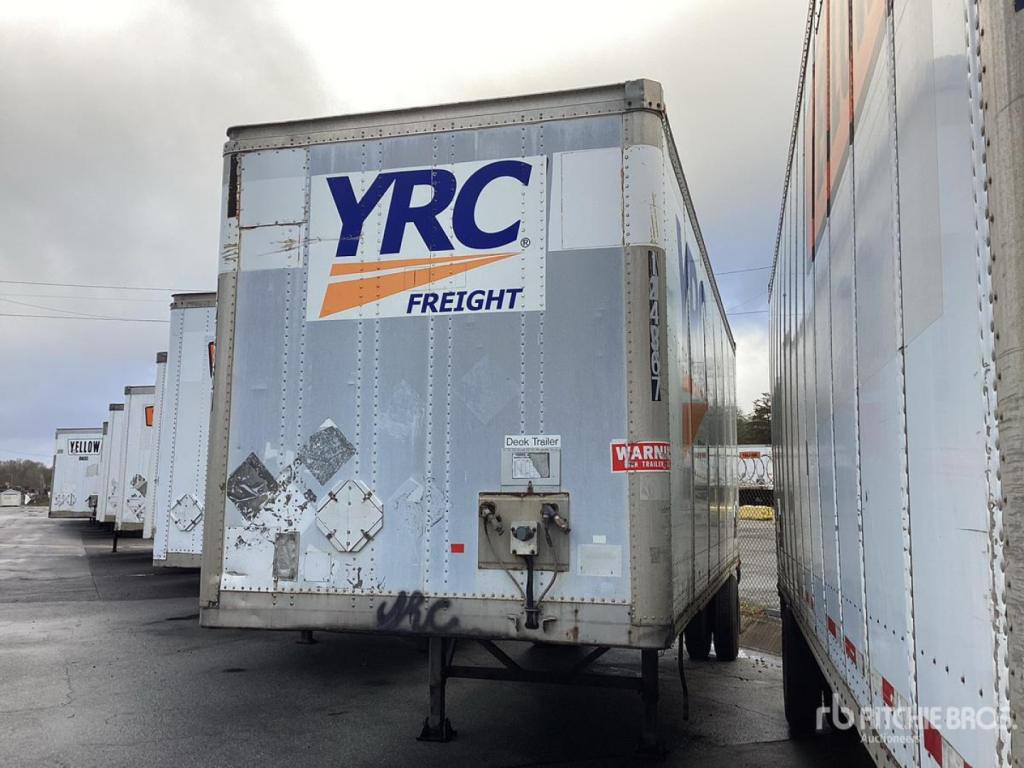
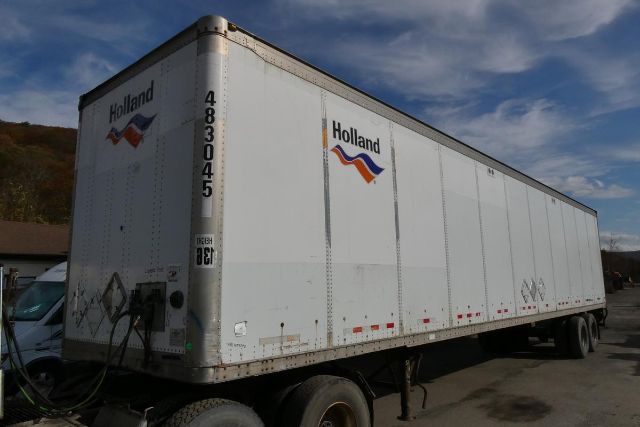
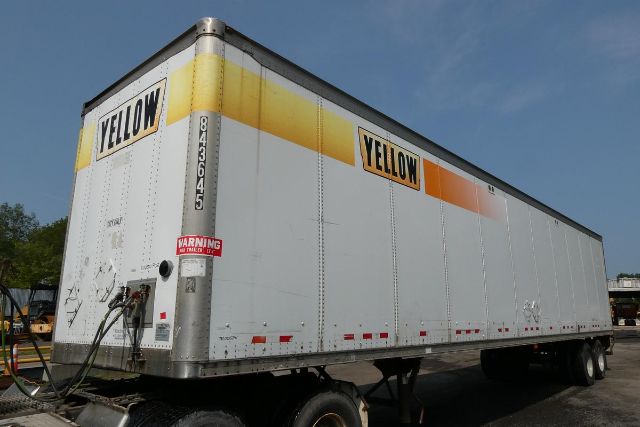
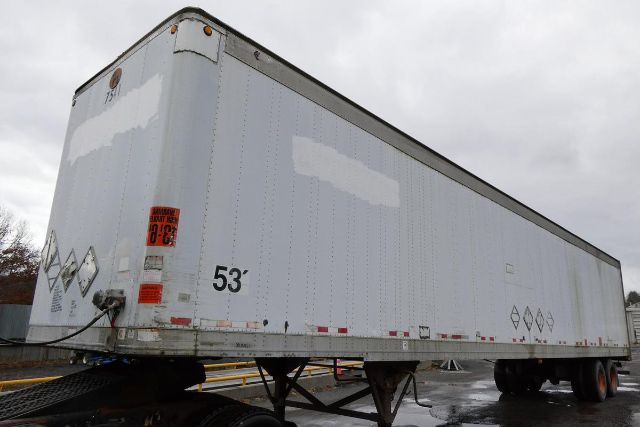
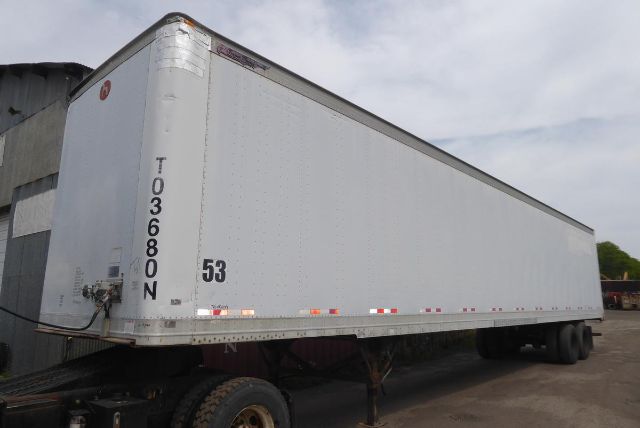
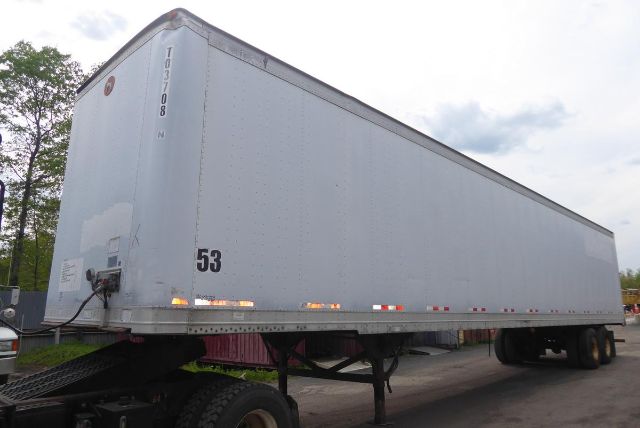
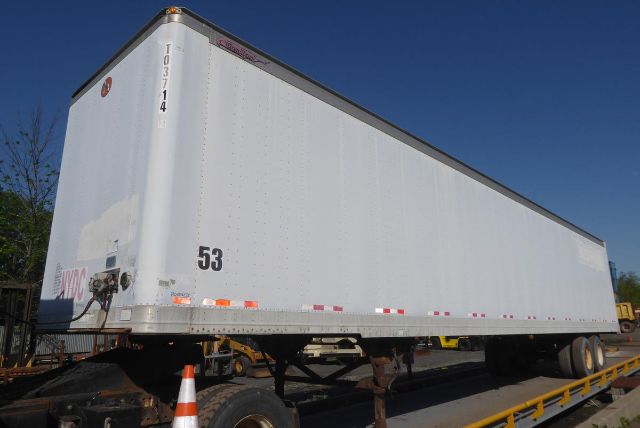
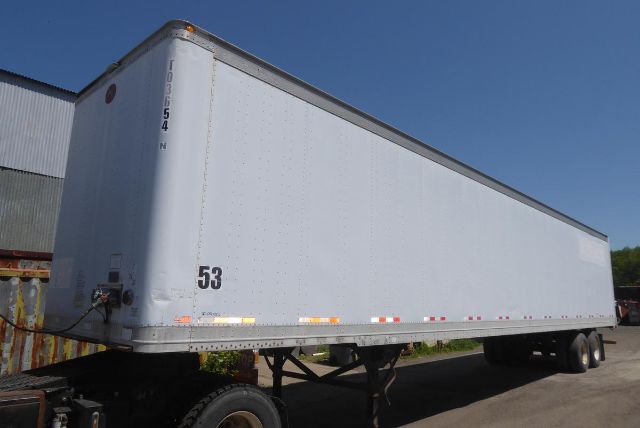
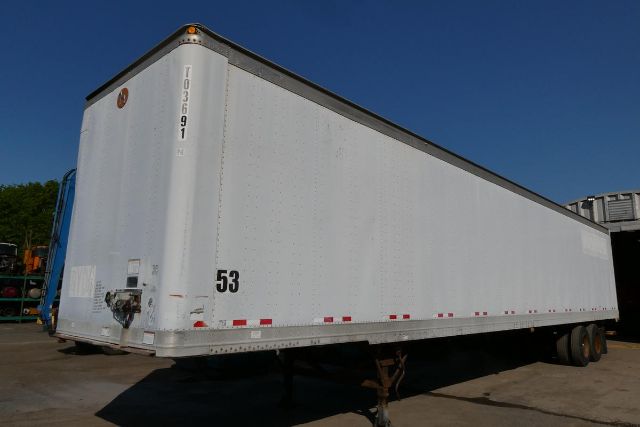
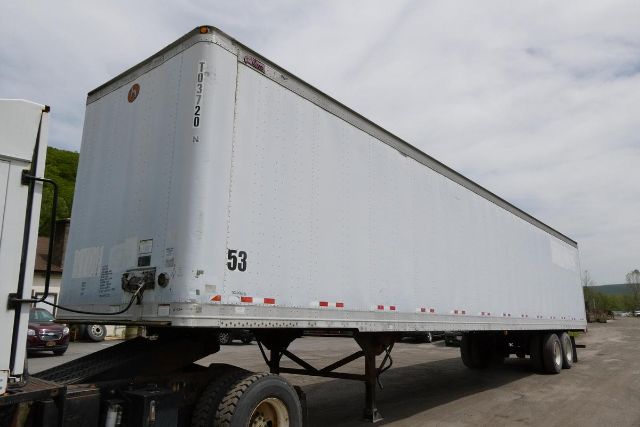
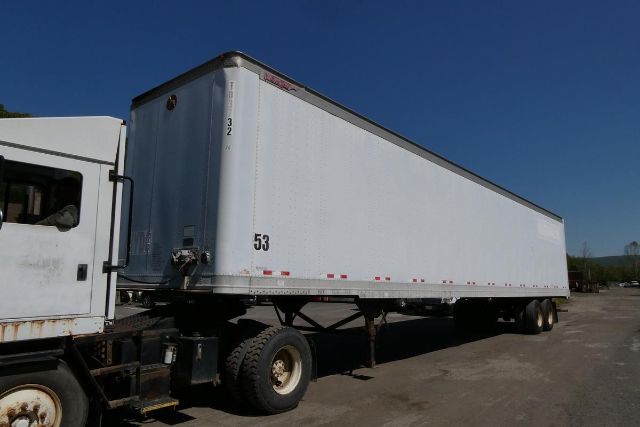
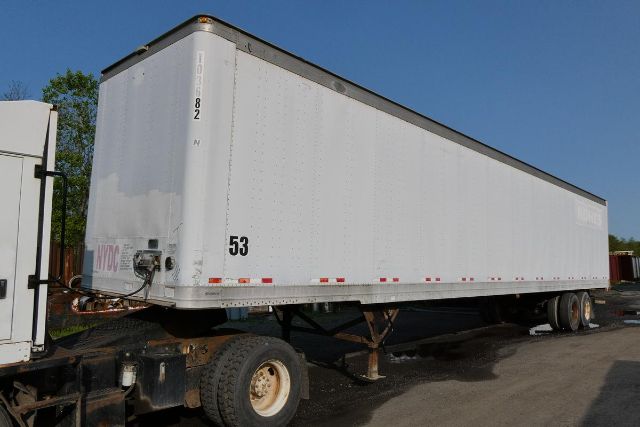
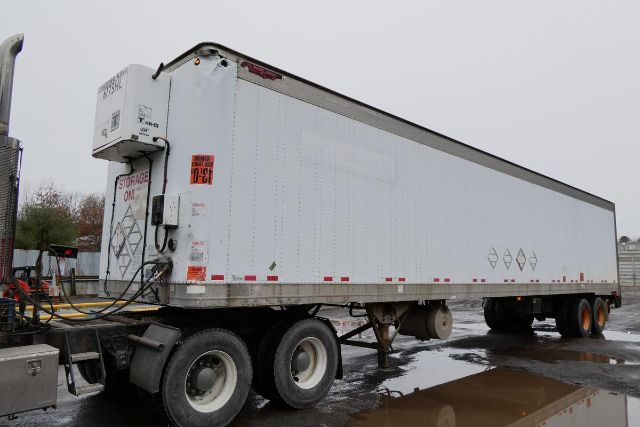
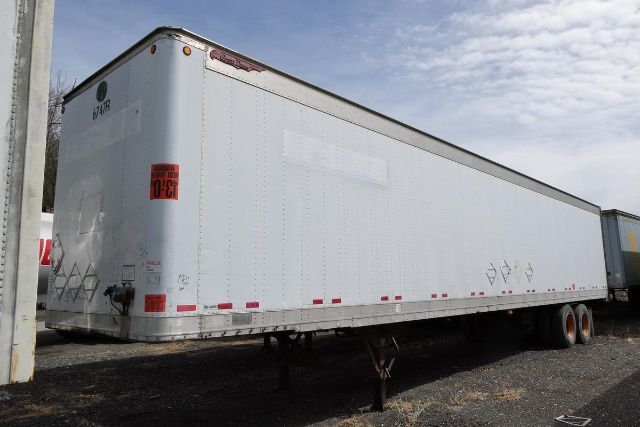

Have 2003 van trailer to sell? List it here to reach thousands of buyers.
2003 Van Trailers in New York
Condition matters more than brand when you are shopping older van trailers. Pay close attention to floor wear, crossmember condition, rear frame and threshold integrity, roof bows, upper coupler plate, and signs of prior sidewall repair. Roll-up doors can be convenient for city and LTL-style work, but on a 2003 trailer the tracks, springs, header, and door surround deserve a close inspection. Tire size, brake type, hub style, suspension design, and axle adjustment components should all be checked because maintenance history often determines remaining service life more than the model year alone.
For freight application, a 2003 dry van can still fit a wide range of operations including palletized consumer goods, boxed freight, retail replenishment, warehouse transfers, and short to mid-haul regional work. Many trailers from this era have aluminum roofs, steel wheels, spring suspension, and standard interior dimensions around 7 feet 9 inches wide and roughly 8 feet 8 inches to 8 feet 9 inches high. Buyers should confirm door opening dimensions, interior cube, and tare weight if payload efficiency is important. A lighter aluminum-steel combination trailer may support better payload than a heavier all-steel configuration, but structural condition is the deciding factor.
In New York service, corrosion exposure is a major buying consideration due to road salt, winter moisture, and heavy stop-and-go use around urban markets. Inspect wiring, air lines, brake chambers, slack adjusters, mud rail condition, and landing gear operation. If the trailer will run city docks, look for scuff liners, secure logistic track, and a square rear frame that seals properly at the dock. If it will run linehaul, focus on tandem slide function, tire condition, brake life, and any signs of frame fatigue. A well-maintained 2003 van trailer can still be a cost-effective freight box, but the best purchase is usually the one with the strongest structure and the clearest maintenance record.
Frequently Asked Questions about 2003 Van Trailers in New York
What should I inspect first on a 2003 van trailer?
Start with the structure. Check the floor, crossmembers, rear frame, roof, sidewalls, upper coupler area, and suspension hangers before focusing on cosmetics. On an older dry van, structural repairs can quickly outweigh the value of the trailer, especially if there is floor rot, cracked crossmembers, corrosion around the rear sill, or evidence of major impact damage. After that, inspect brakes, tires, air system components, lights, and tandem slide operation.
Is a 48-foot or 53-foot 2003 van trailer better for New York operations?
It depends on the lanes and delivery environment. A 53-foot van usually provides better cubic capacity and is the standard for many general freight applications, but a 48-foot trailer can be easier to manage in tighter urban areas and older dock locations. In New York and the Northeast, buyers should also consider bridge law, axle spacing, and delivery access when choosing trailer length. The right choice is the one that matches the freight profile and route restrictions.
Are slideable tandems important on an older dry van trailer?
Yes, especially for operators running variable payloads or routes with strict axle requirements. Slideable tandems help balance weight across the axles and can improve legal compliance in states where bridge formulas and axle spacing matter. On a 2003 trailer, inspect the slider rails, locking pins, air release system if equipped, and signs of excessive wear or corrosion. A damaged or seized slider can limit the trailer's usefulness.
What floor and door issues are common on 2003 van trailers?
Wood-over-steel floors can show rot, delamination, soft spots, patchwork, and fastener pull-through after years of forklift traffic. Rear doors often develop problems at the threshold, hinges, rollers, tracks, seals, and header area. Roll-up doors need smooth travel and a solid frame opening, while swing doors need good hinge alignment and seal compression. Door and floor condition directly affect loading safety, cargo protection, and dock performance.
Can a 2003 dry van trailer still be a good value?
Yes, if the trailer has sound structure, usable running gear, and a maintenance history that supports continued service. Older van trailers often appeal to buyers who need enclosed storage, regional freight capacity, or a lower-cost trailer for dedicated lanes. The best values are usually trailers with solid floors, clean roofs, functional brakes, and minimal corrosion in critical areas. Age alone does not determine value as much as condition, repair needs, and fit for the intended job.