
2003 Wabash Van Trailers For Sale in New York
Shop 2003 Wabash van trailers with specs buyers compare most: 53-foot dry vans, tandem setups, roof, floor, suspension, and door type.
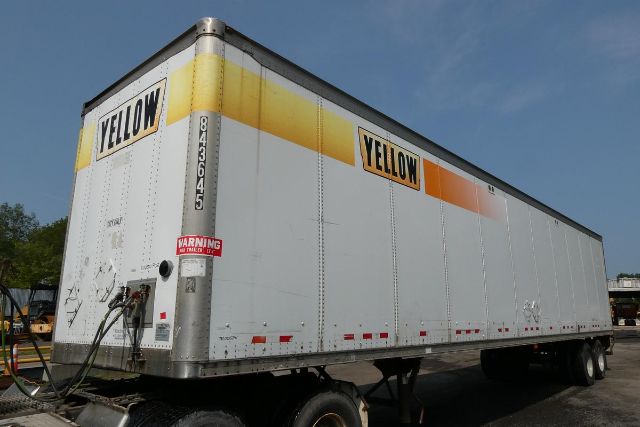

Have 2003 wabash van trailer to sell? List it here to reach thousands of buyers.
2003 Wabash Van Trailers in New York
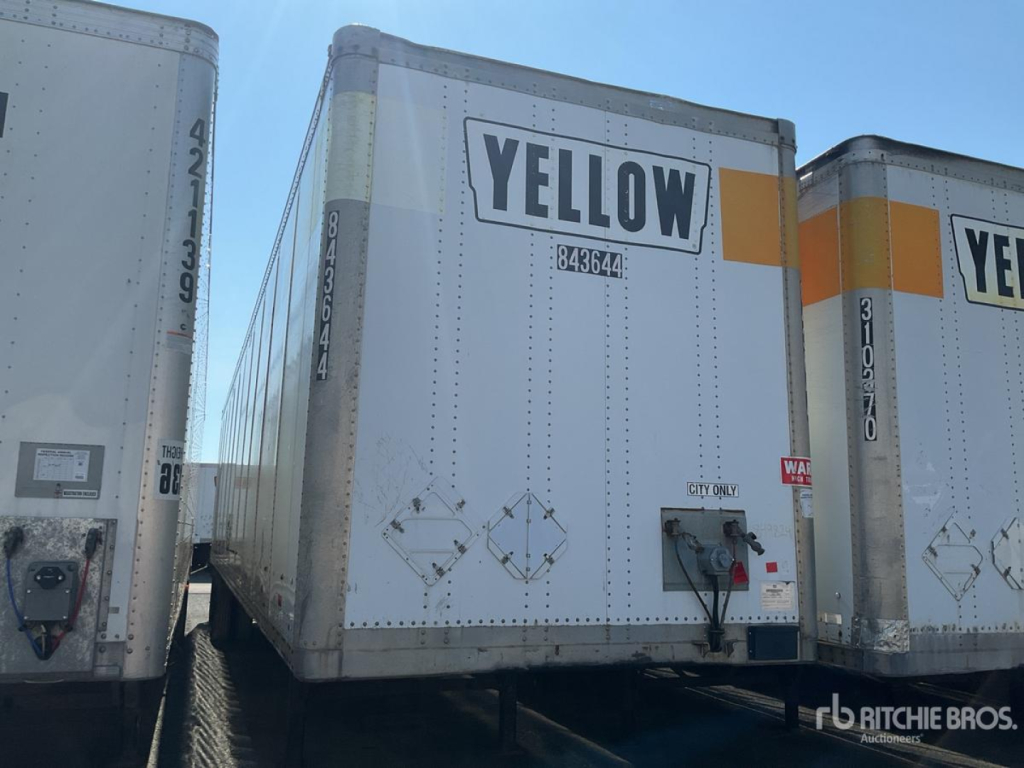
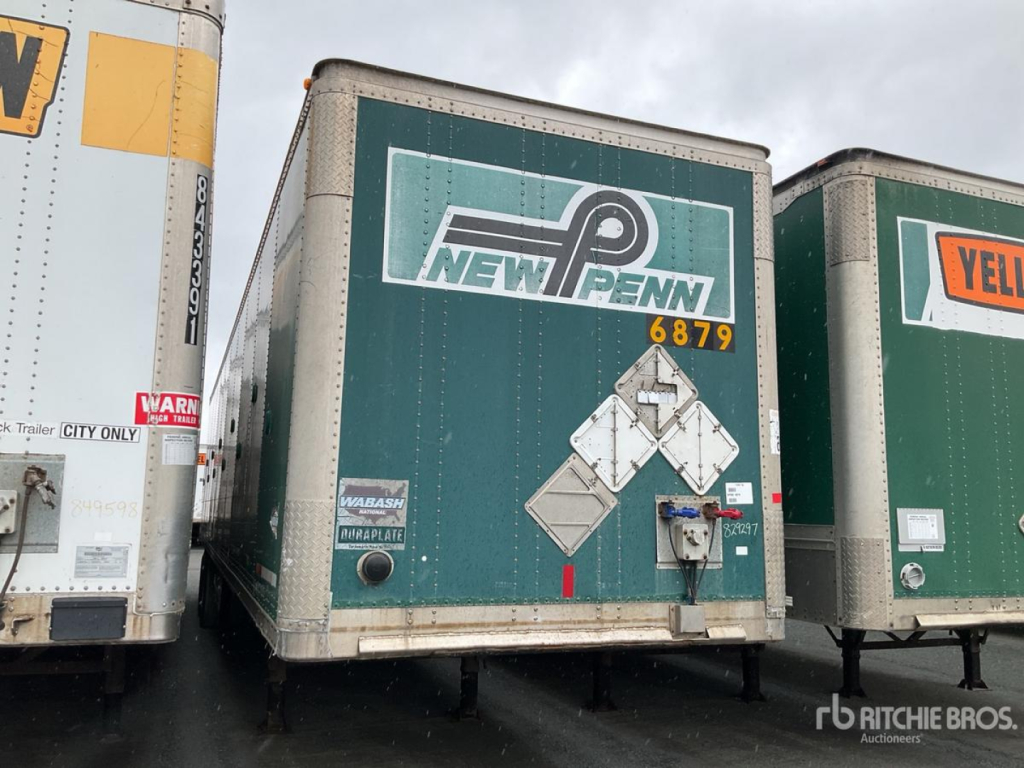
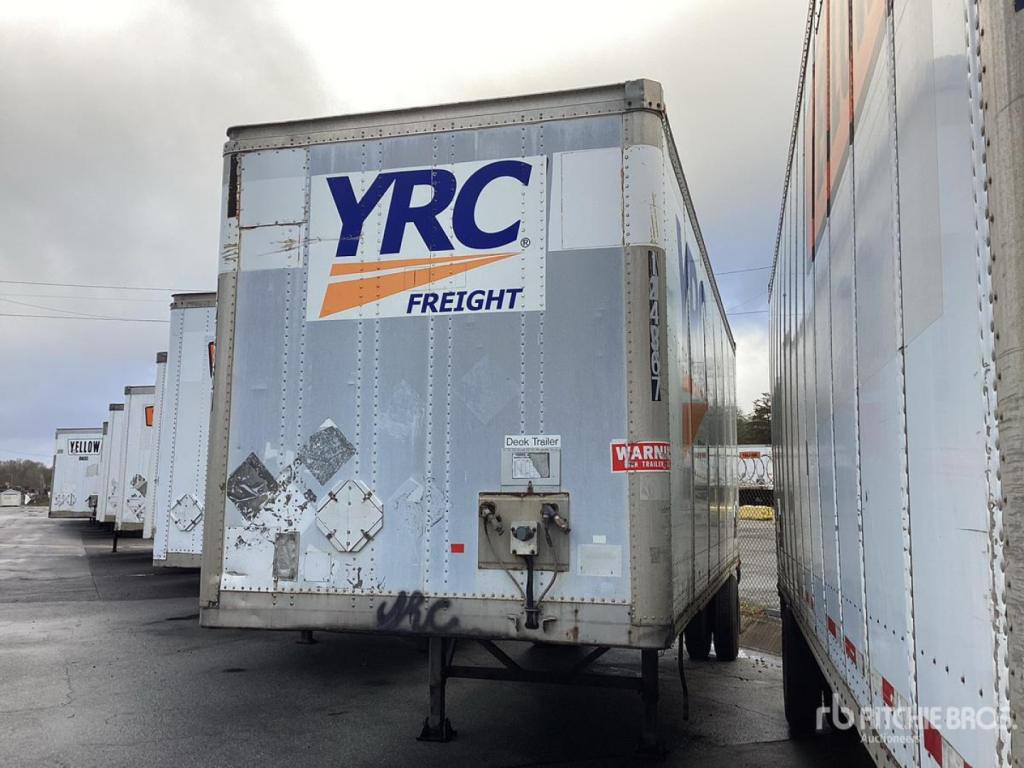
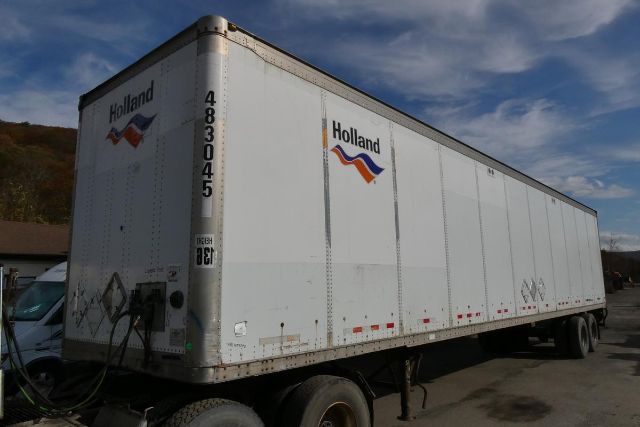
Wabash dry vans from the early 2000s are widely recognized for aluminum sheet-and-post construction with steel used where durability is needed, so trailer weight and repair history matter more than badge alone. A typical 2003 unit may have a GVWR around 68,000 pounds in tandem axle form, with interior dimensions near 7 feet 9 inches wide and about 8 feet 6 inches to 8 feet 9 inches high, depending on floor and roof spec. Common running gear includes spring ride suspension, 22.5-inch rubber, hub-piloted steel wheels, air brakes, and a standard 13-foot 6-inch overall height on road-ready tandem models. Buyers should pay close attention to floor wear at the rear, crossmember condition, side sheet repairs, roof bow integrity, and the condition of the ICC bumper and rear frame, especially on trailers that spent years in heavy dock service.
Spec details can change the trailer's value more than model year. Roll-up doors are common on urban and multi-stop applications because they reduce swing clearance at tight docks, but swing doors usually seal better, weigh less, and are often preferred for long-haul dry freight. A translucent roof is useful for daylight loading, while scuff liners, logistics tracks, and side skirts can indicate a trailer was ordered for higher-use fleet service. If the trailer will haul beverages, paper, boxed food, or parcel freight, check for wall liner damage, floor fastener pull-through, and signs of forklift impact around the nose and threshold. If registration and permitting are important in New York, also verify axle spacing, kingpin setting, and overall trailer dimensions so the trailer matches the intended tractor and lane requirements.
On an older Wabash van, condition and maintenance records usually outweigh small differences in trim or model code. Look for straight rails, even tire wear, good brake life, solid door hardware, and signs the roof has stayed watertight. A clean dry van with a sound floor, serviceable suspension, and a properly aligned tandem can still be a practical freight trailer for regional lanes, storage use, drop-and-hook service, or export work. Buyers comparing 2003 Wabash van trailers should treat structural condition, running gear spec, and prior fleet use as the core decision points.
Frequently Asked Questions about 2003 Wabash Van Trailers in New York
What are the most common specs on a 2003 Wabash van trailer?
The most common 2003 Wabash van trailer is a 53-foot dry van with a 102-inch exterior width, tandem axles, air brakes, and a wood floor over steel or mixed steel-aluminum structure. Many units from this period use spring ride suspension, 22.5-inch tires, and either roll-up or swing rear doors. Interior cargo height is often in the 8-foot 6-inch to 8-foot 9-inch range, and overall trailer height is commonly 13 feet 6 inches.
Is a slideable tandem better than a fixed tandem on a dry van?
A slideable tandem gives the operator more flexibility for bridge laws, weight distribution, and dock positioning, which is especially useful in Northeast regional service. A fixed tandem is simpler and can be suitable for consistent lanes or dedicated use, but it offers less room to adjust axle placement. The better choice depends on where the trailer will run, how often axle settings need to change, and whether customer yards or state regulations require more flexibility.
What should I inspect first on an older Wabash dry van?
Start with the floor, crossmembers, rear frame, roof, and sidewalls because structural repairs in those areas can be expensive and affect usable life. Then inspect suspension components, brake condition, wheel ends, tire wear, door hardware, and evidence of water intrusion. On a van trailer of this age, forklift damage at the rear threshold, patches in the roof or side sheets, and corrosion around the subframe can tell you a lot about the trailer's real condition.
Are 2003 Wabash van trailers still good for over-the-road freight?
They can be, if the trailer has been maintained and the structure is still sound. Many older dry vans remain useful in regional freight, warehouse shuttles, storage service, and short to medium haul operations. The key is not the model year by itself but the condition of the running gear, floor, roof, doors, and frame, along with how well the trailer matches the freight type and lane demands.
What door type is better on a dry van trailer, roll-up or swing doors?
Roll-up doors are helpful in tight docks and city work because they do not require rear swing clearance, but they add weight and can have more moving parts to maintain. Swing doors are generally lighter, often seal well, and are common on linehaul applications where dock space is less restrictive. The right choice depends on loading environment, trailer weight priorities, and how often the doors are opened each day.